Japan
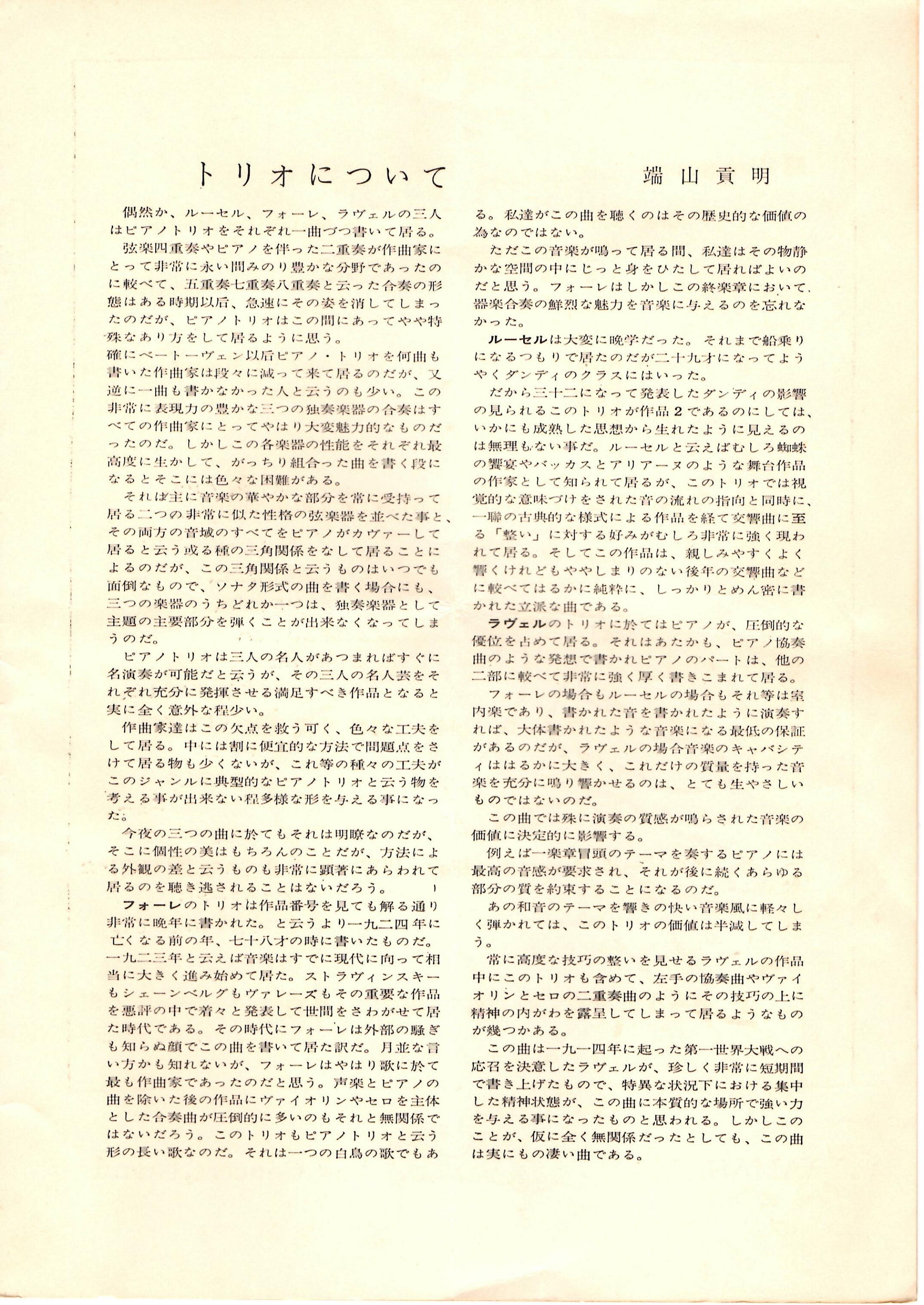
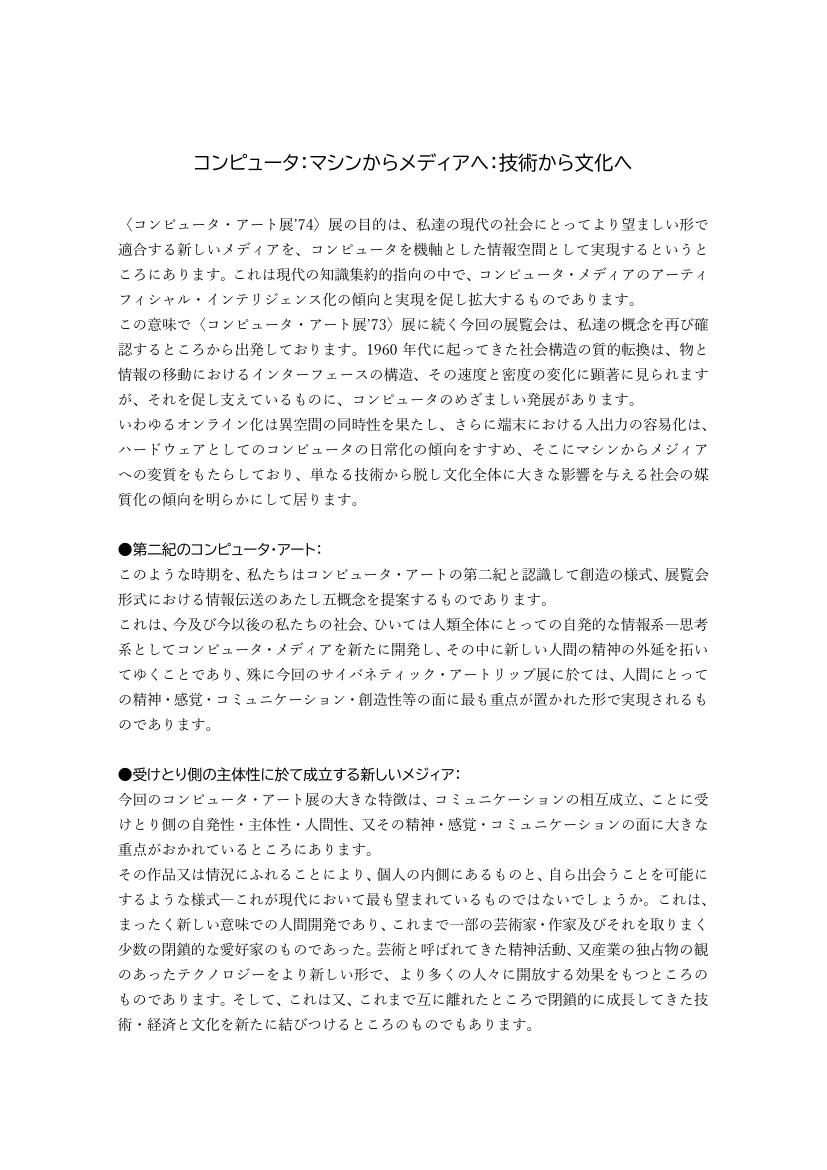
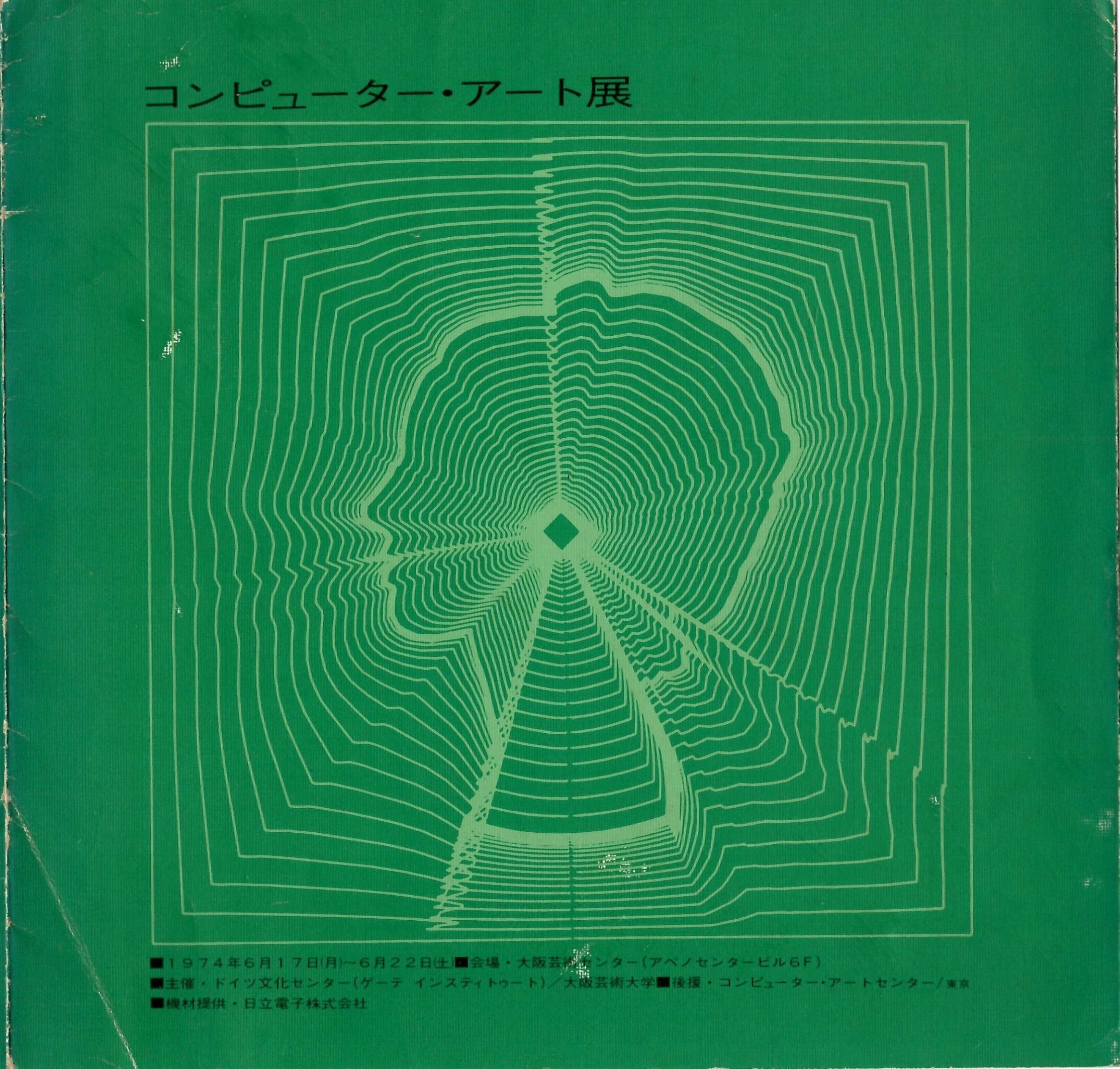
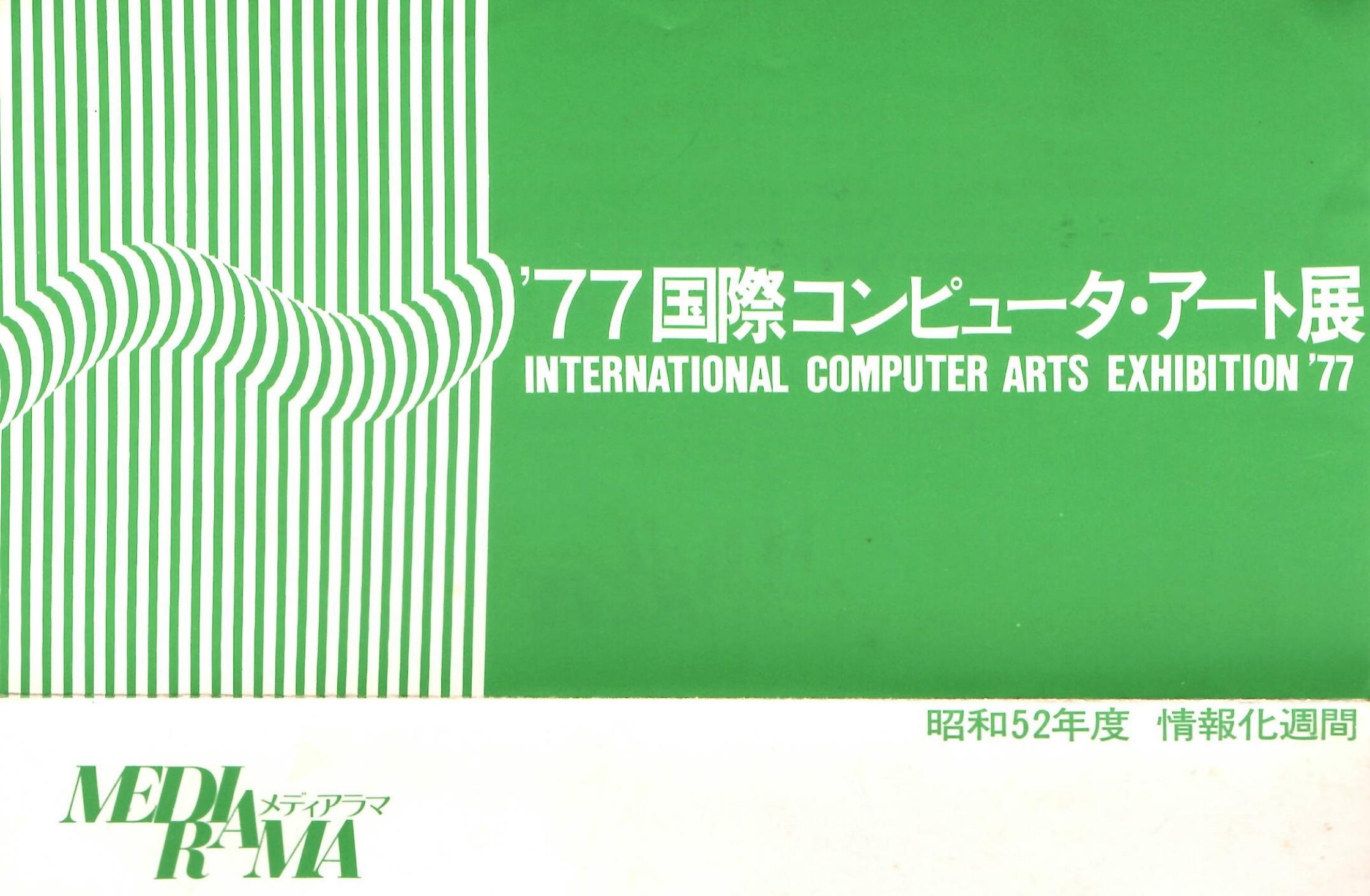
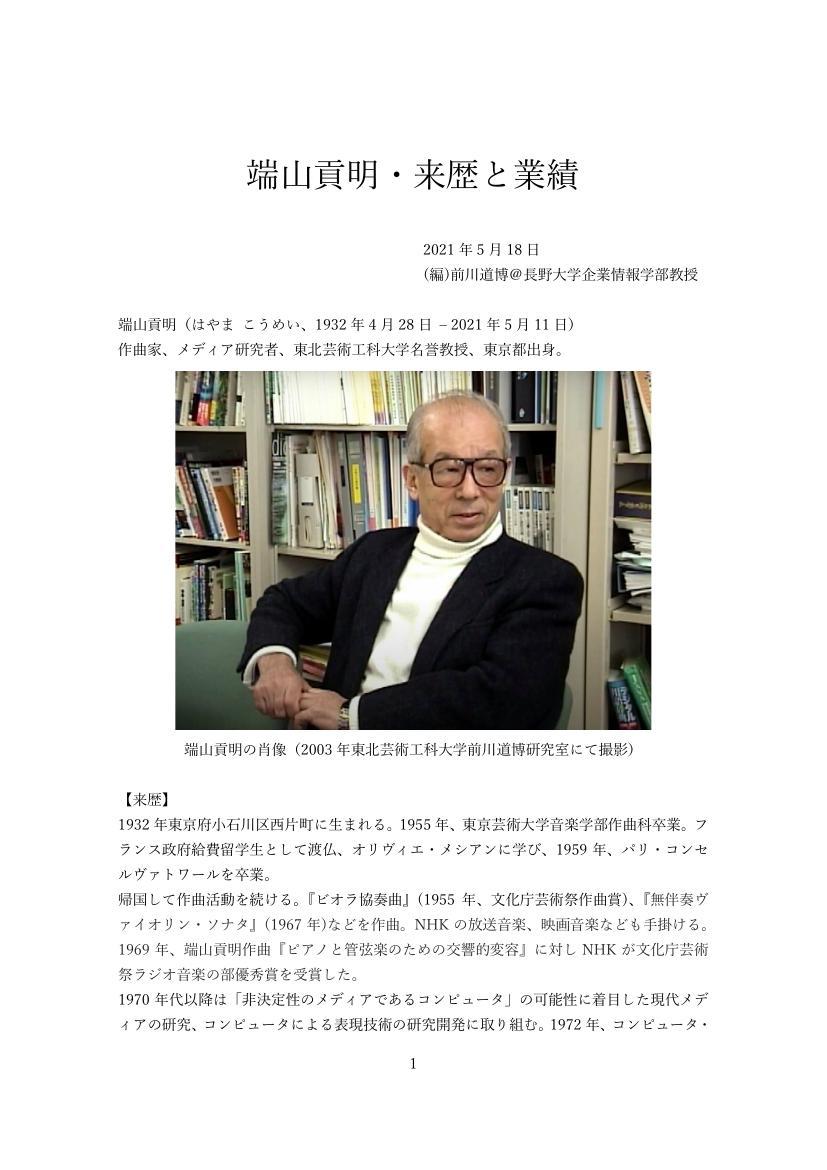
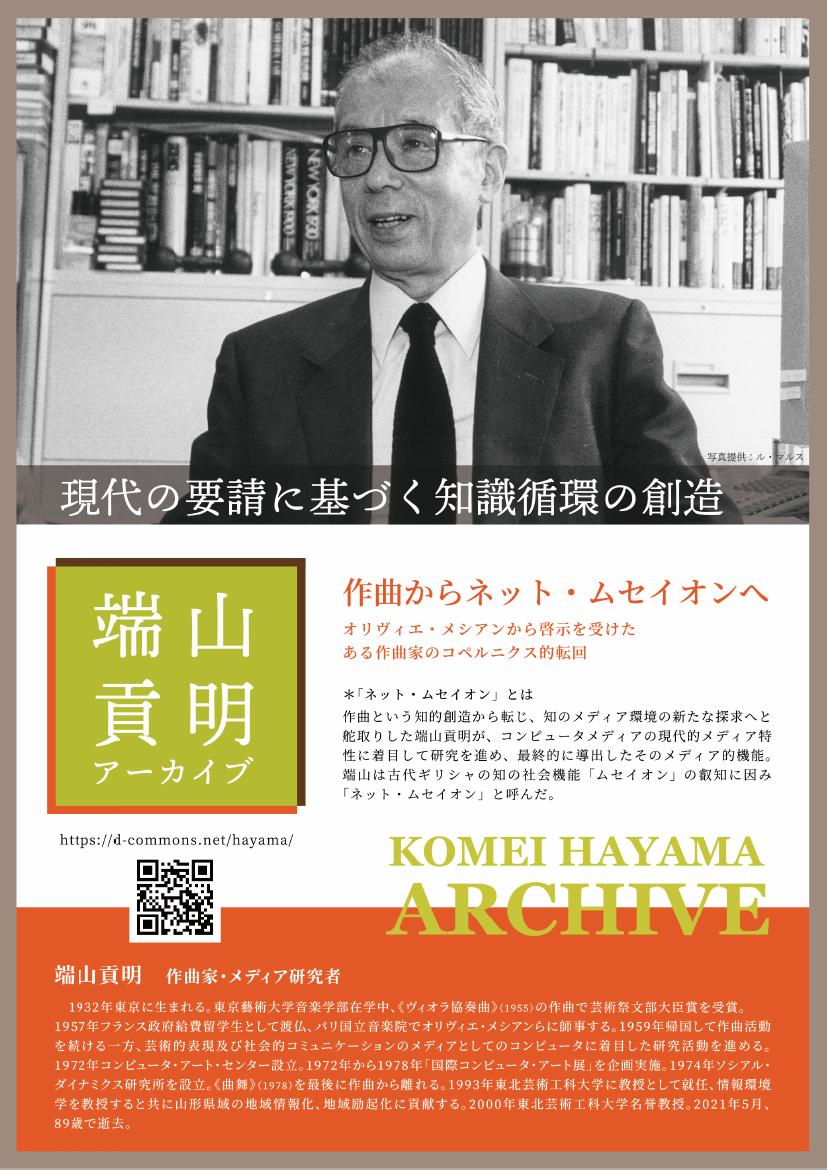
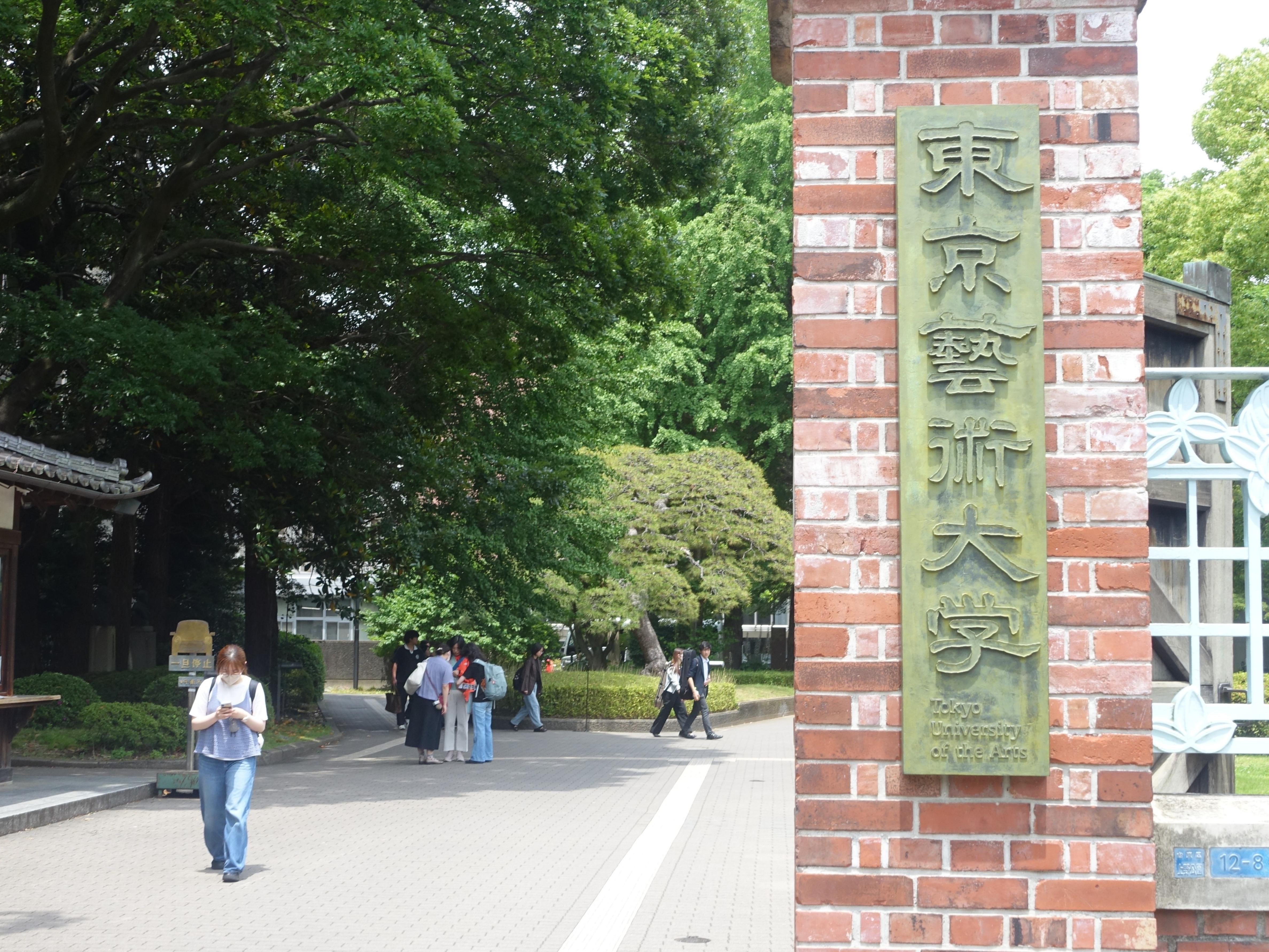
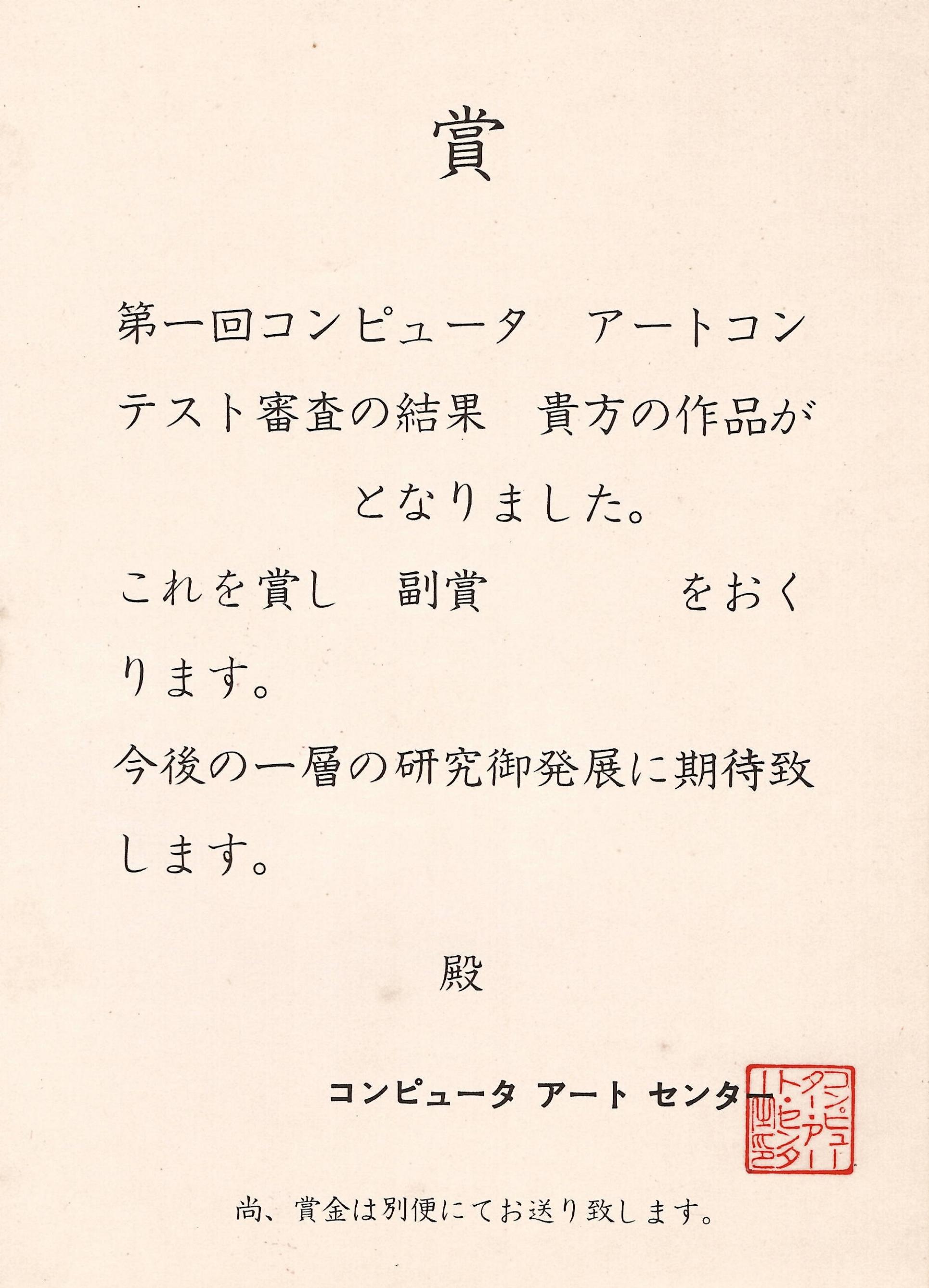
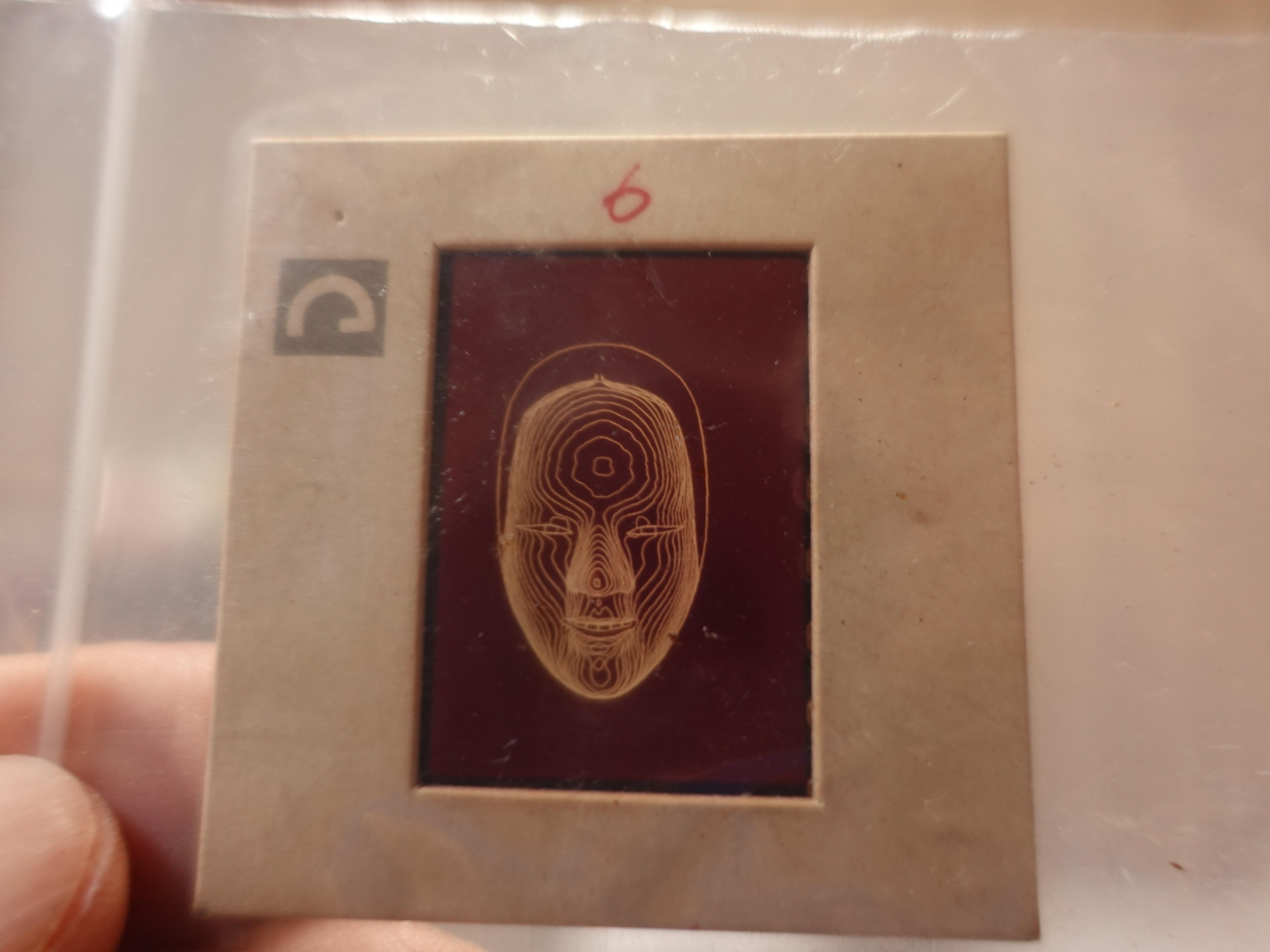
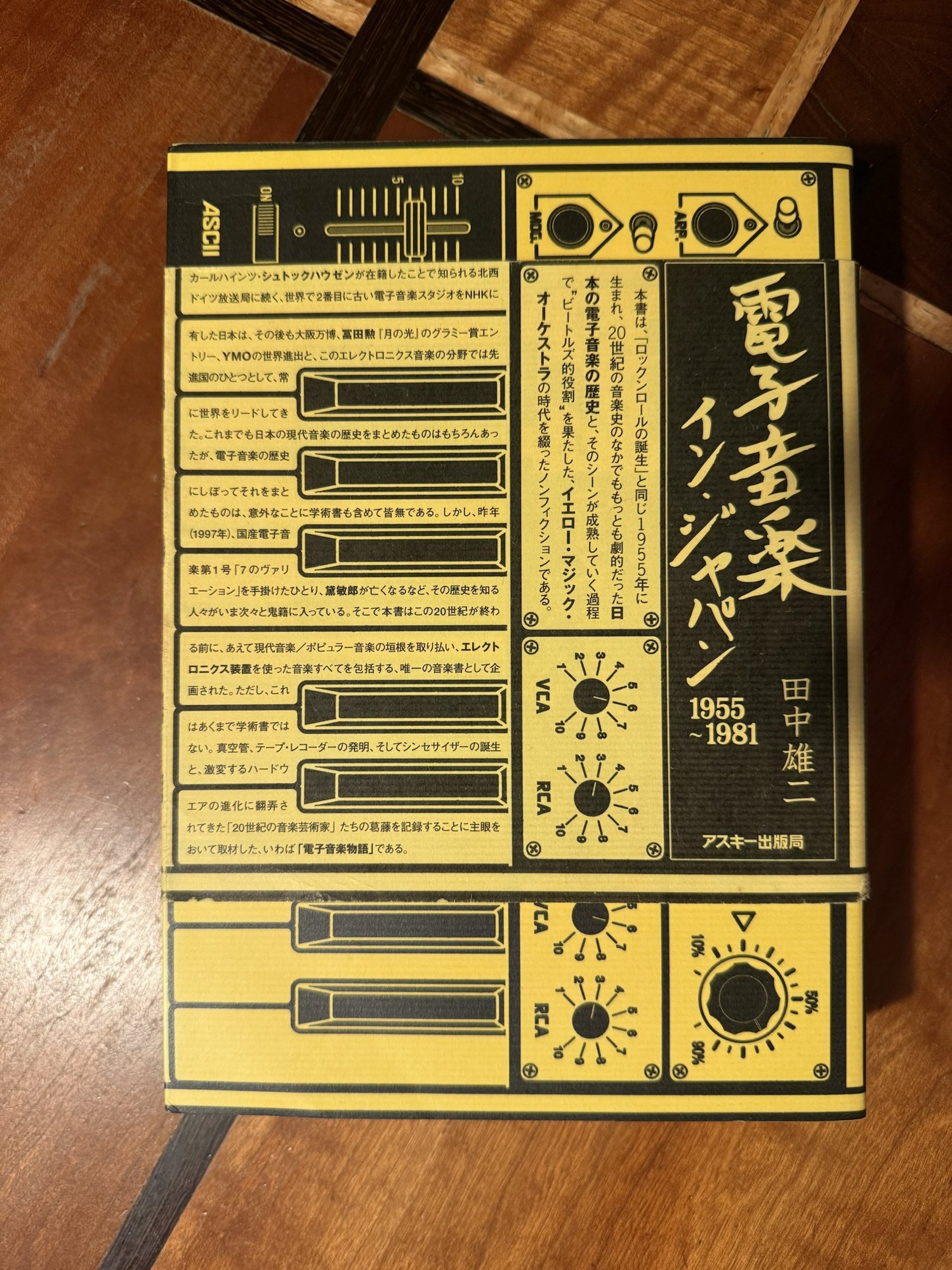
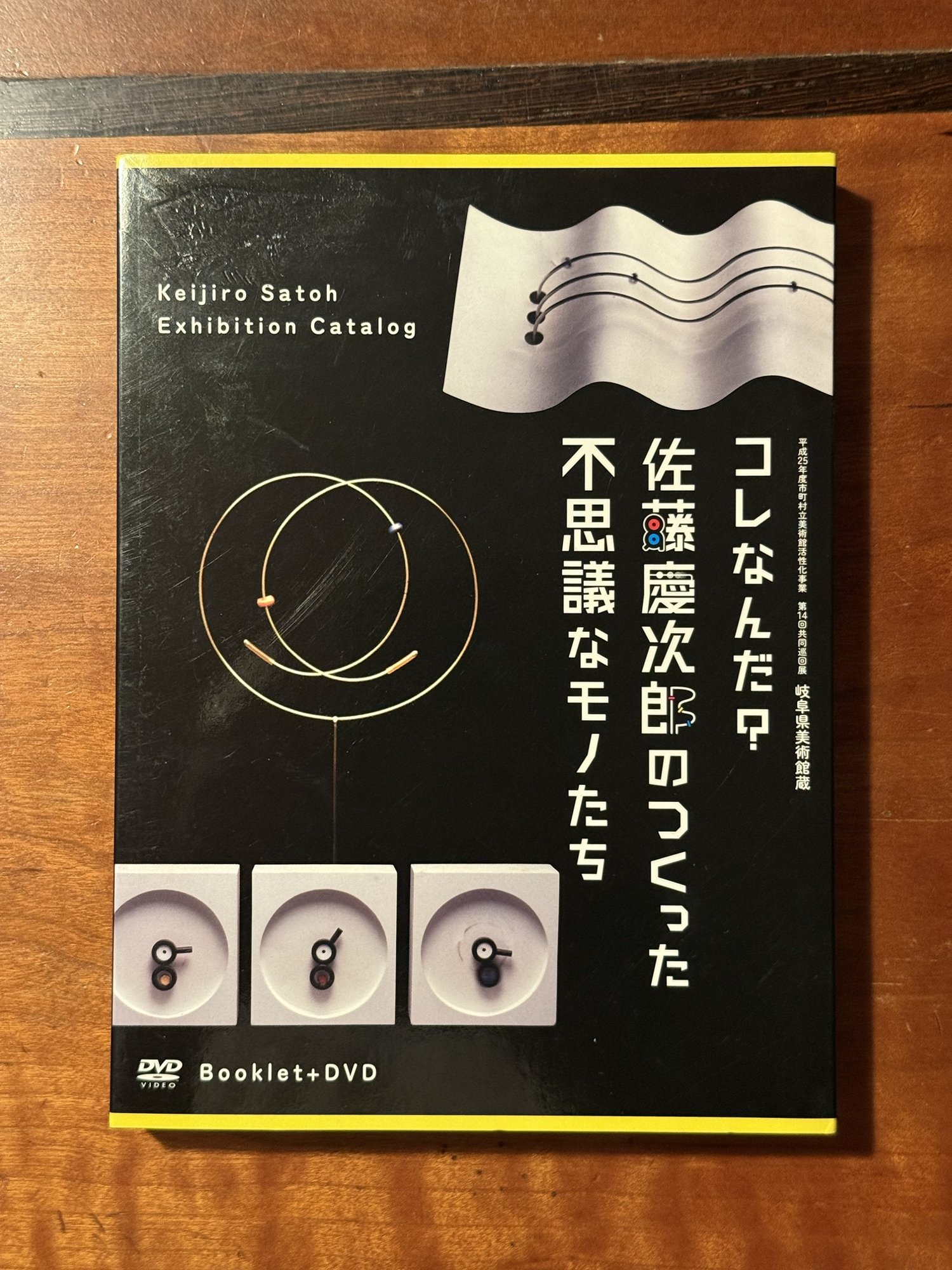
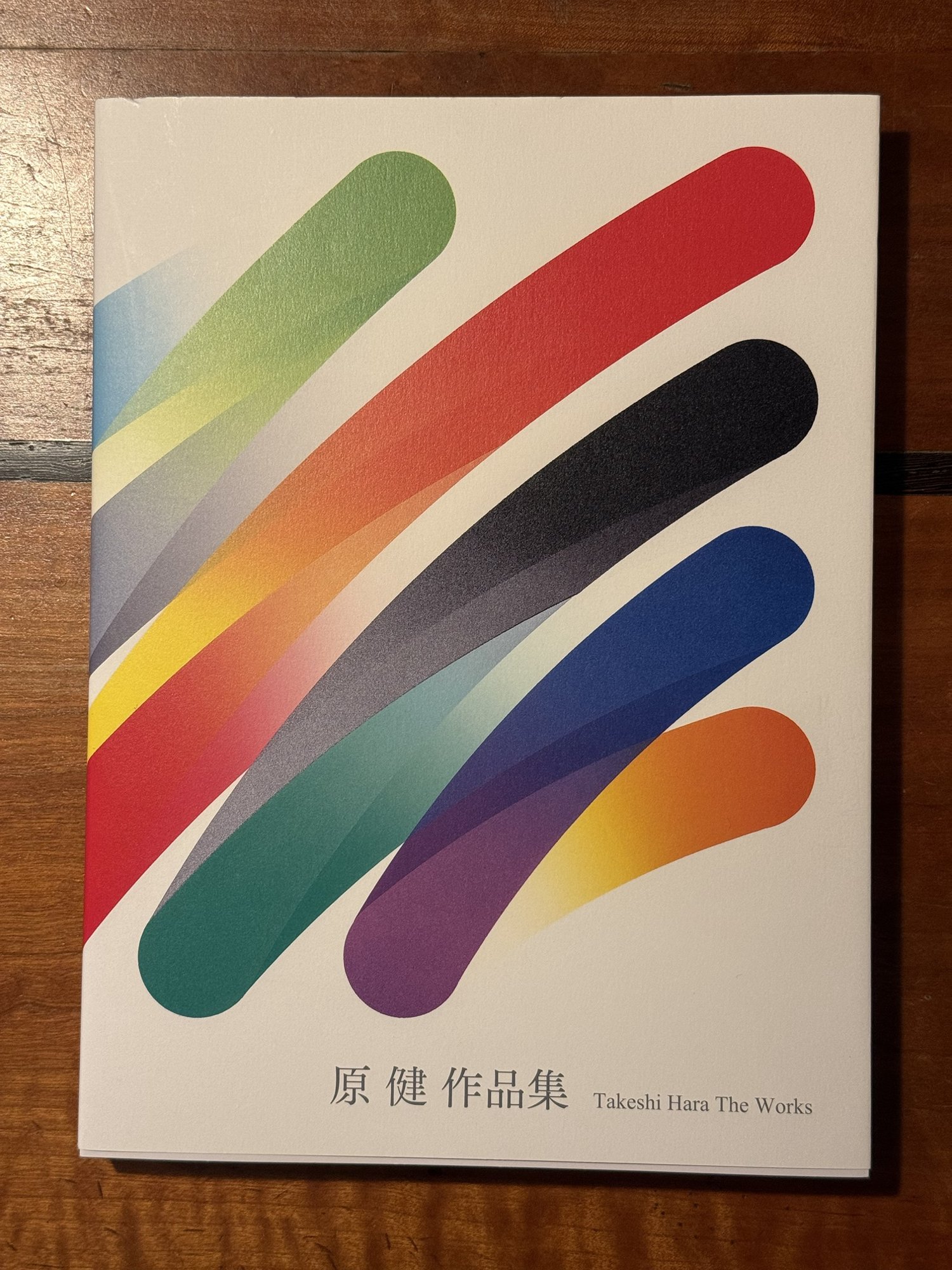
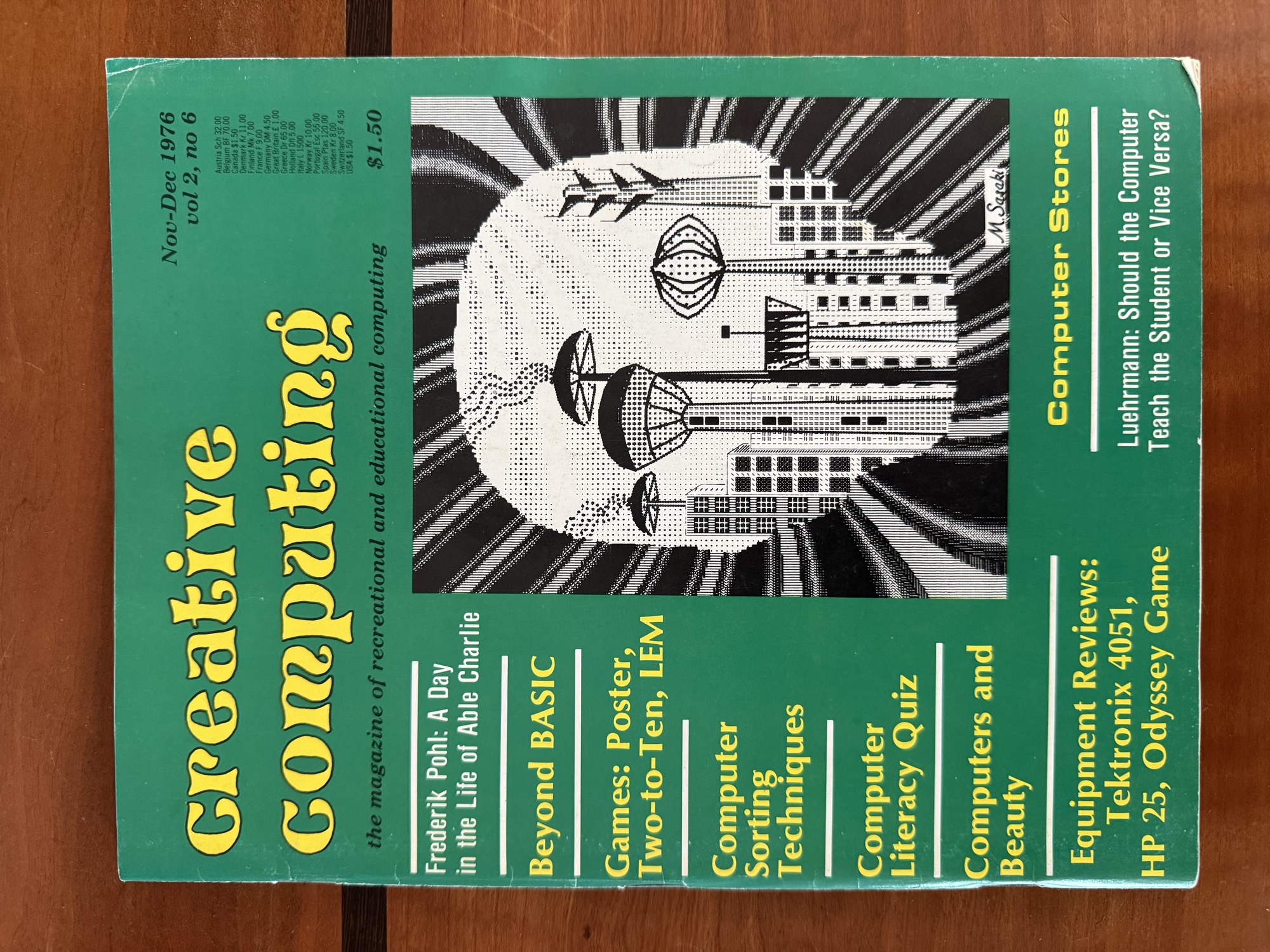
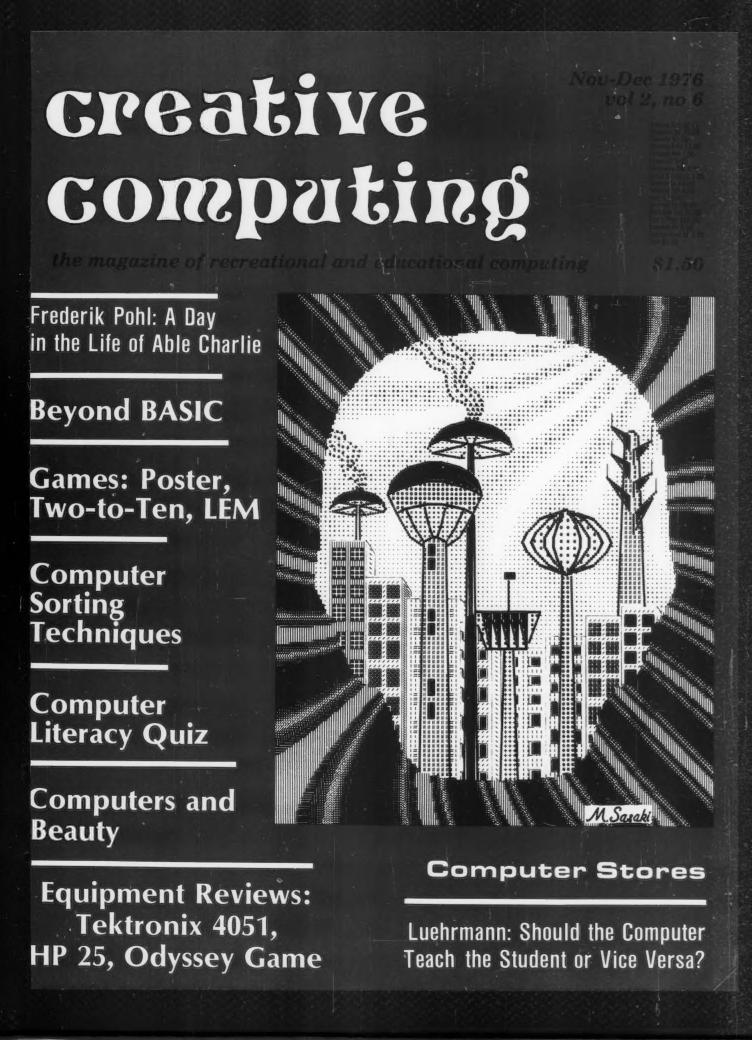
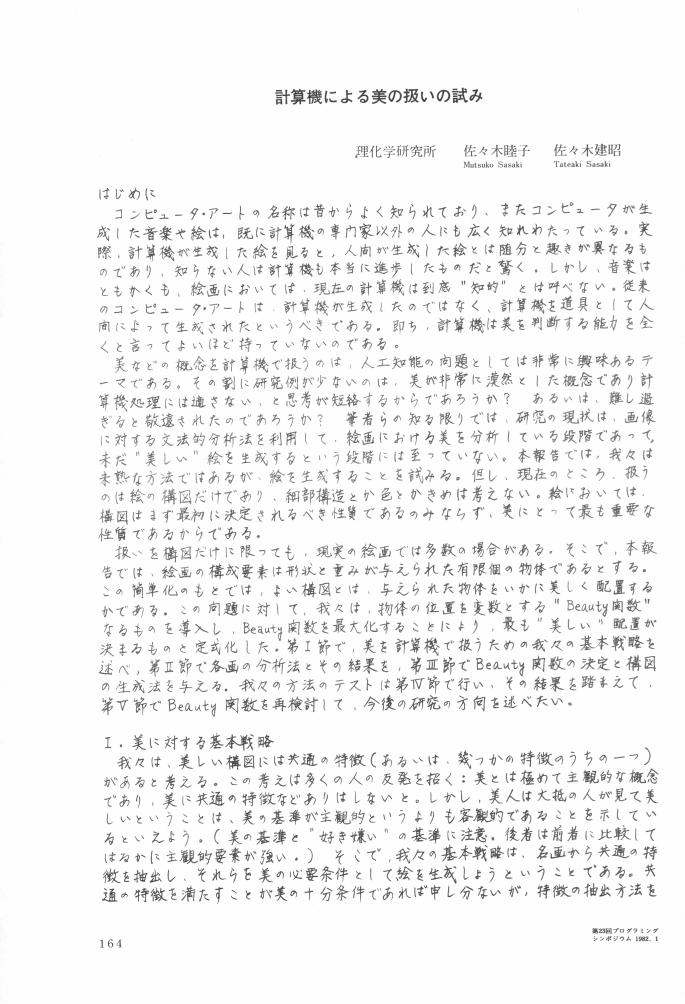
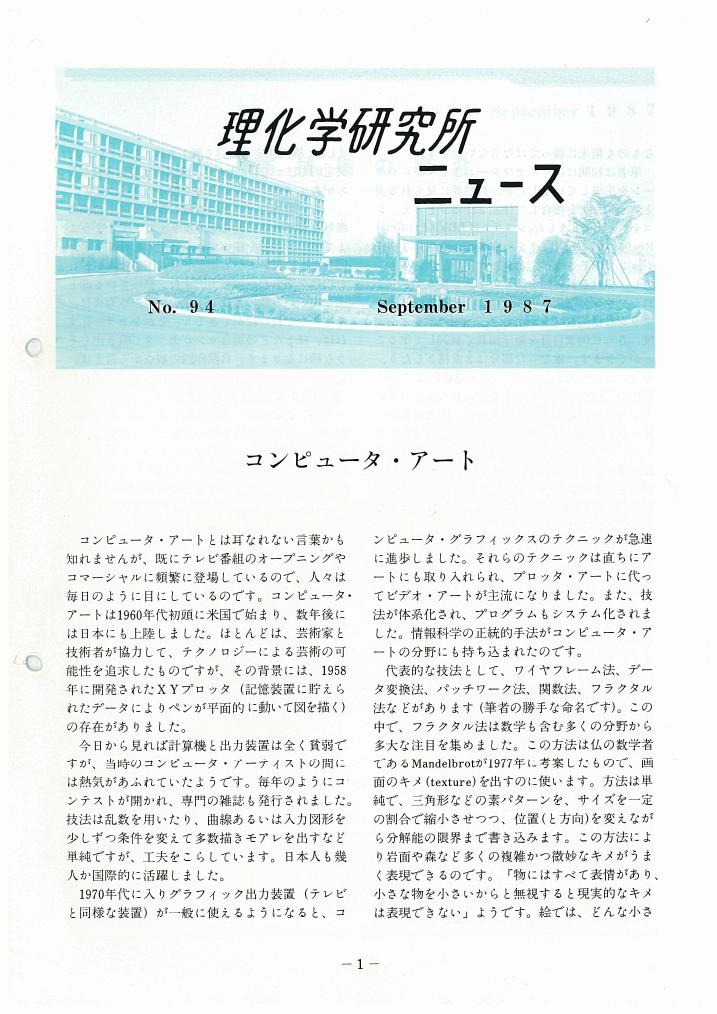
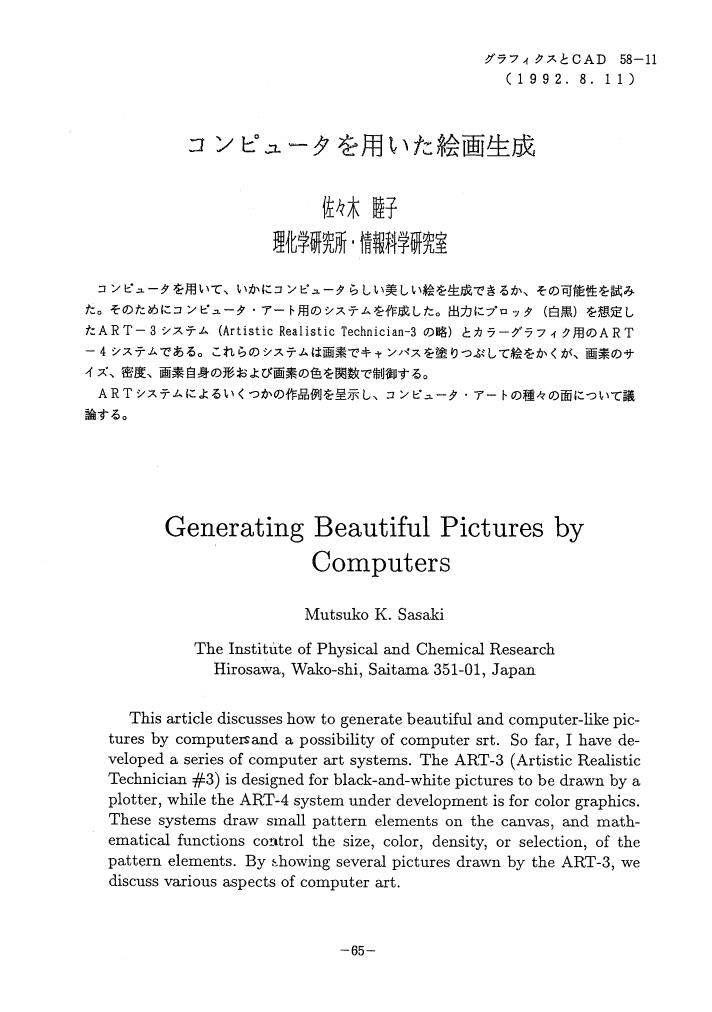
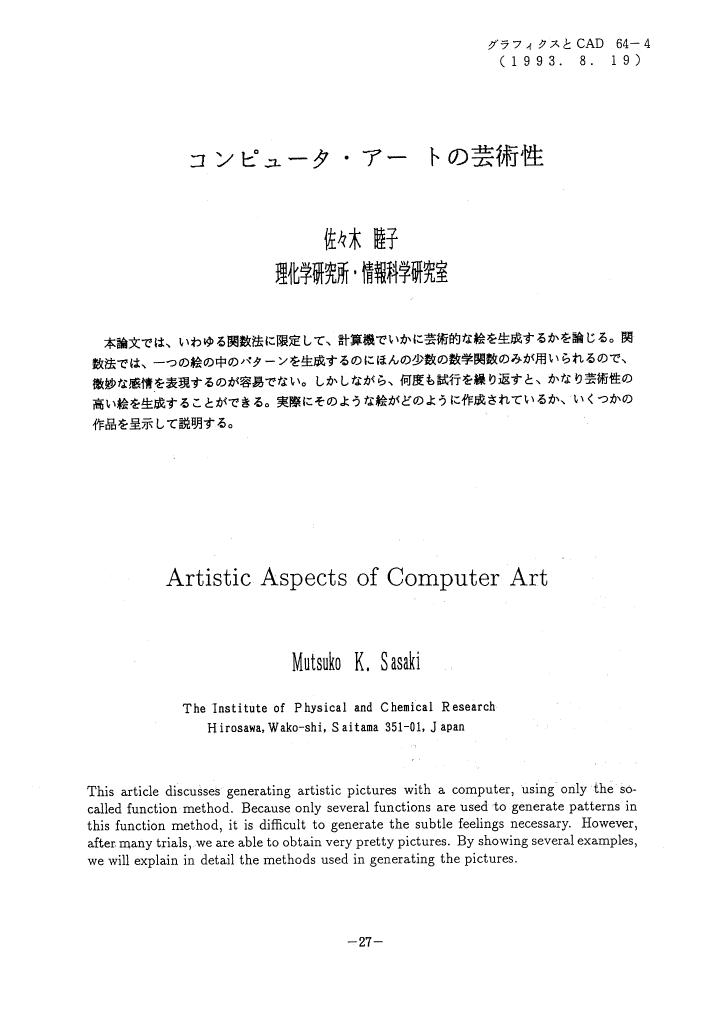
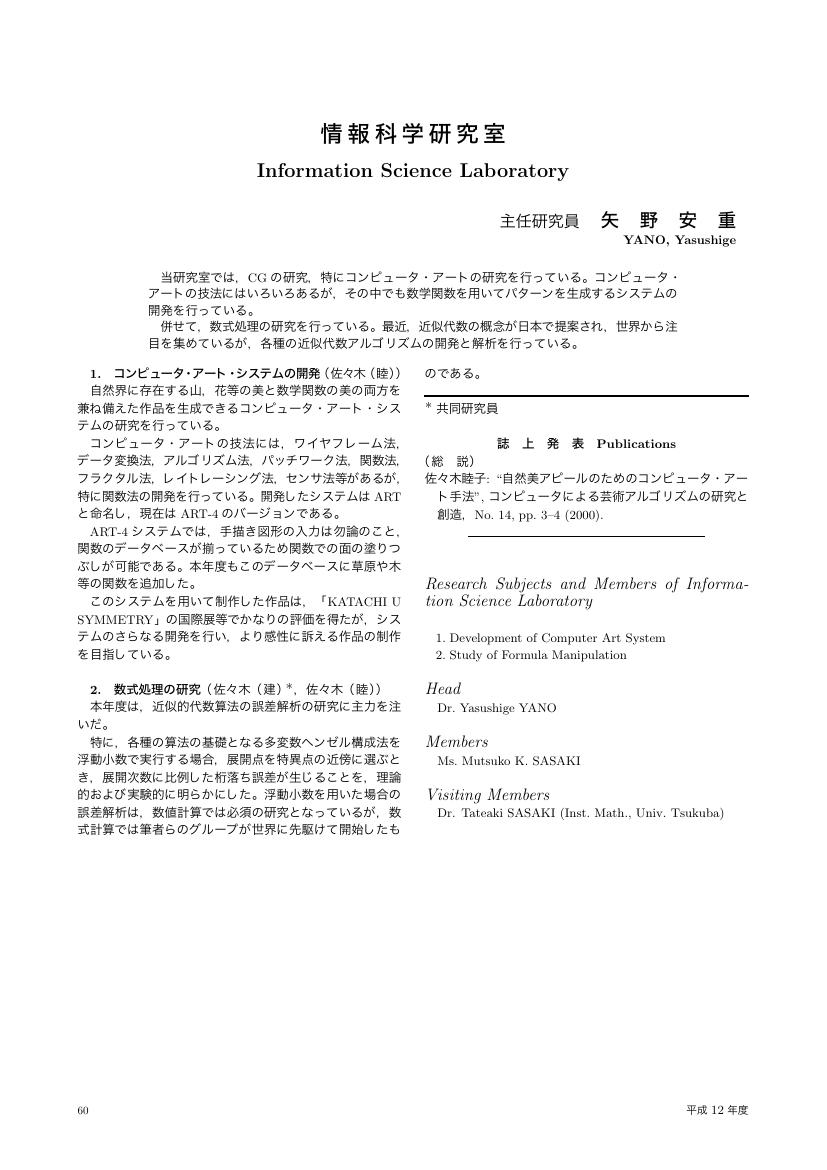
Japan has its own line through the history of computer art, and this corner of the library follows it. Hiroshi Kawano, a philosopher of aesthetics who had read Max Bense, made the country's first computer images on an OKITAC 5090A in 1964; the Computer Technique Group followed in 1966–69 and serialised its methods in the design press; Mutsuko Sasaki drew flowers by computer and published them in the American journals; the composer and information theorist Kōmei Hayama left an archive that is here almost complete. Beside them sit the printmaker Takeshi Hara, whose roller-blurred gradients descend from the ichimonji-bokashi of ukiyo-e, the composer-turned-object-maker Keijiro Satoh, and the electronic-music history that began at NHK in 1955.
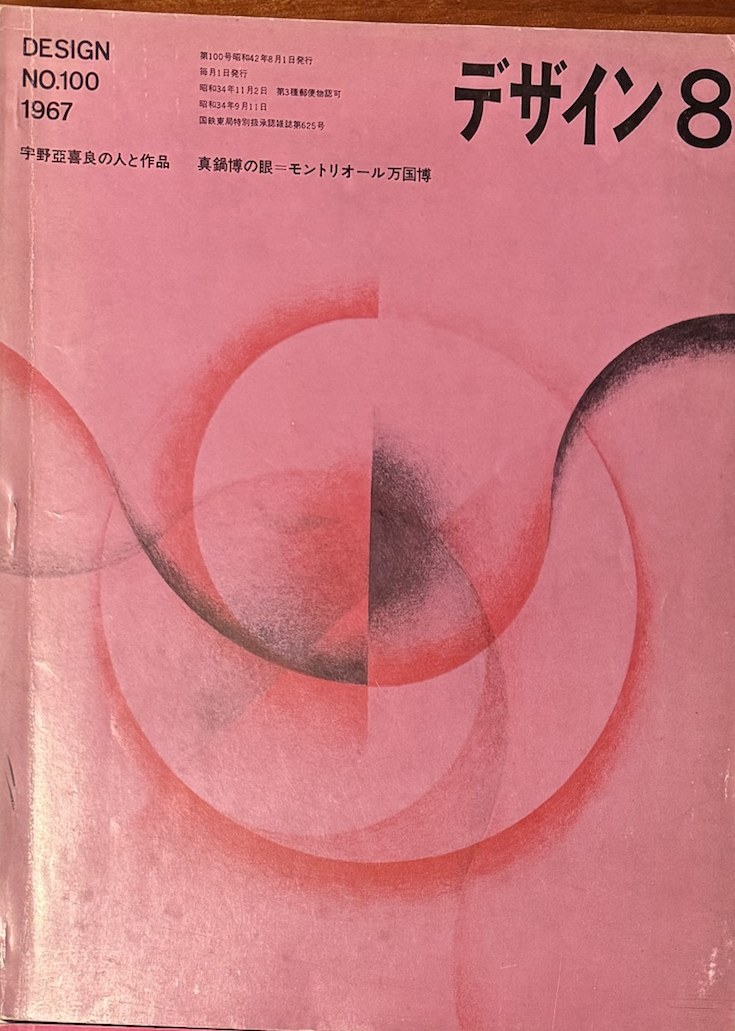
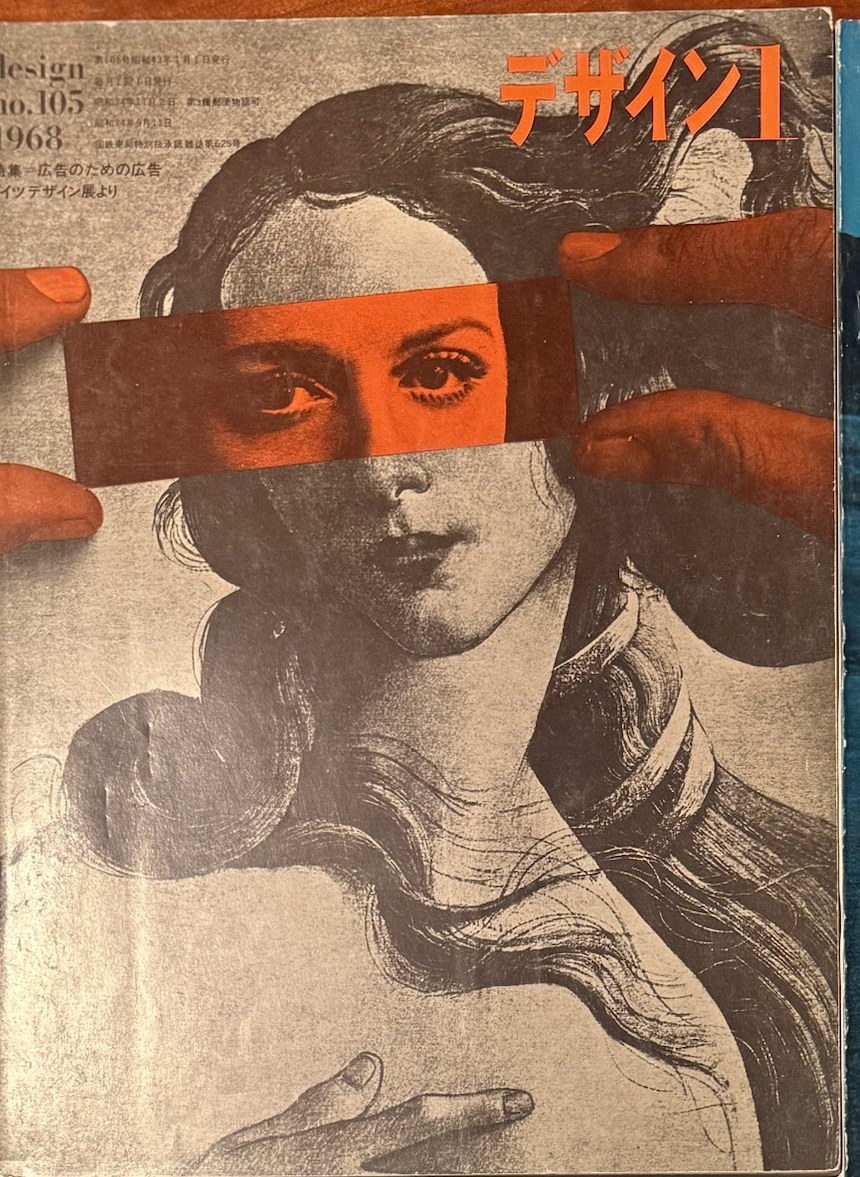
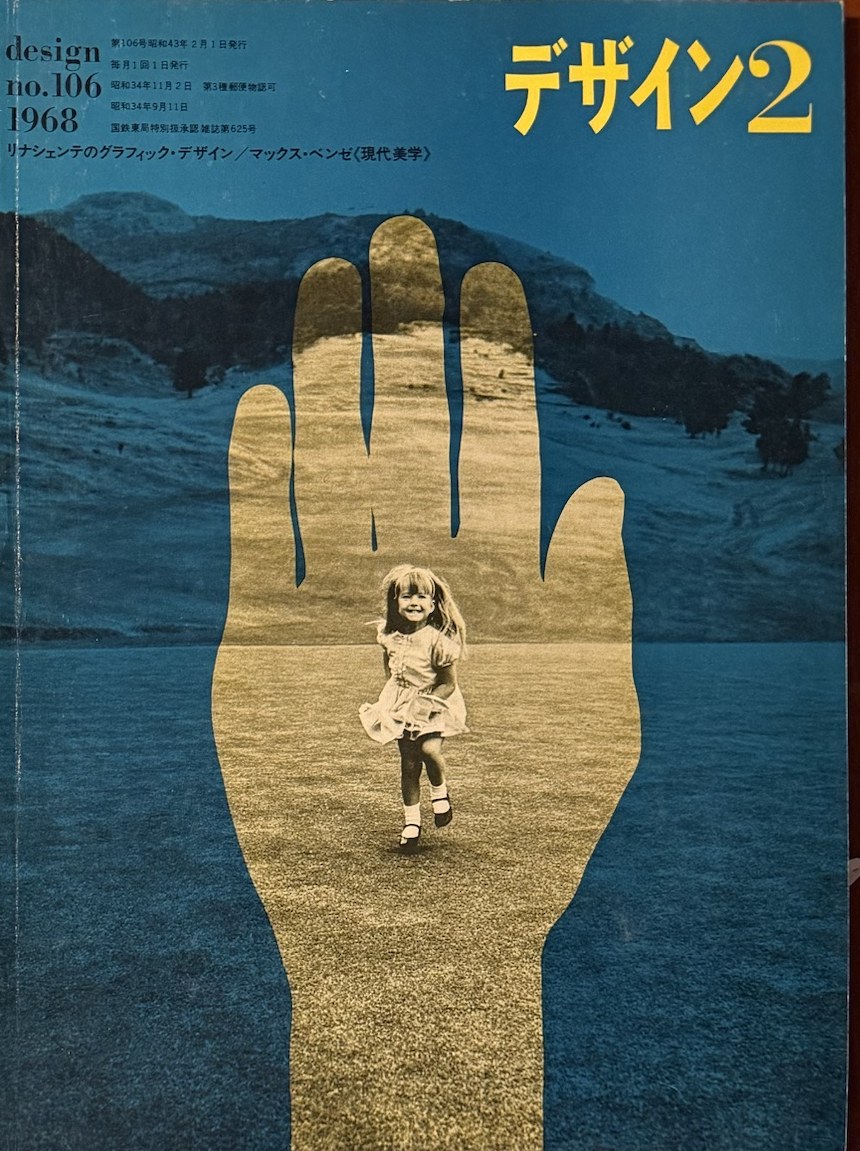
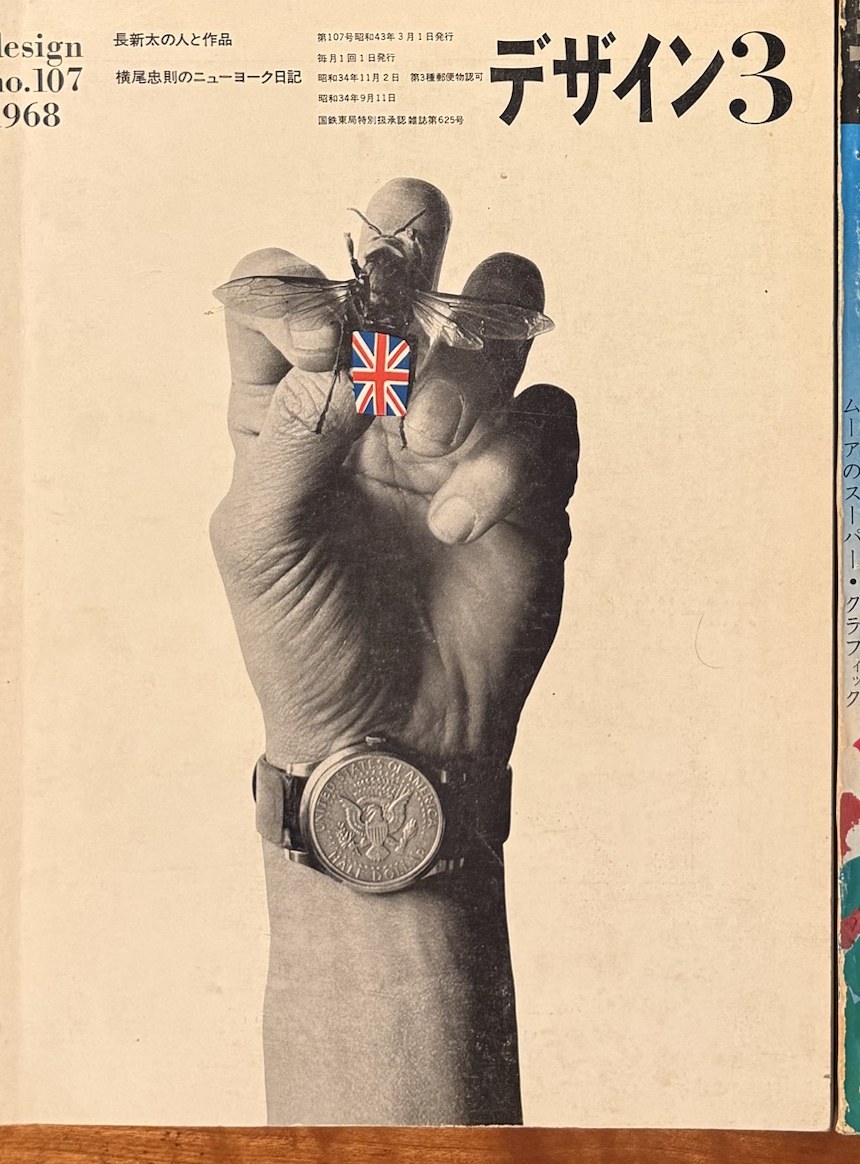
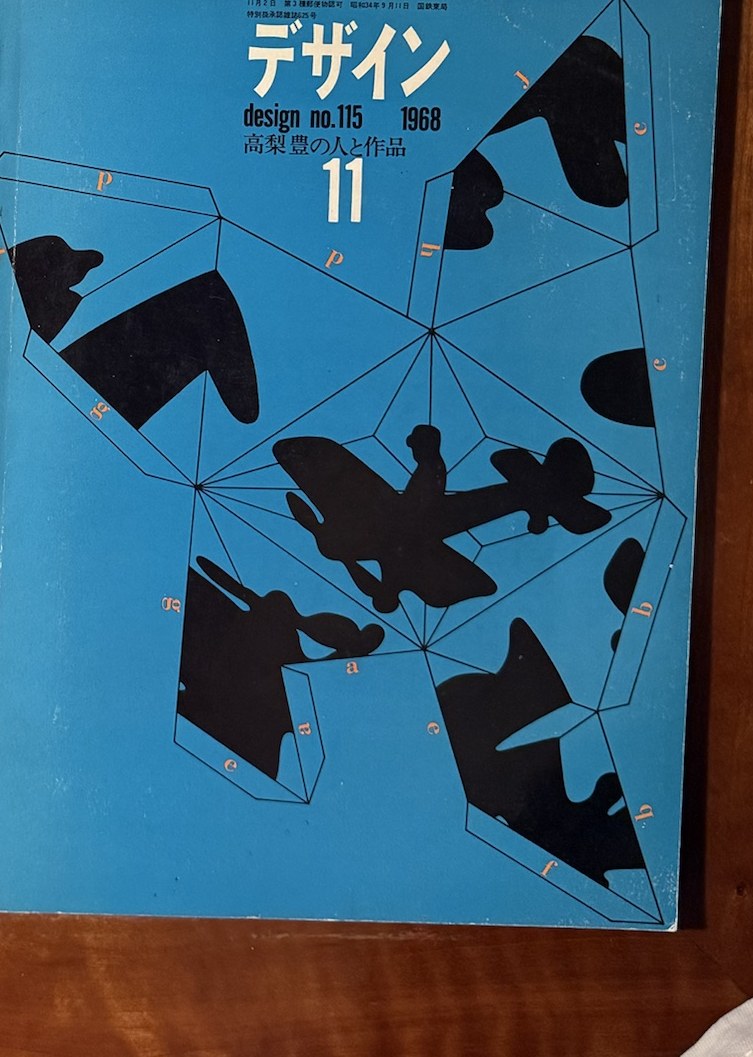
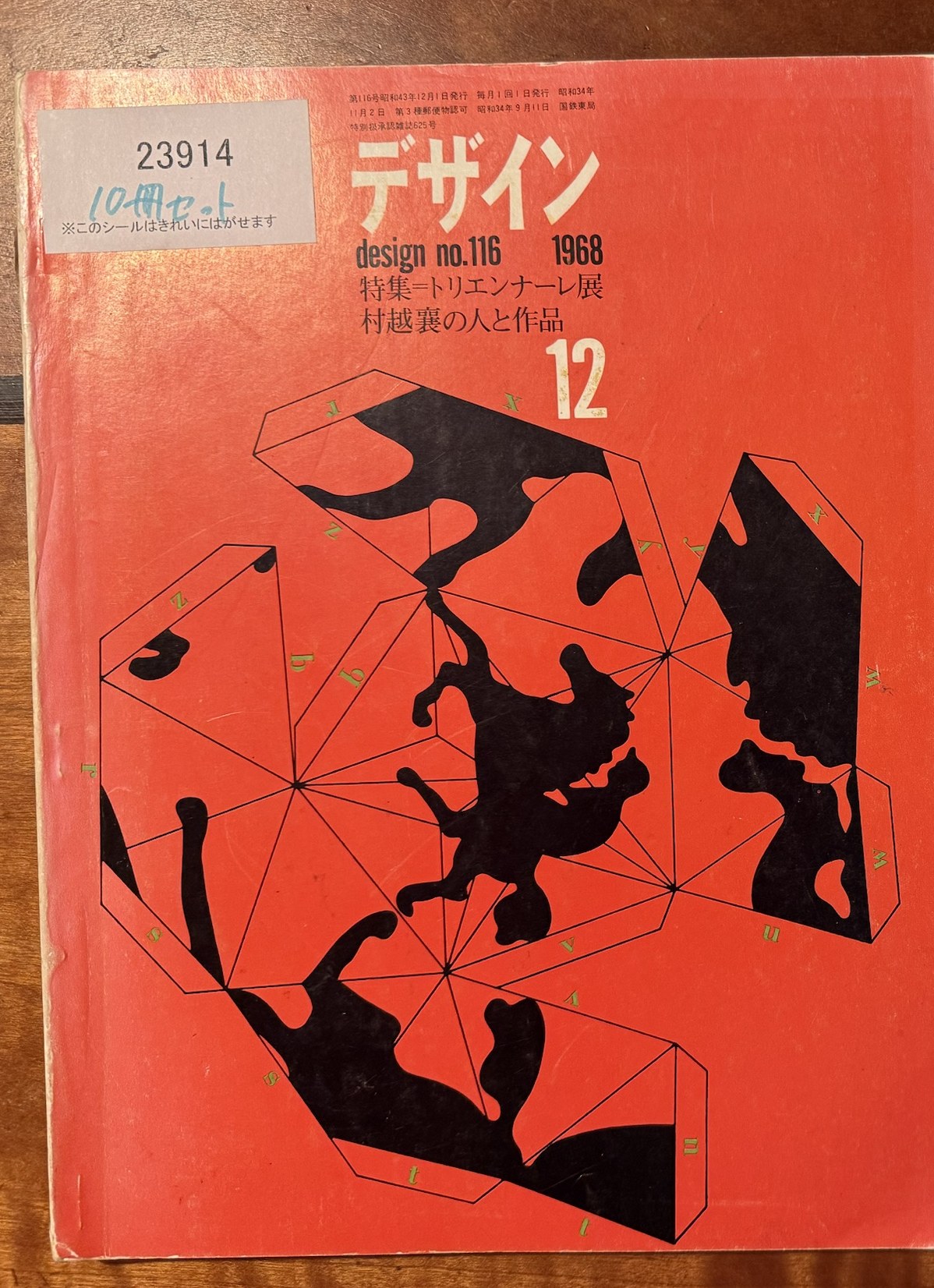
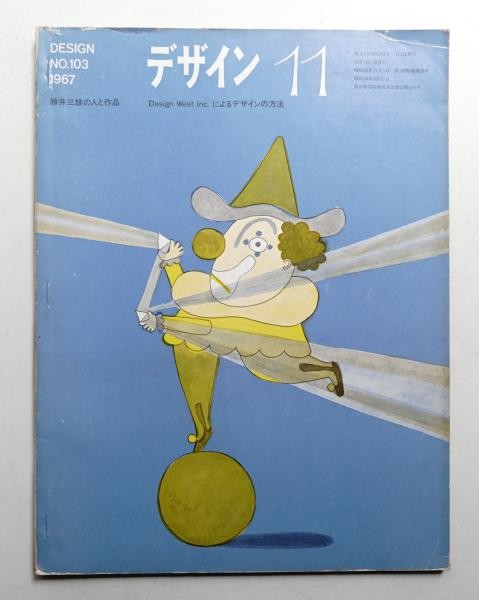
Most of the paper was bought in Japan in the autumn of 2026 and some of it is still in transit; the shelf below fills in as the boxes arrive. The Design(デザイン) run of 1967–68 is here because it carried CTG's “Graphic Design by Computer”, the Hayama archive because its holders published it under an open licence, and the rest because the Japanese side of this story is thinly documented in English and deserves a shelf of its own.
18 items on the shelf · 39 on the way · 90 digital references across 37 artists
On the shelf
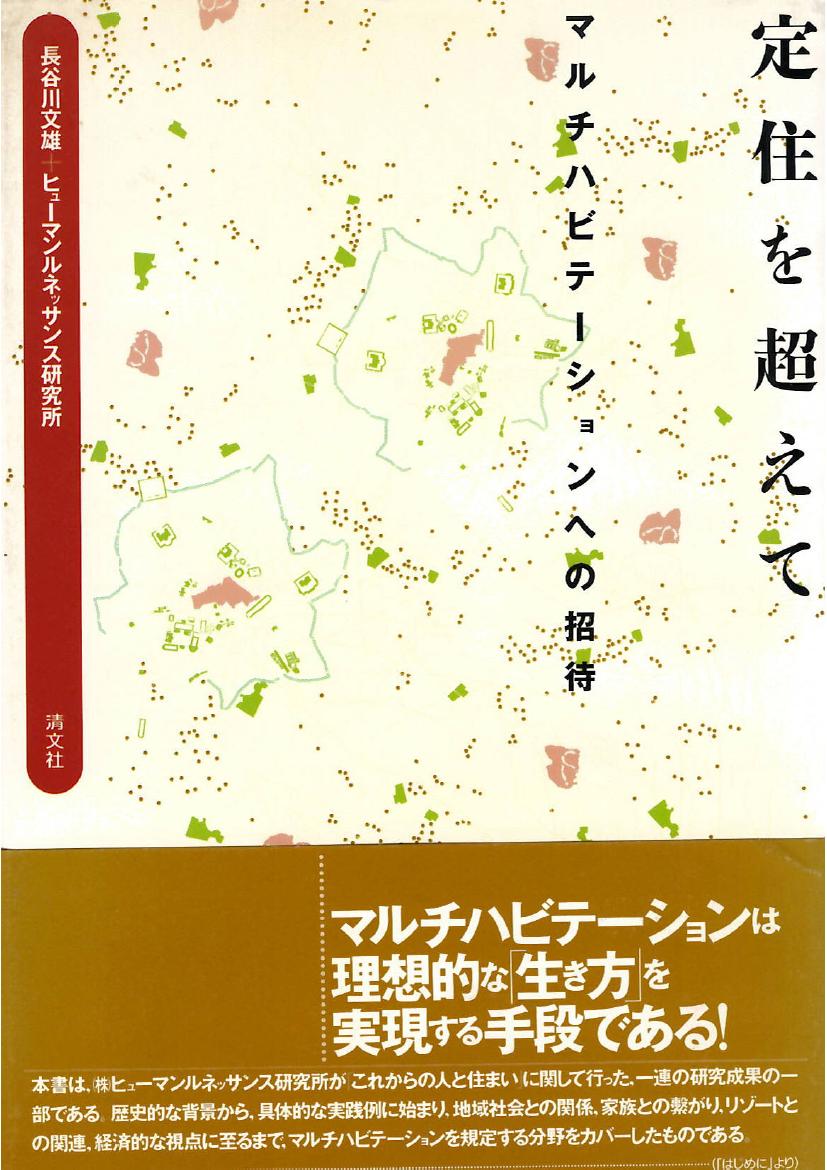
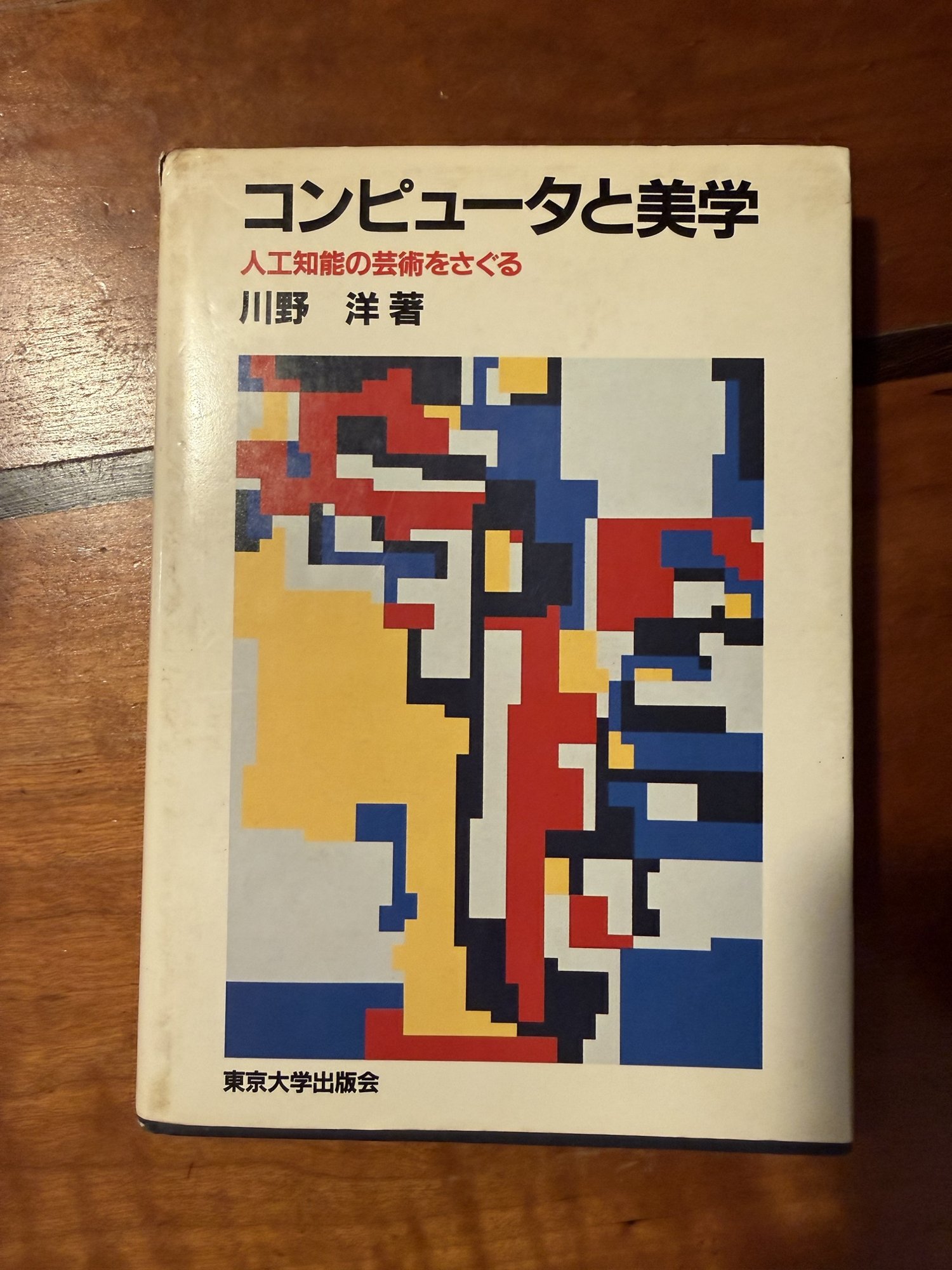
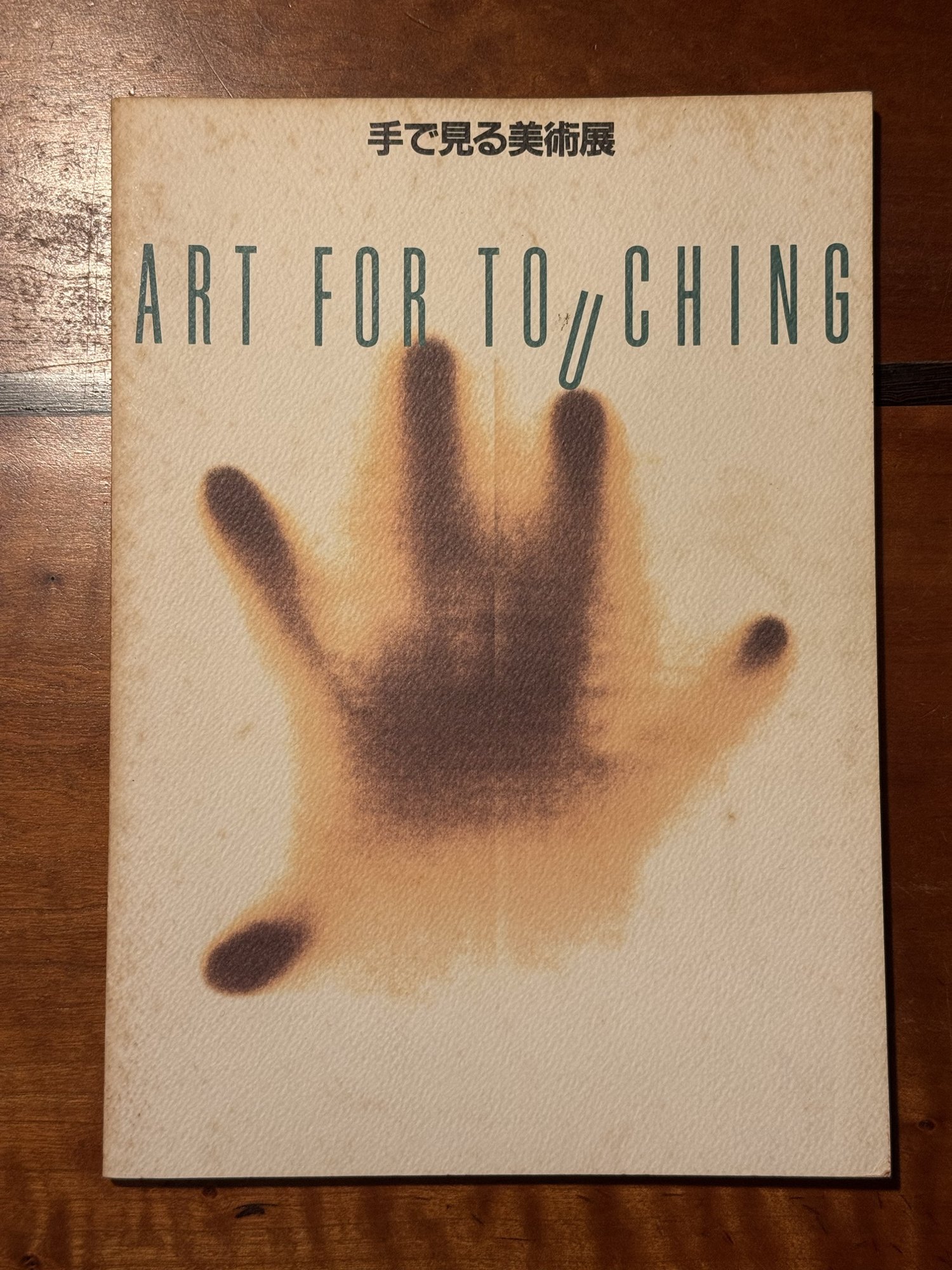
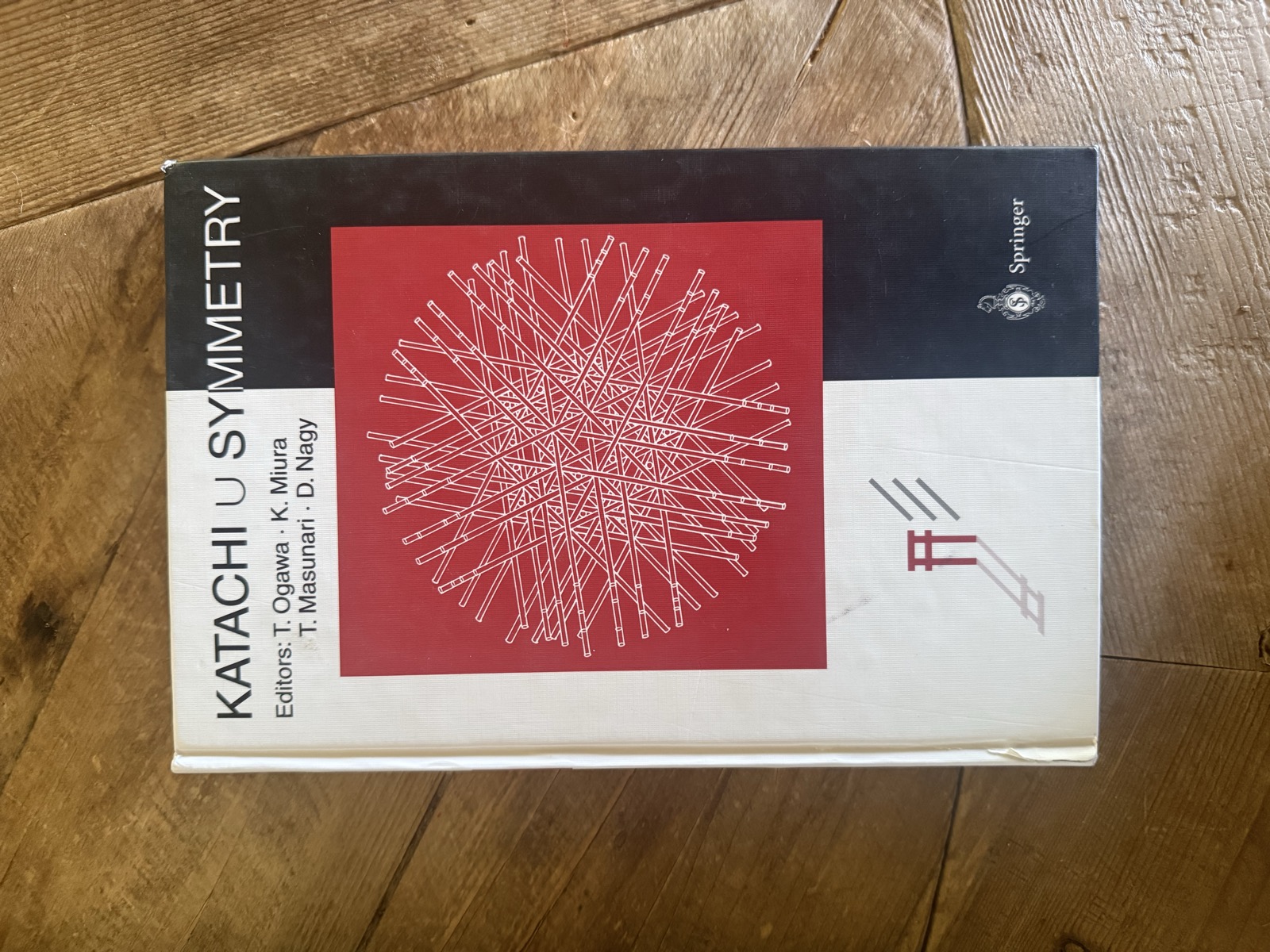
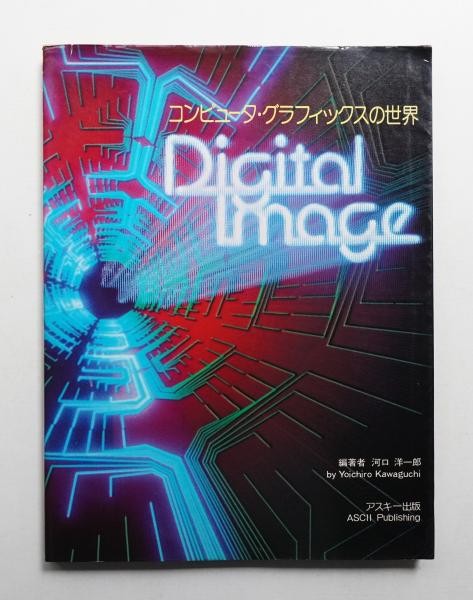
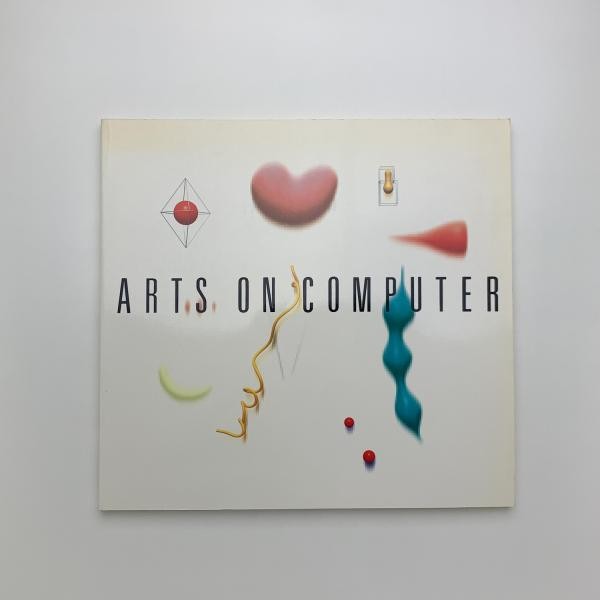
Books and exhibition catalogues in hand — Kawano's aesthetics, the Hara monographs, the Tama and Seibu catalogues, Tanaka's history of electronic music — photographed as they arrive.
Magazines
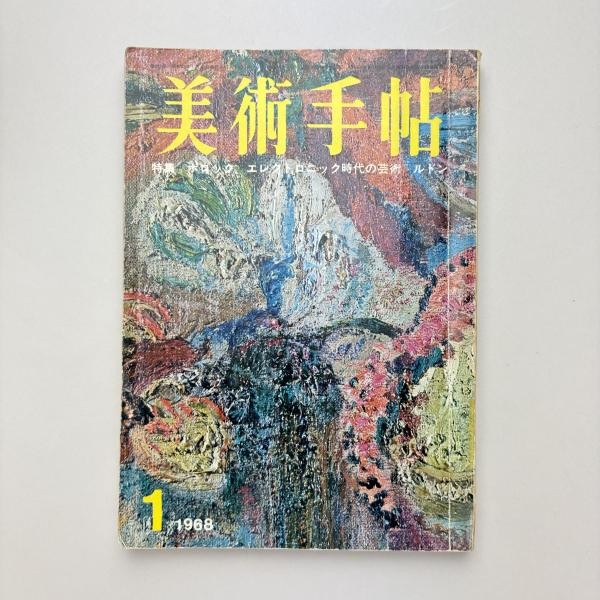
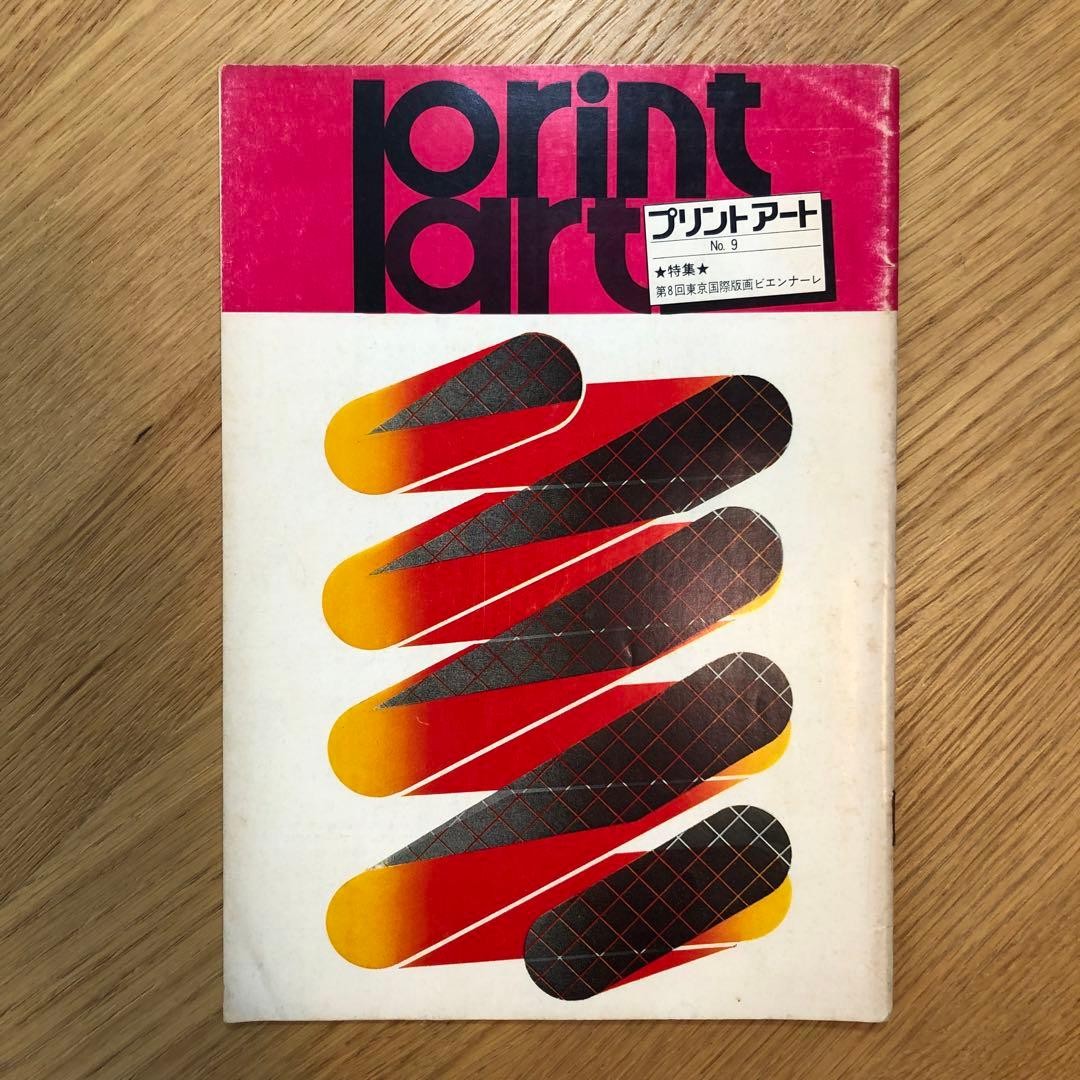
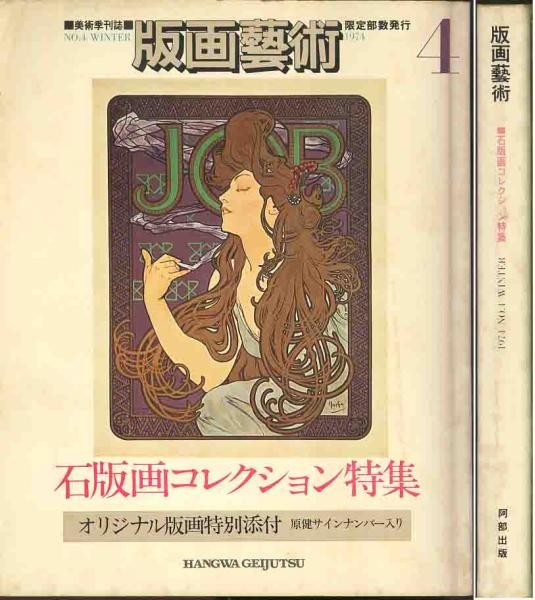
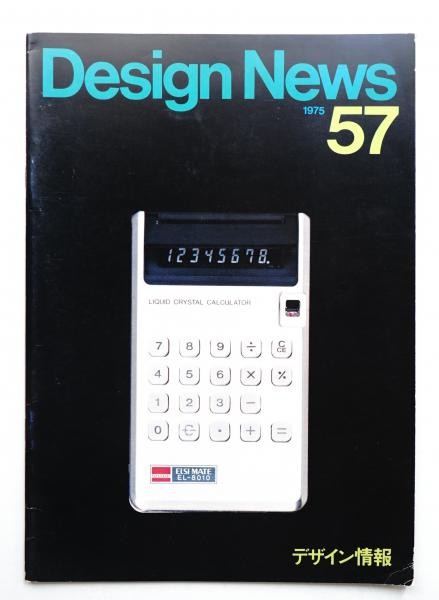
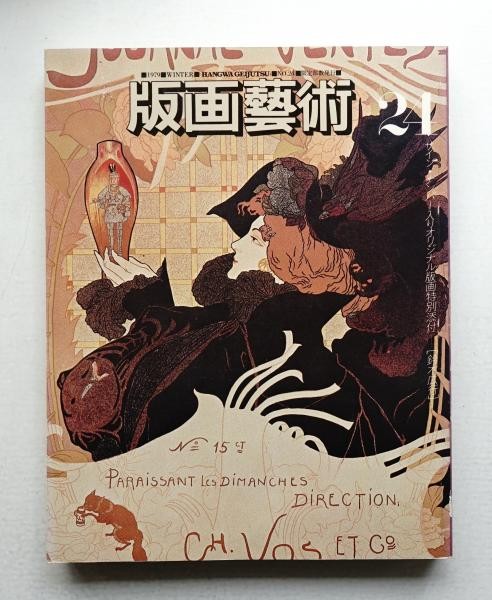
The periodicals that carried this work as it happened: Design, Graphic Design, Hanga Geijutsu, Bijutsu Techō and their kin.
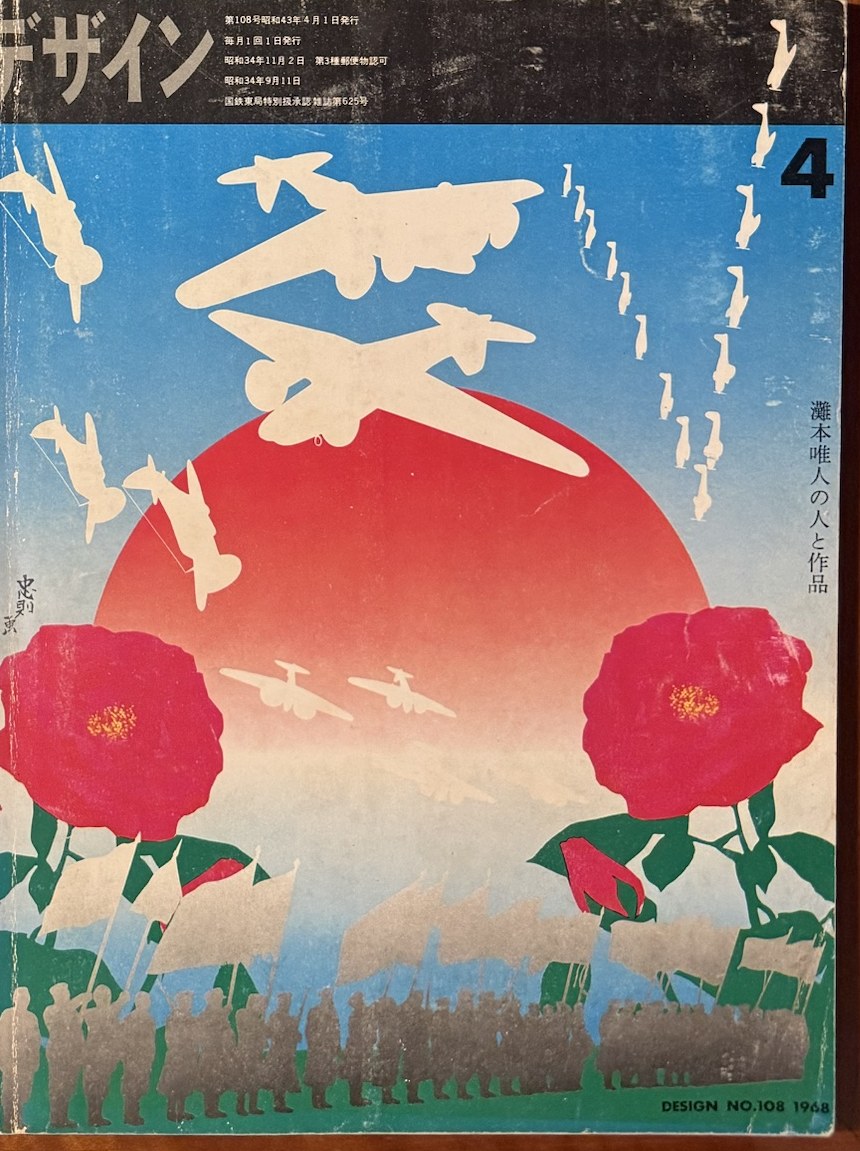
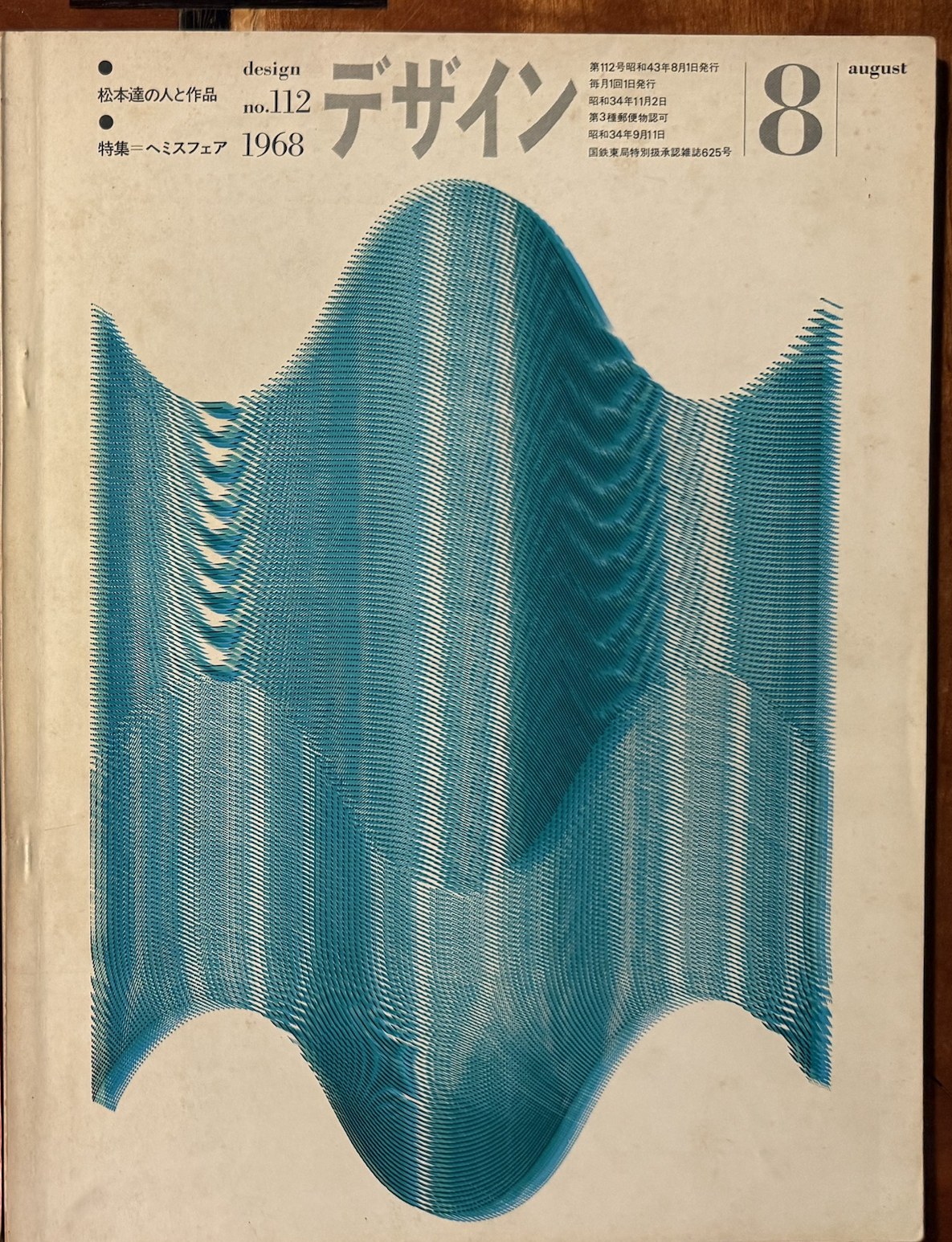
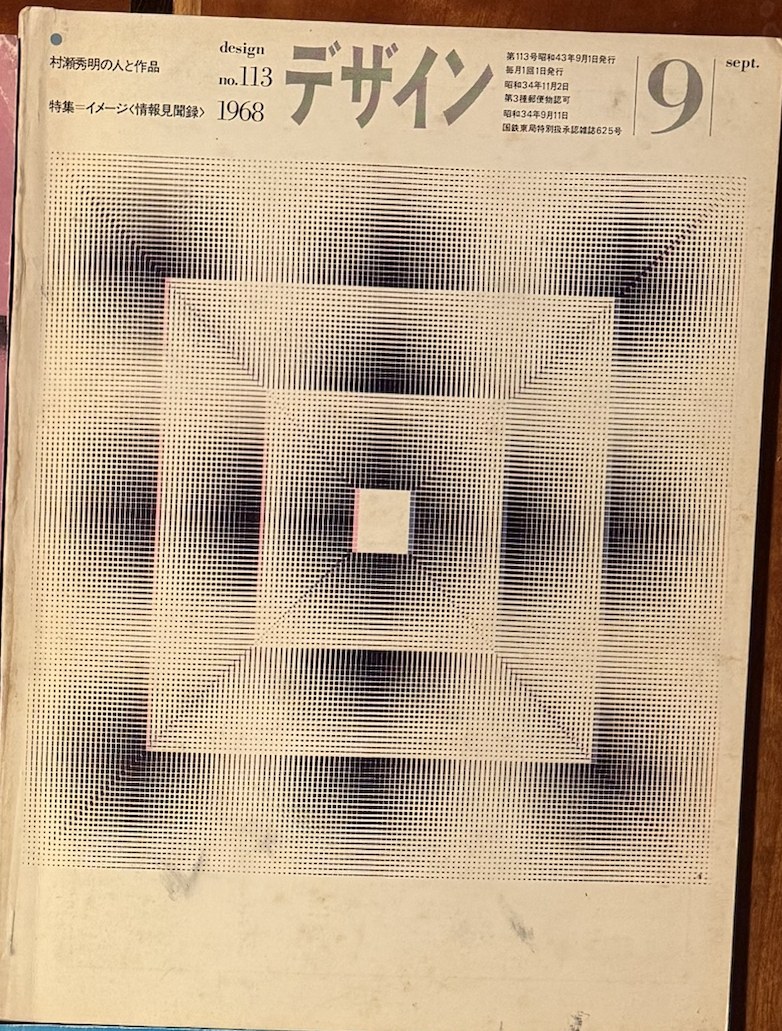
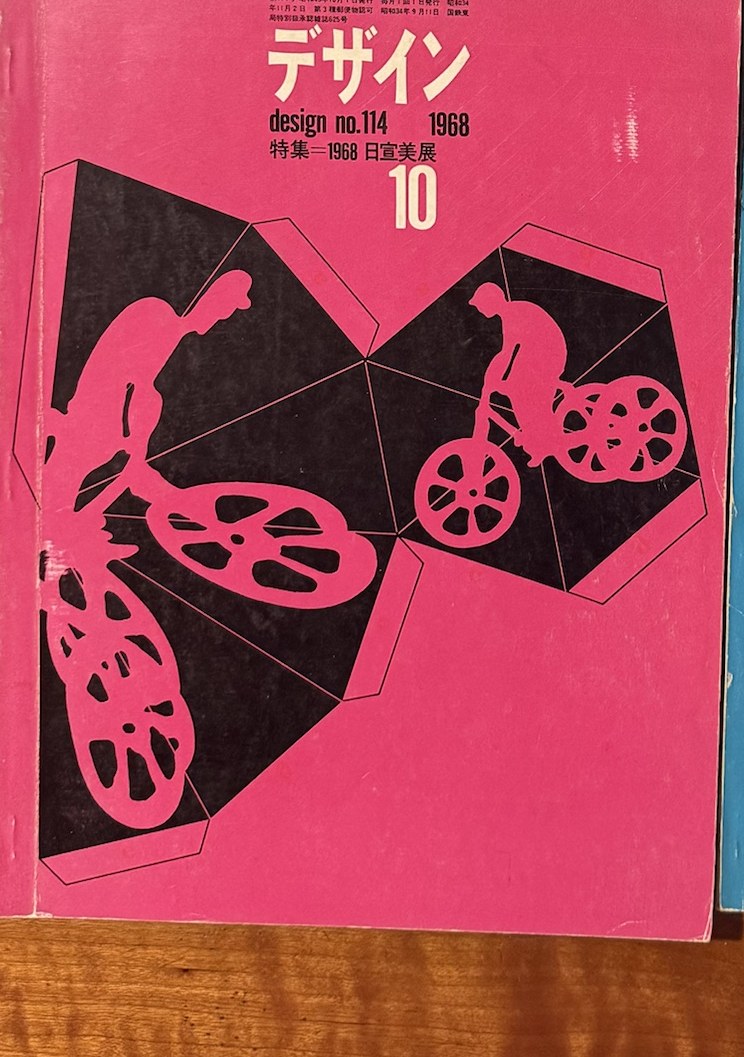
On the way
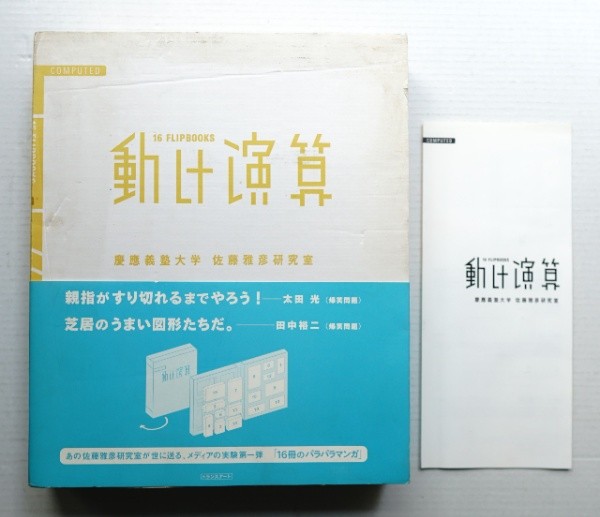
Bought and paid for, somewhere between a Japanese bookshop and this shelf. They move up as they are unpacked and photographed.
Reading
Digital references — scans, articles and catalogues — grouped by the person they document; a piece that touches more than one artist appears in each section.
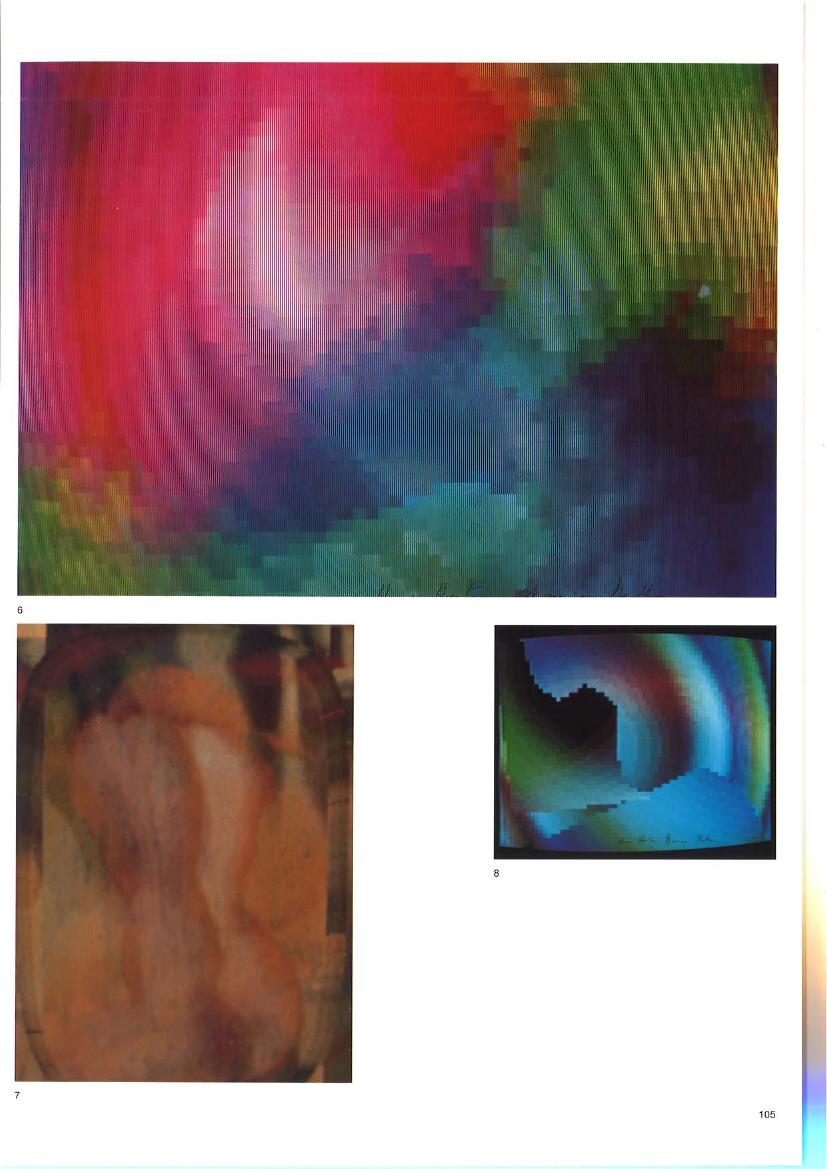
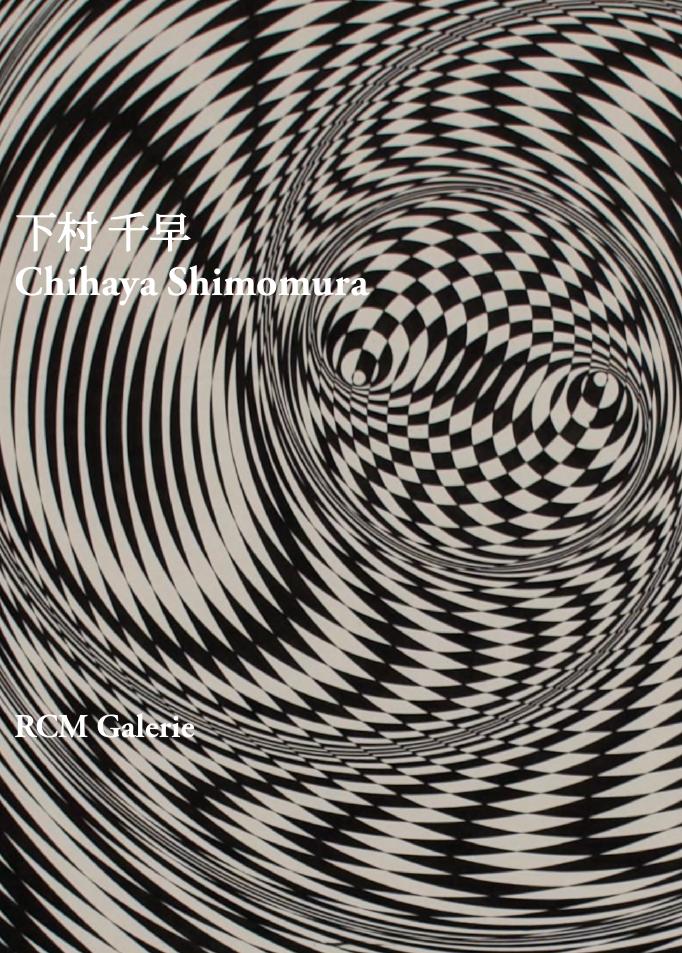
Chihaya Shimomura2 references
Mutsuko K. Sasaki6 references
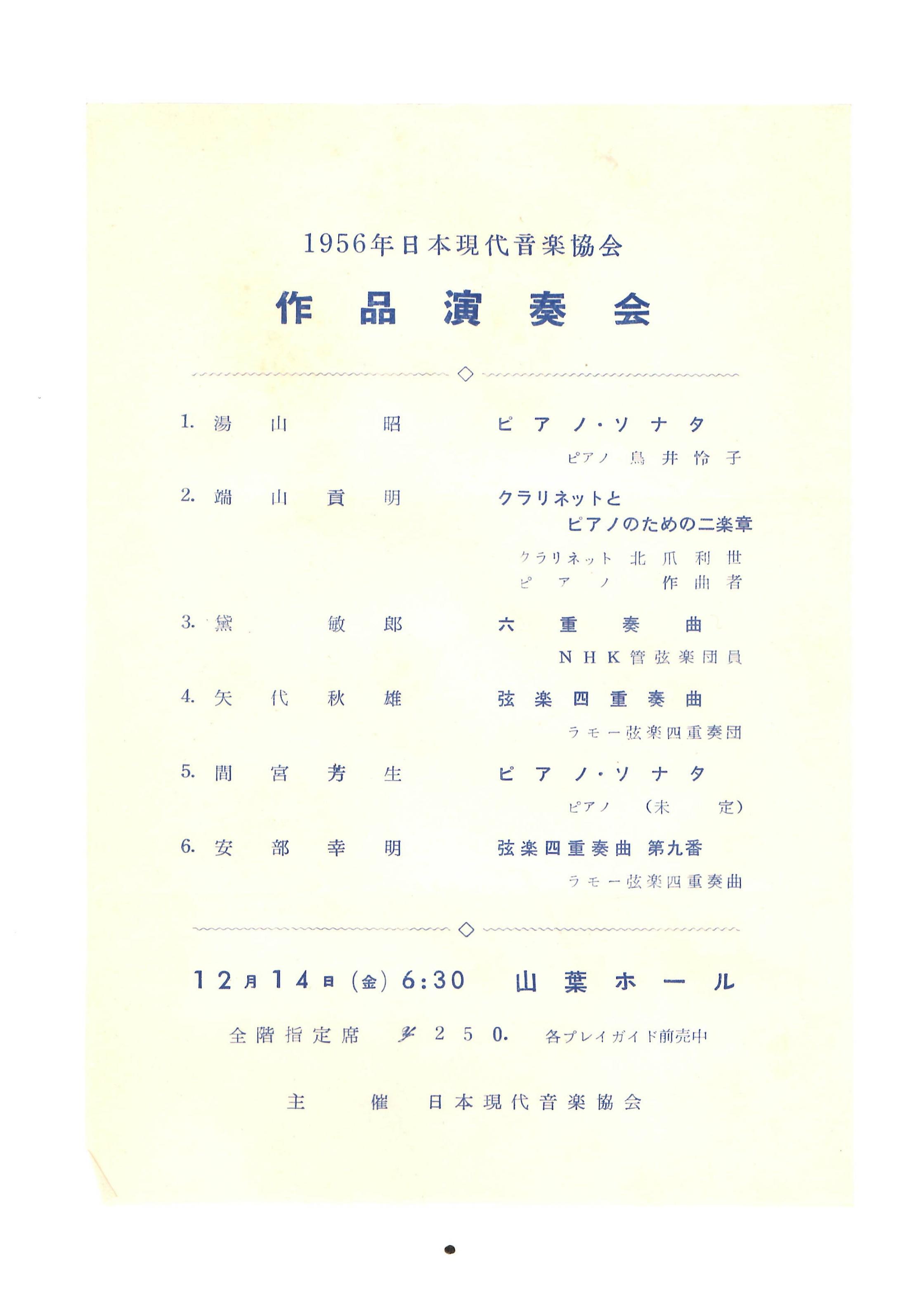
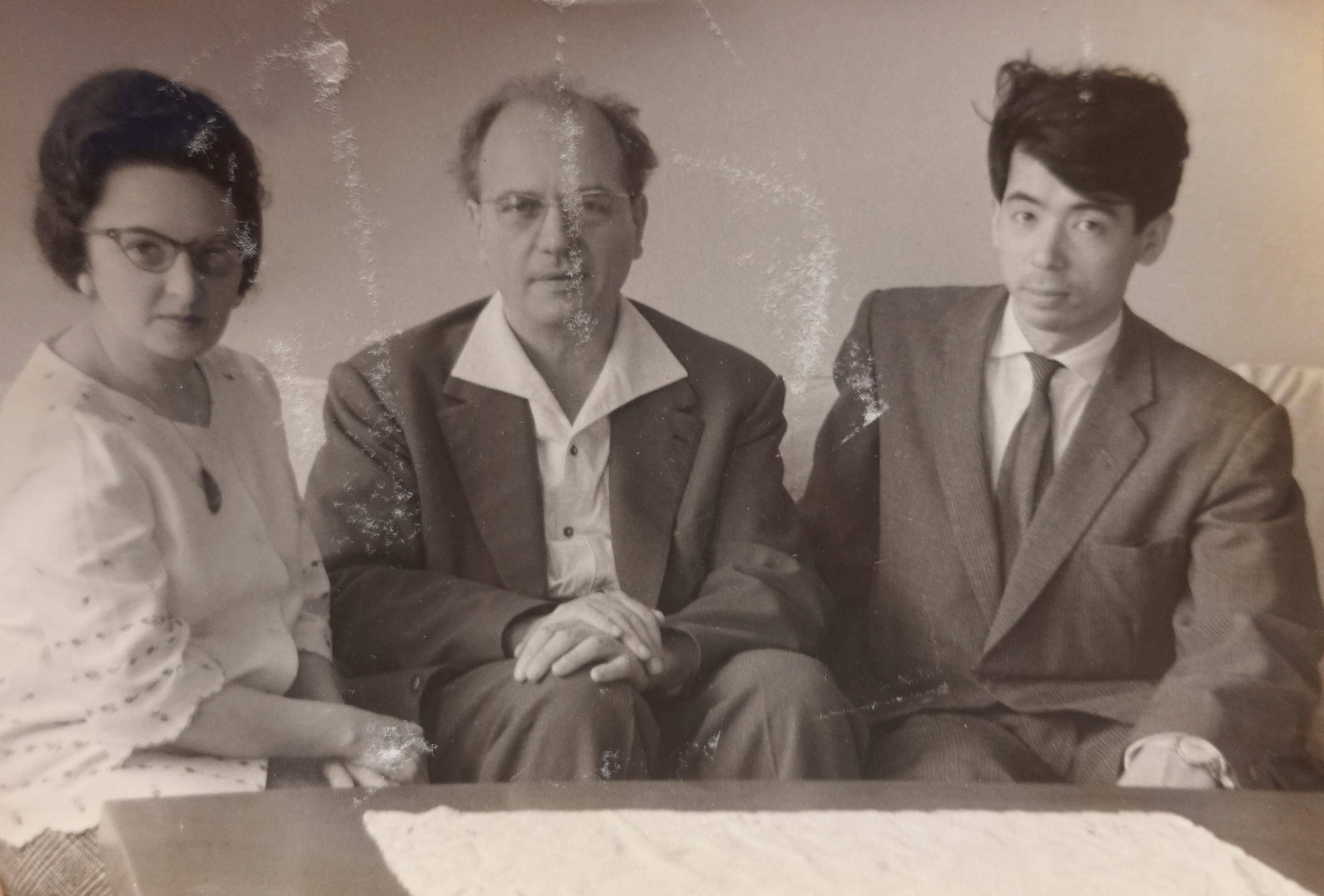
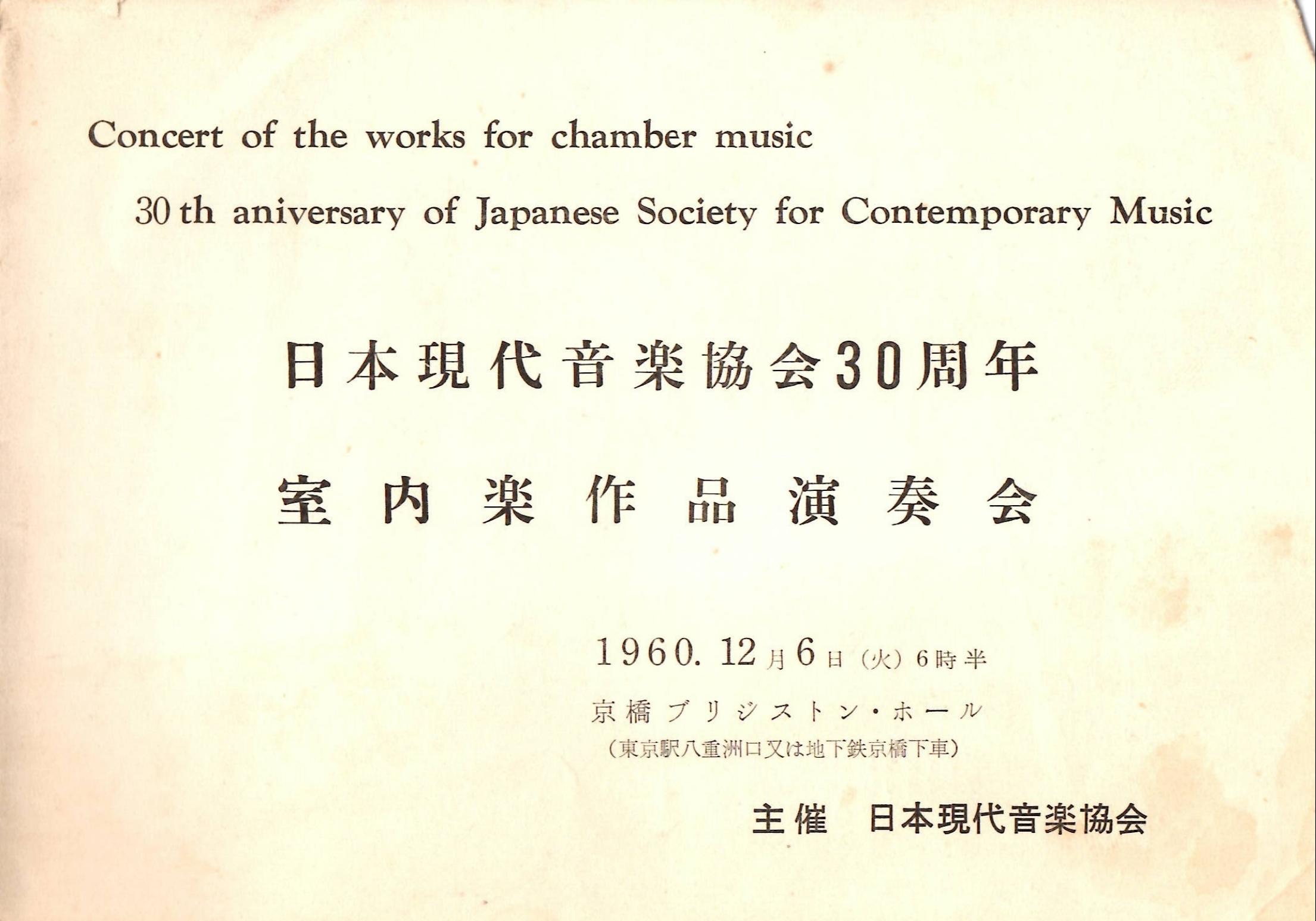
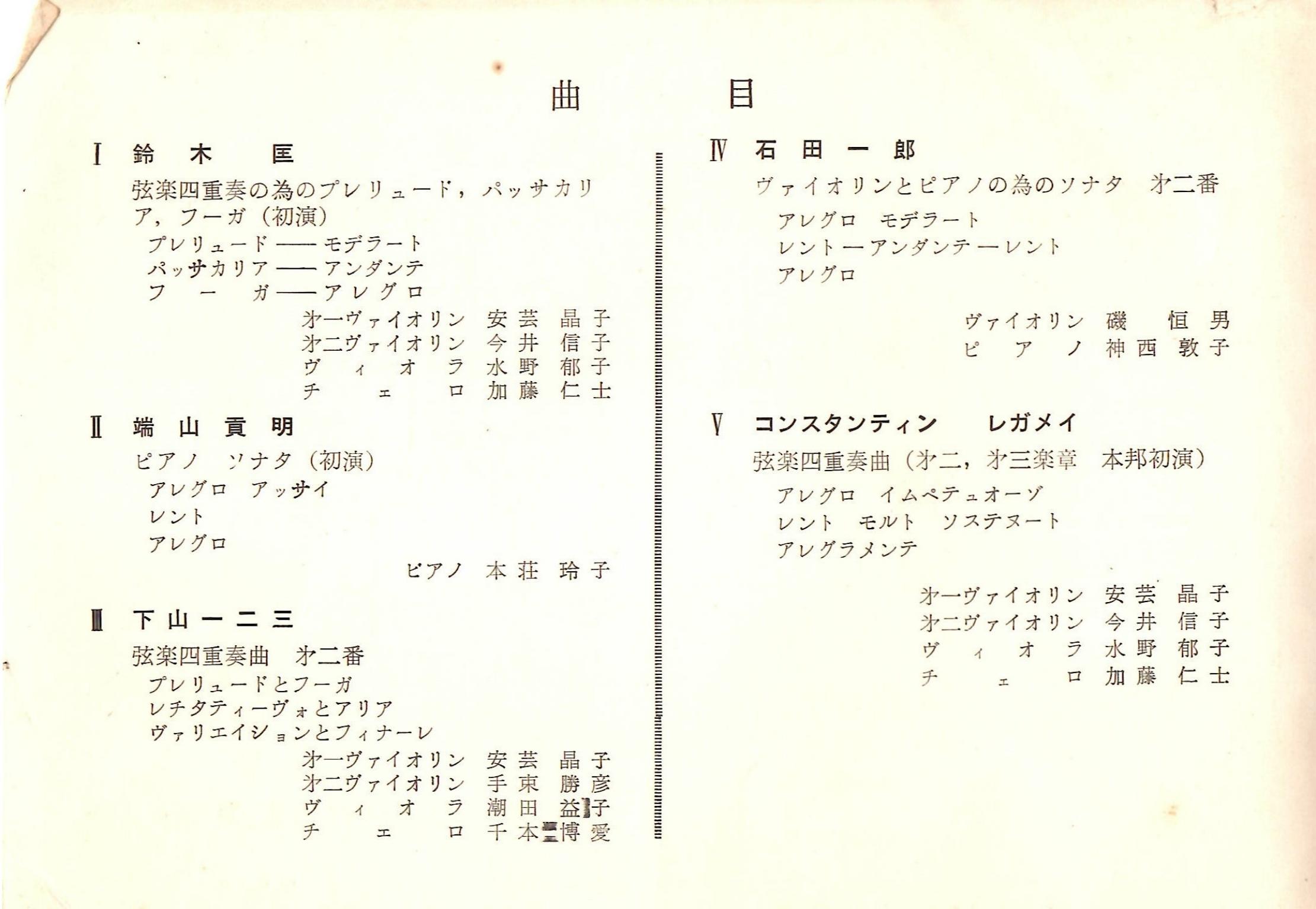
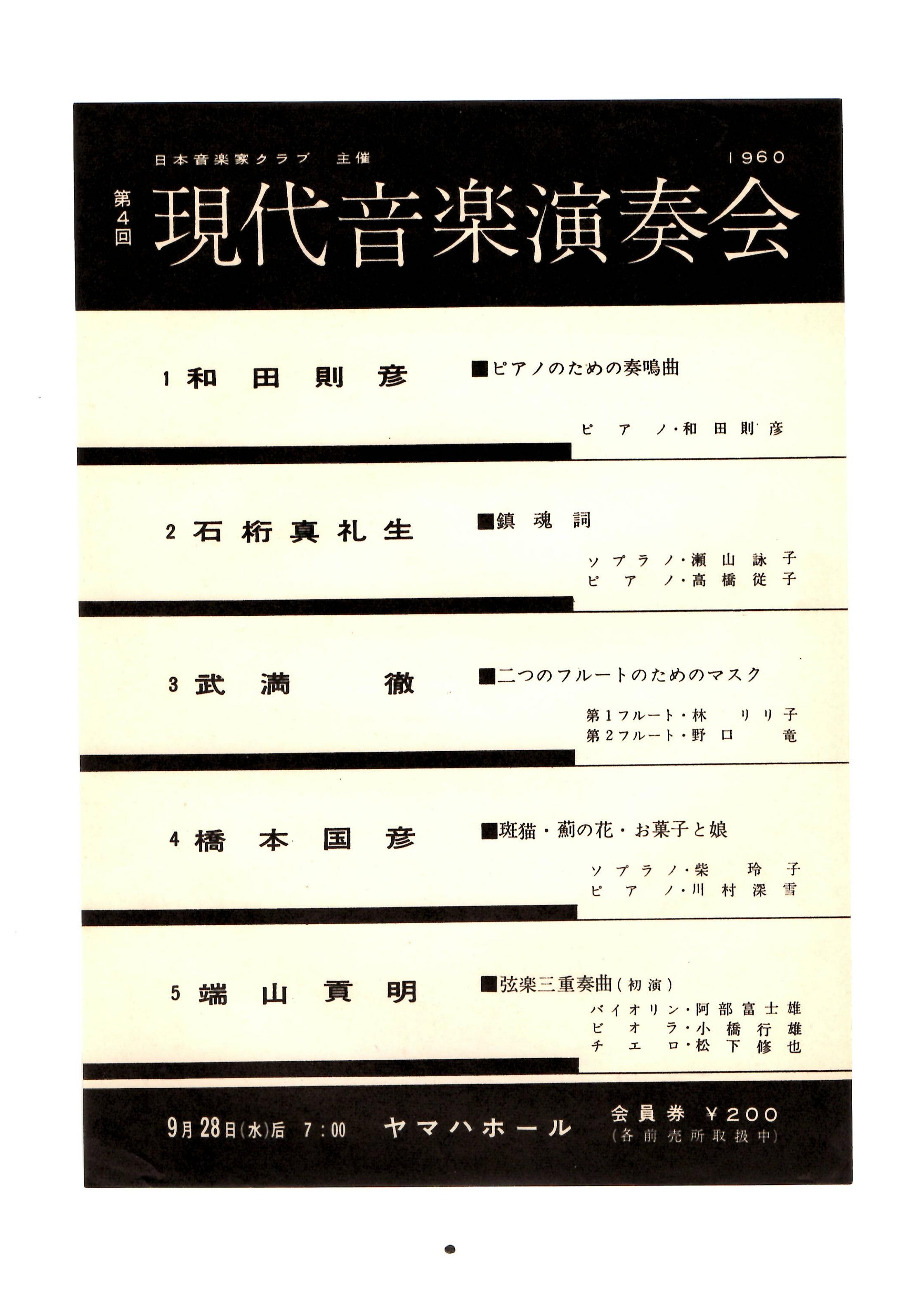
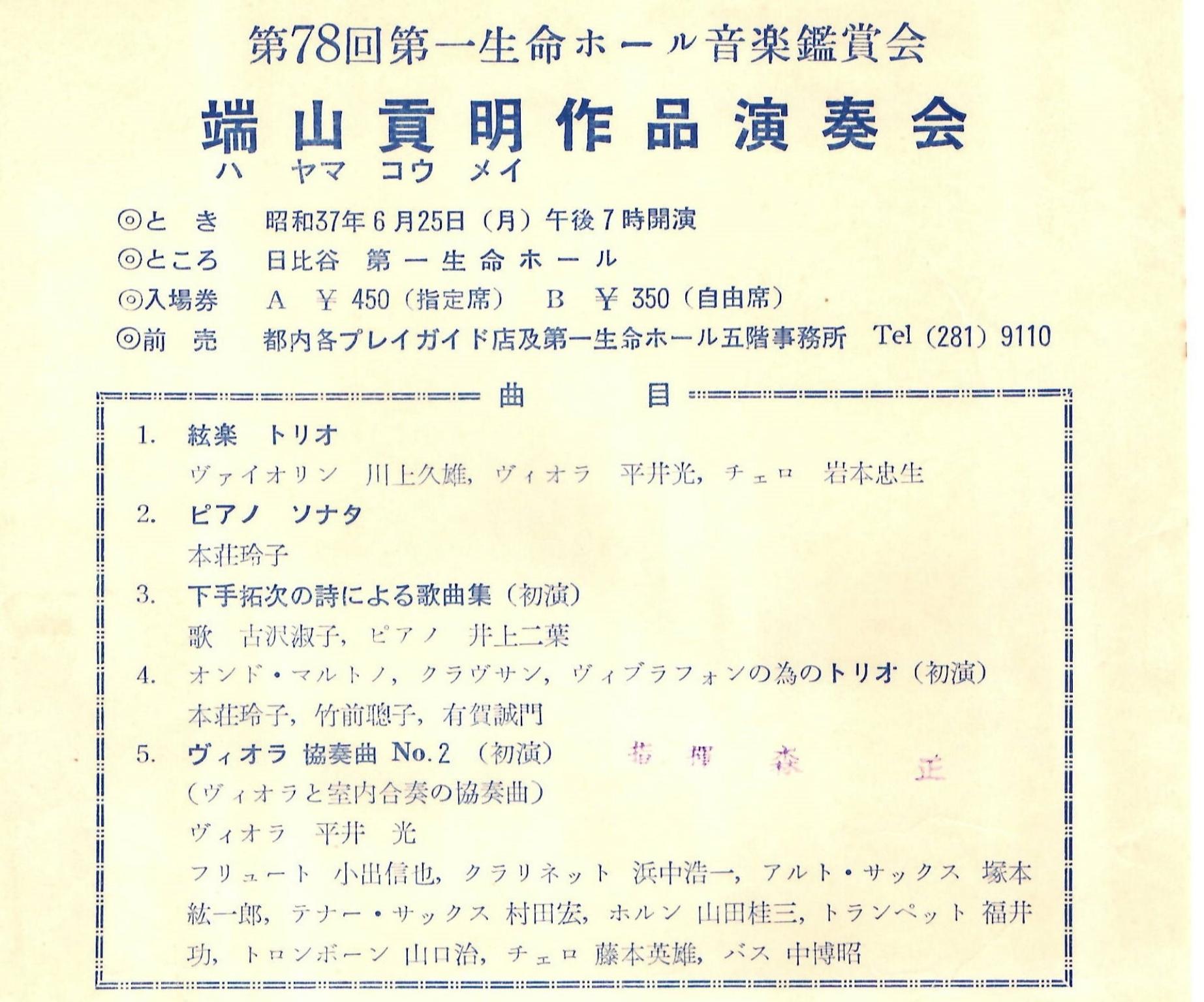
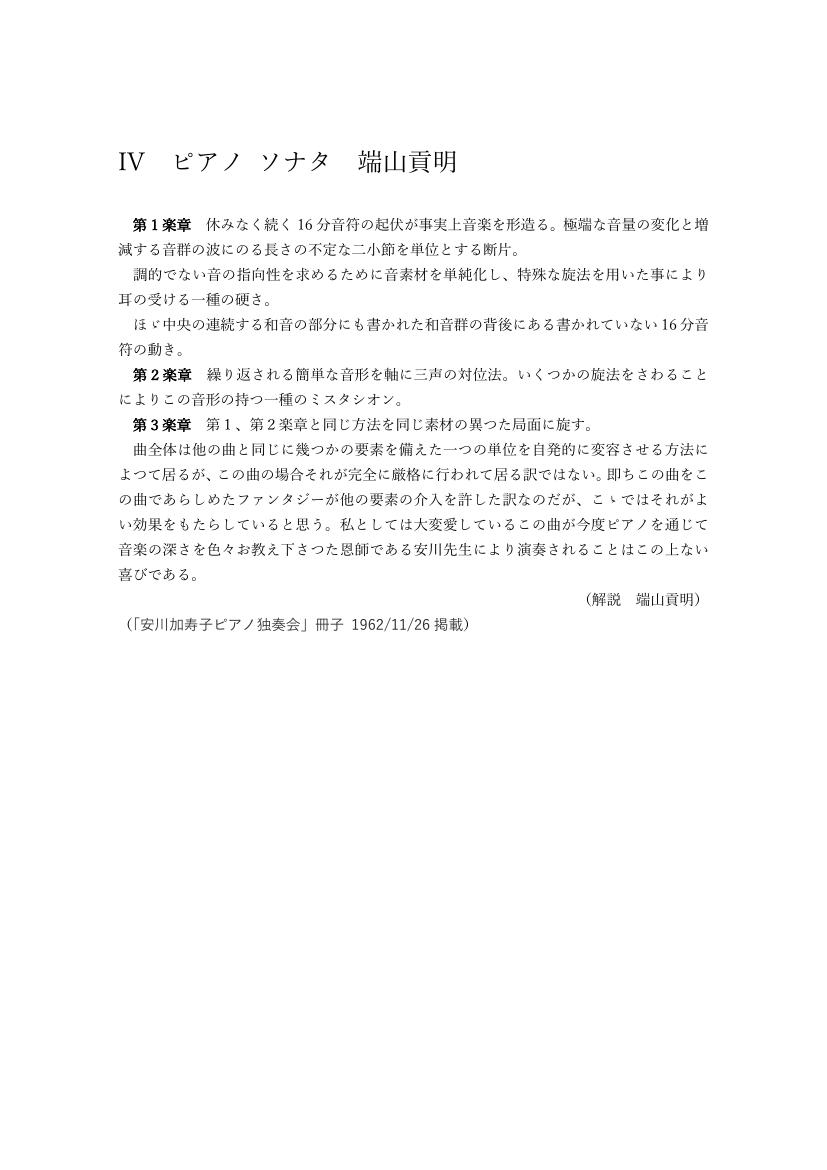
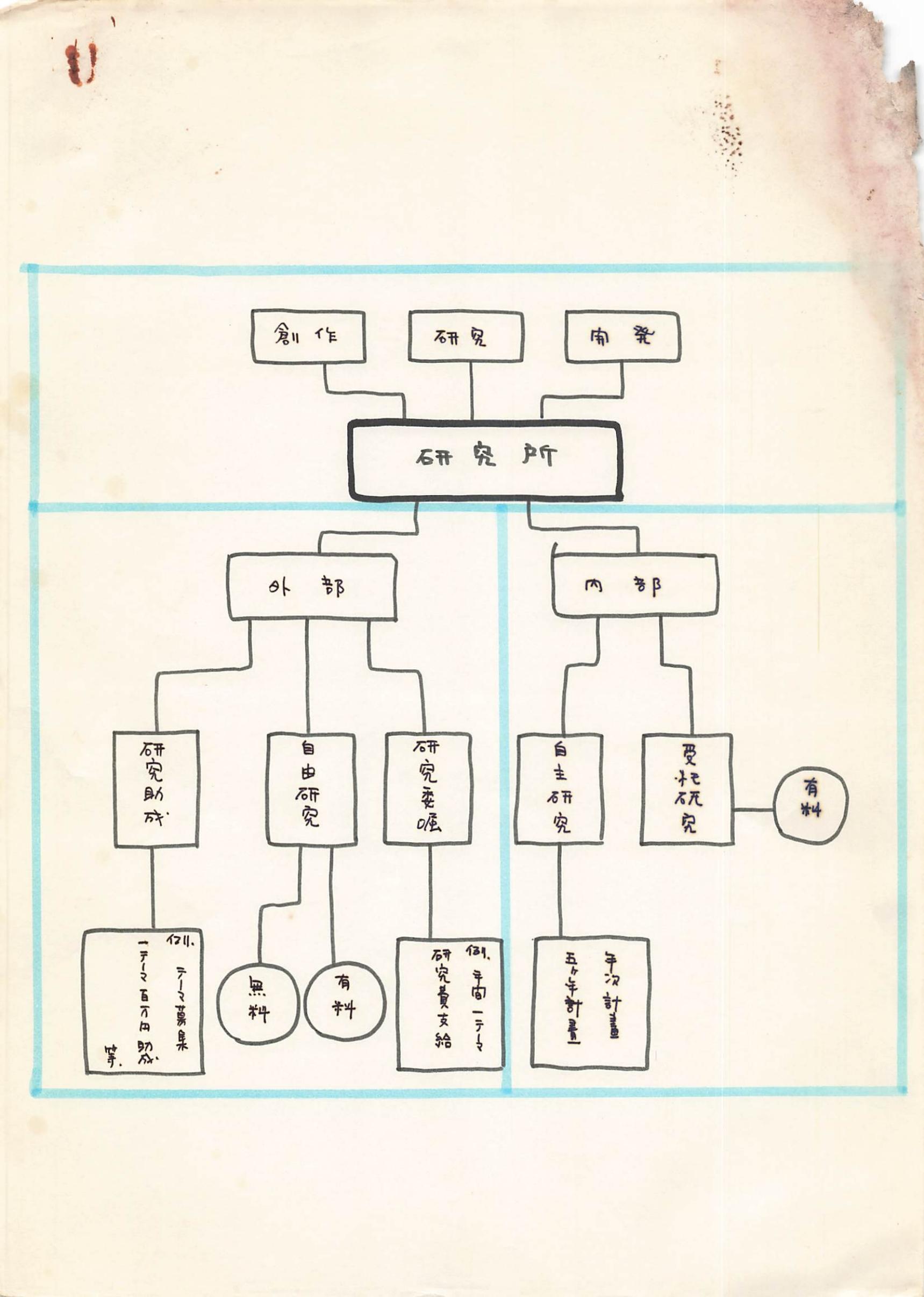
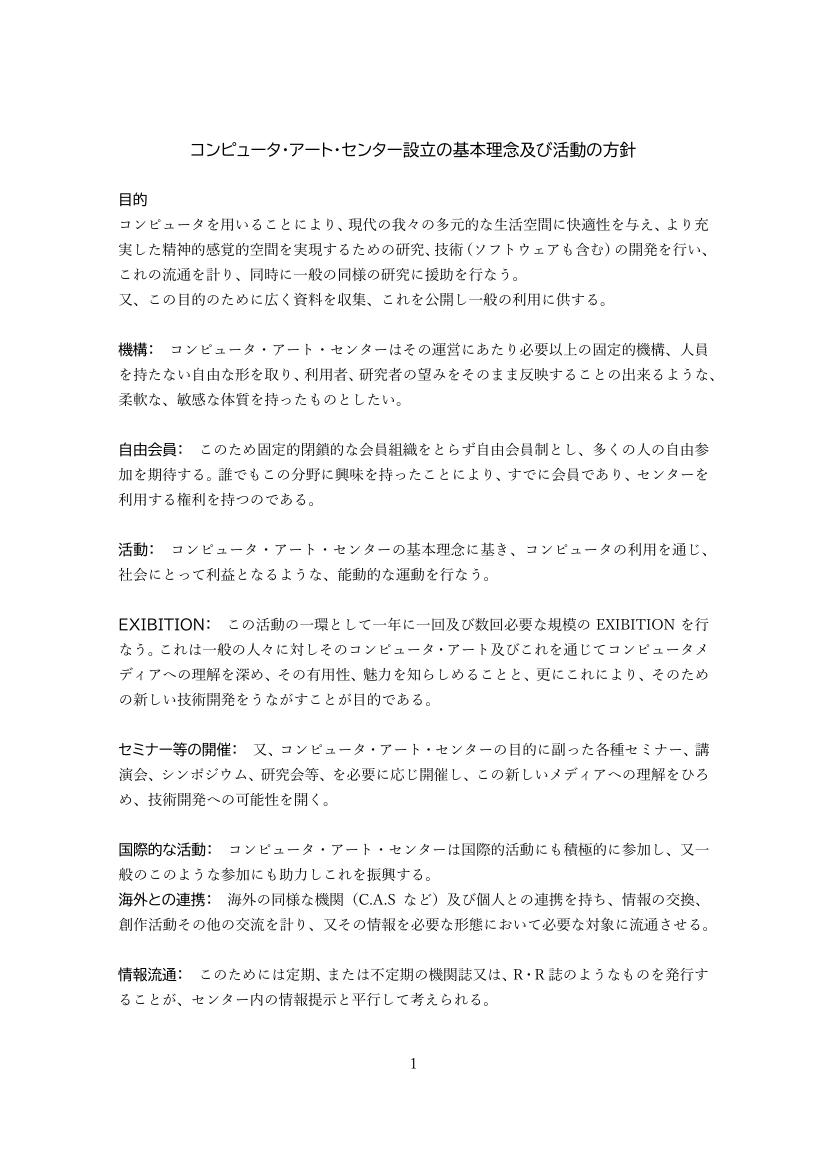
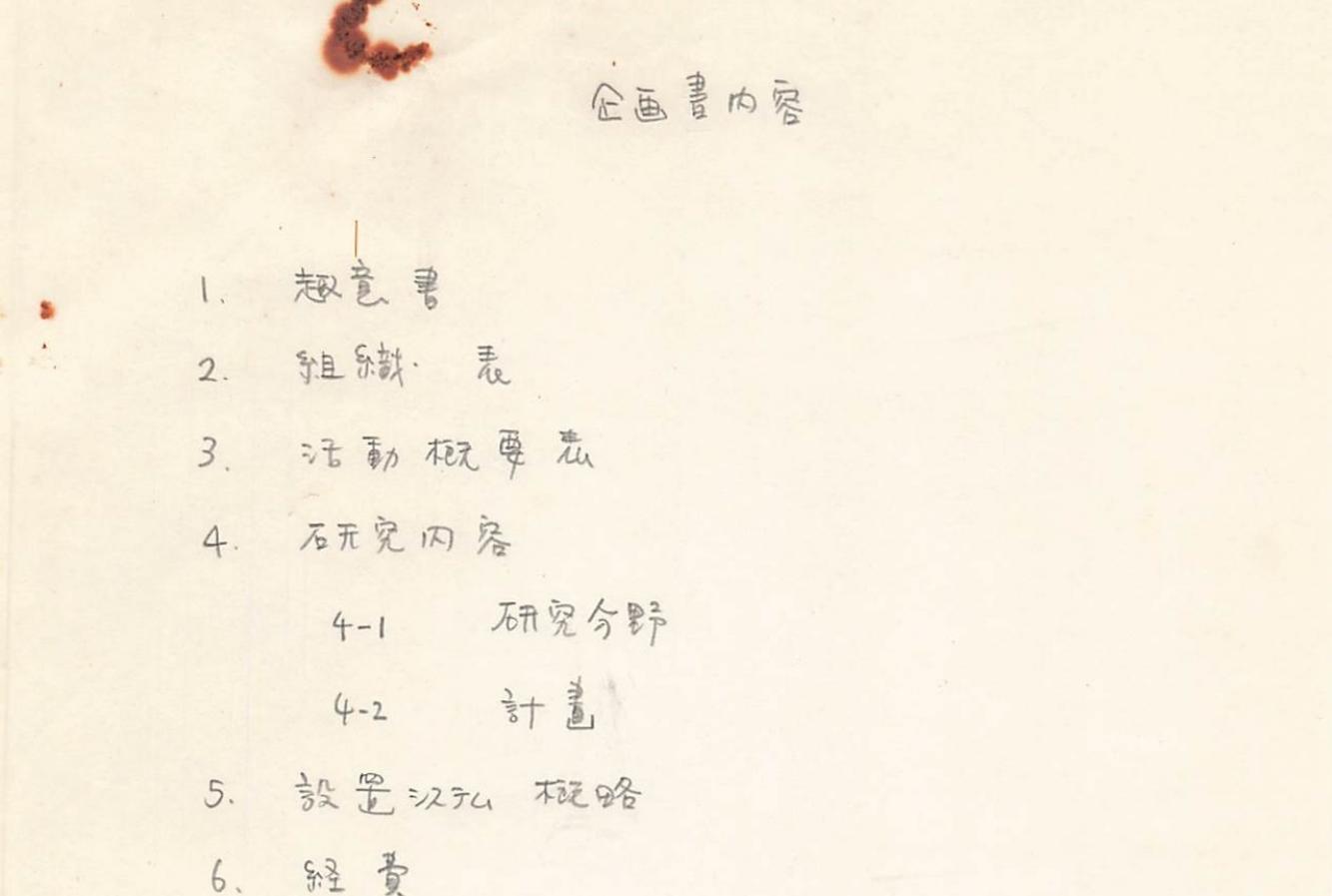
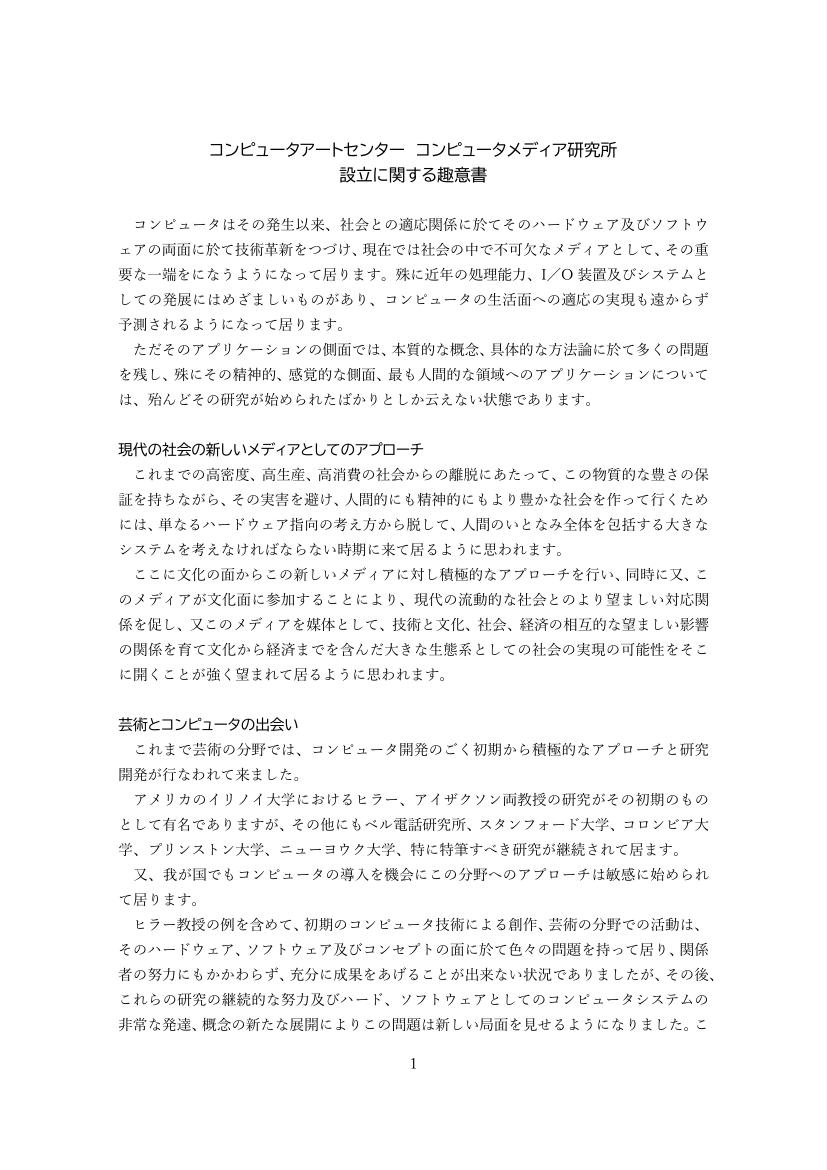
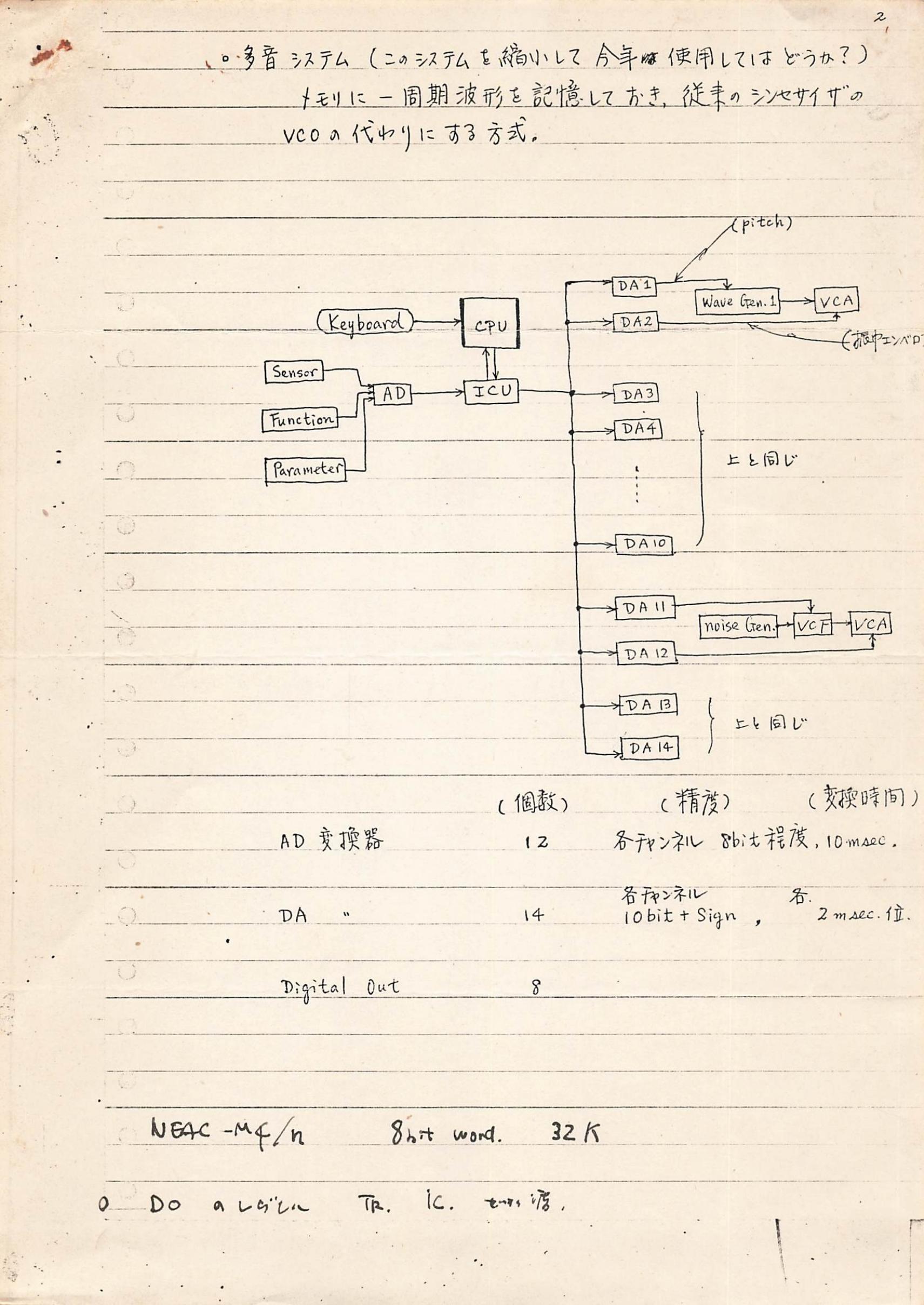
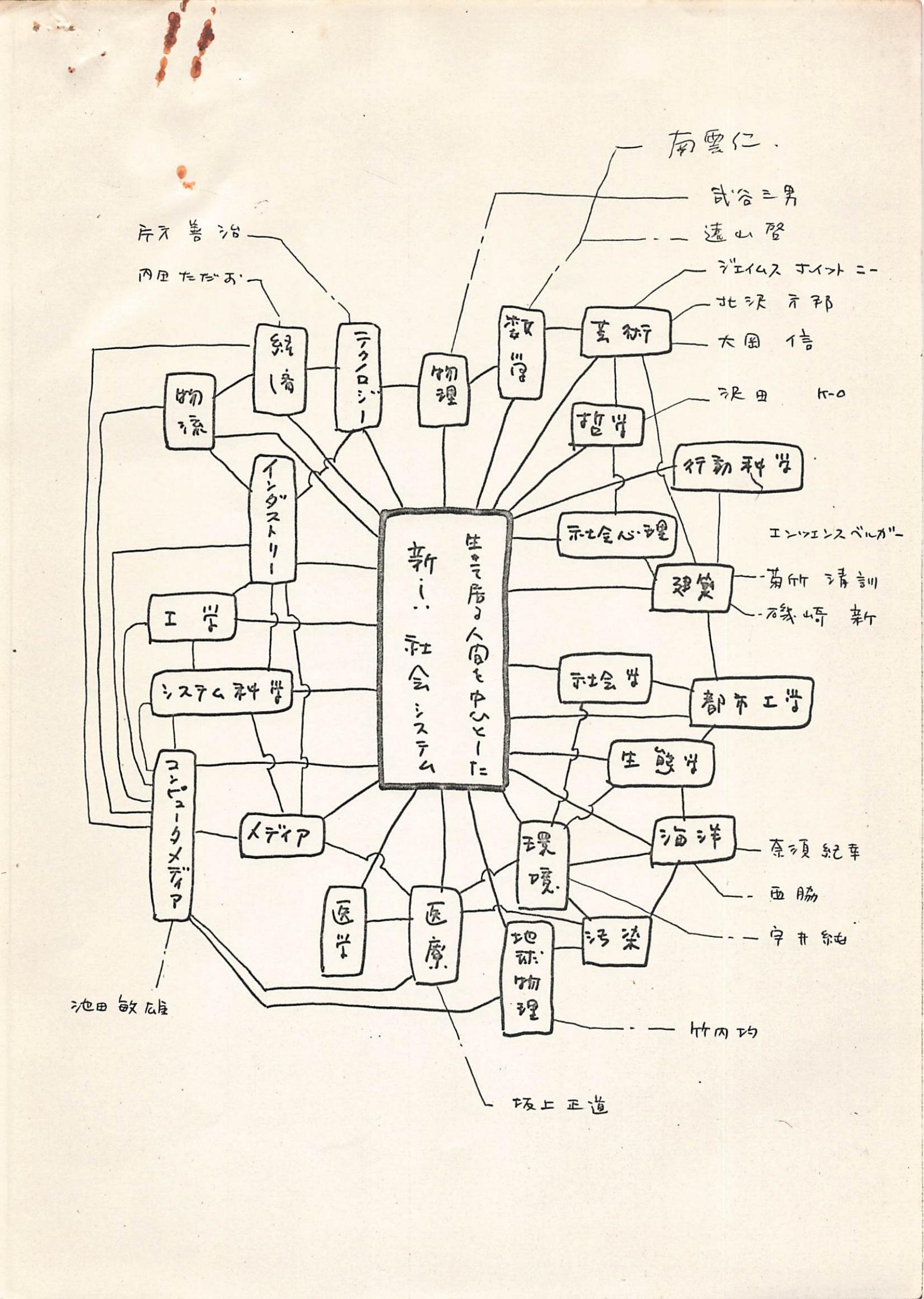
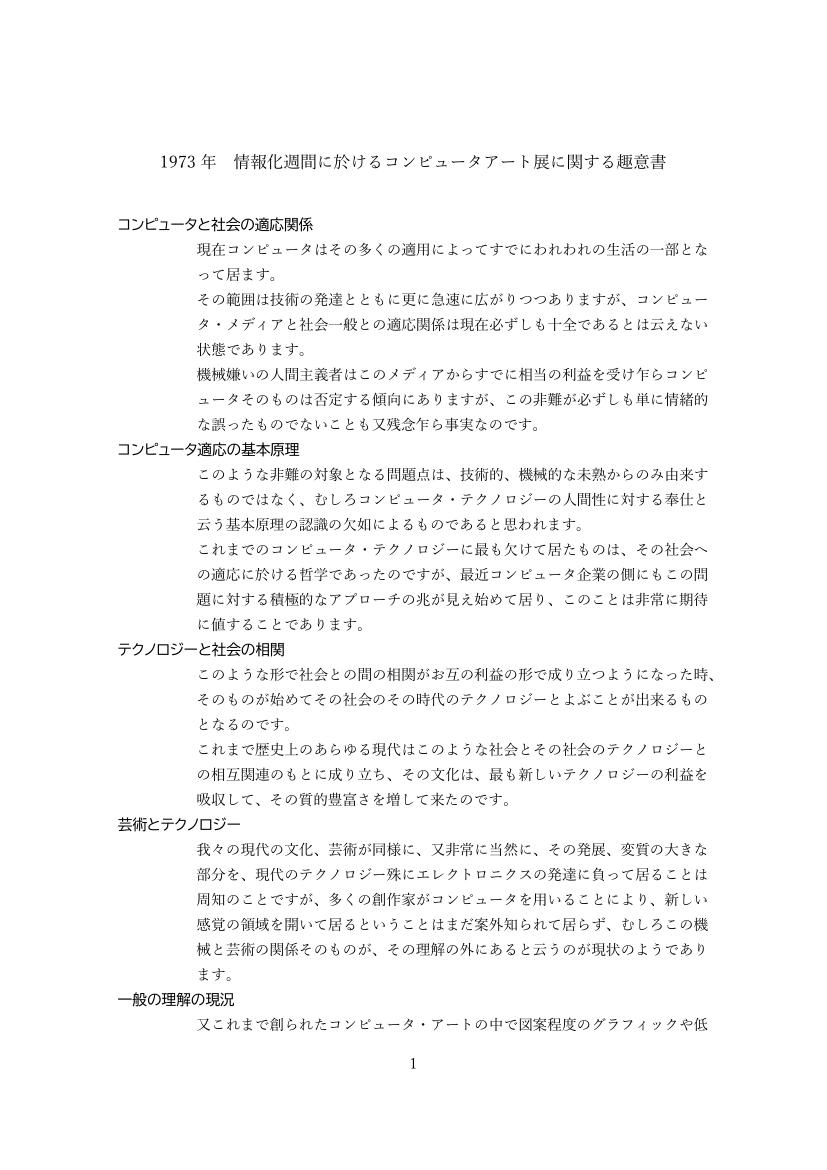
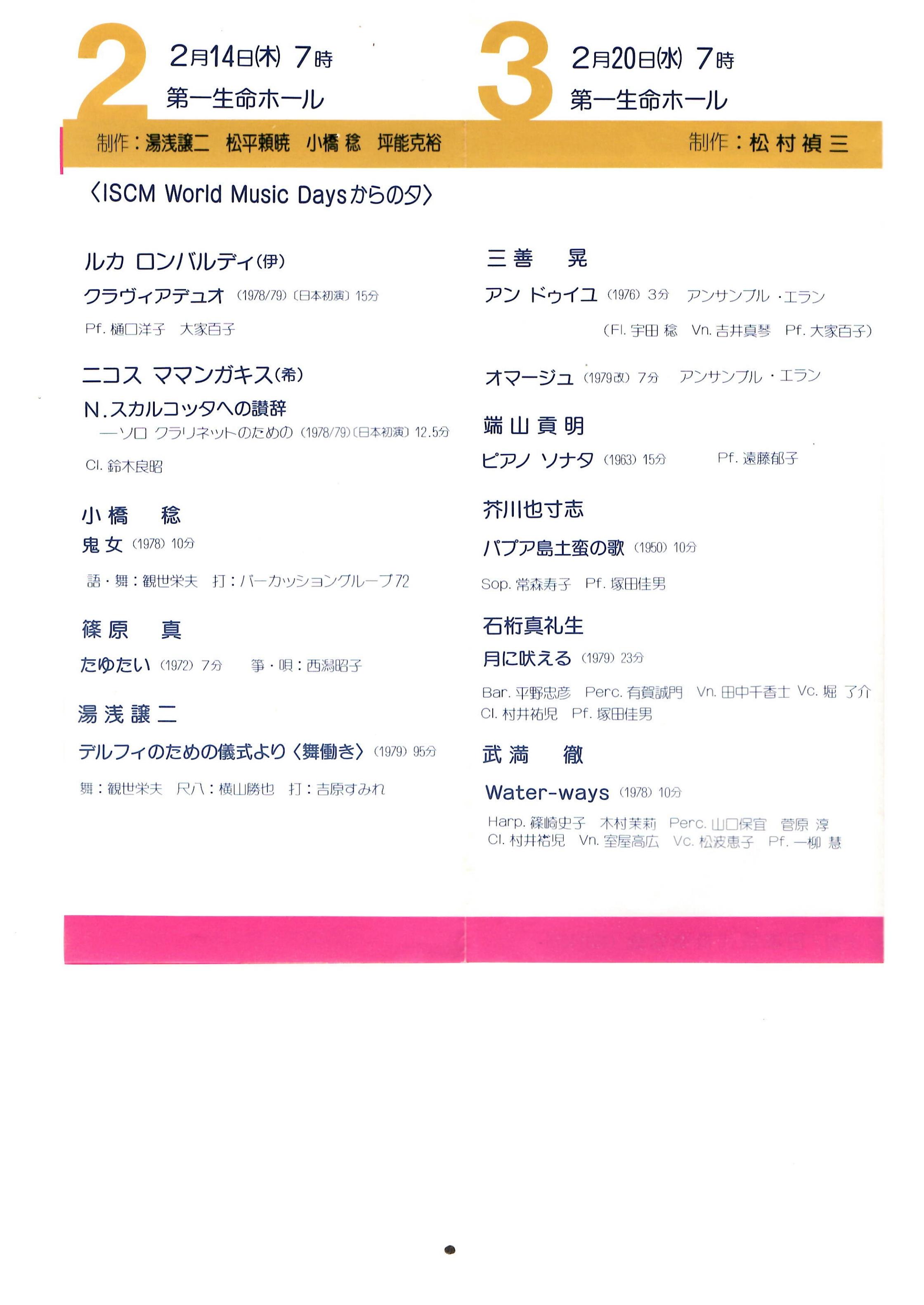
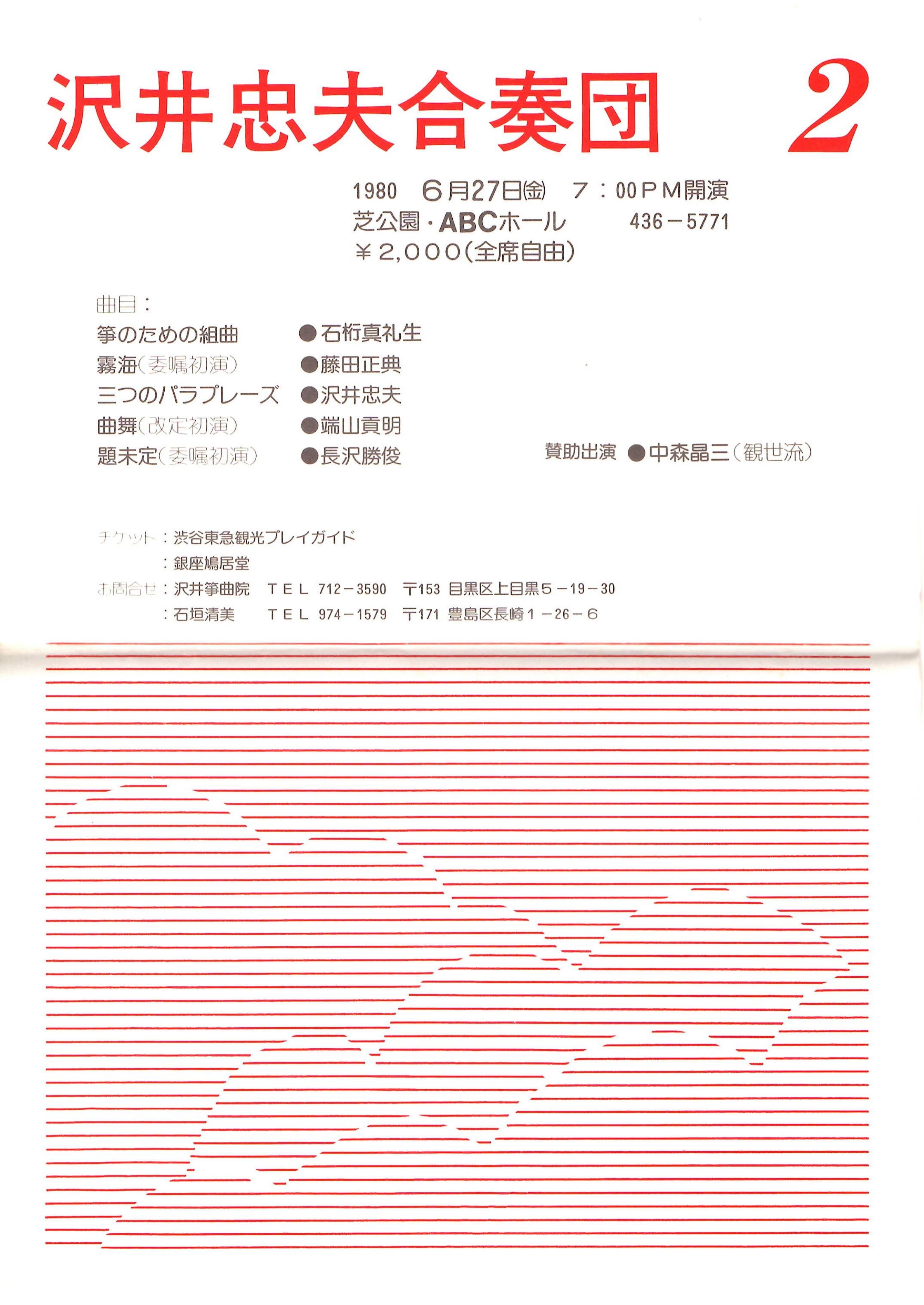
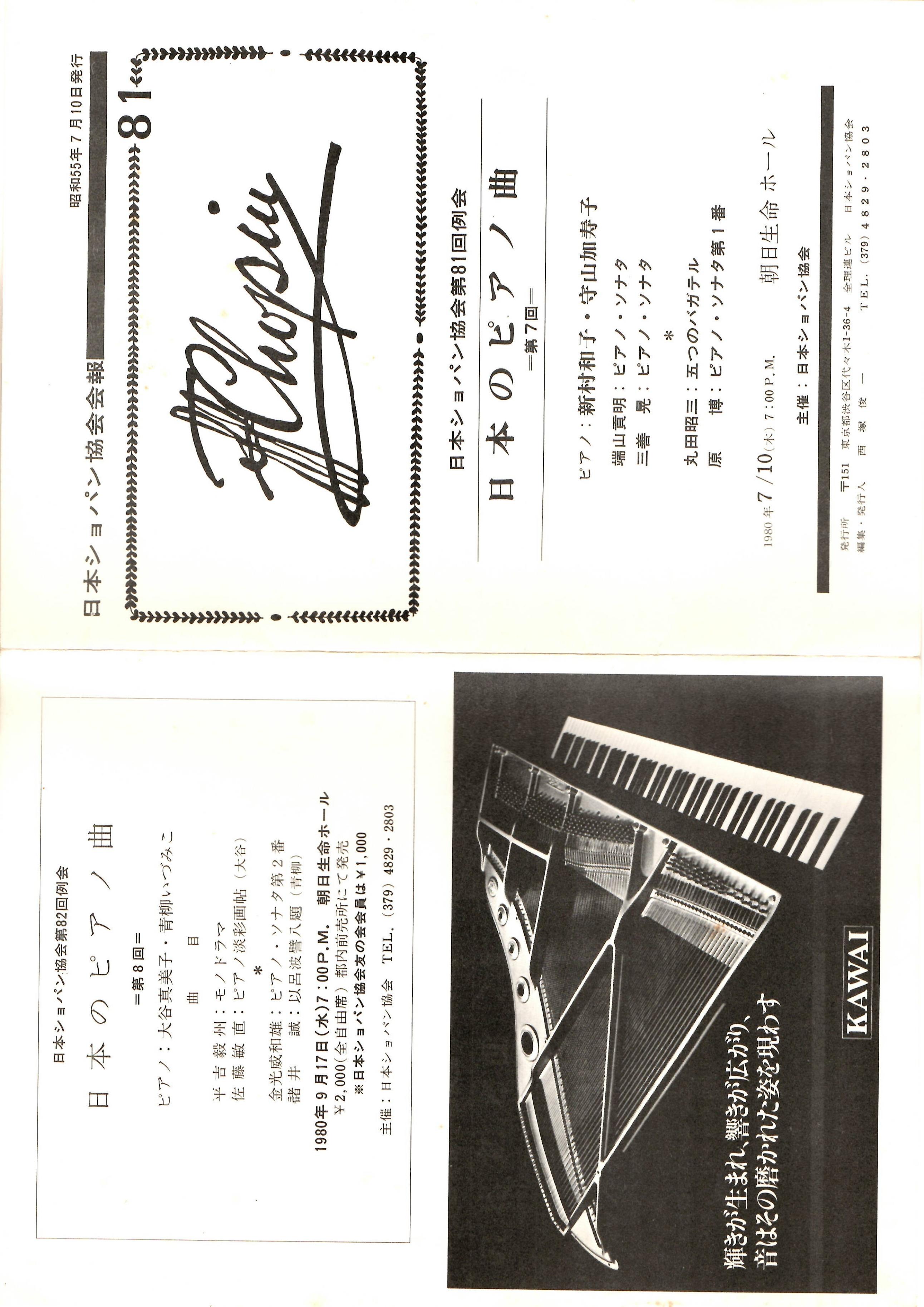
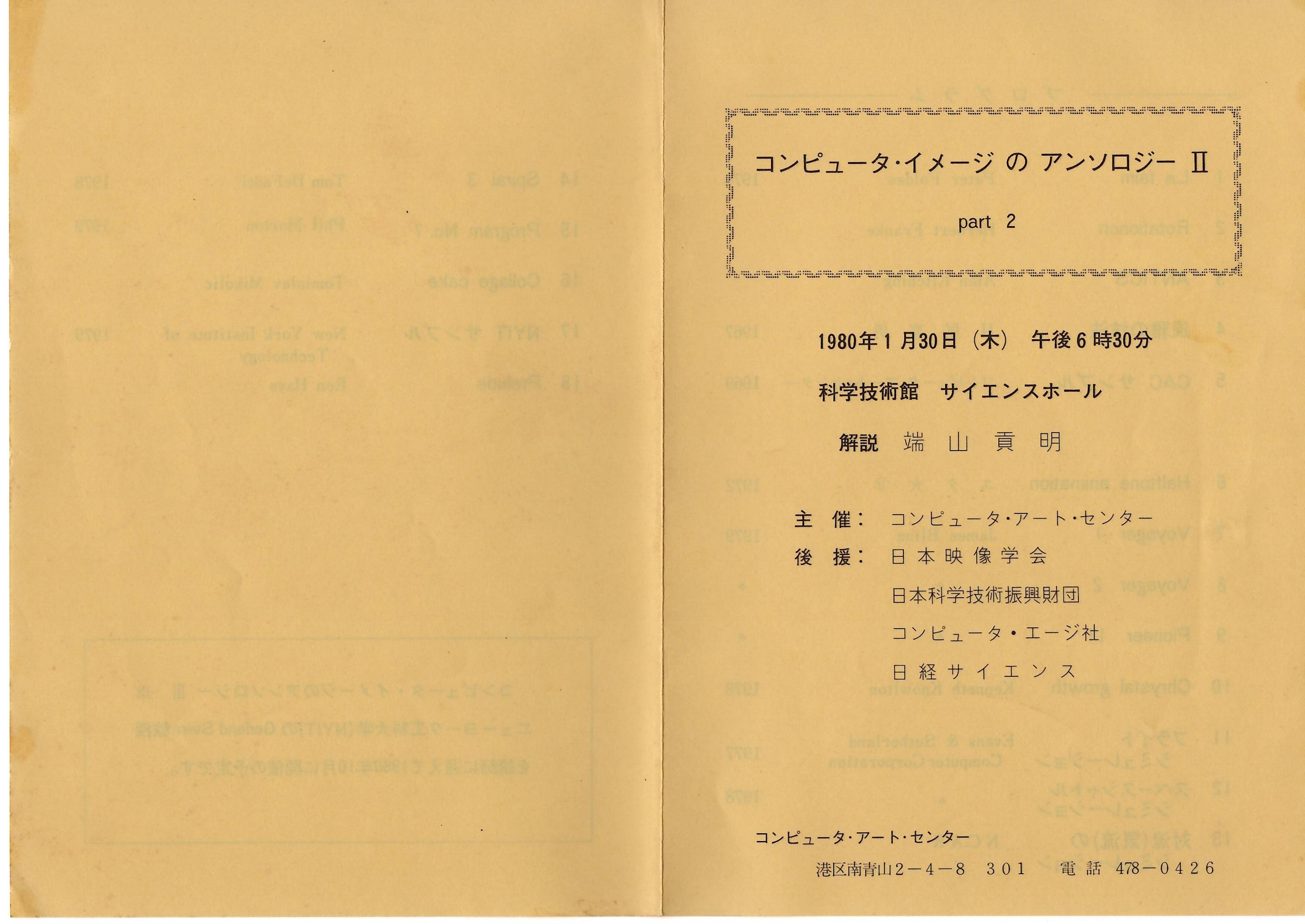
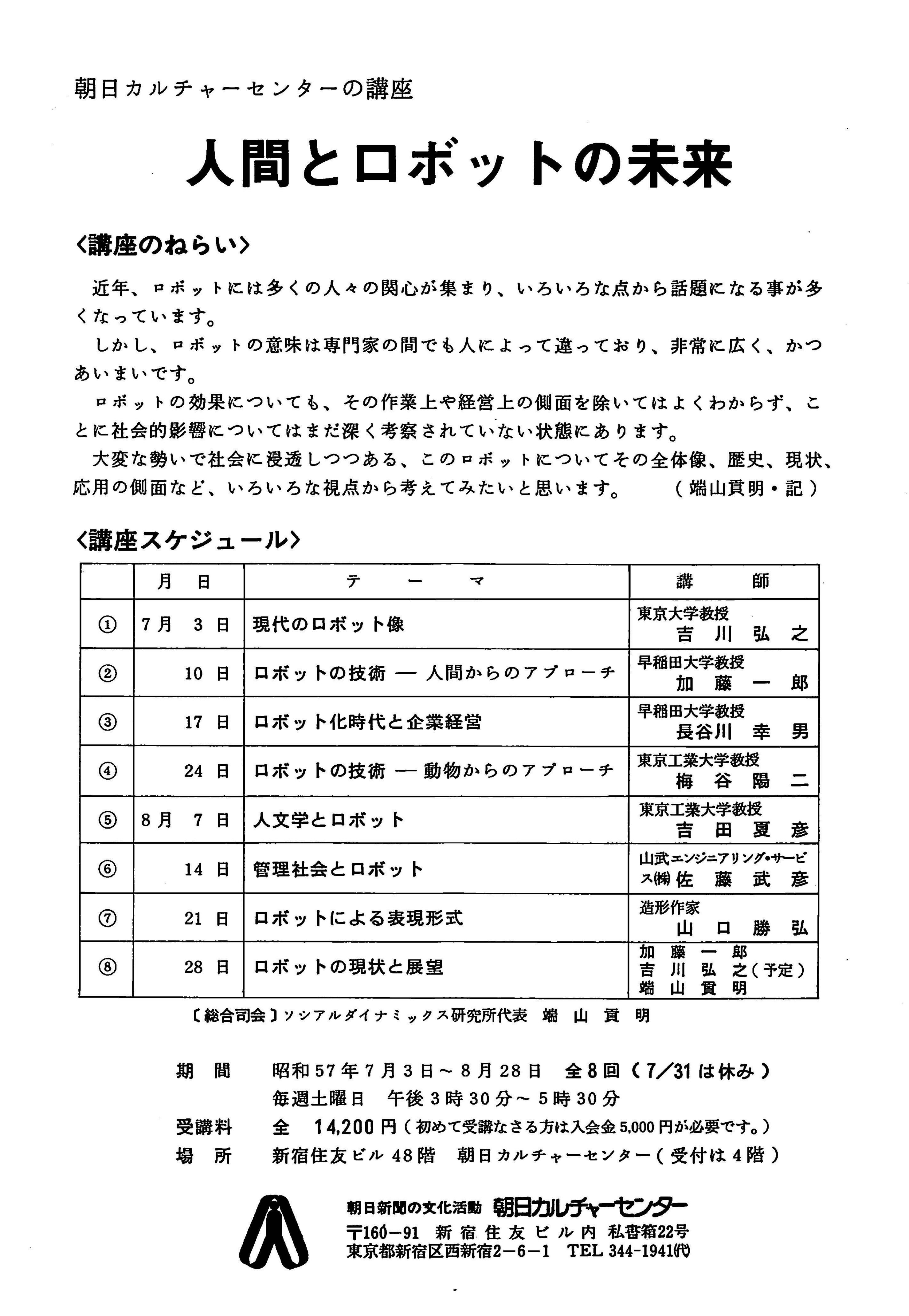
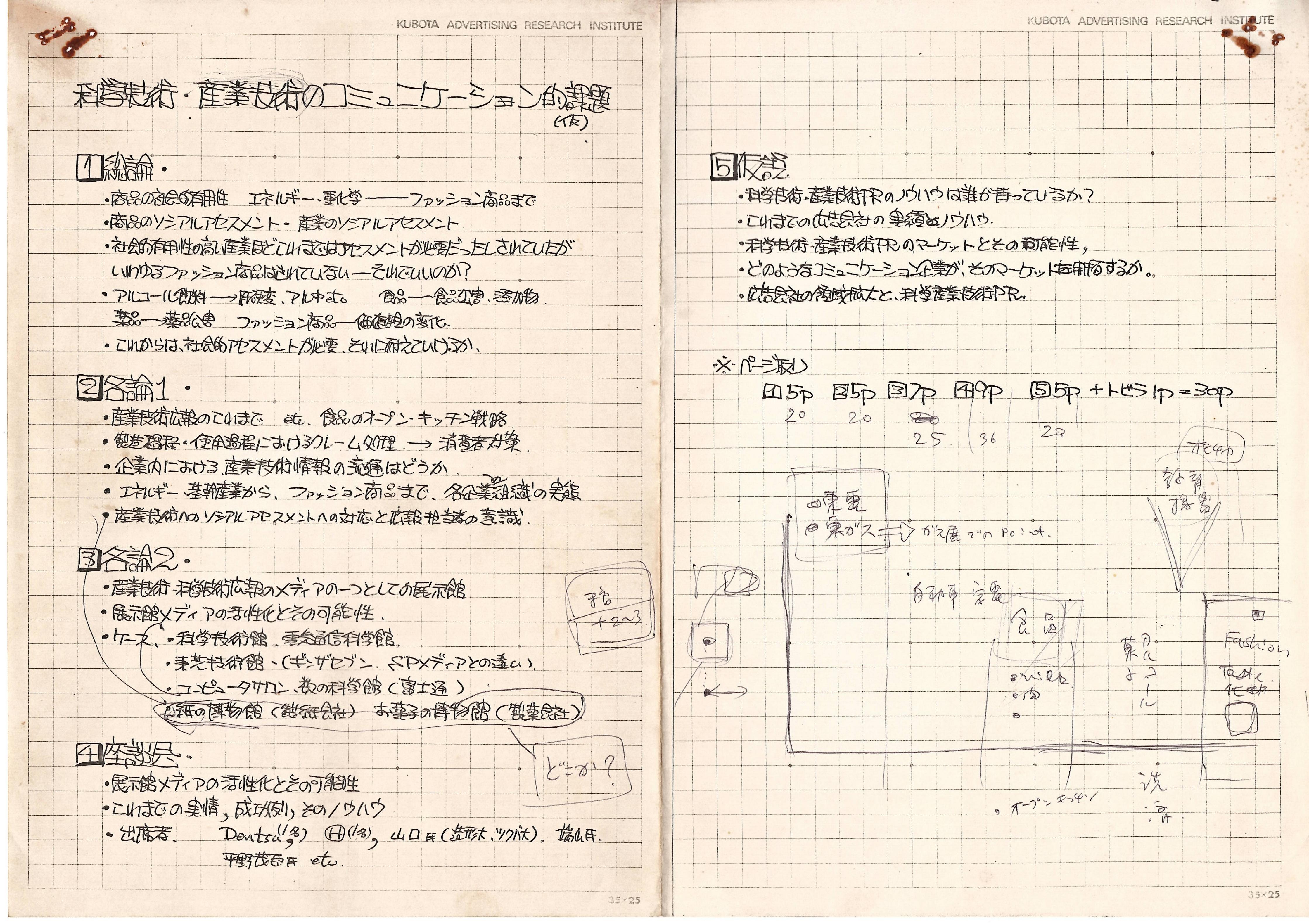
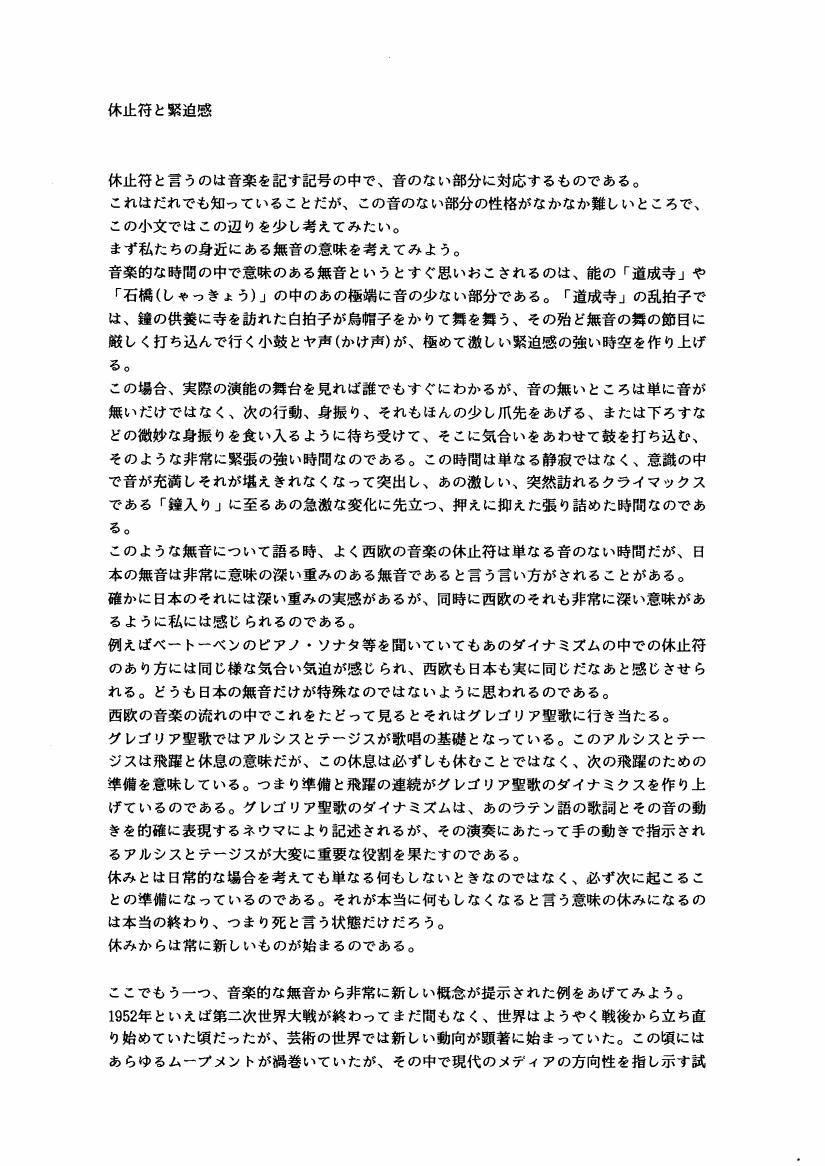
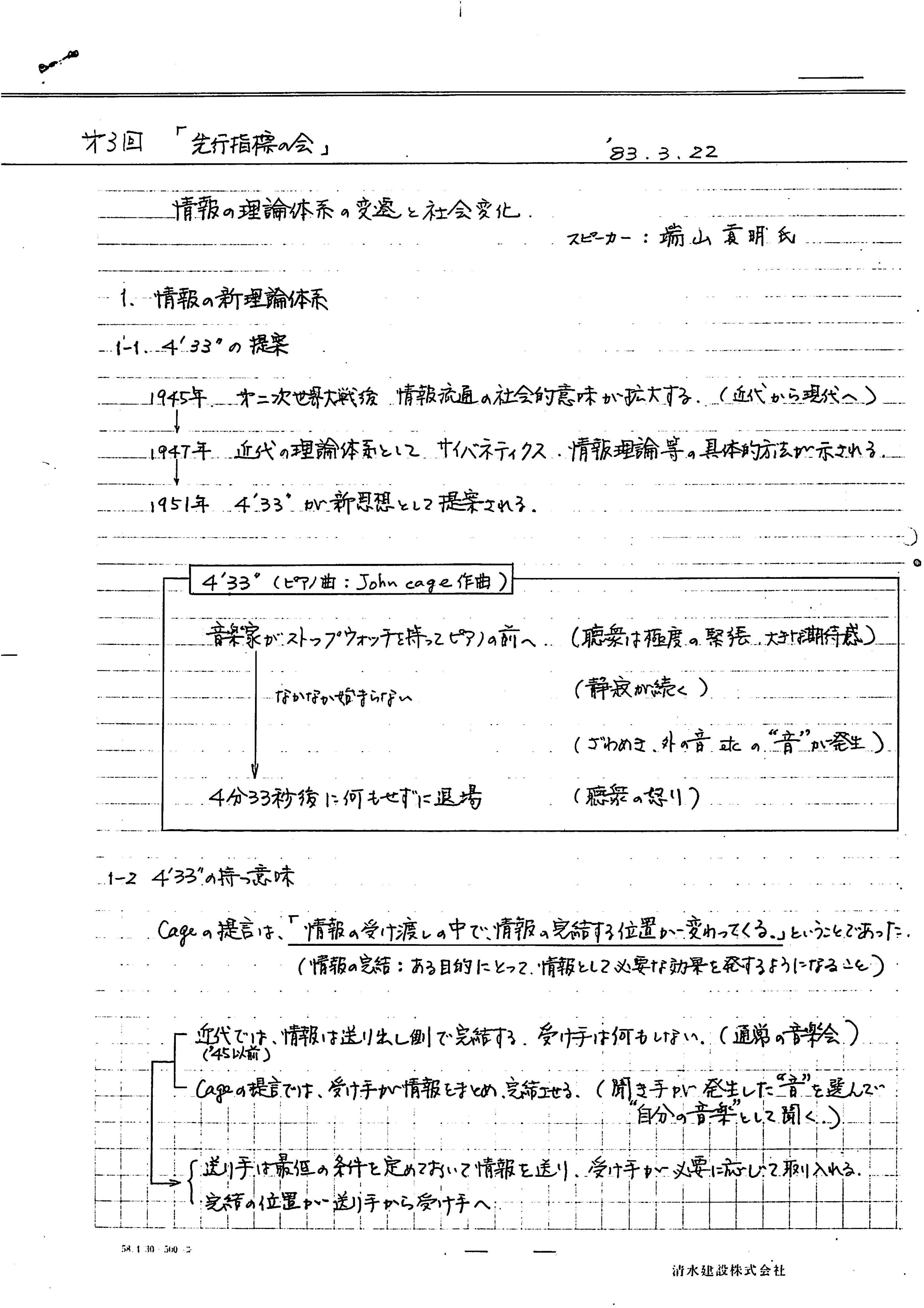
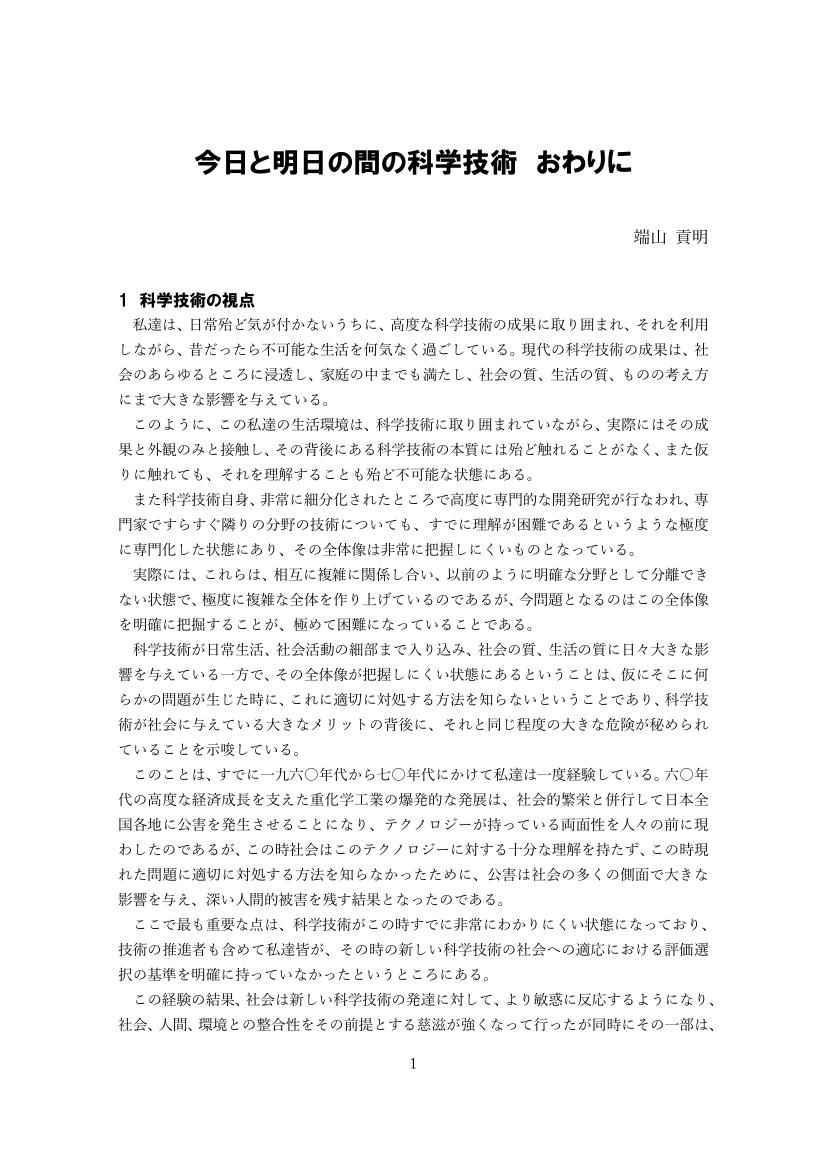
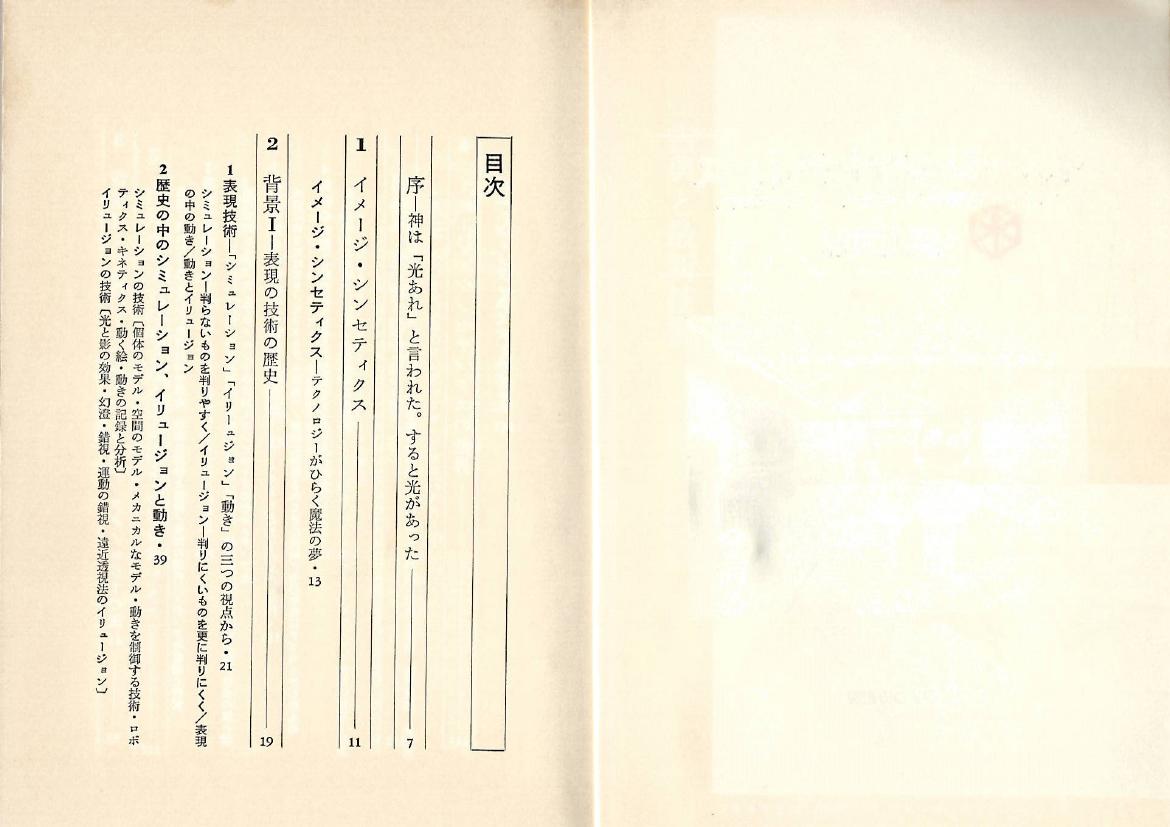
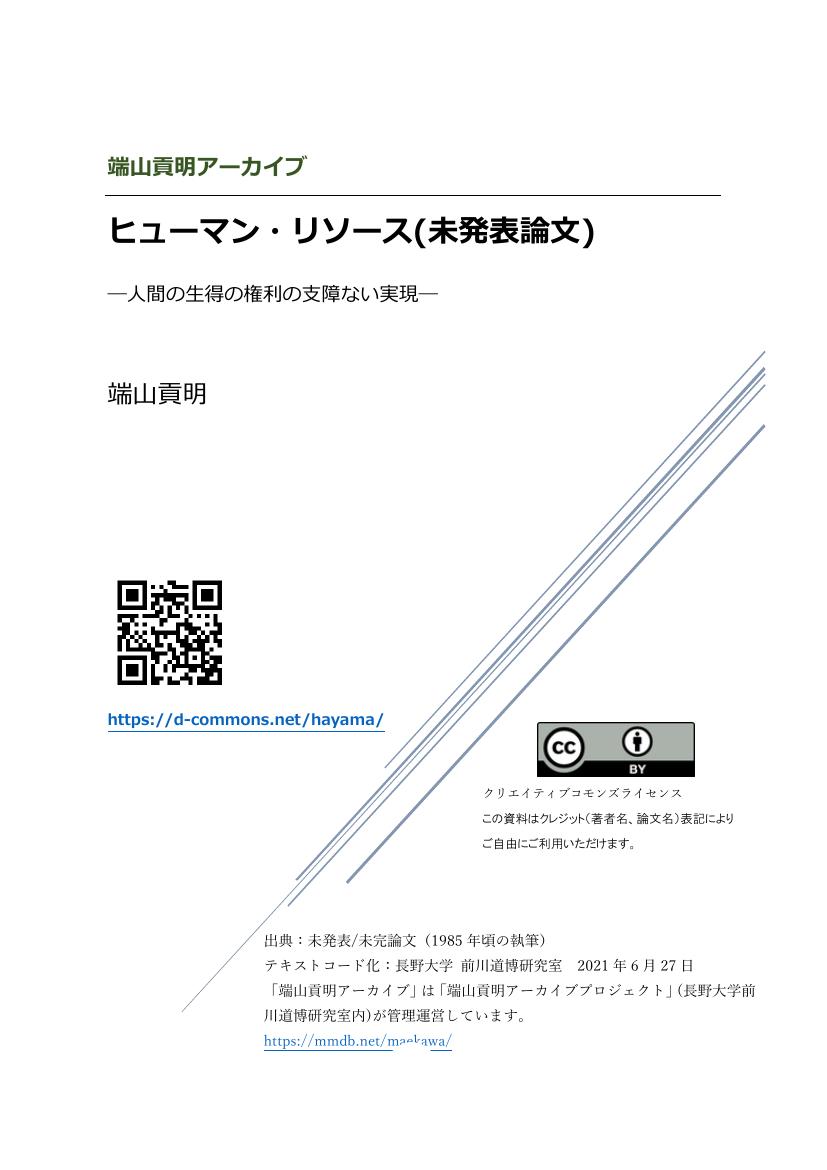
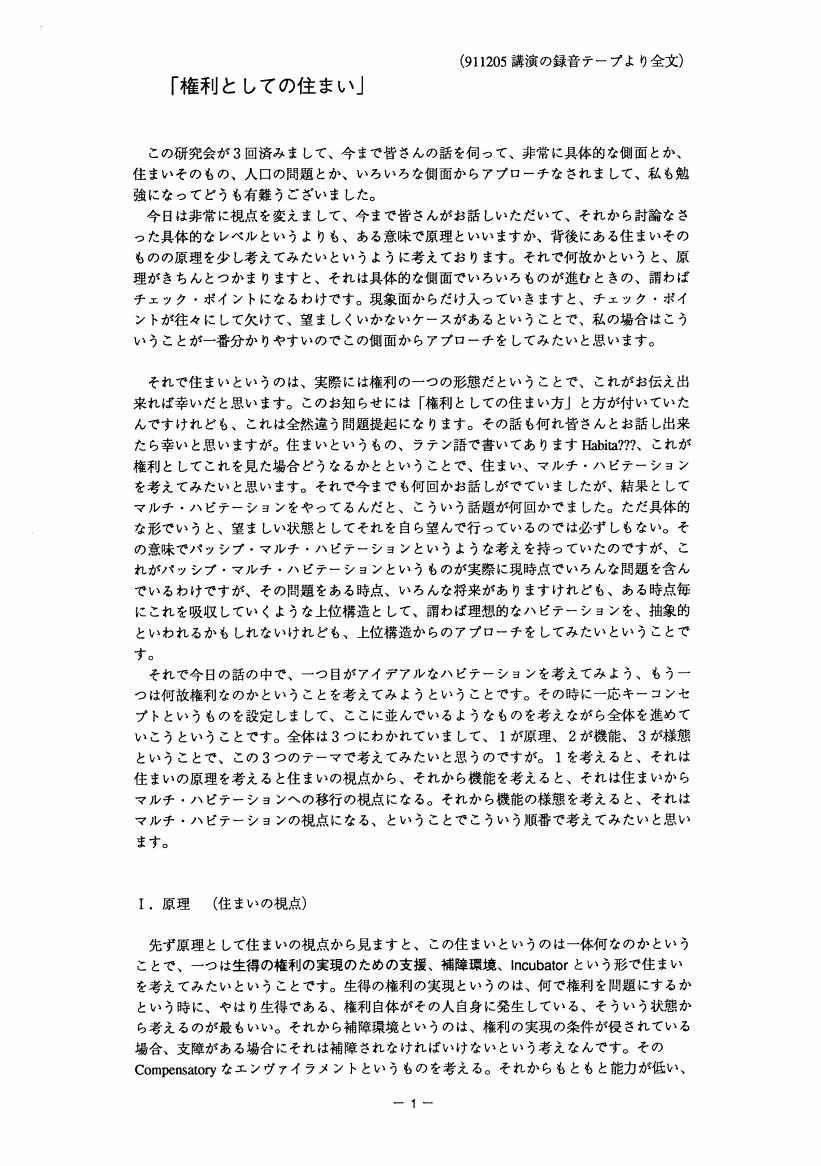
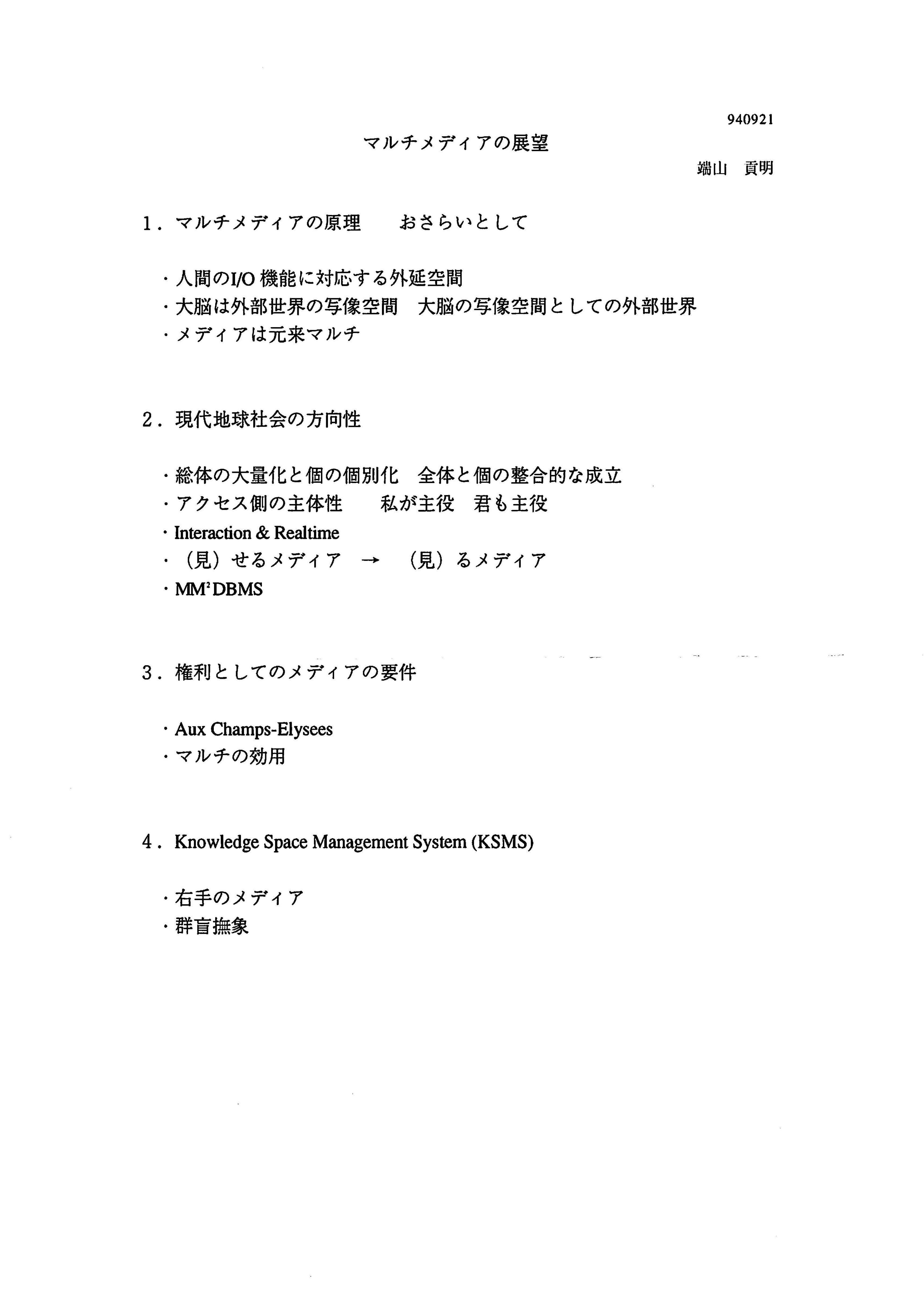
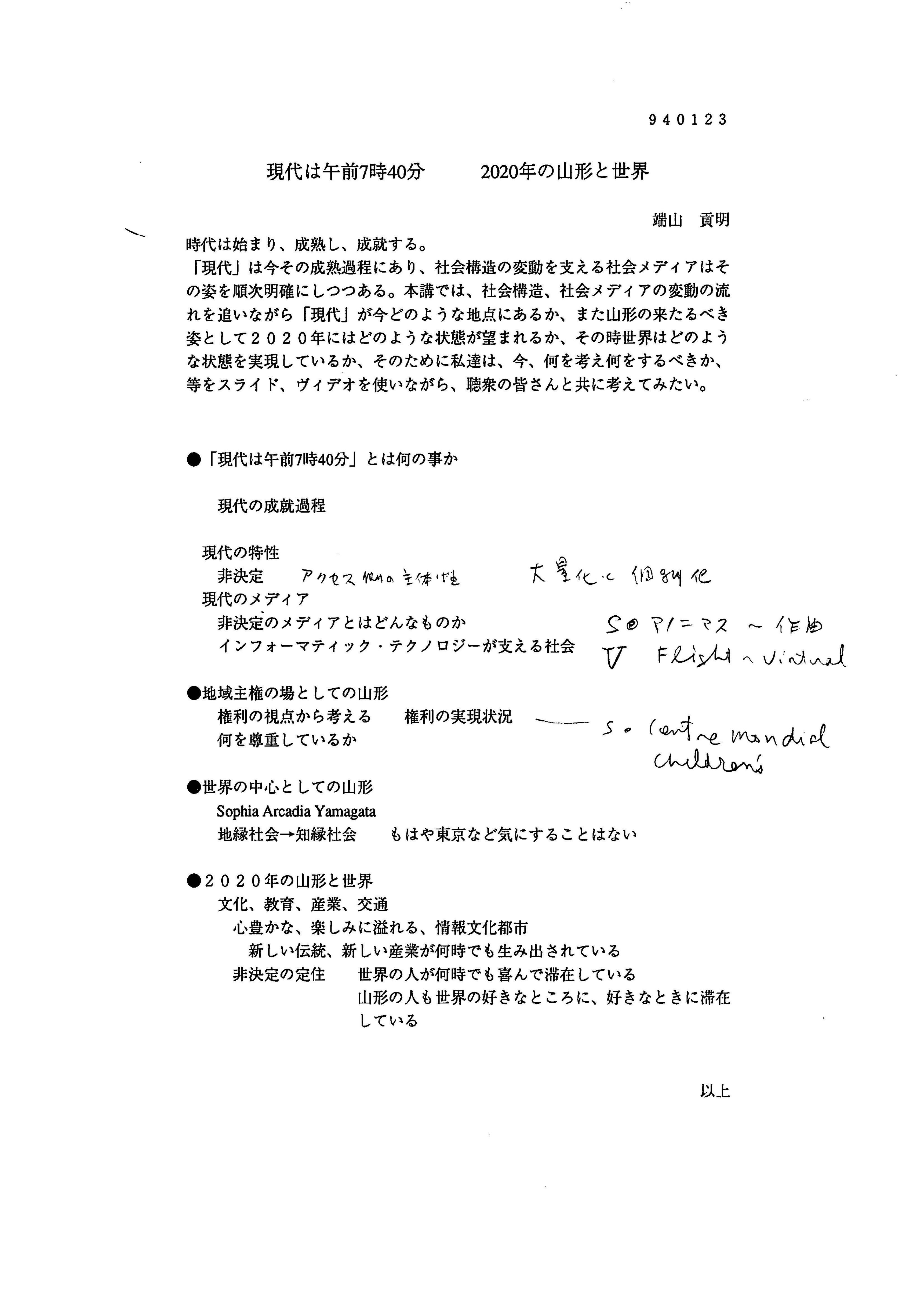
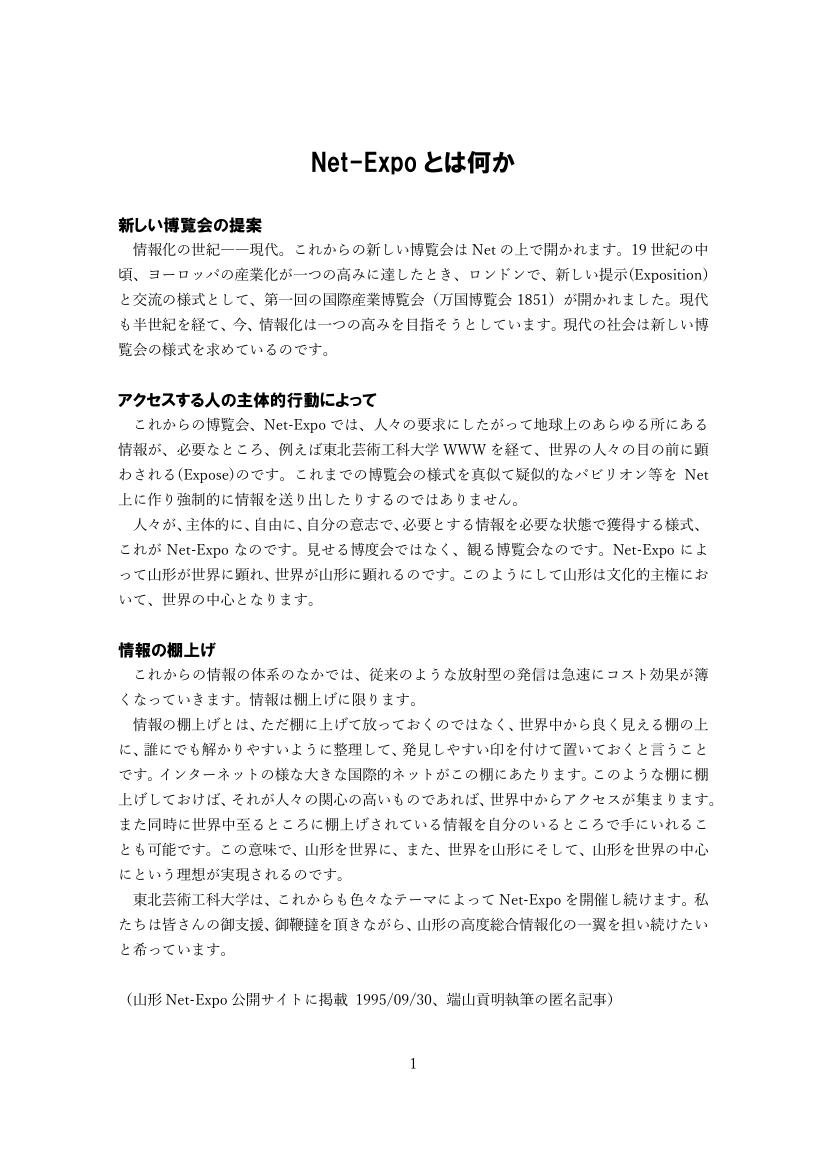
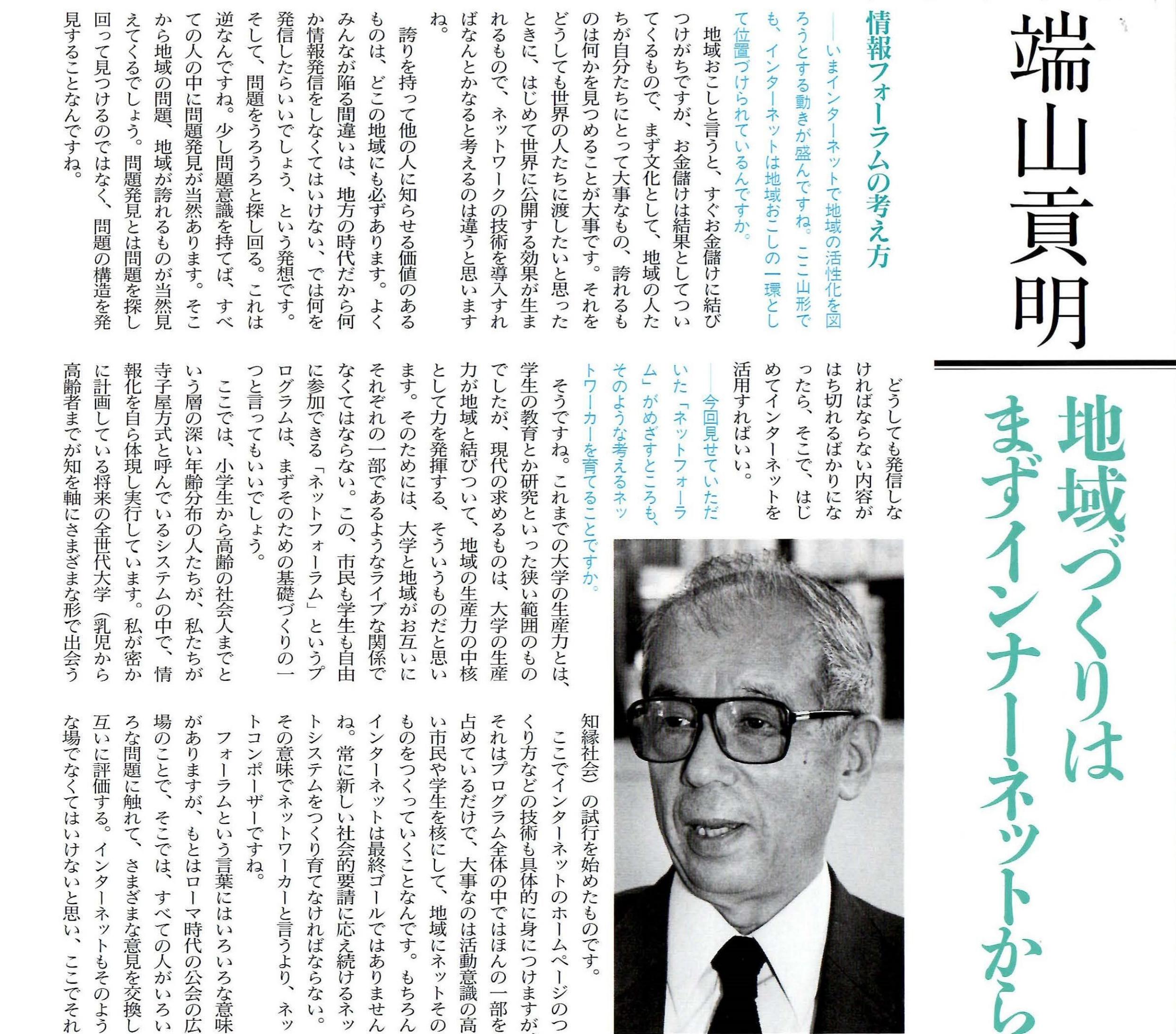
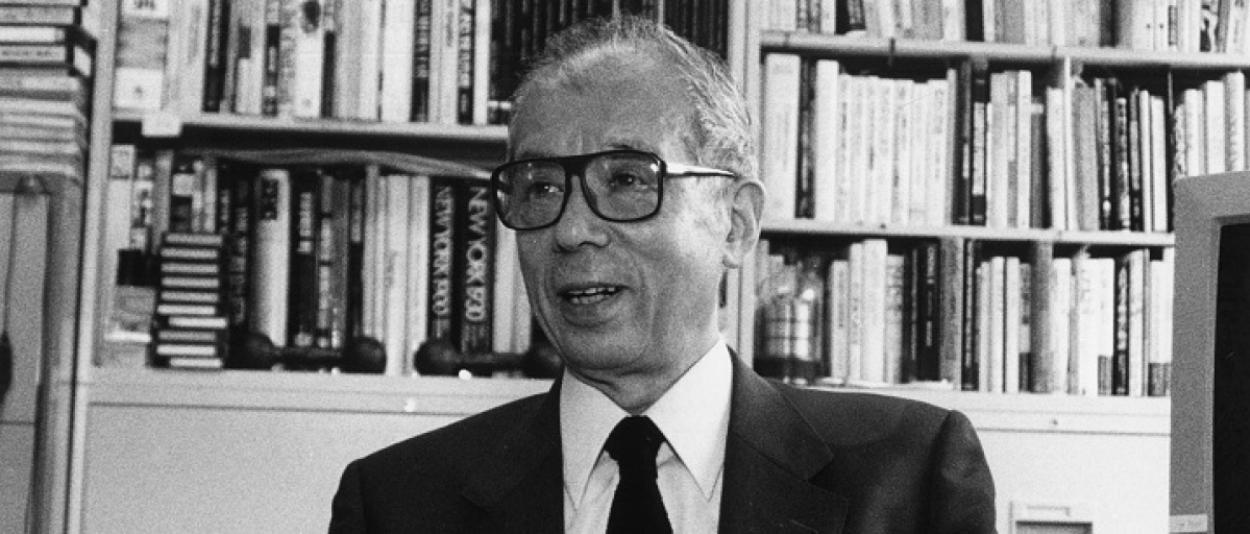
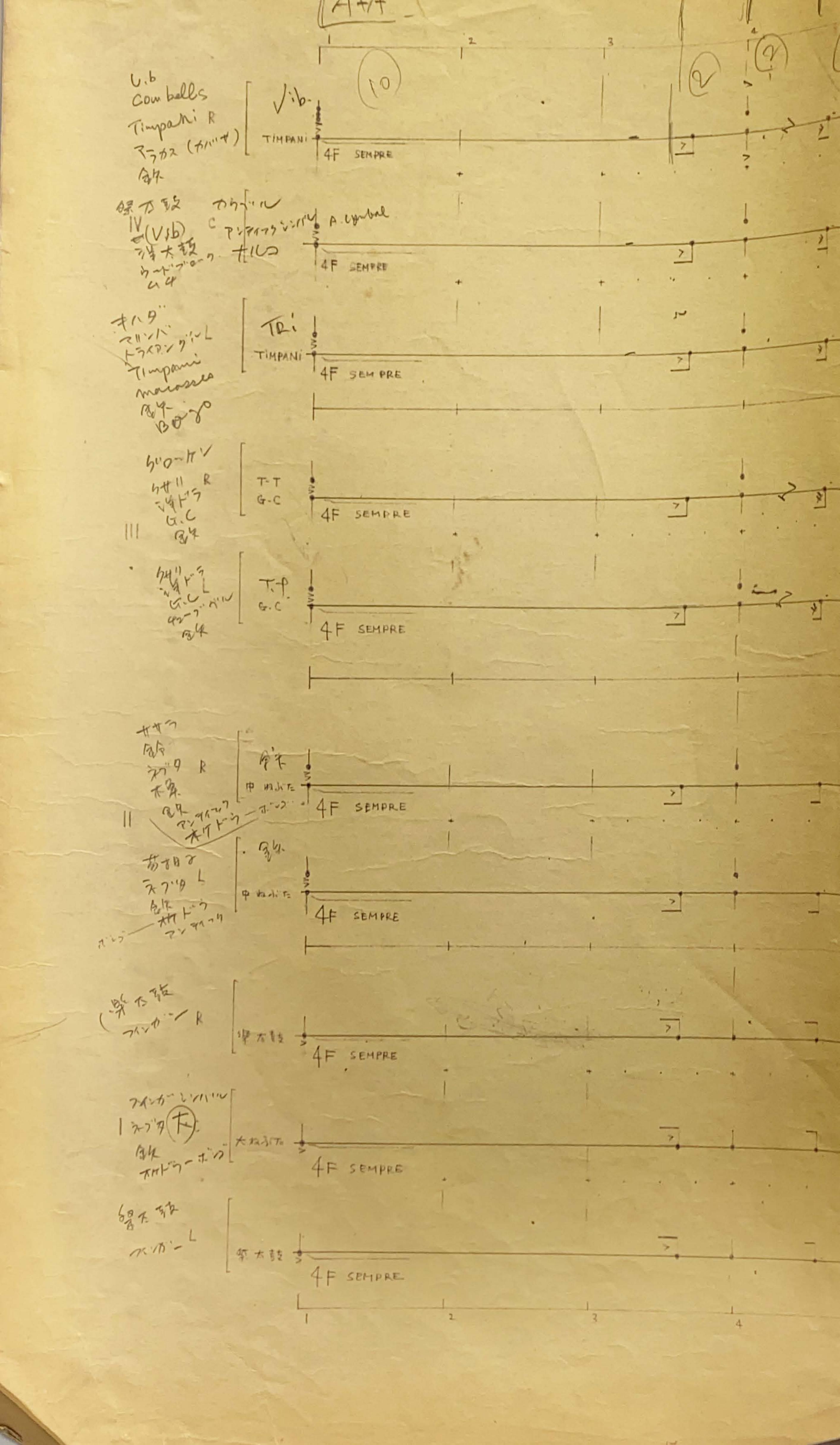
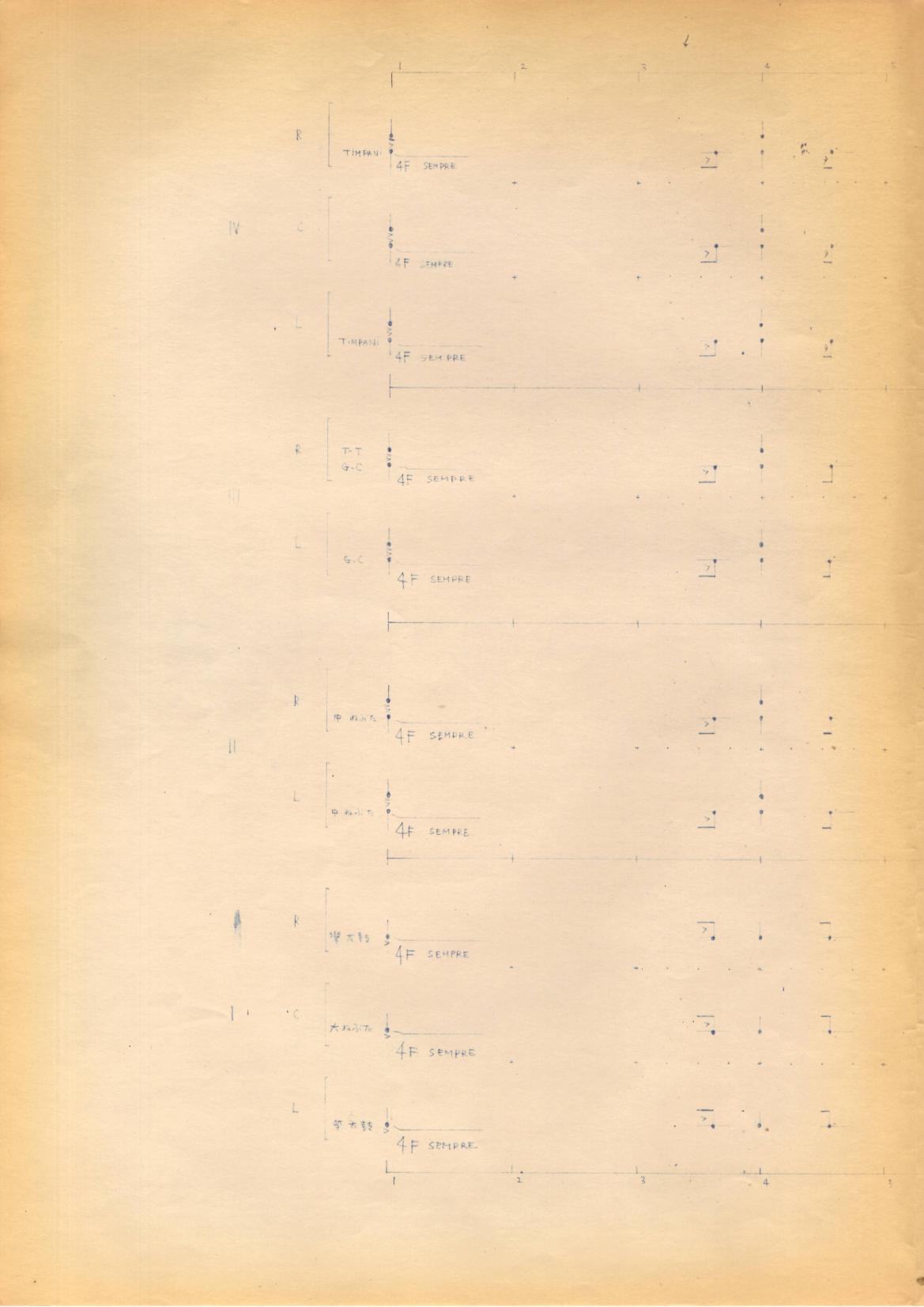
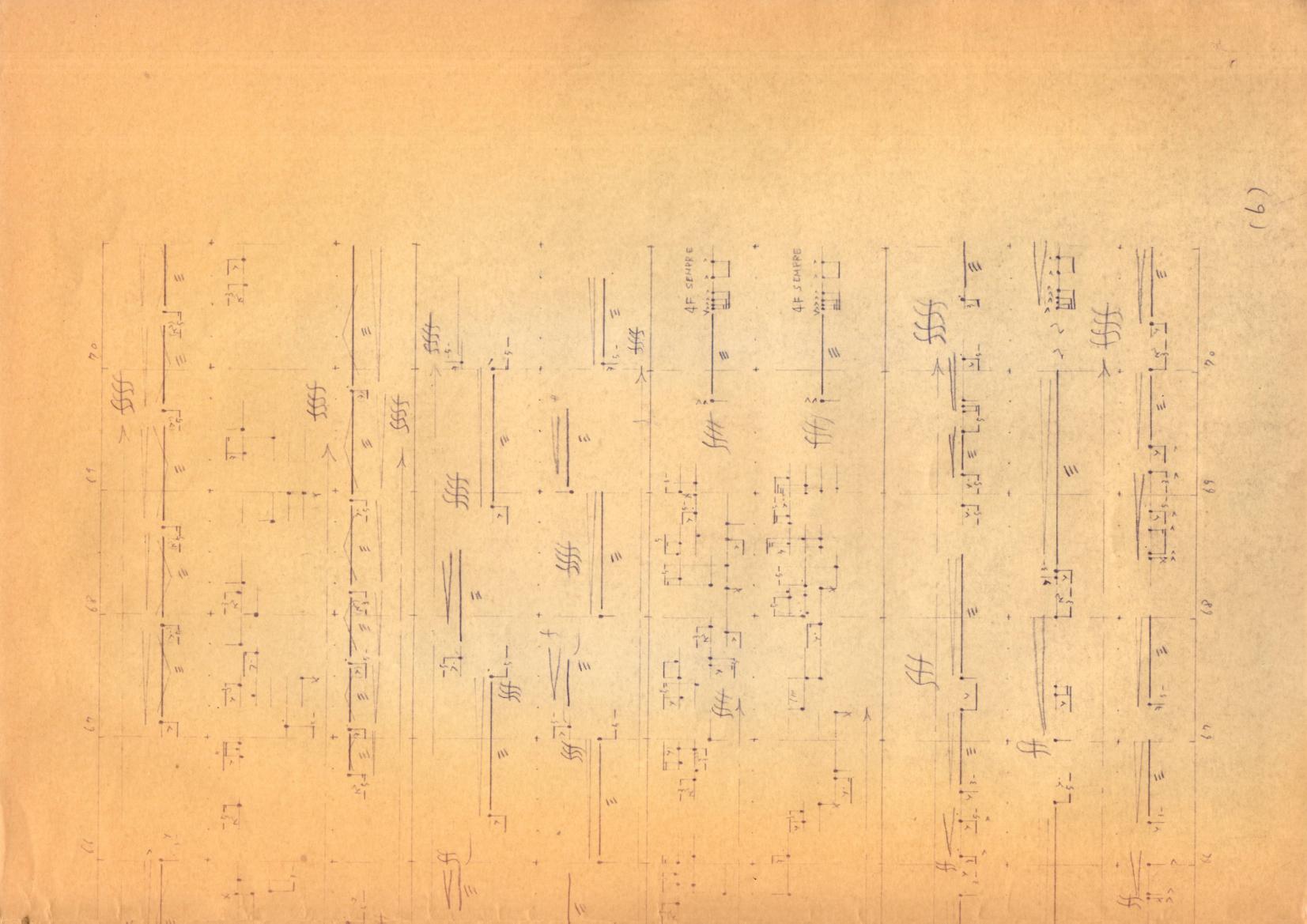
Hayama Kōmei Archive82 items
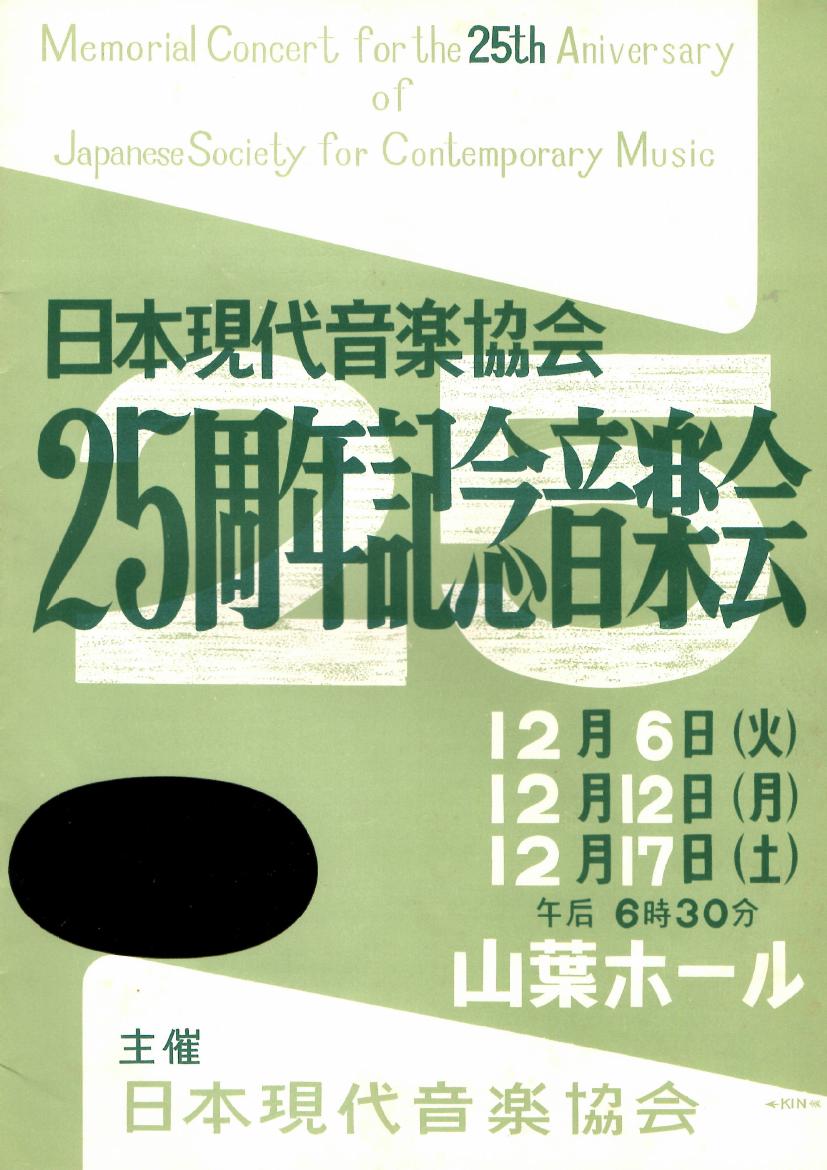
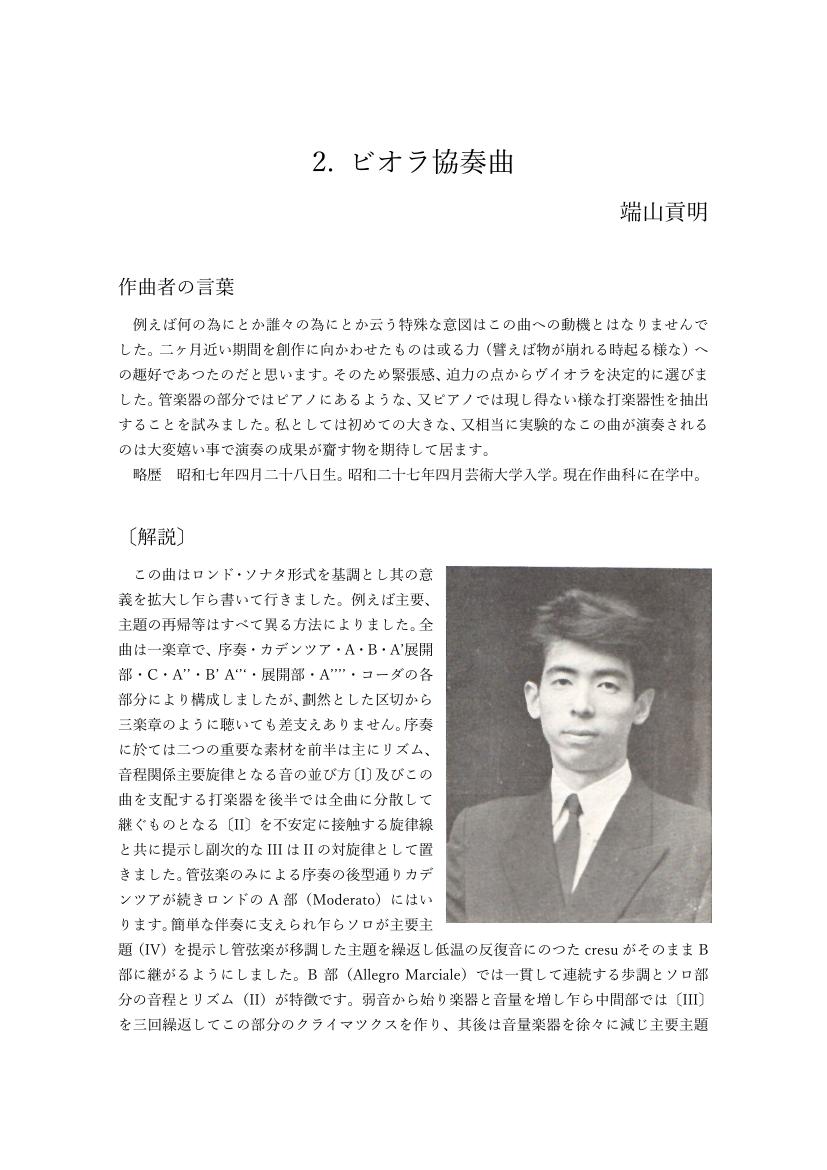
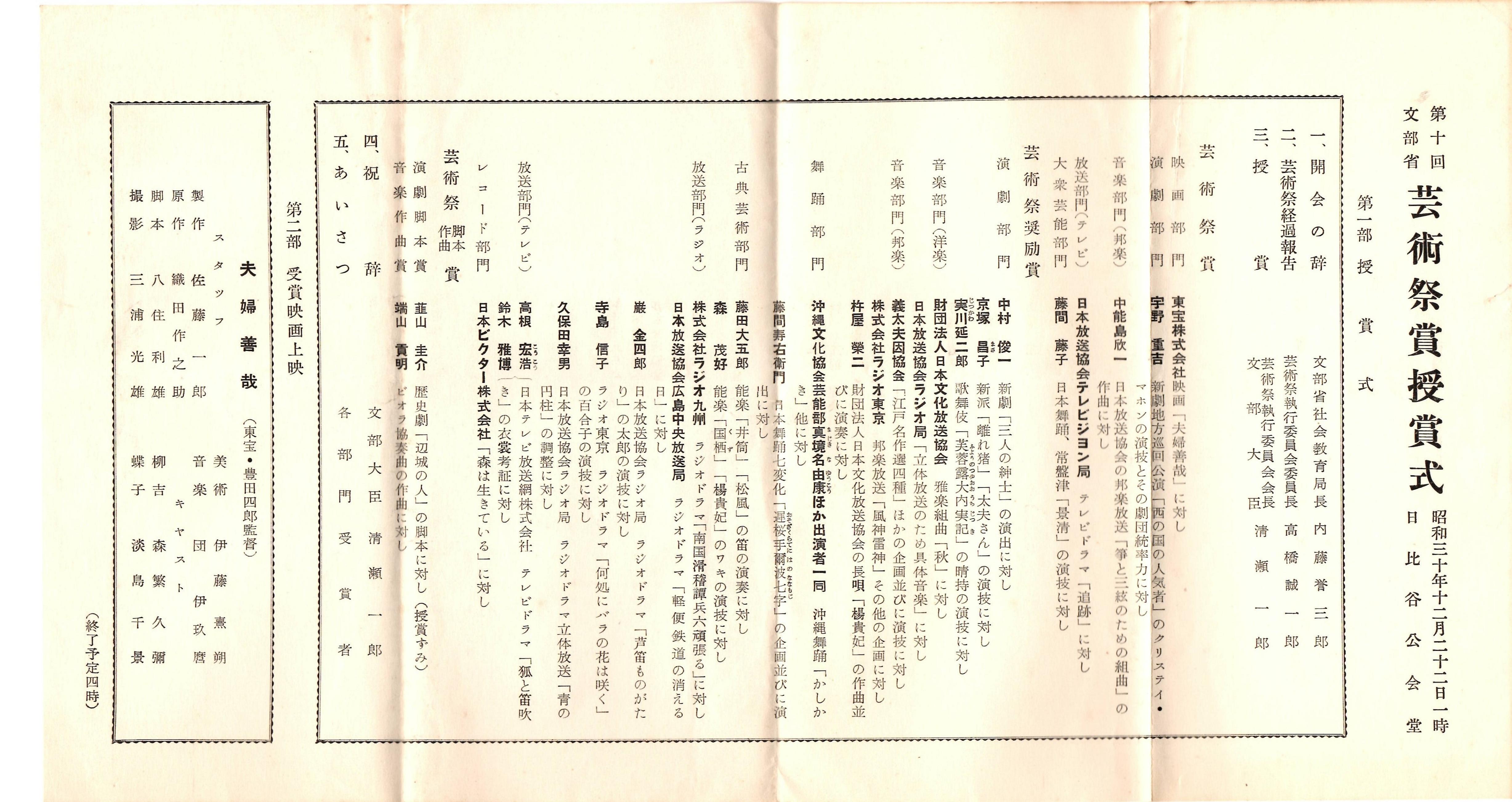
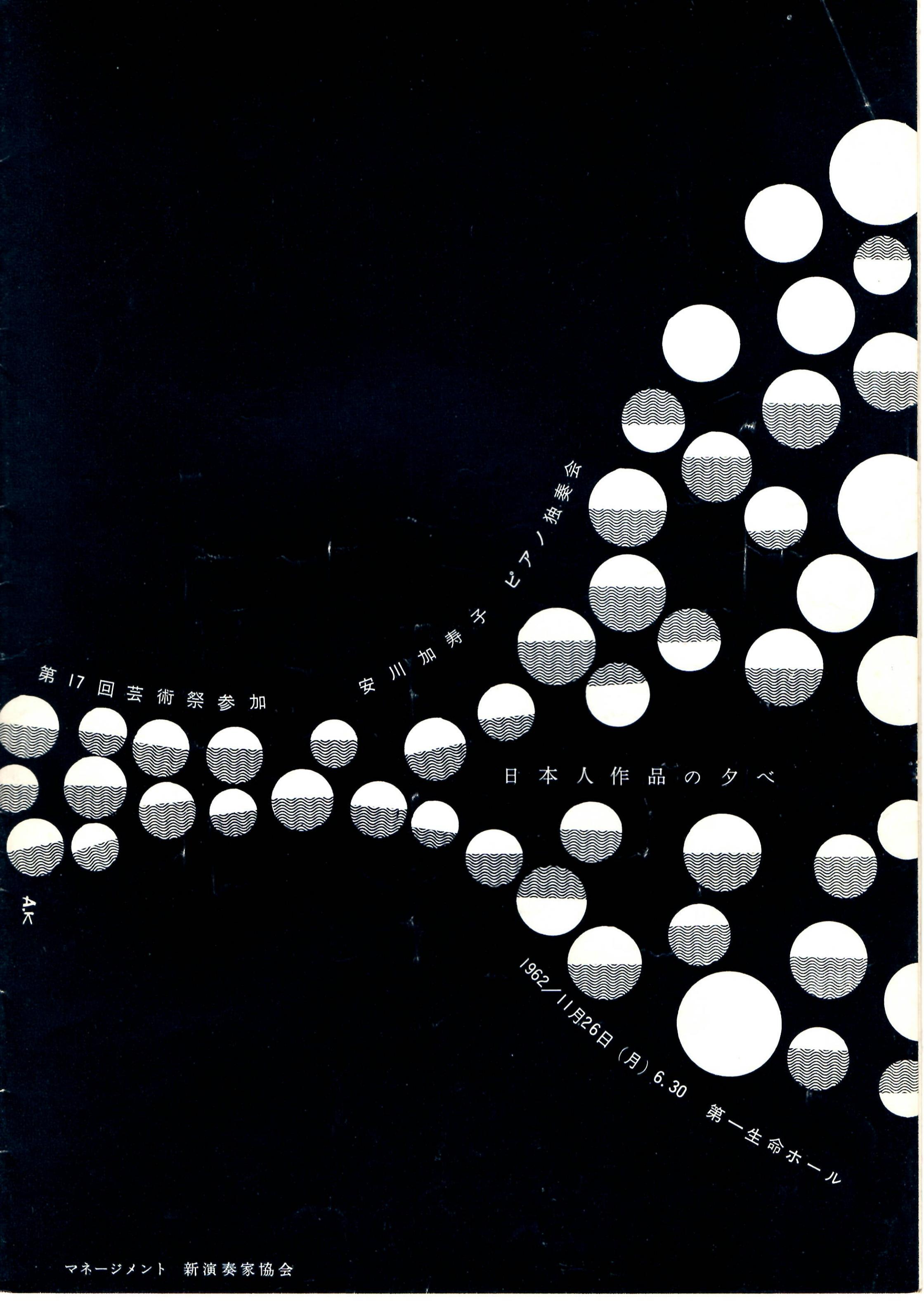
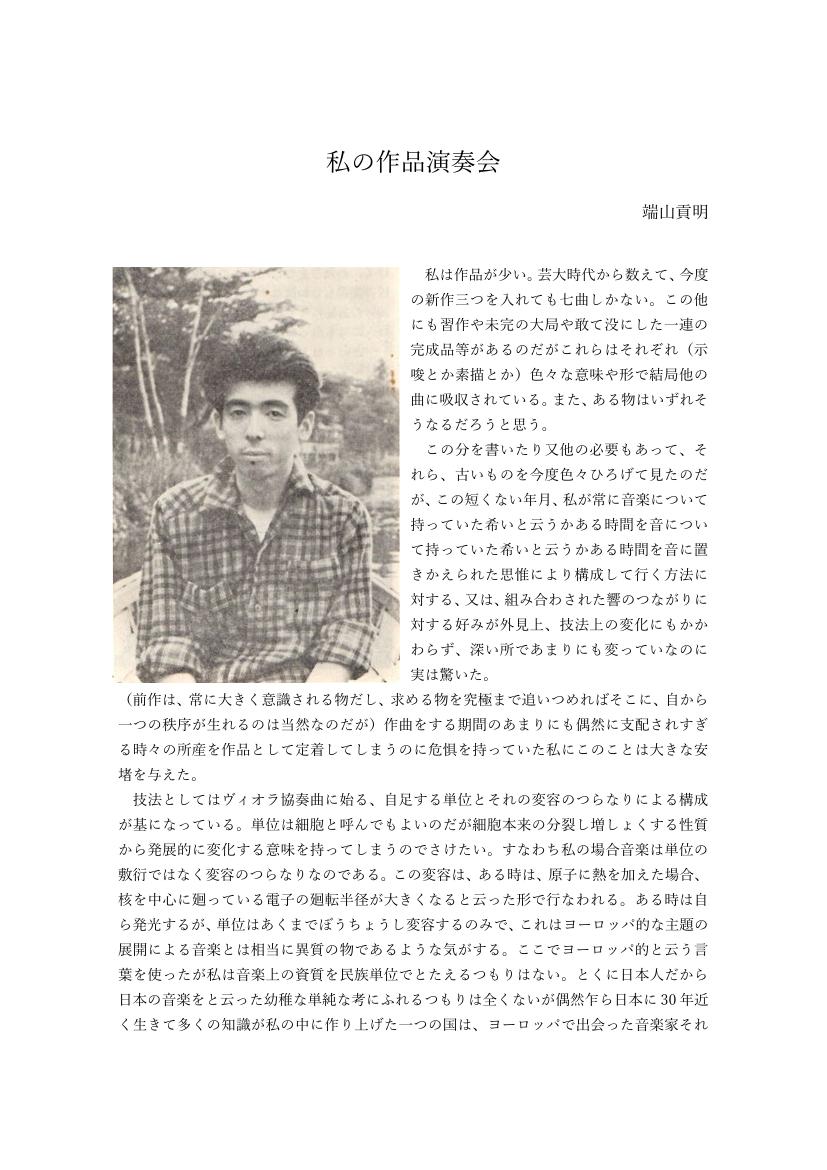
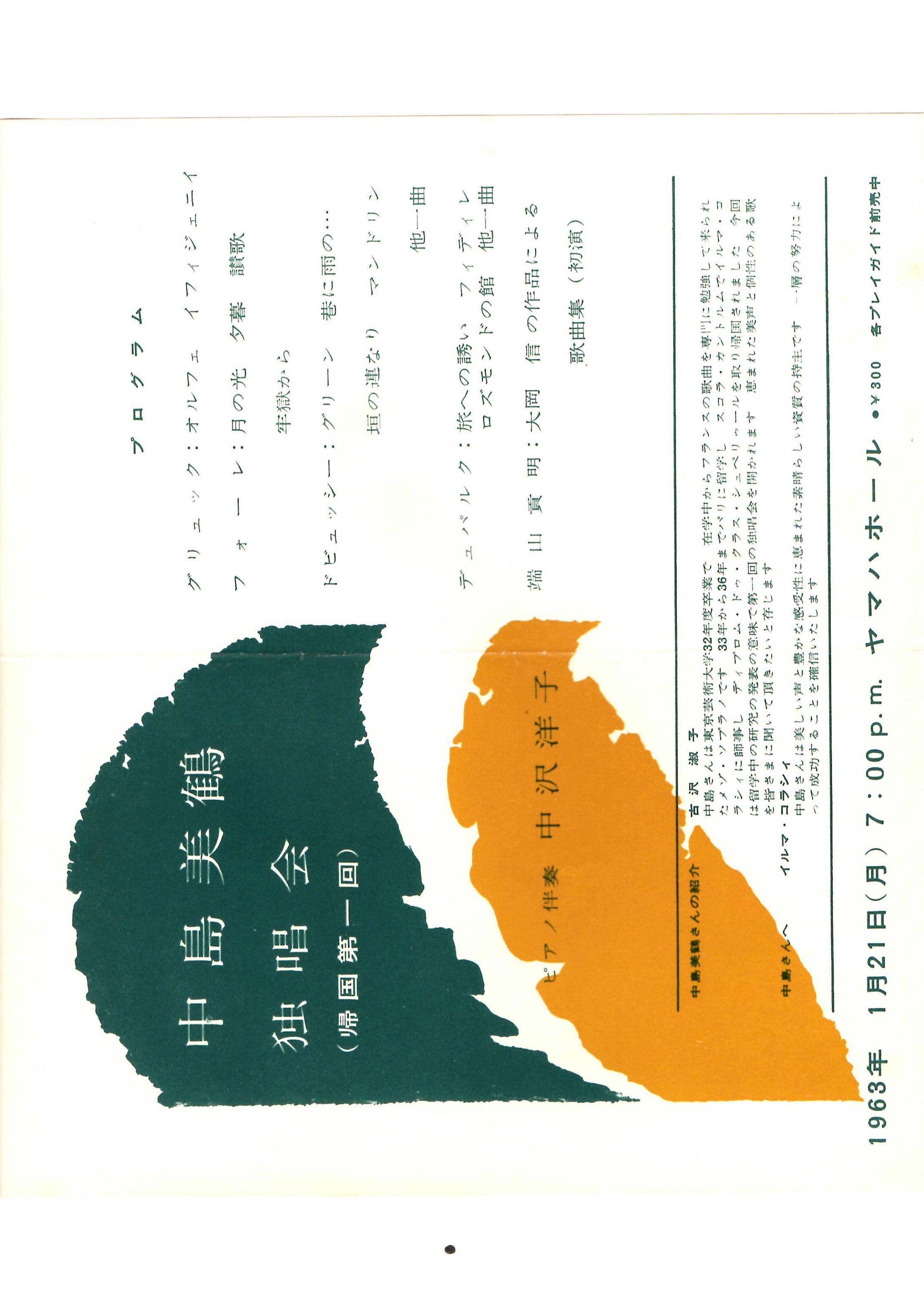
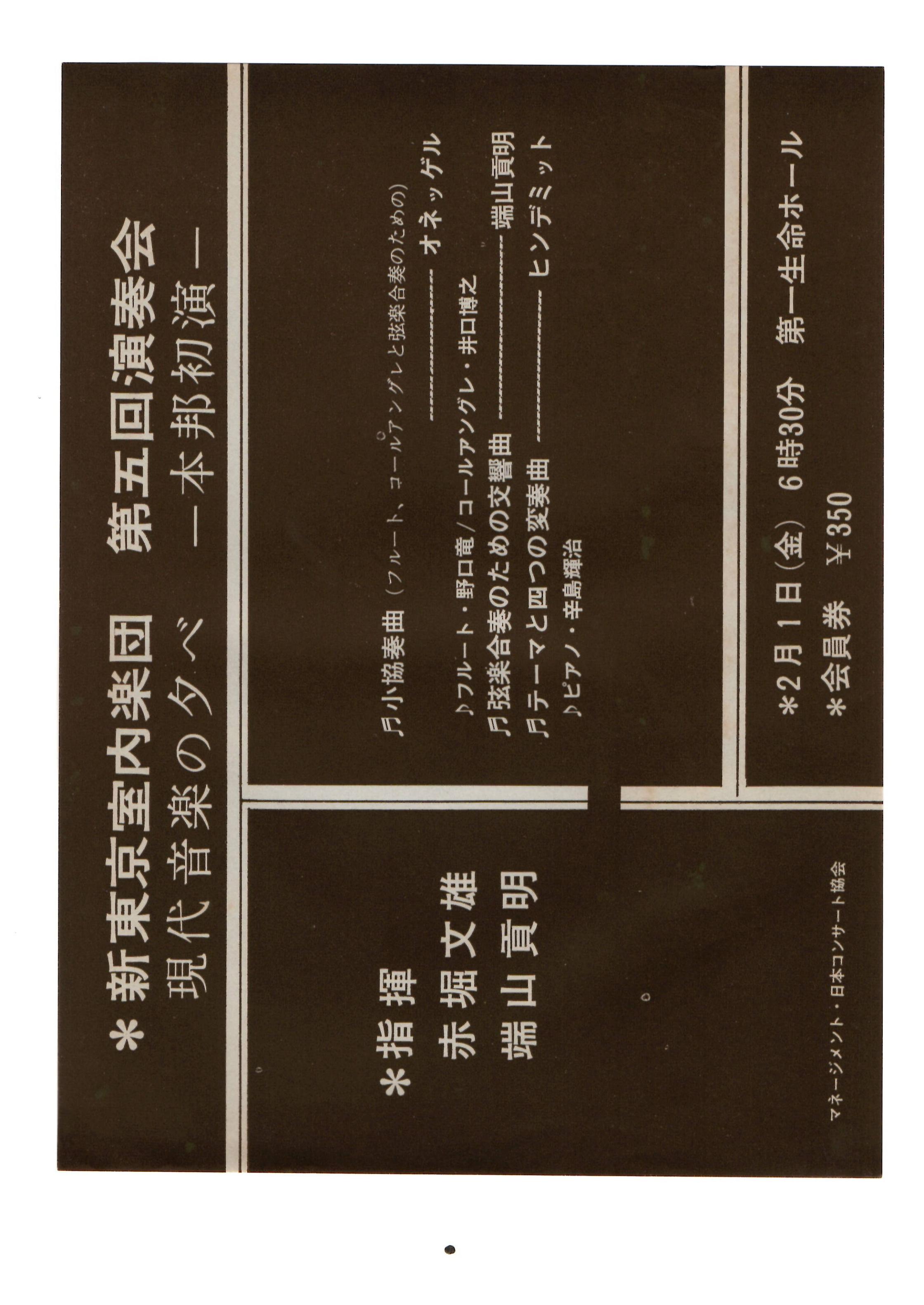
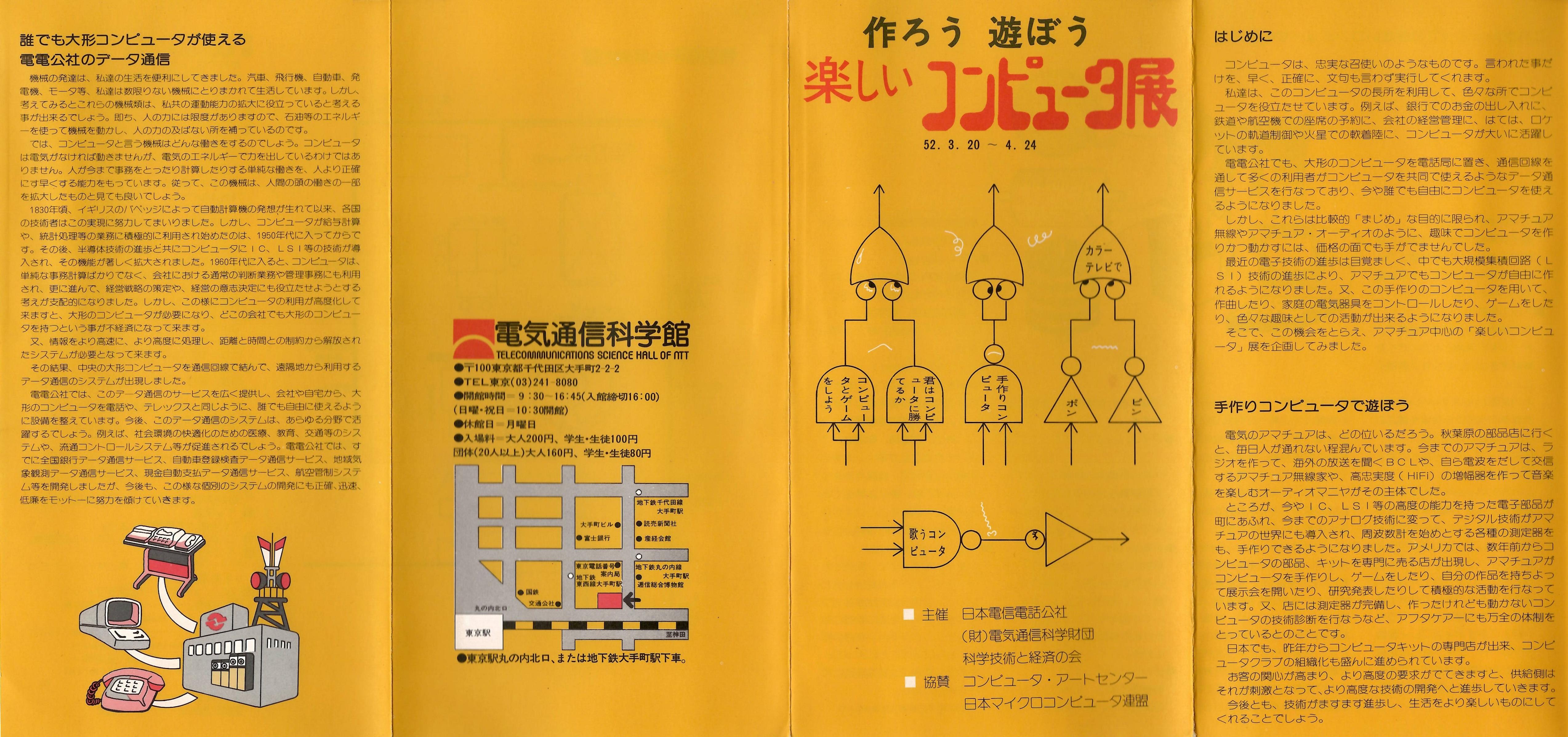
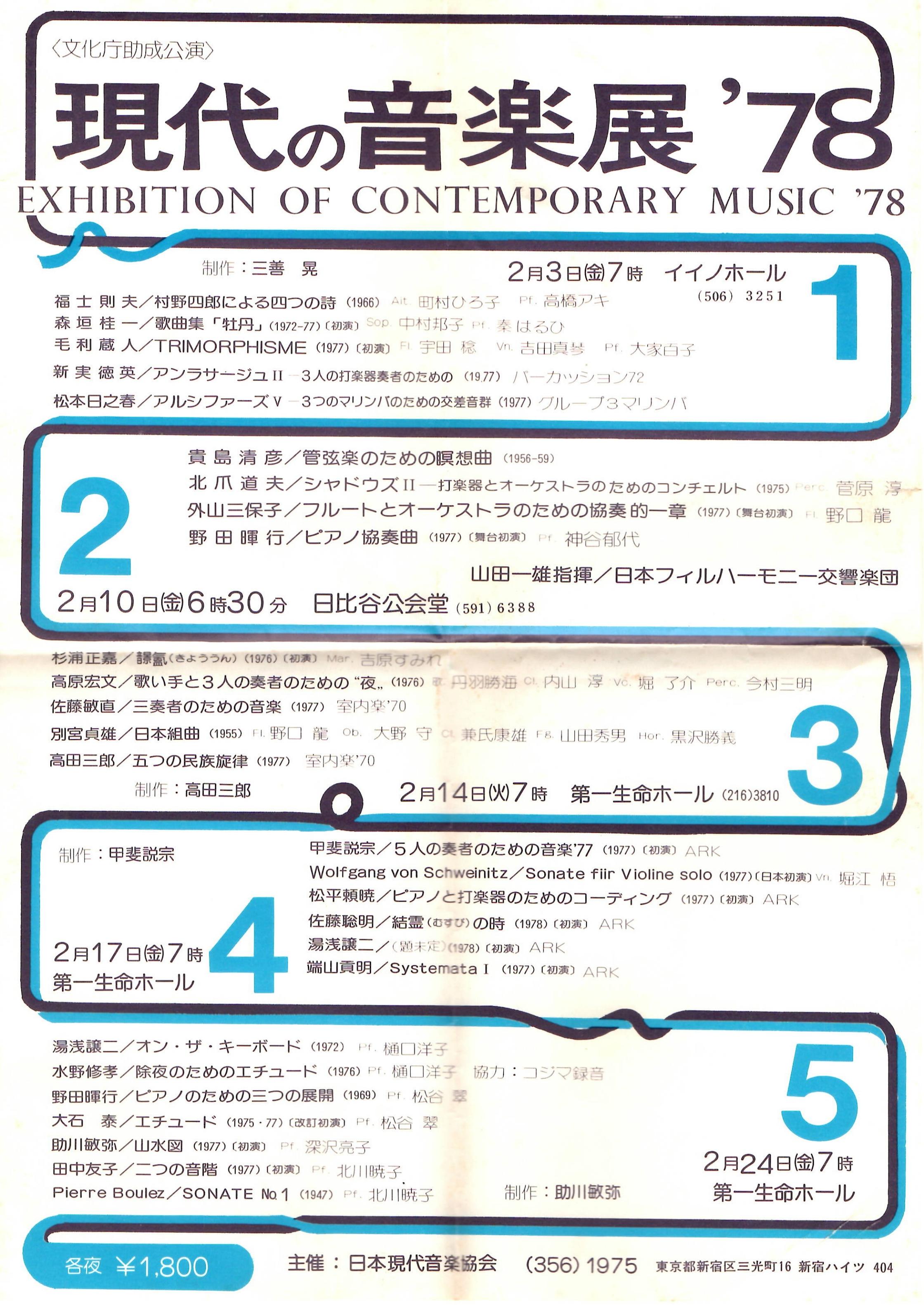
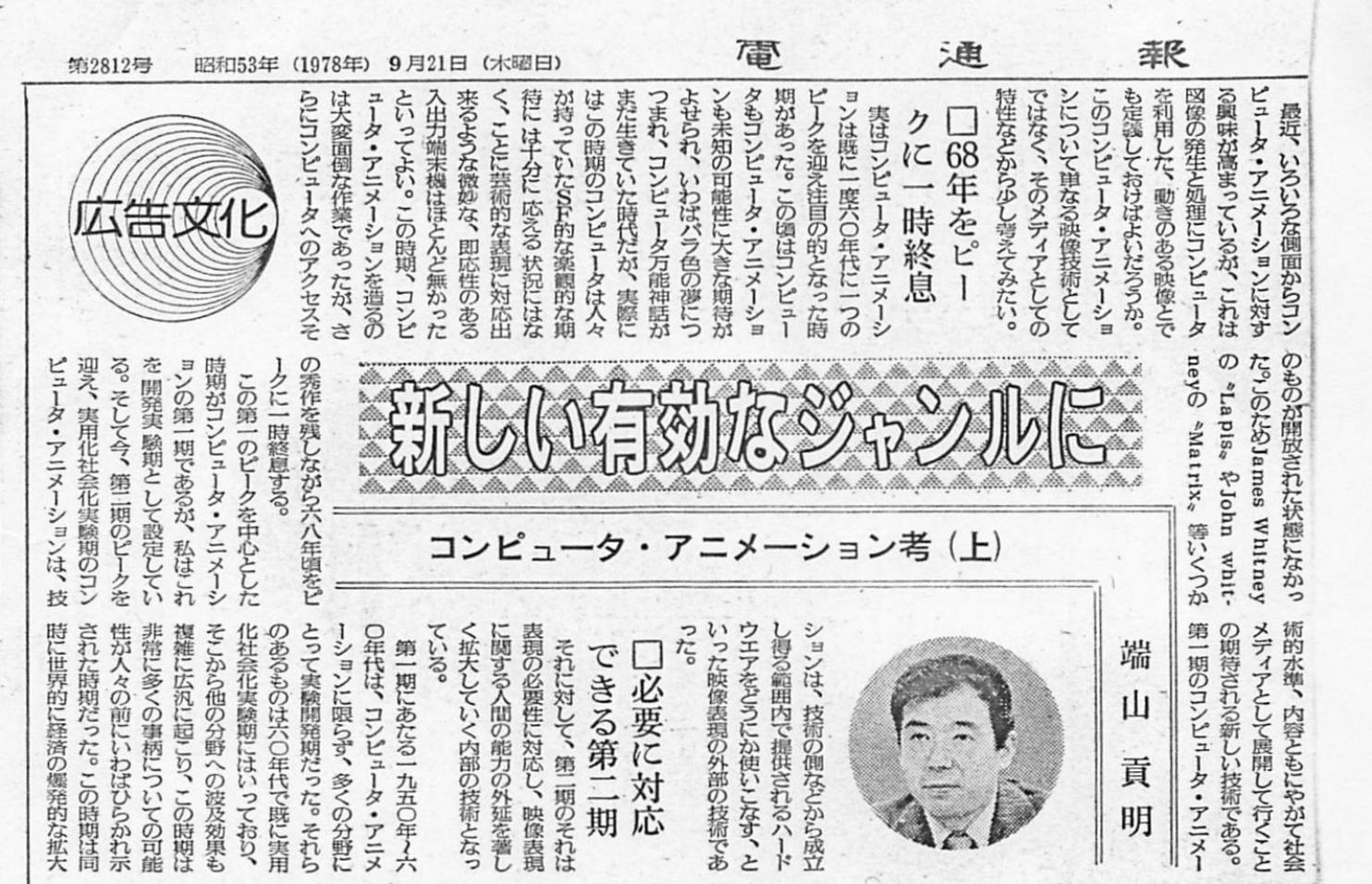
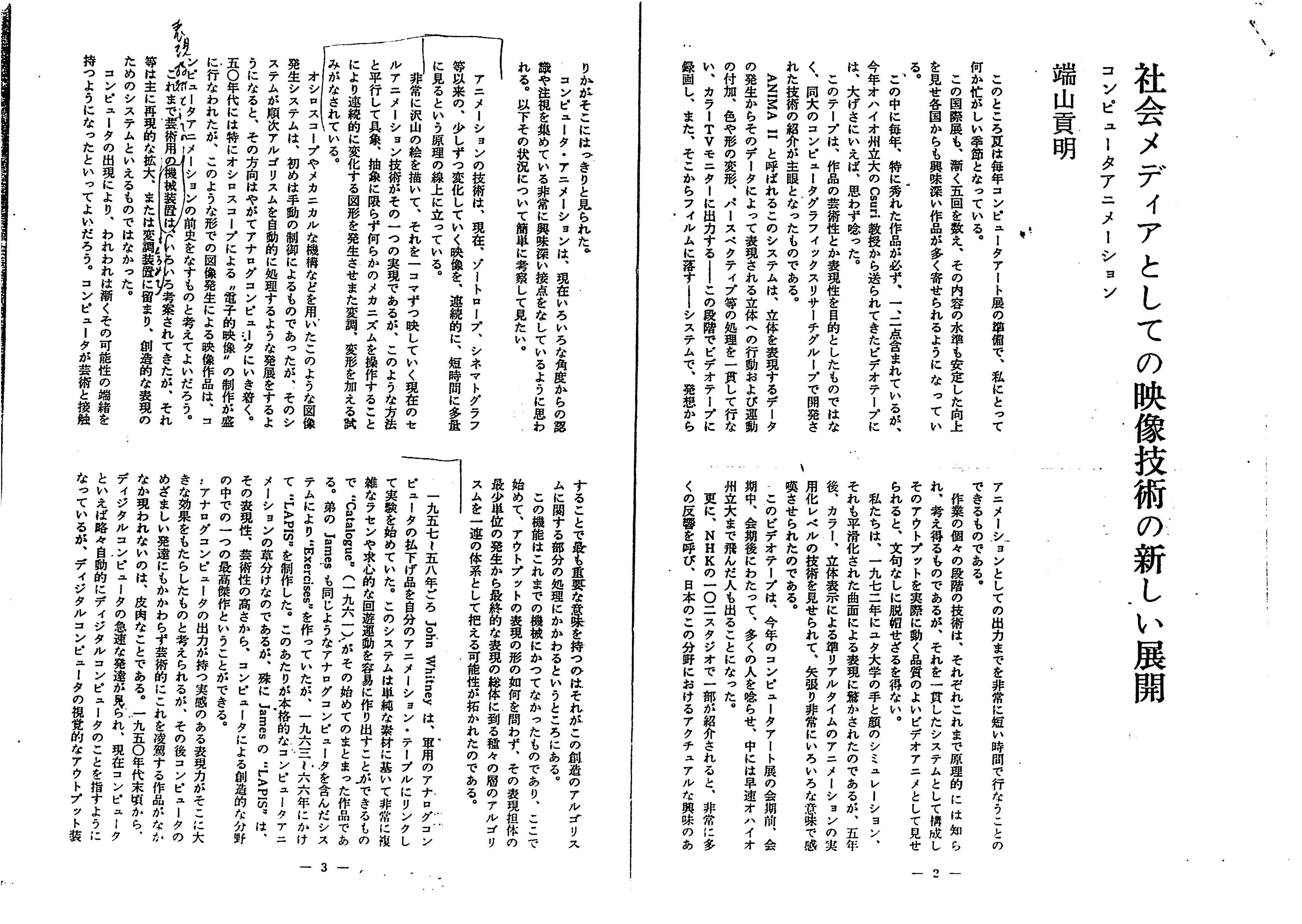
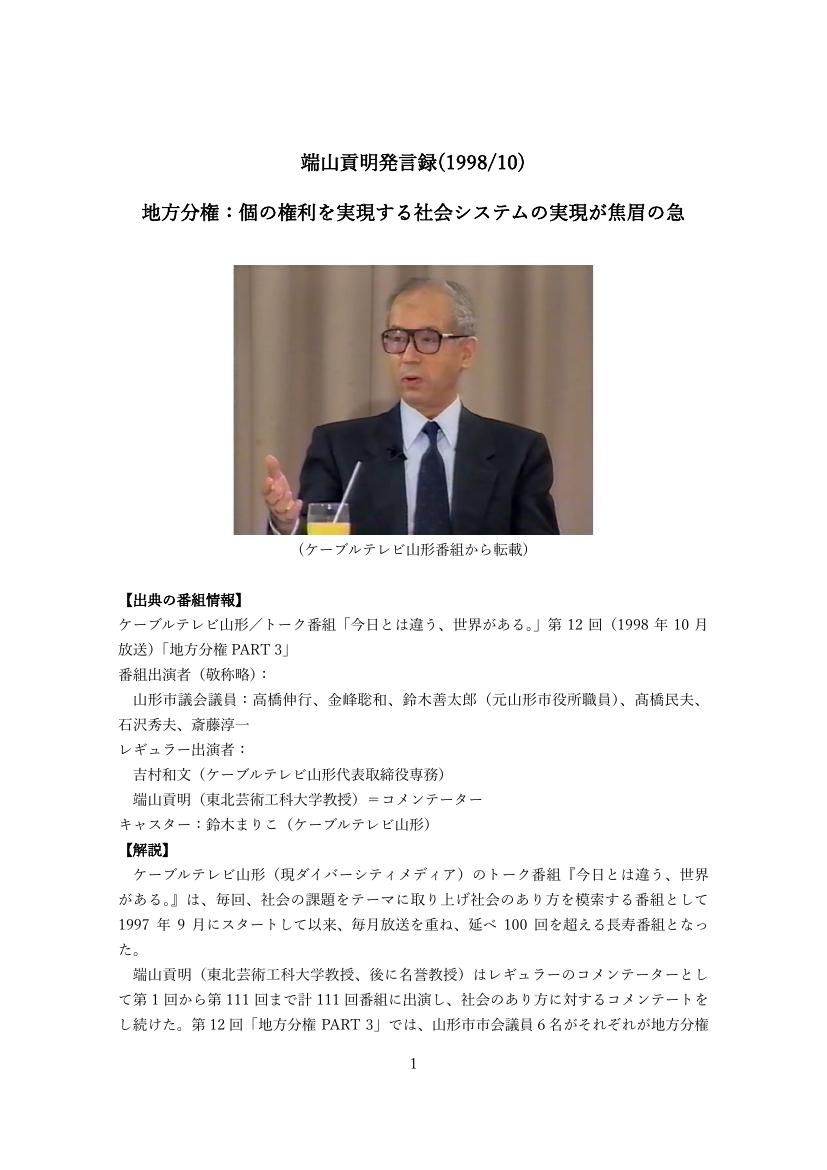
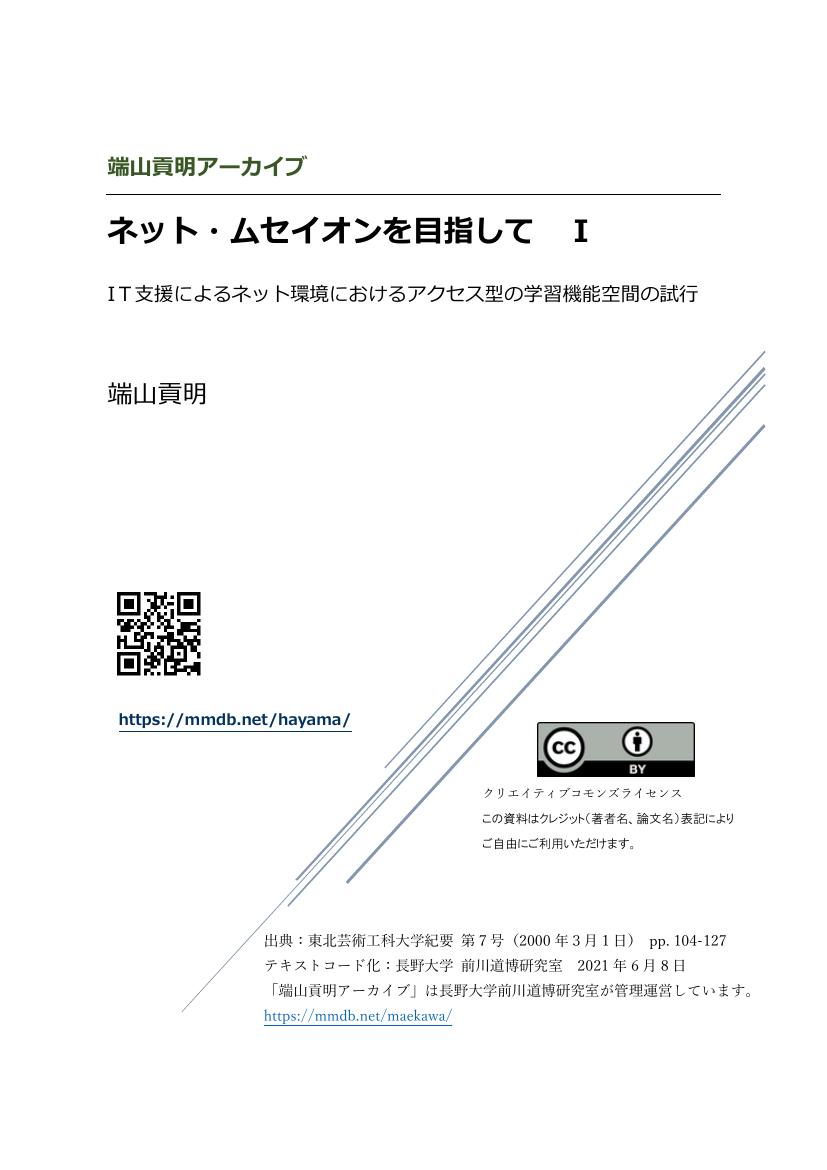
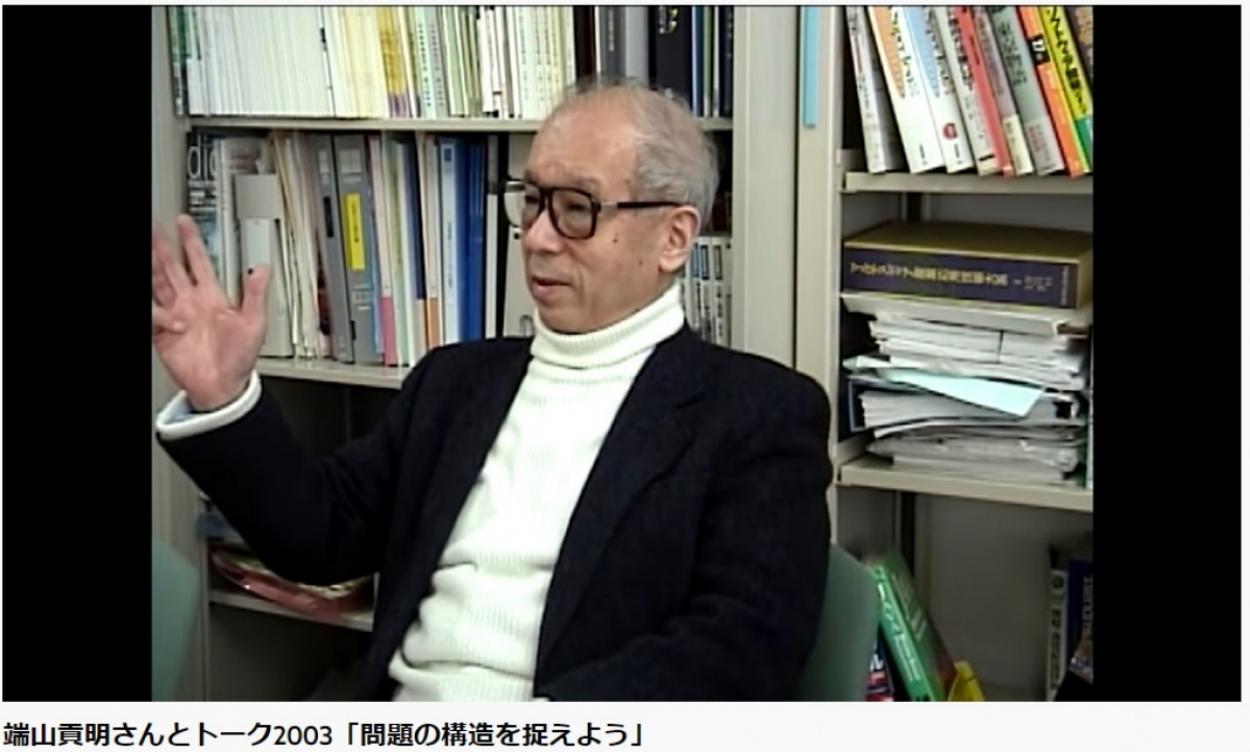
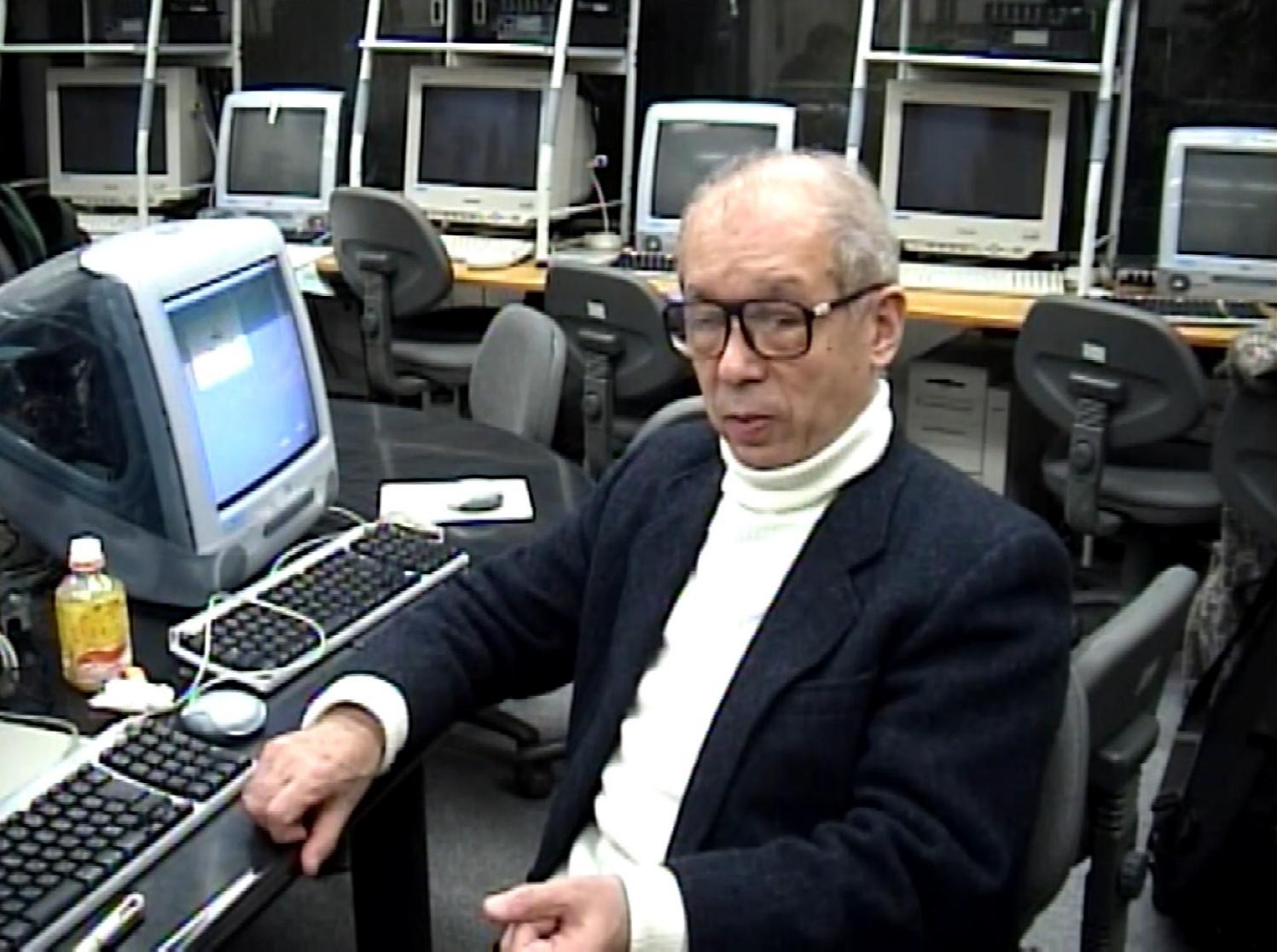
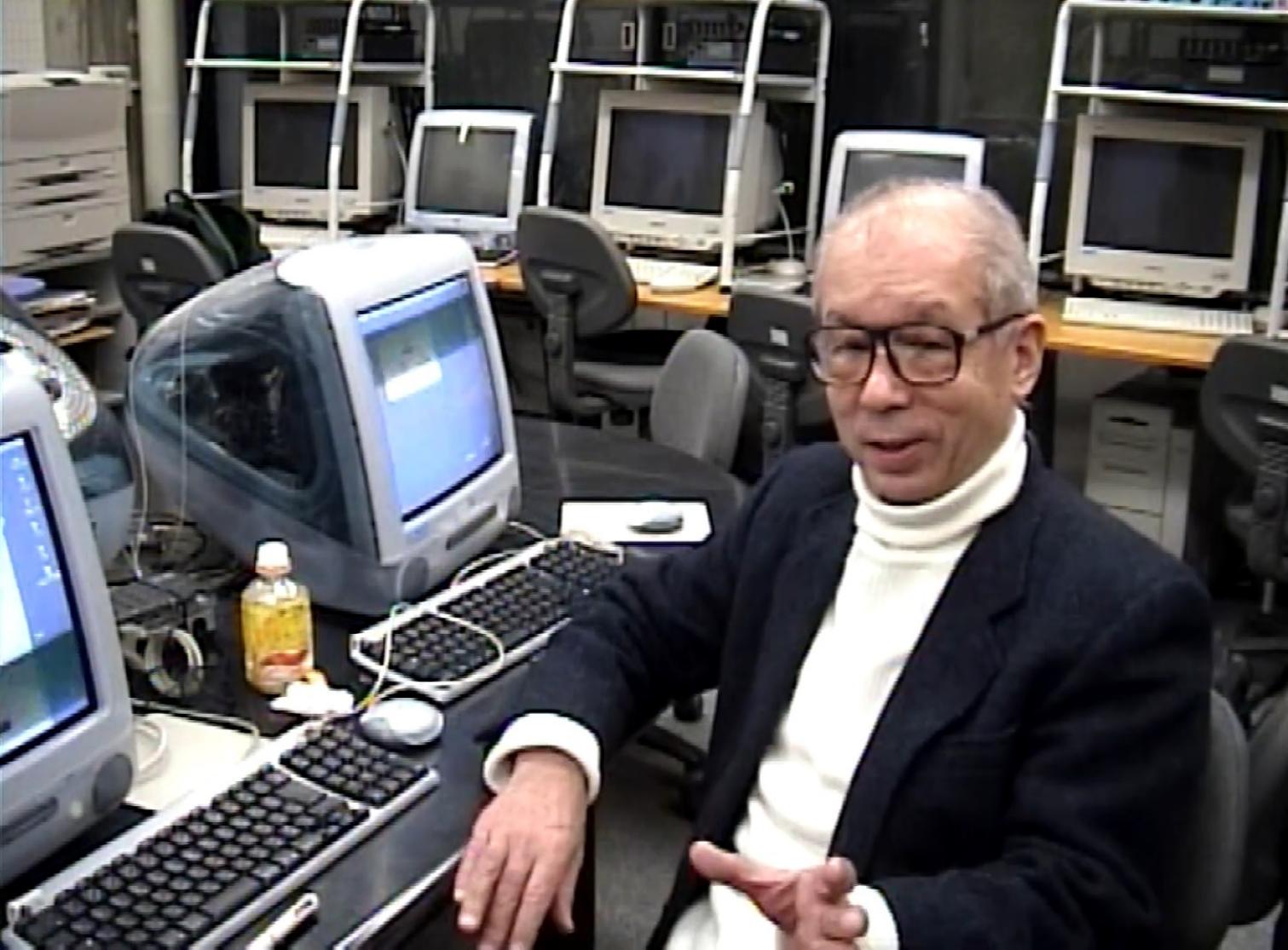
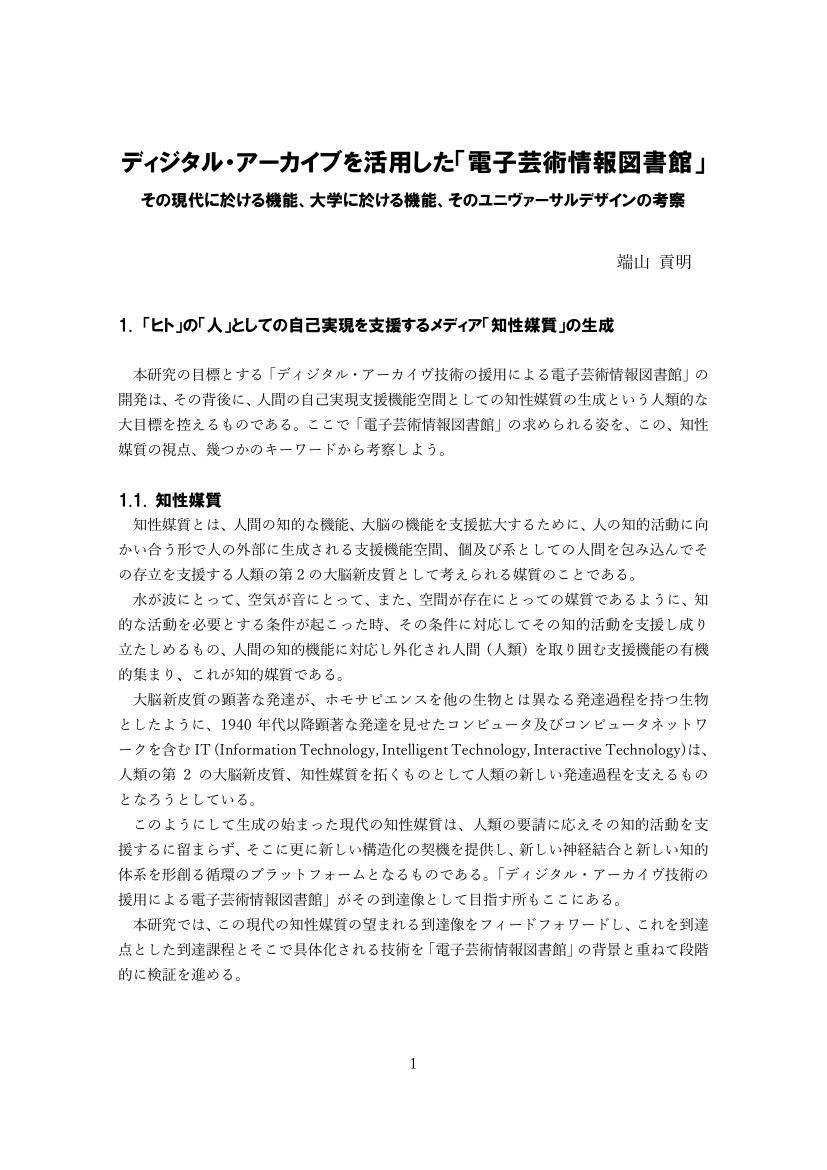
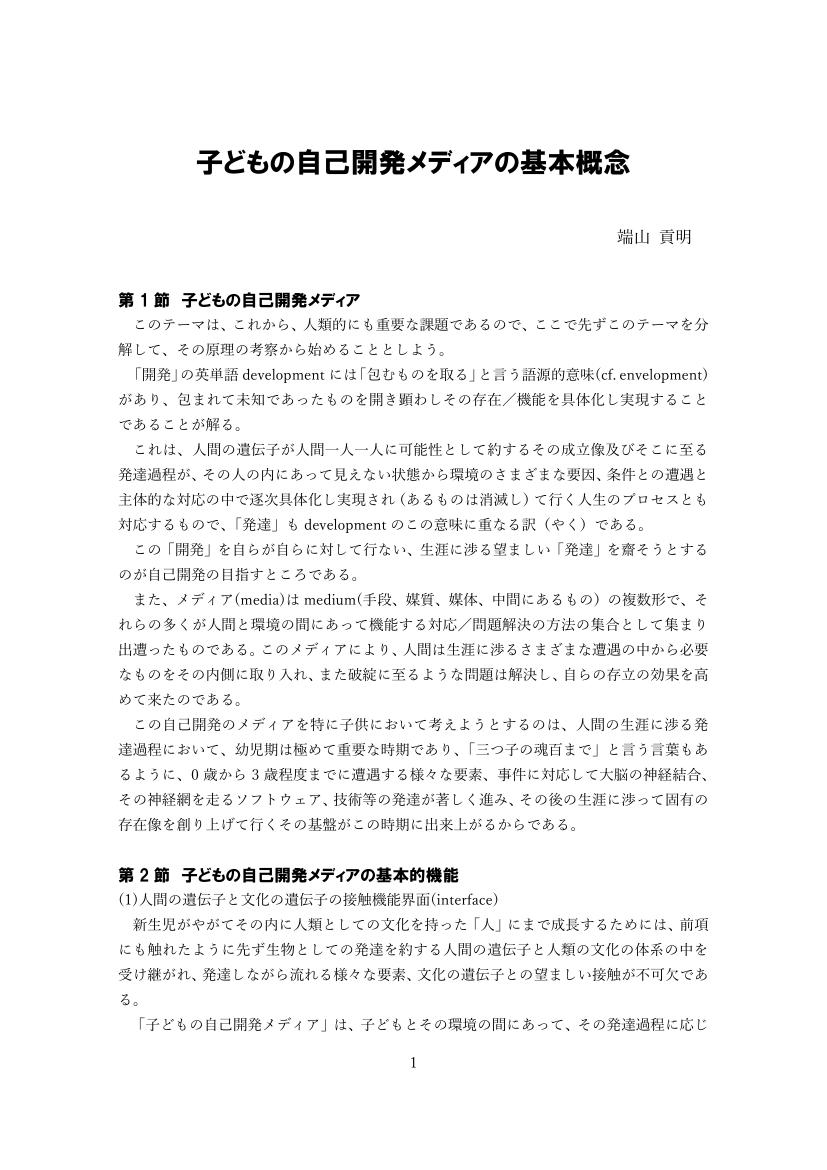
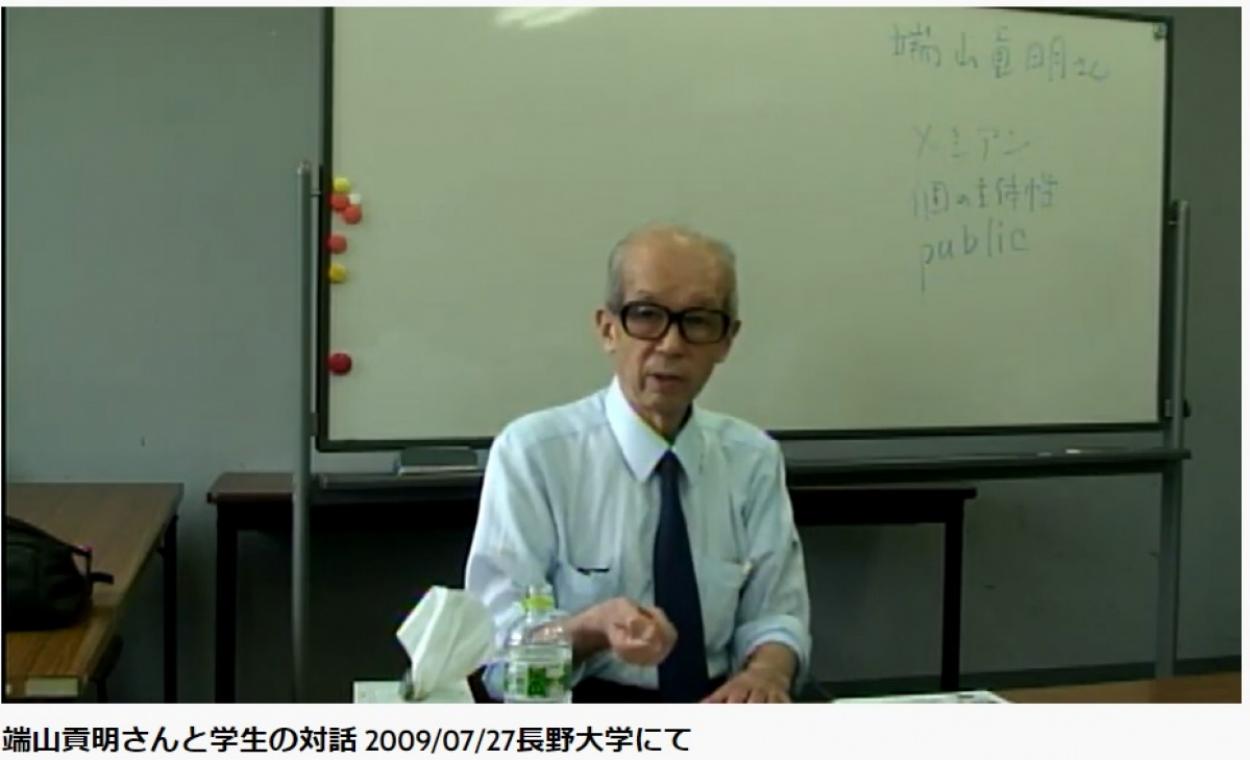
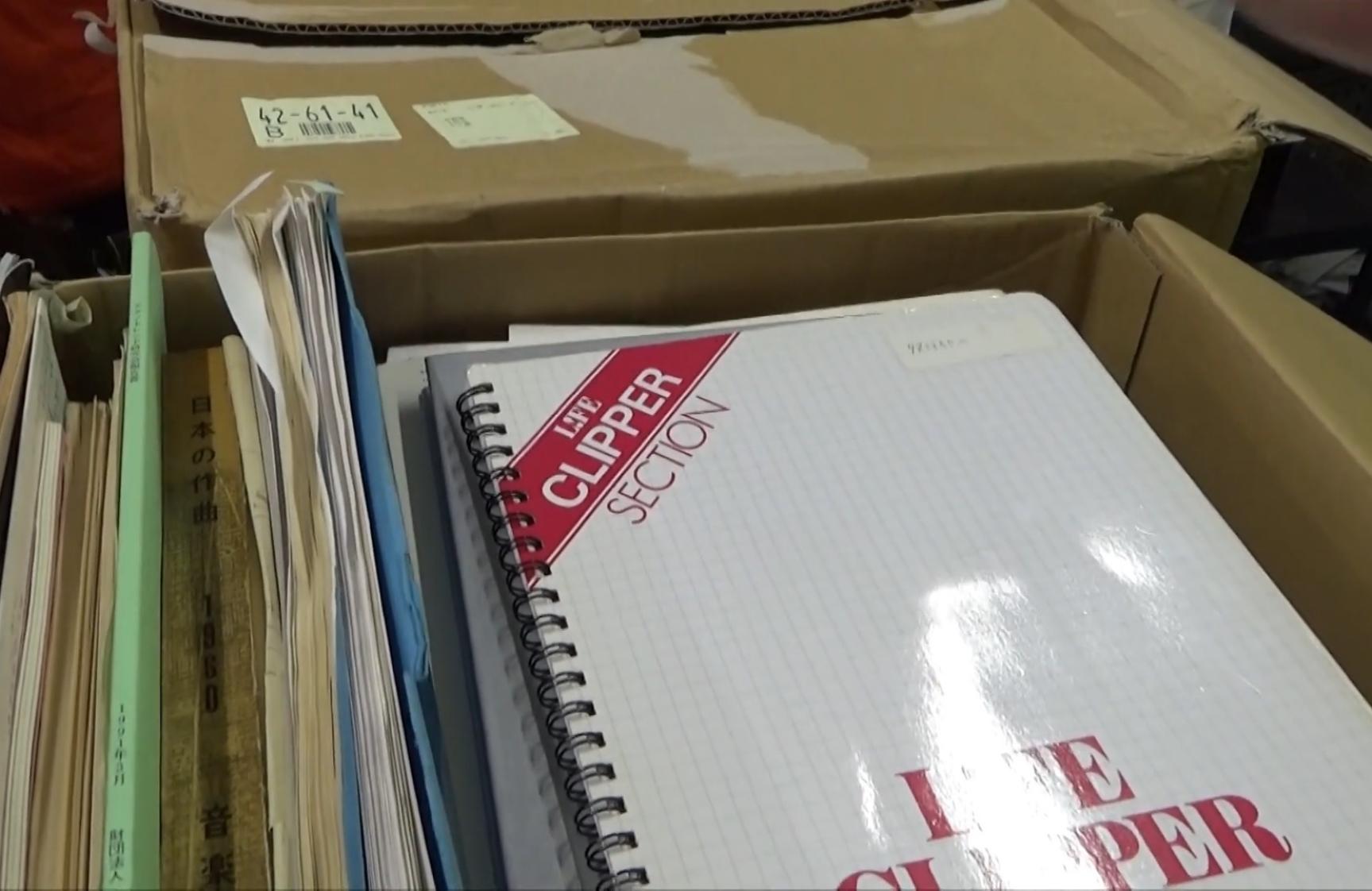
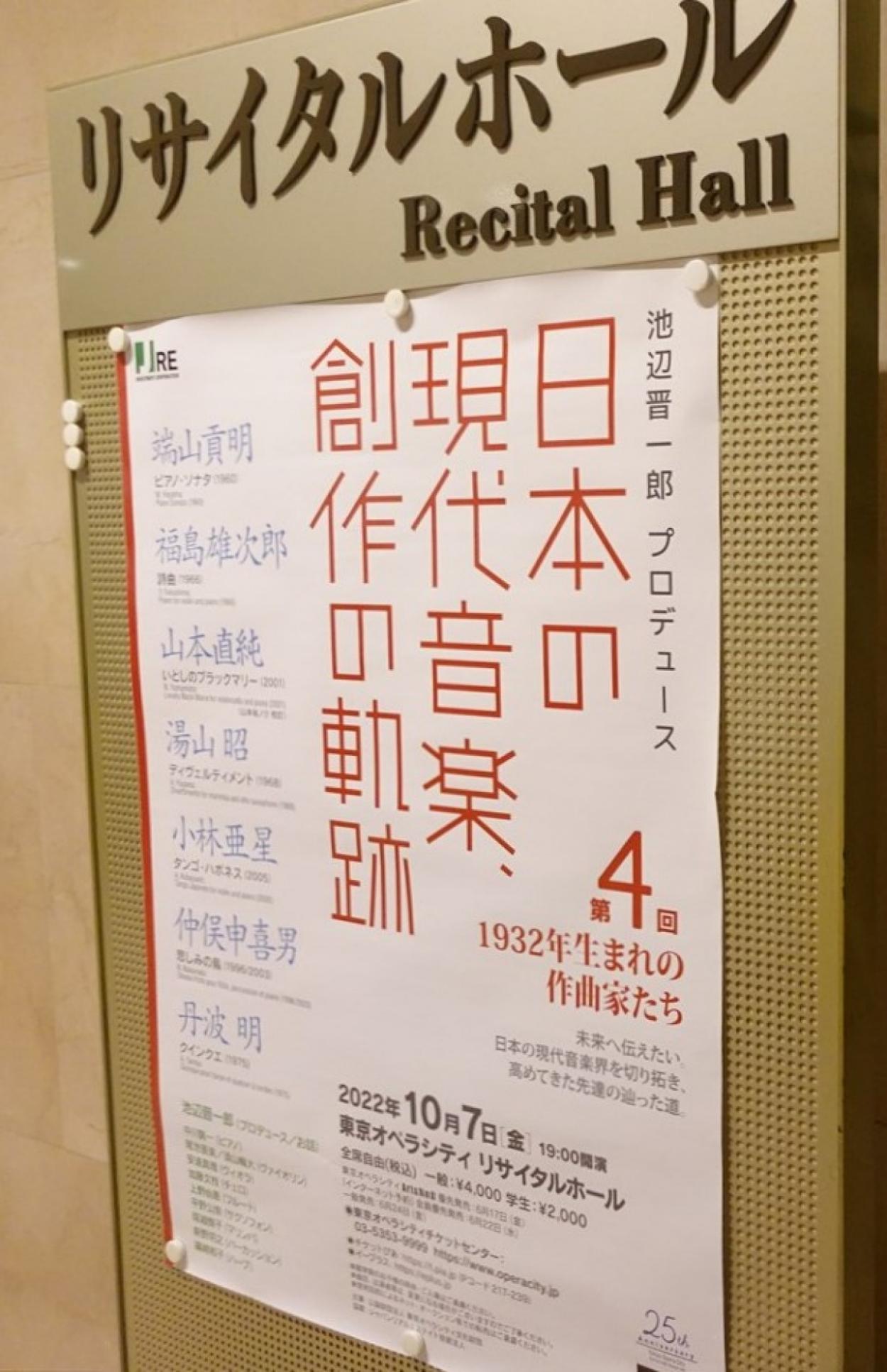
The 端山貢明アーカイブ, published under an open licence by the Hayama Kōmei Archive Project at Nagano University and mirrored here almost in full: scores, essays, lectures and planning documents from a composer who thought about information, cities and rights.