Komei Hayama
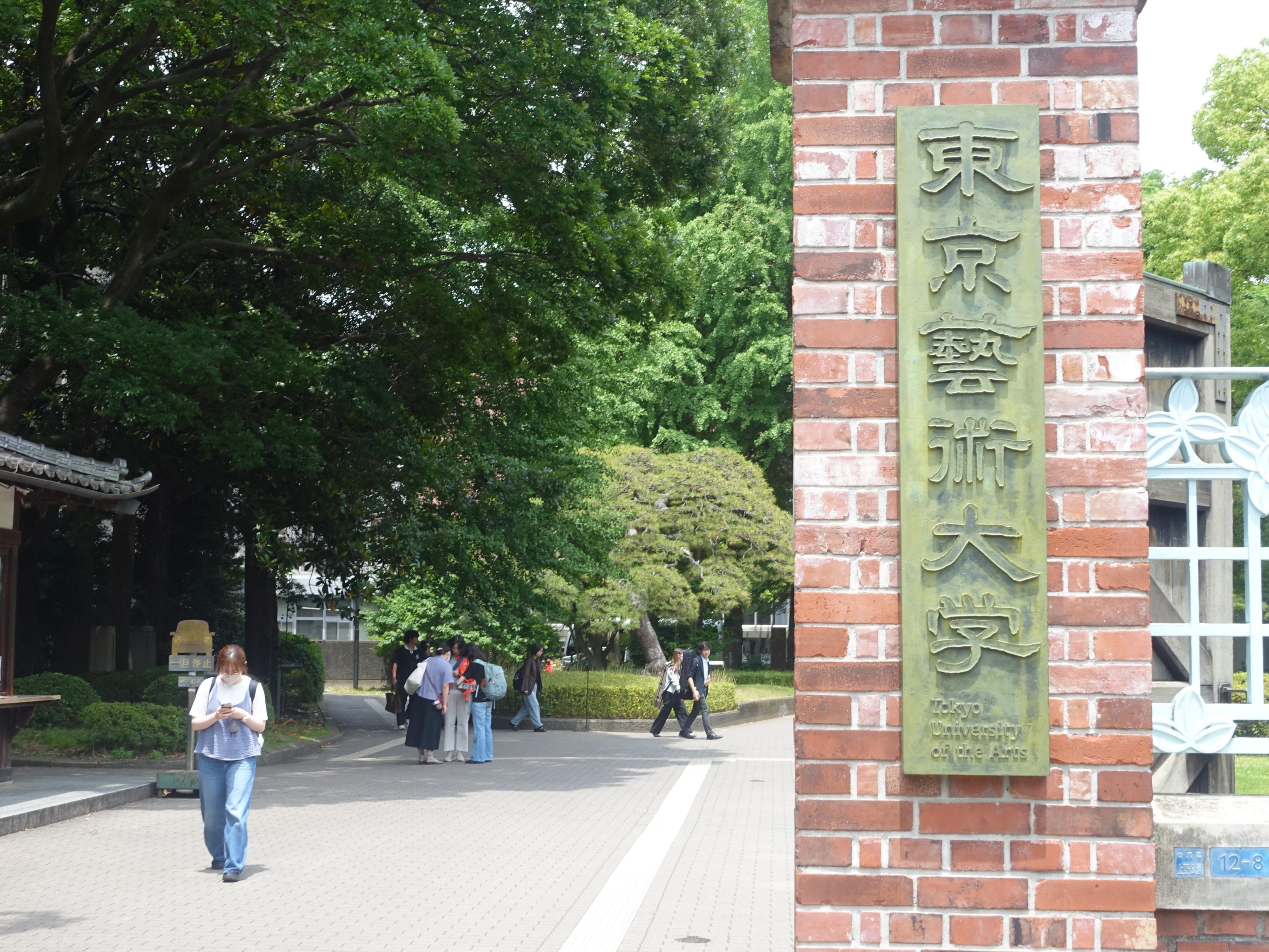
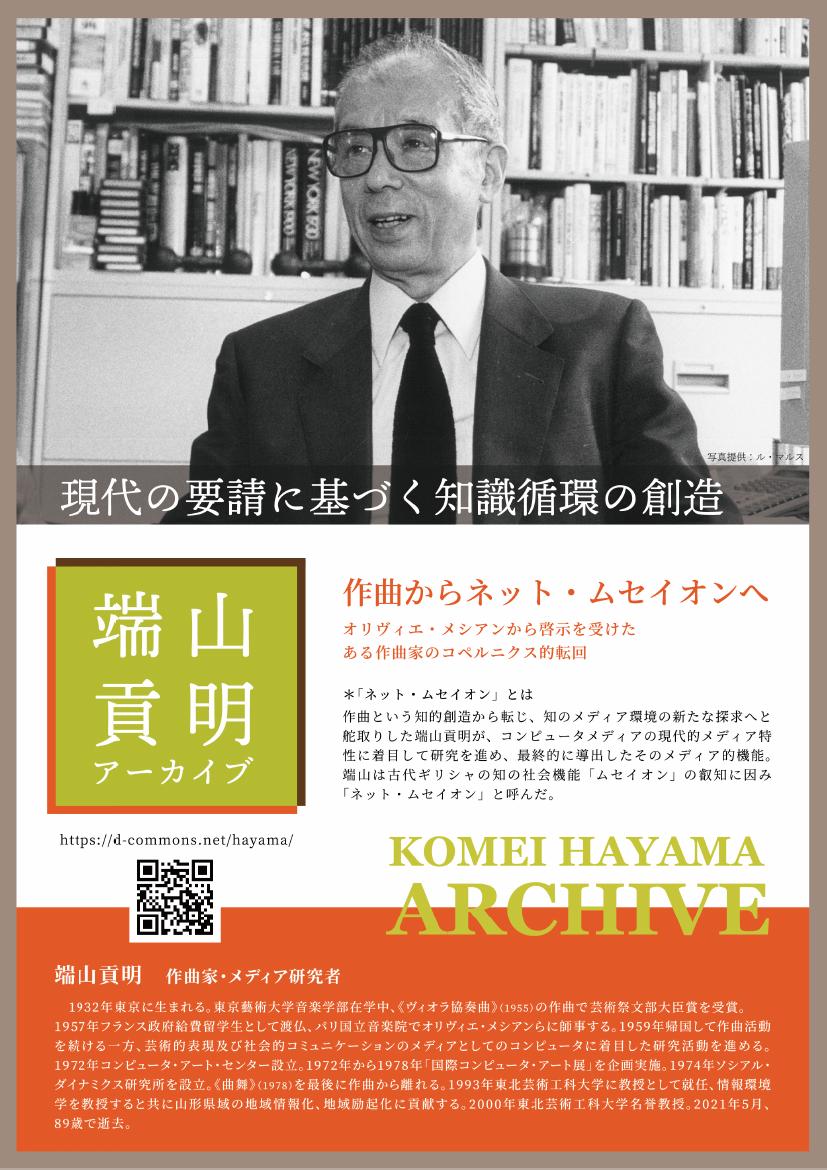
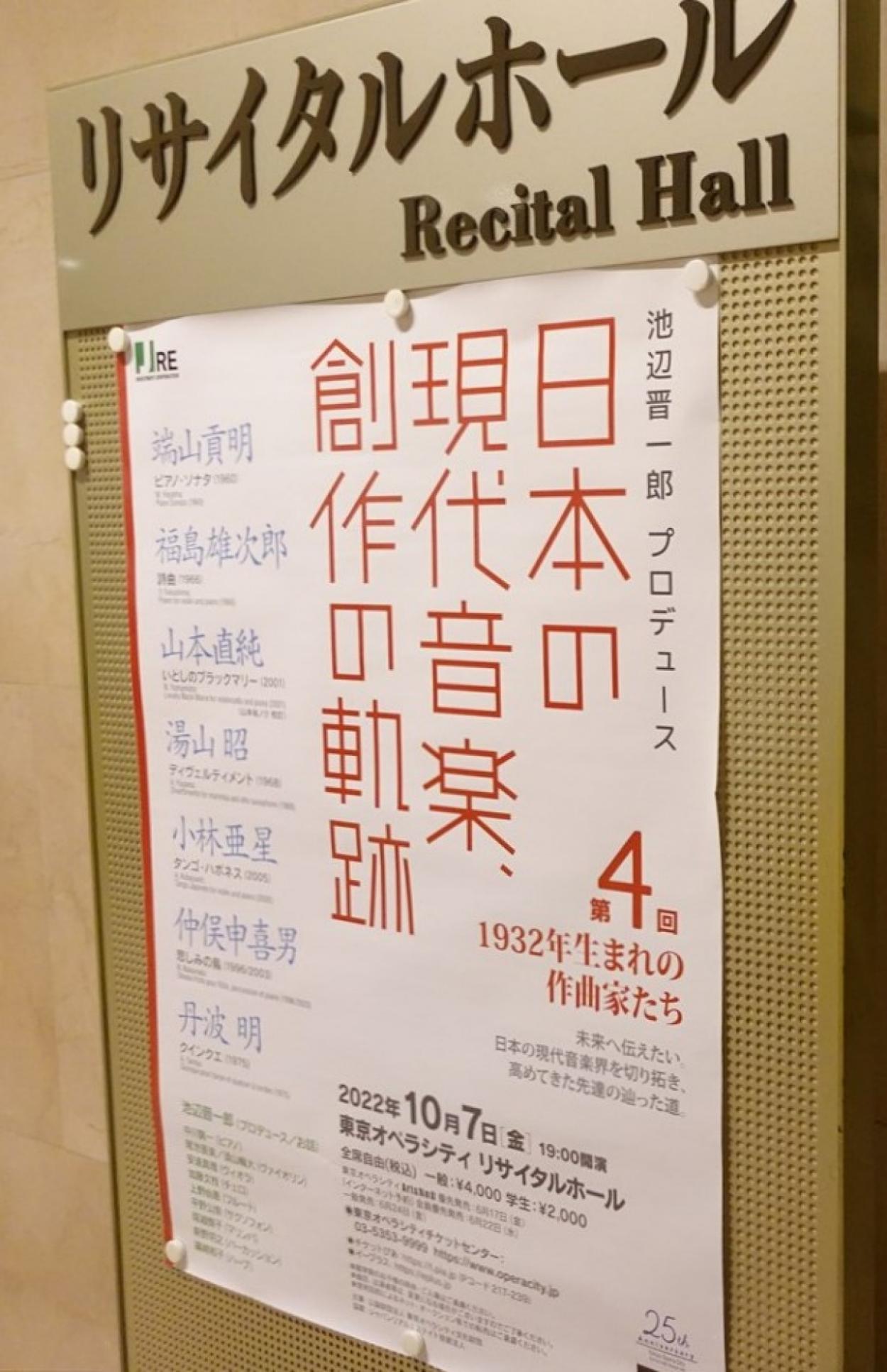
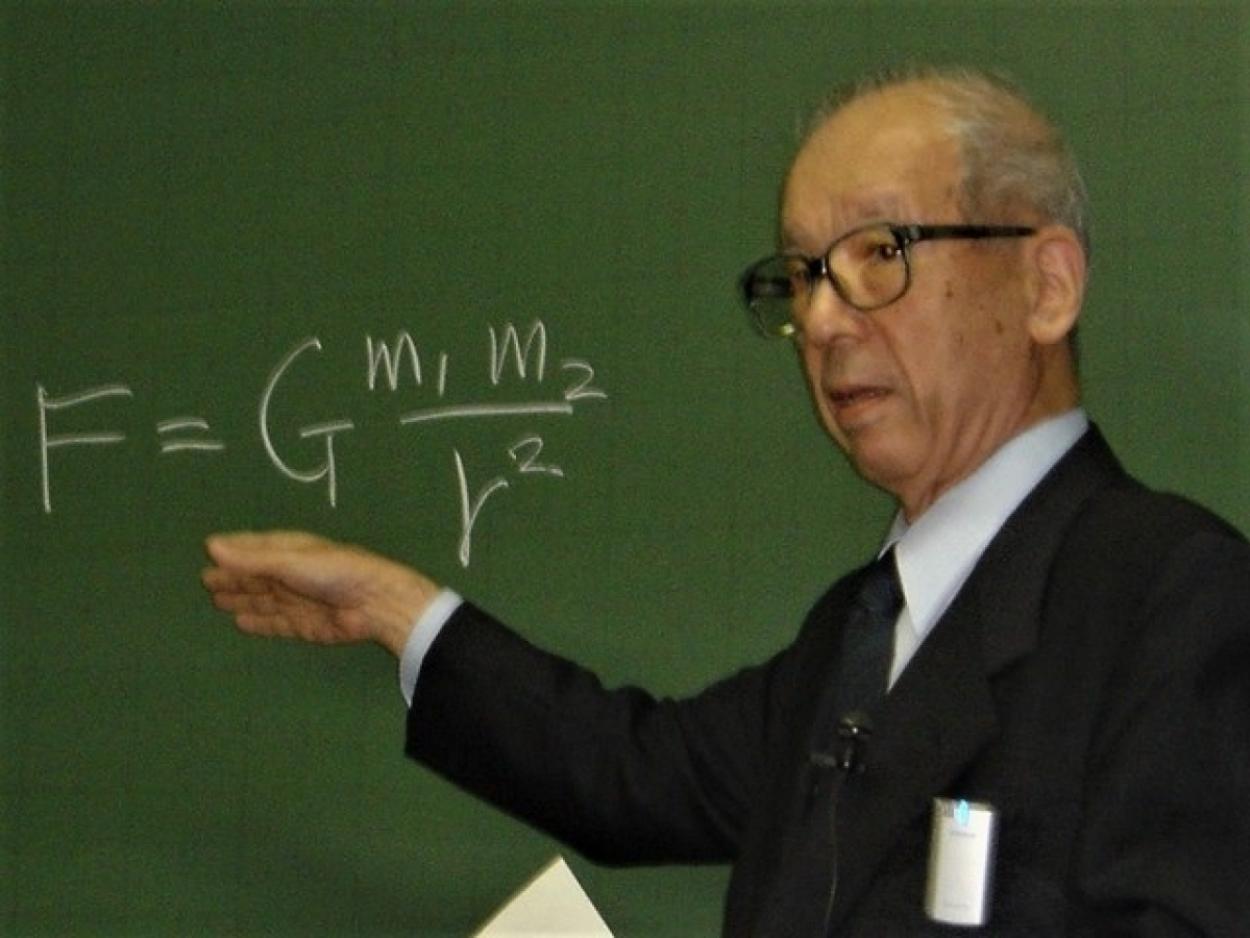
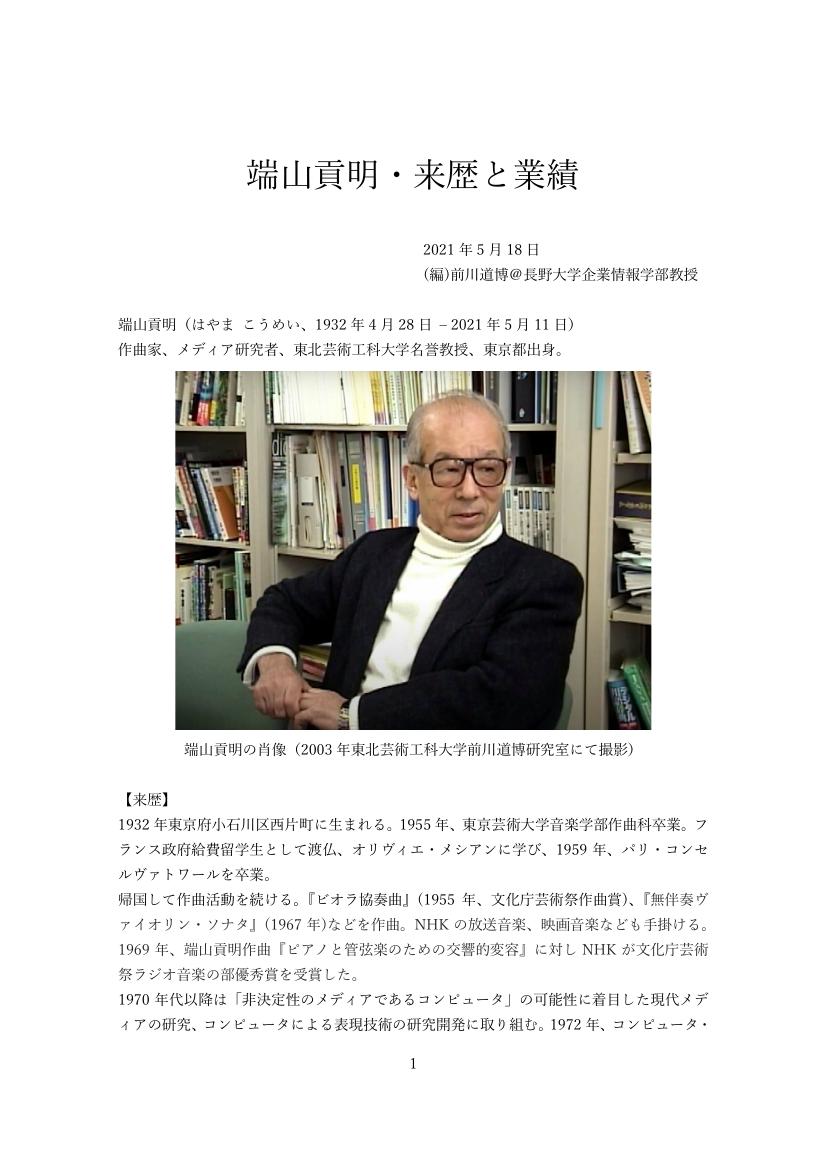
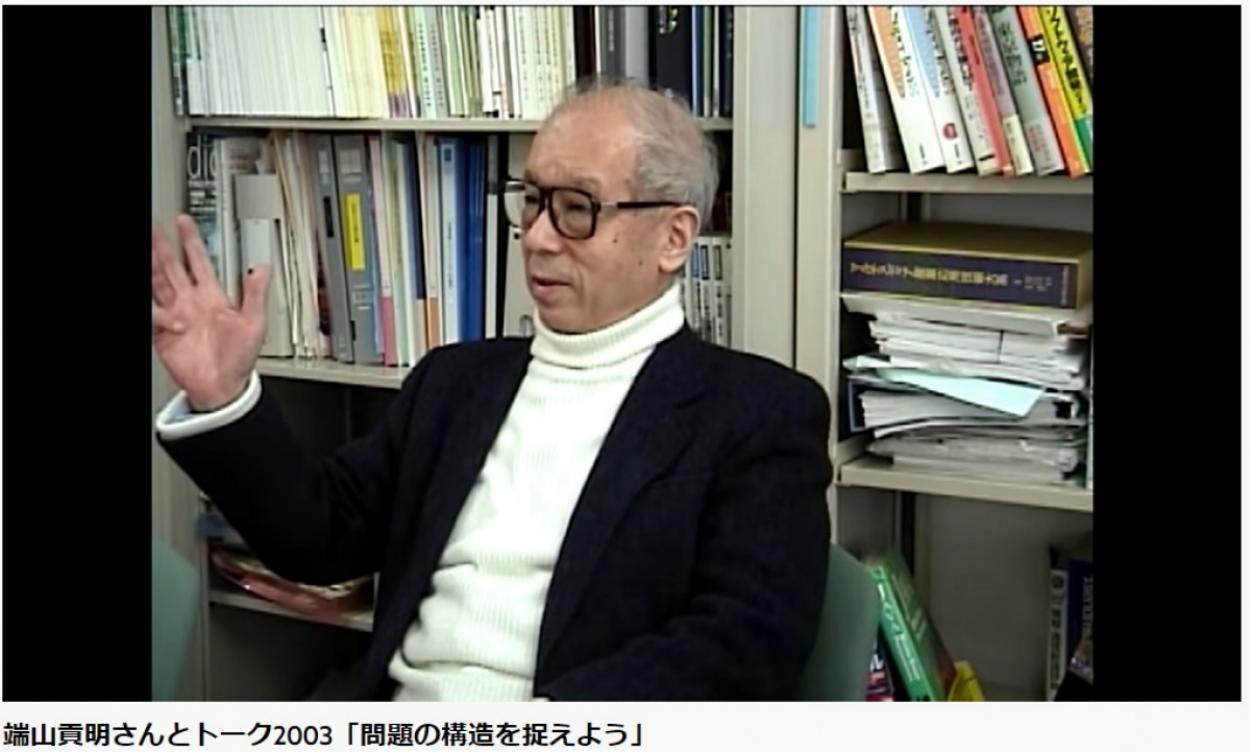
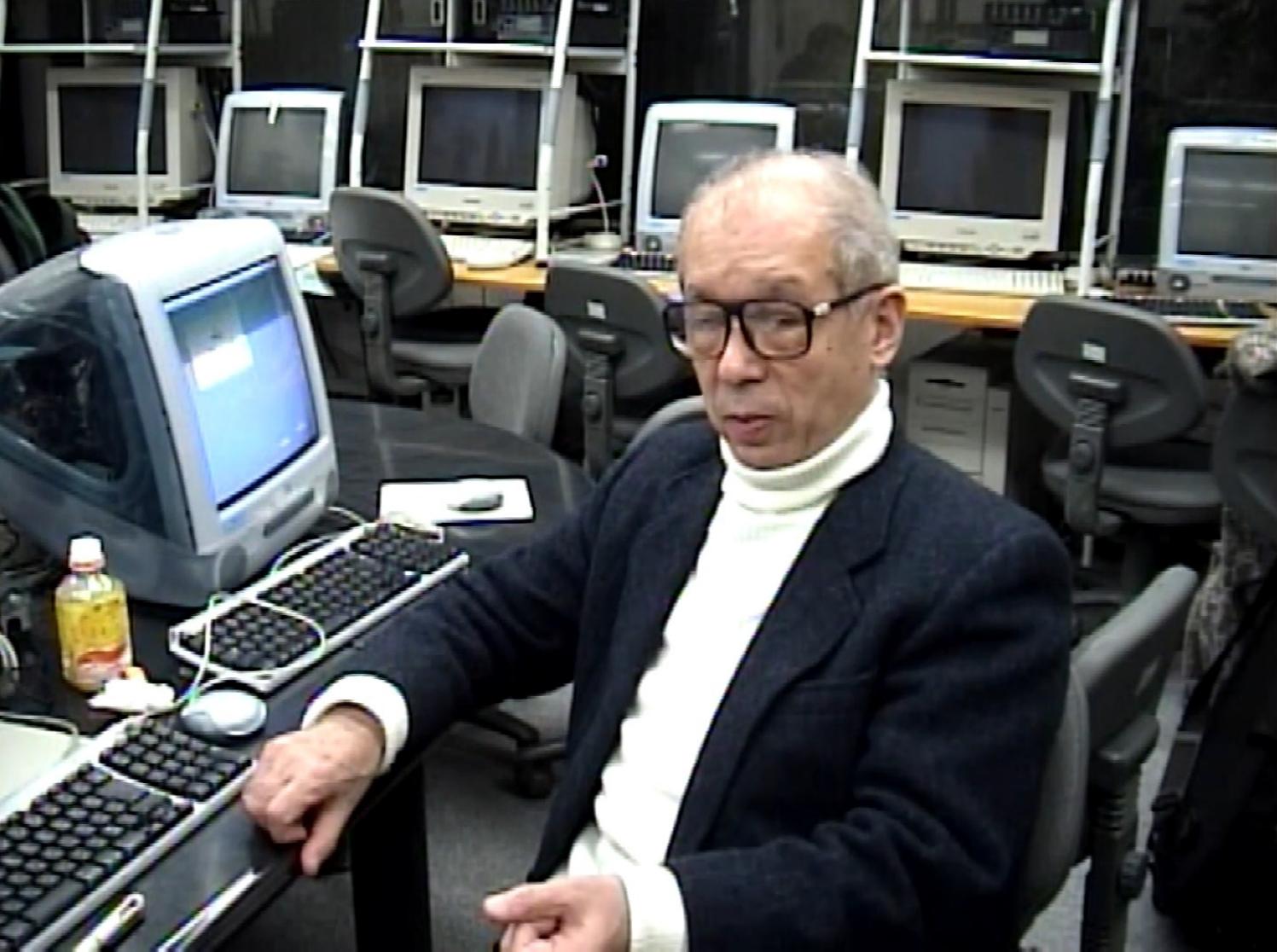
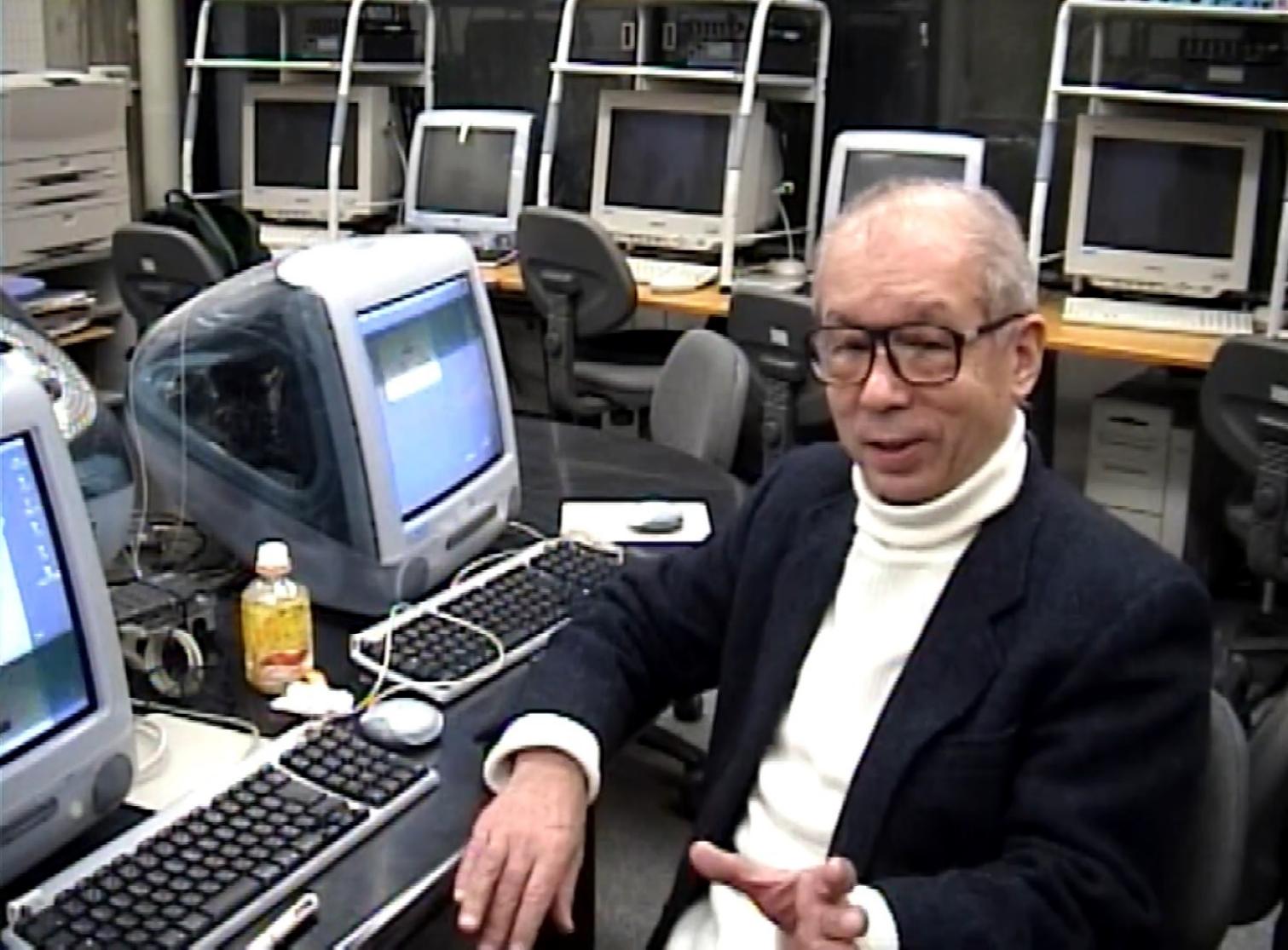
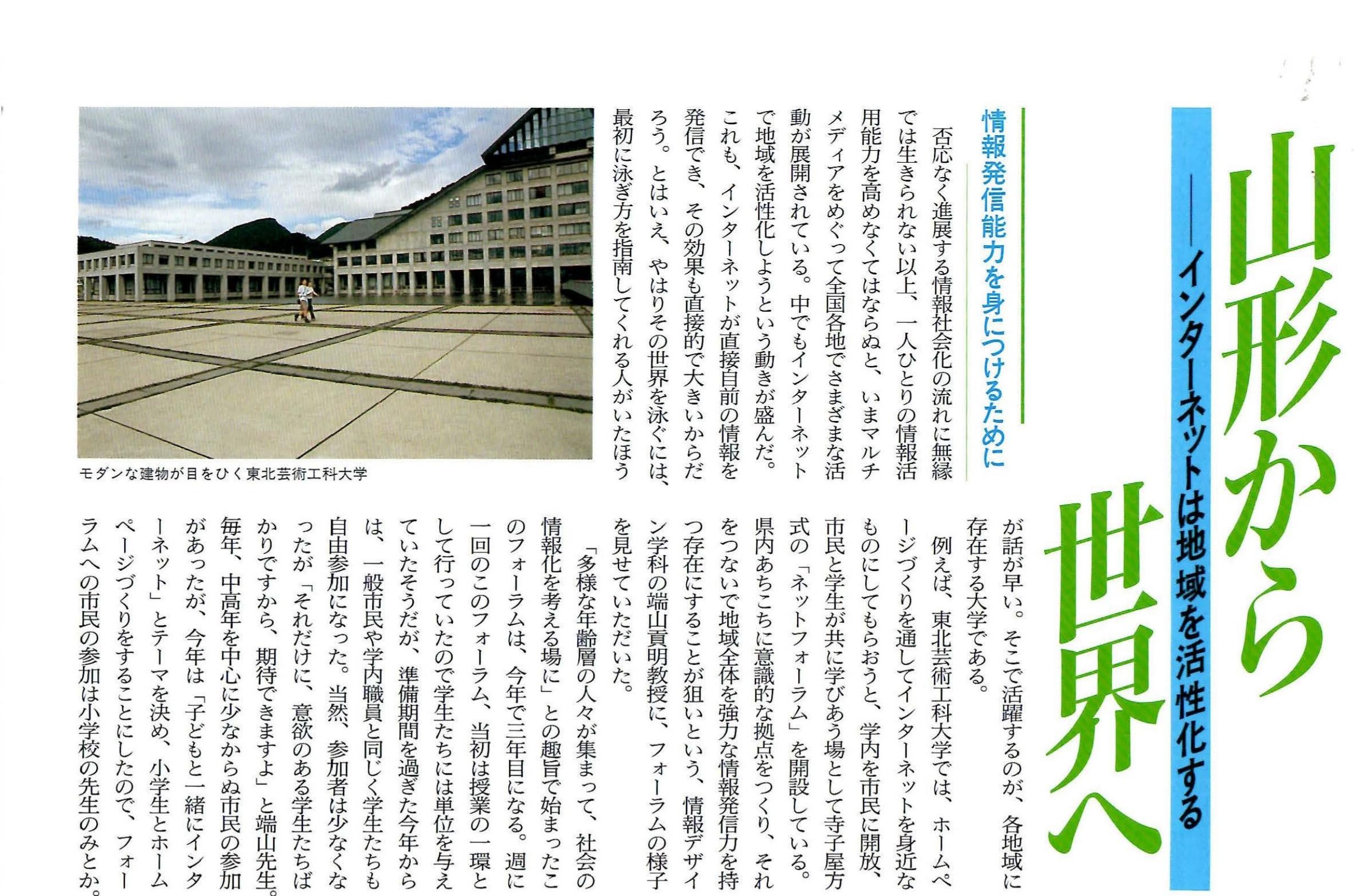
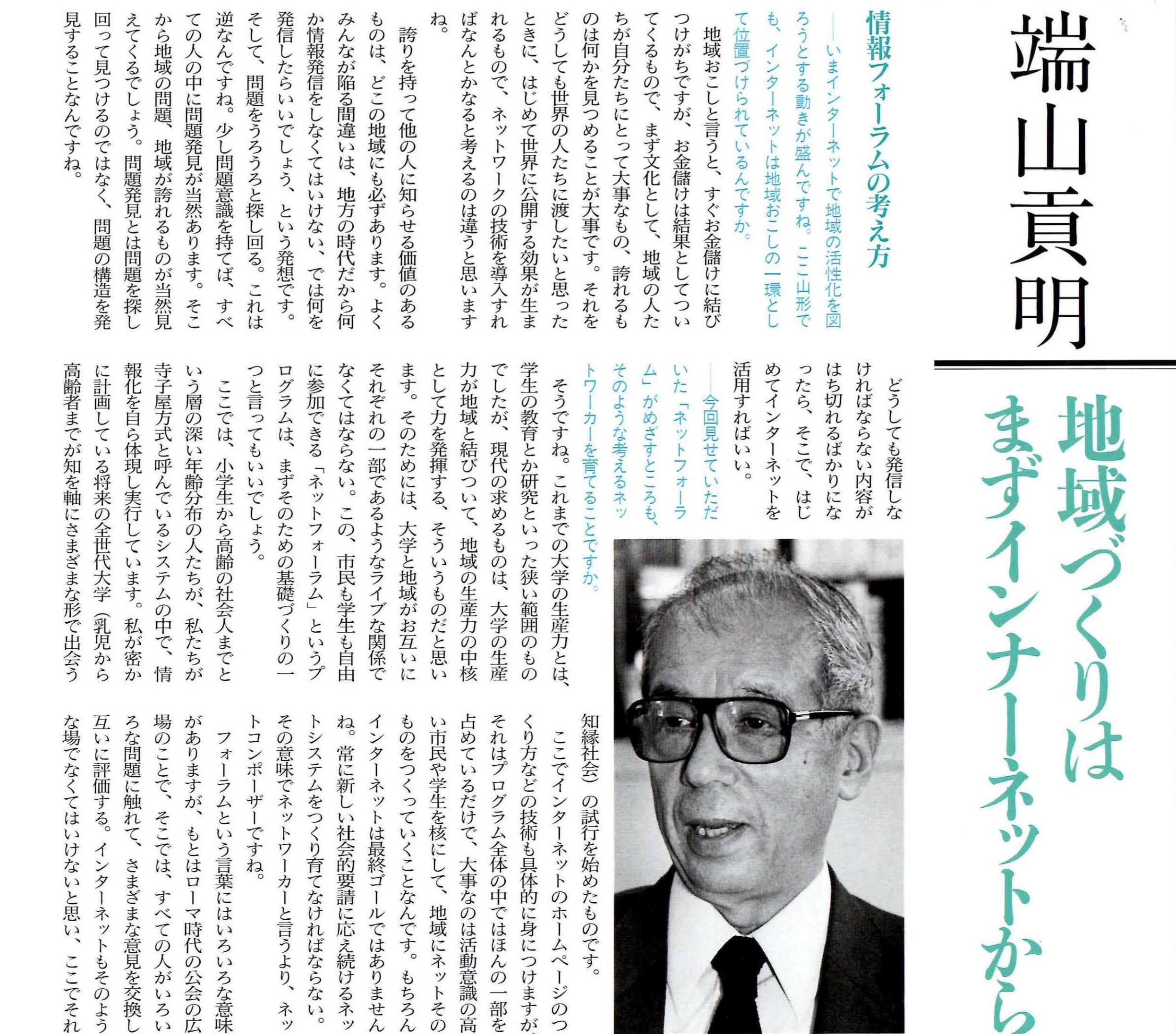
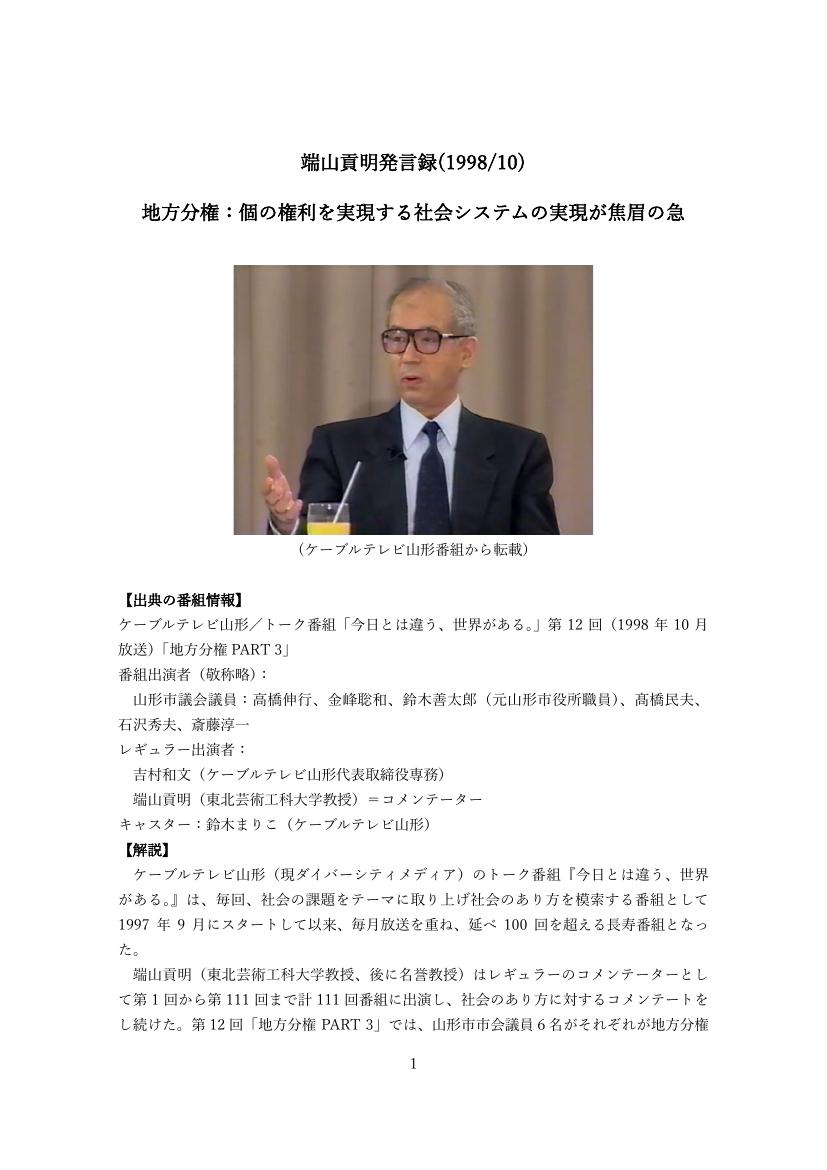
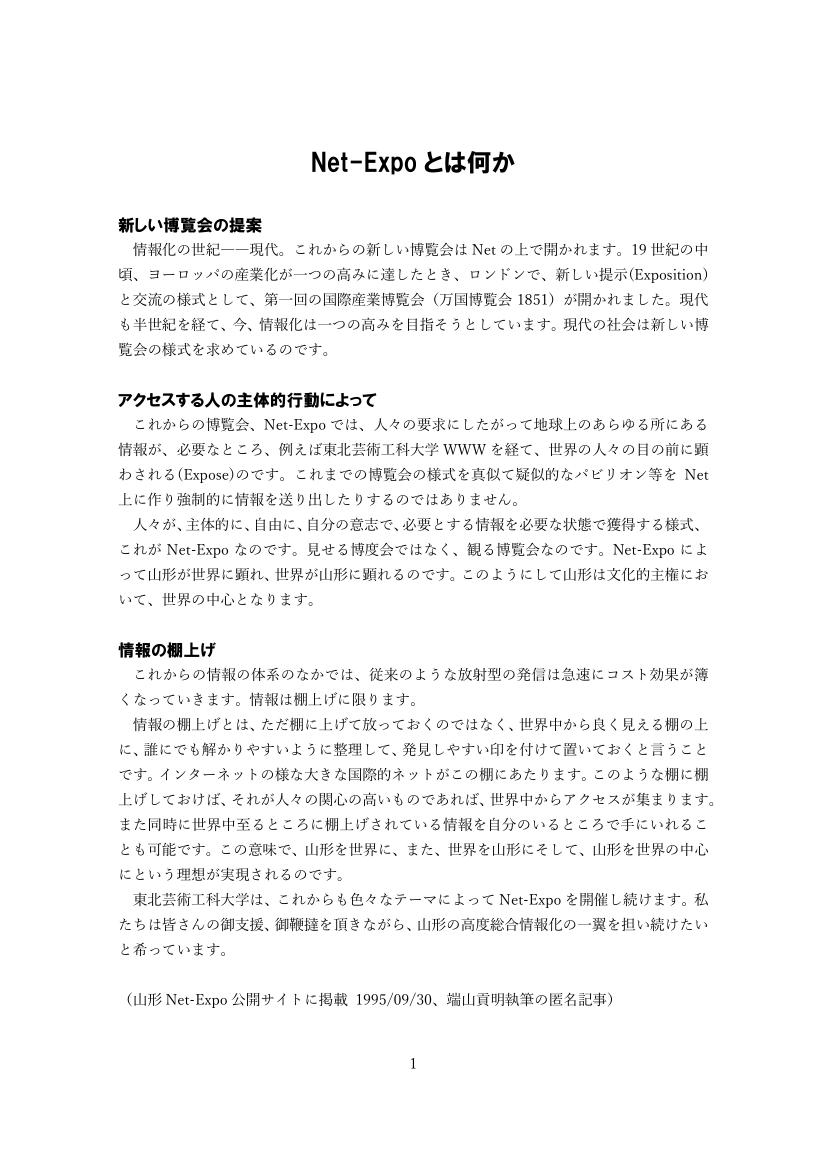
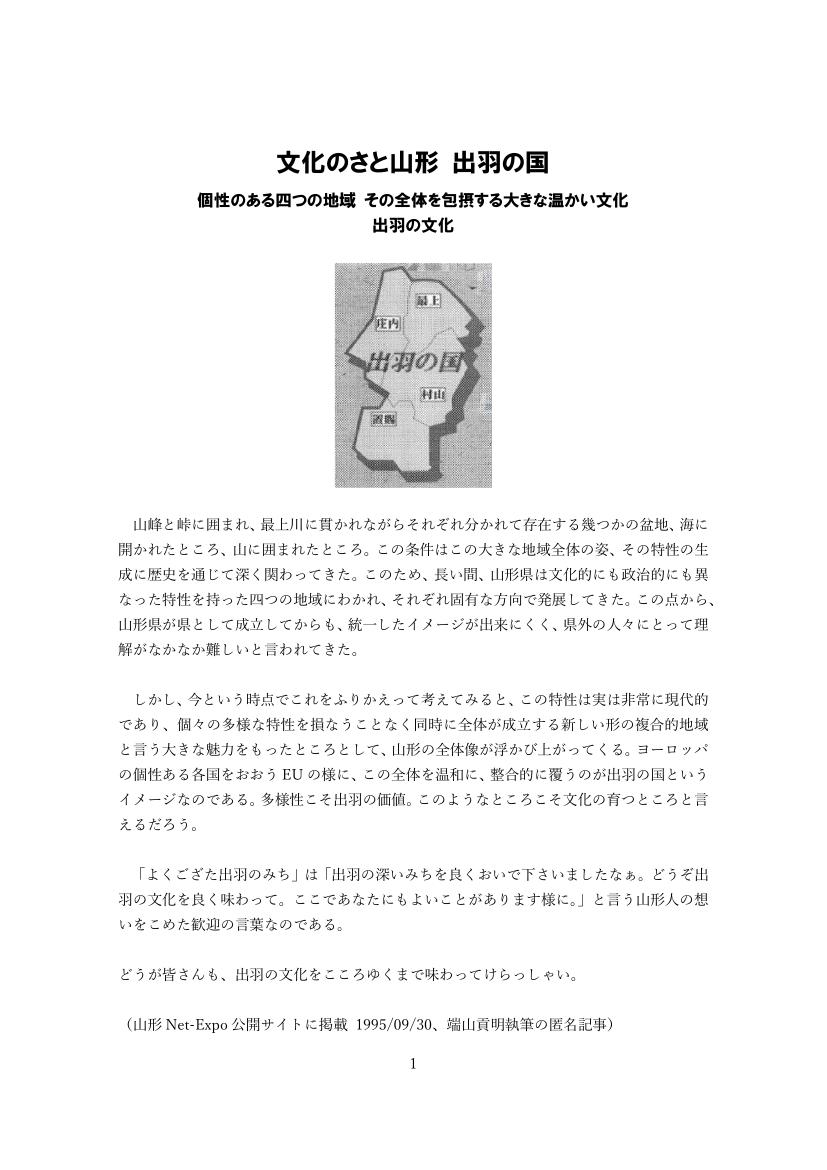
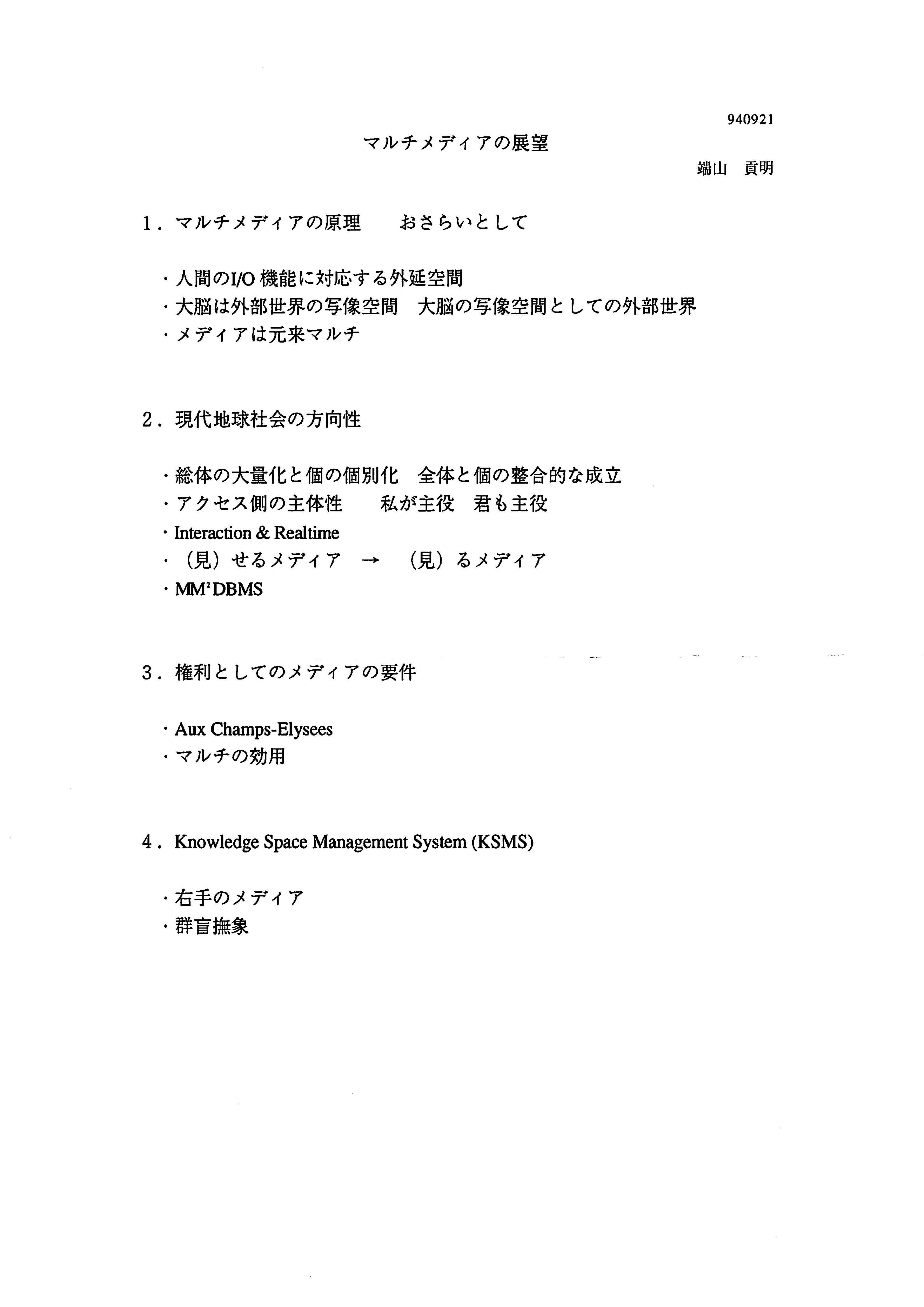
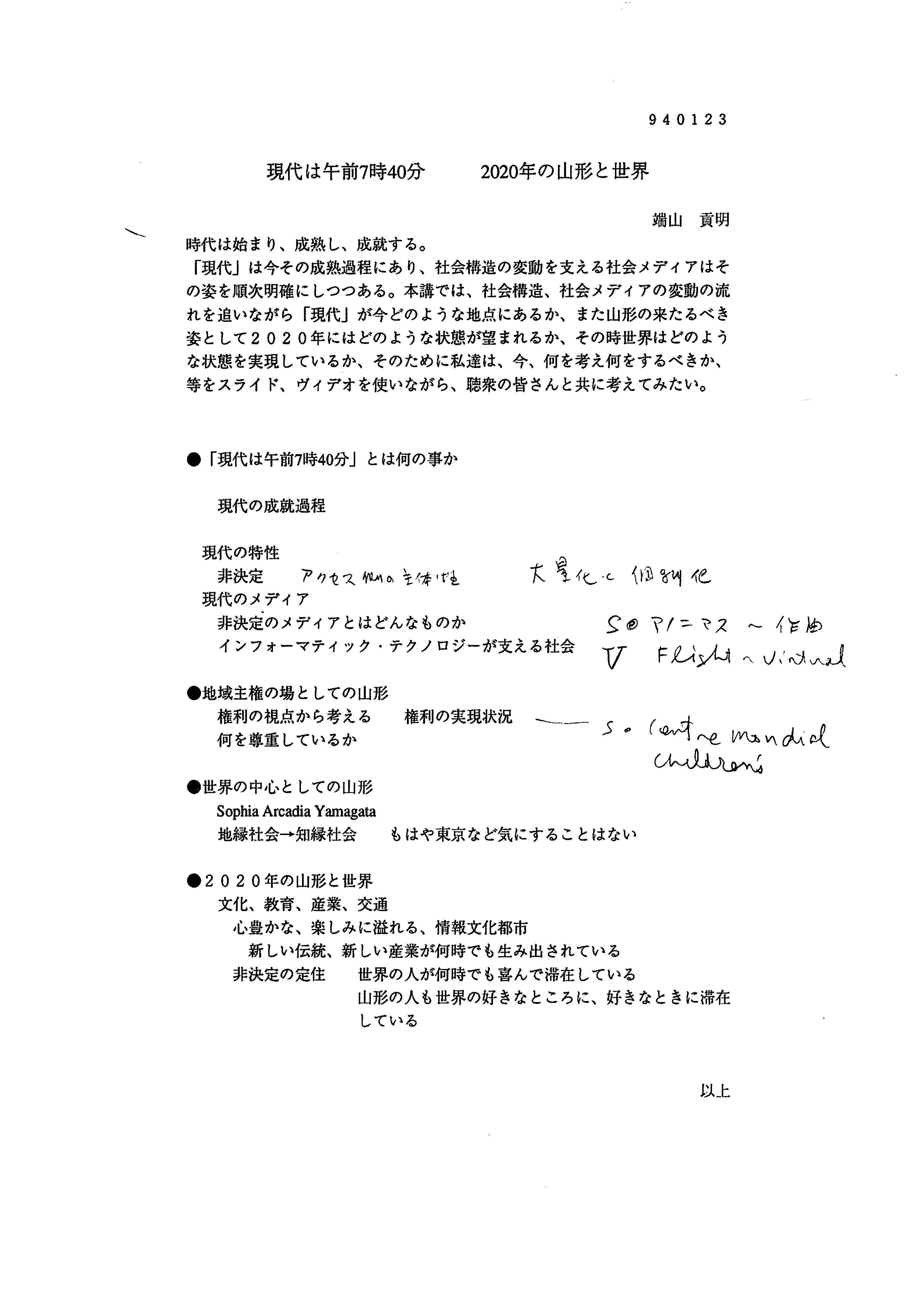
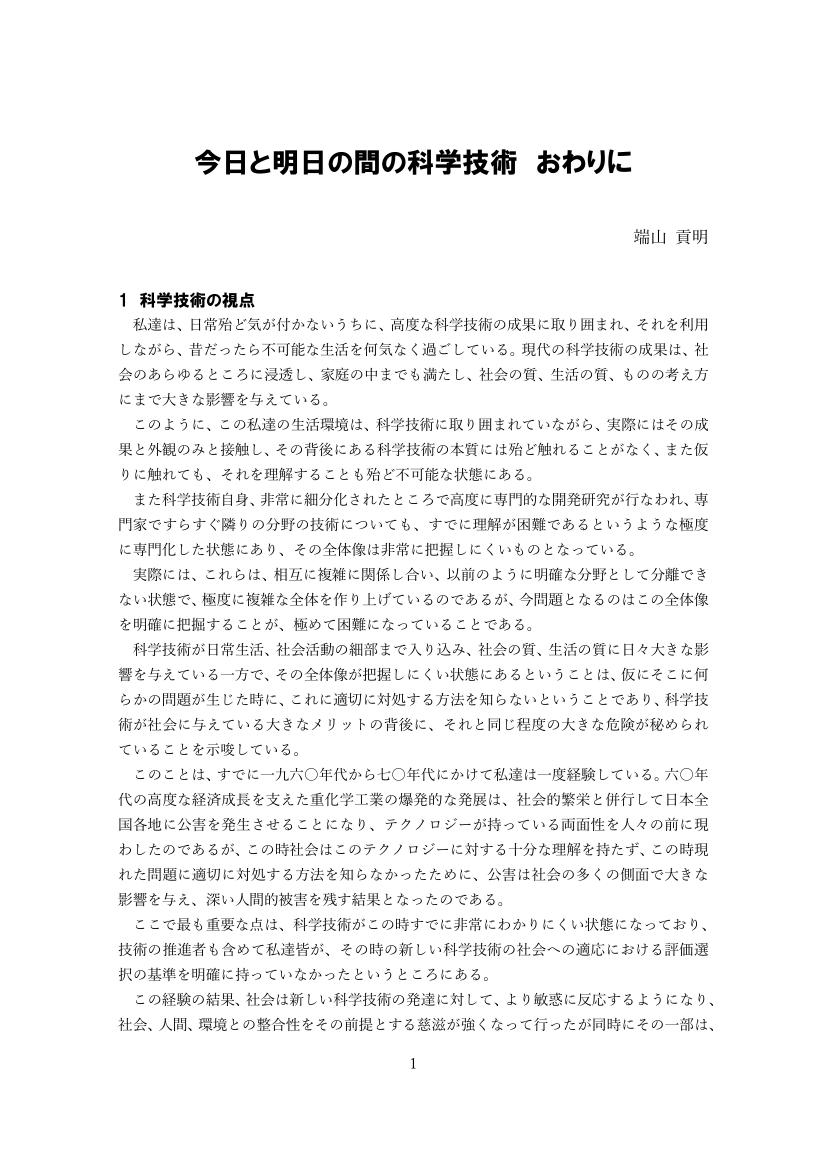
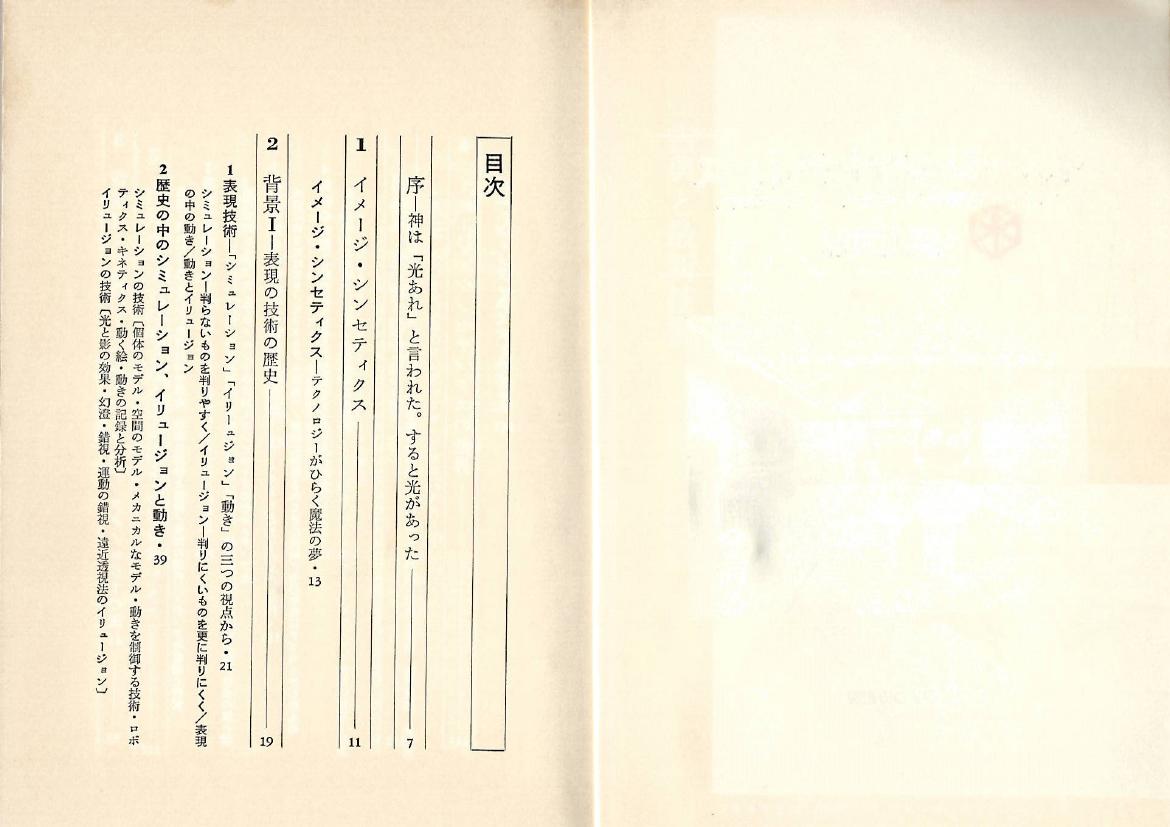
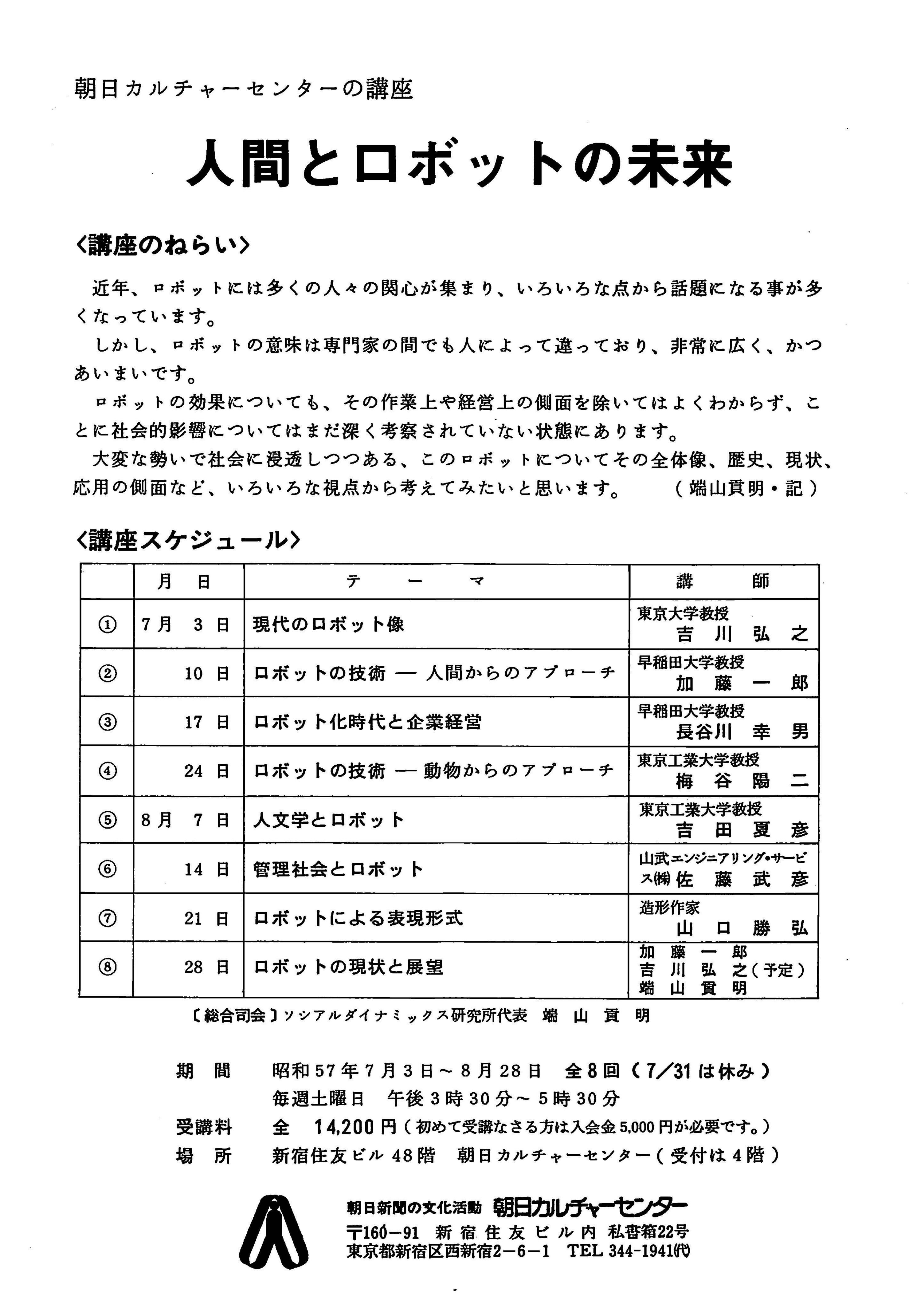
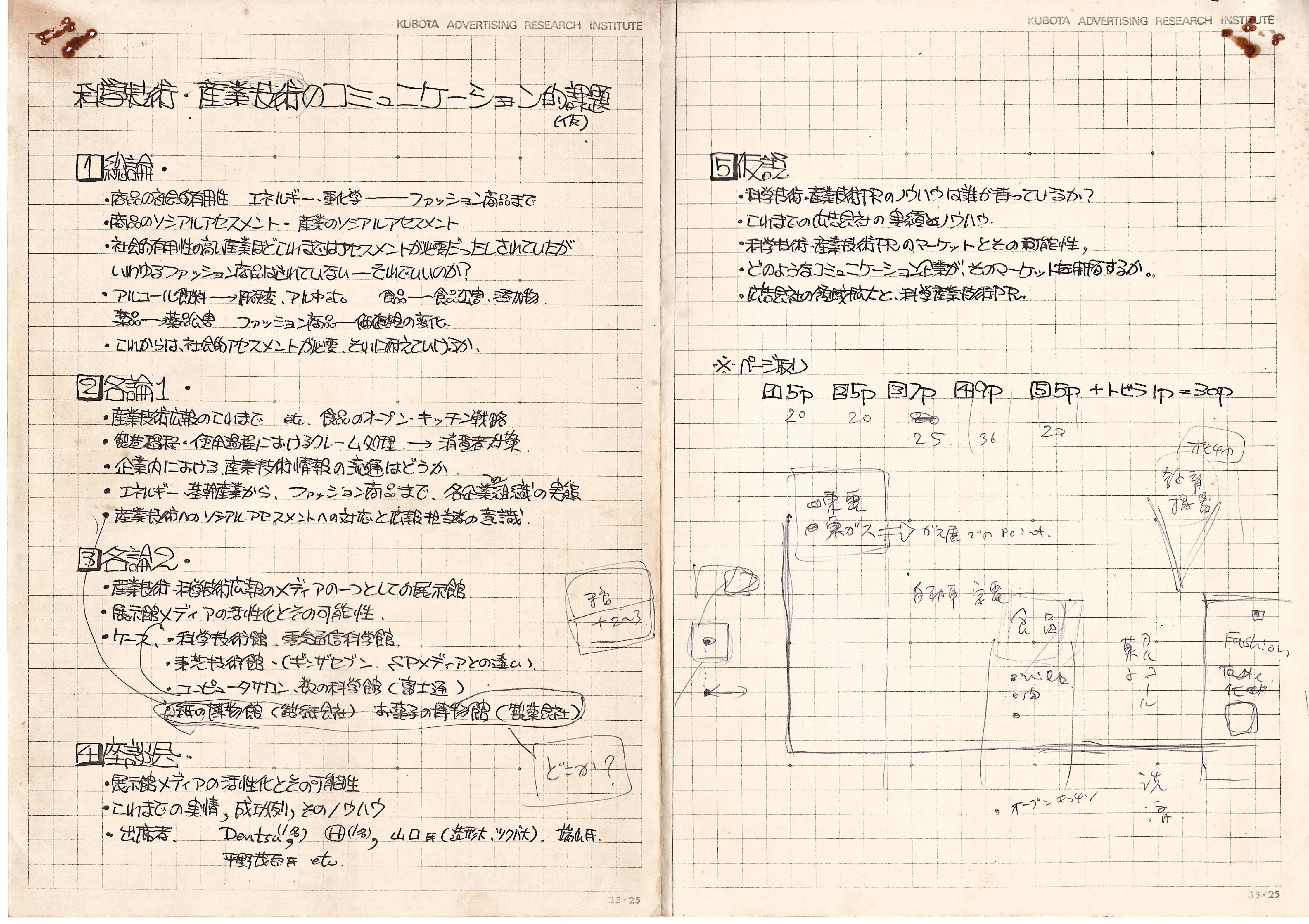
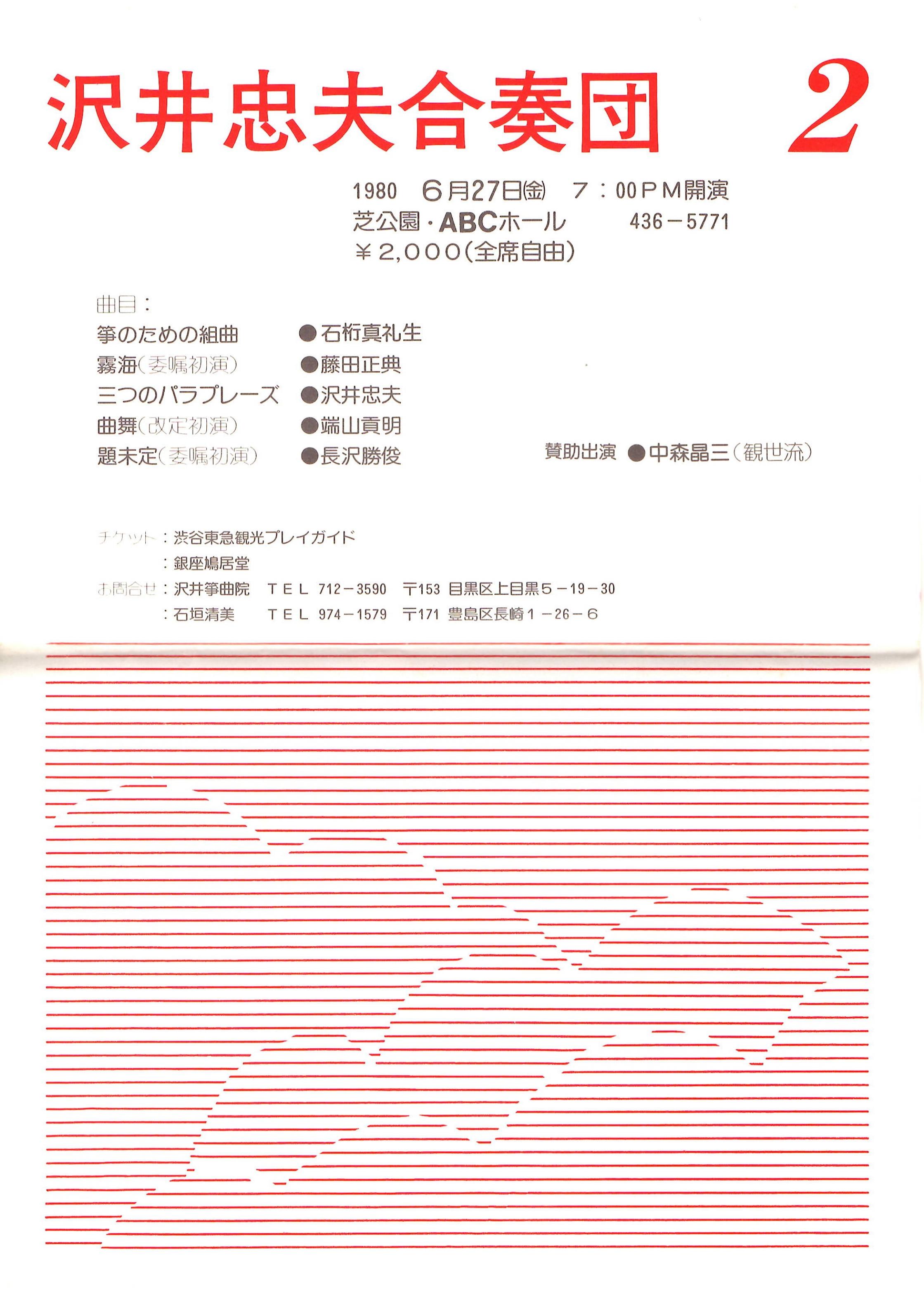
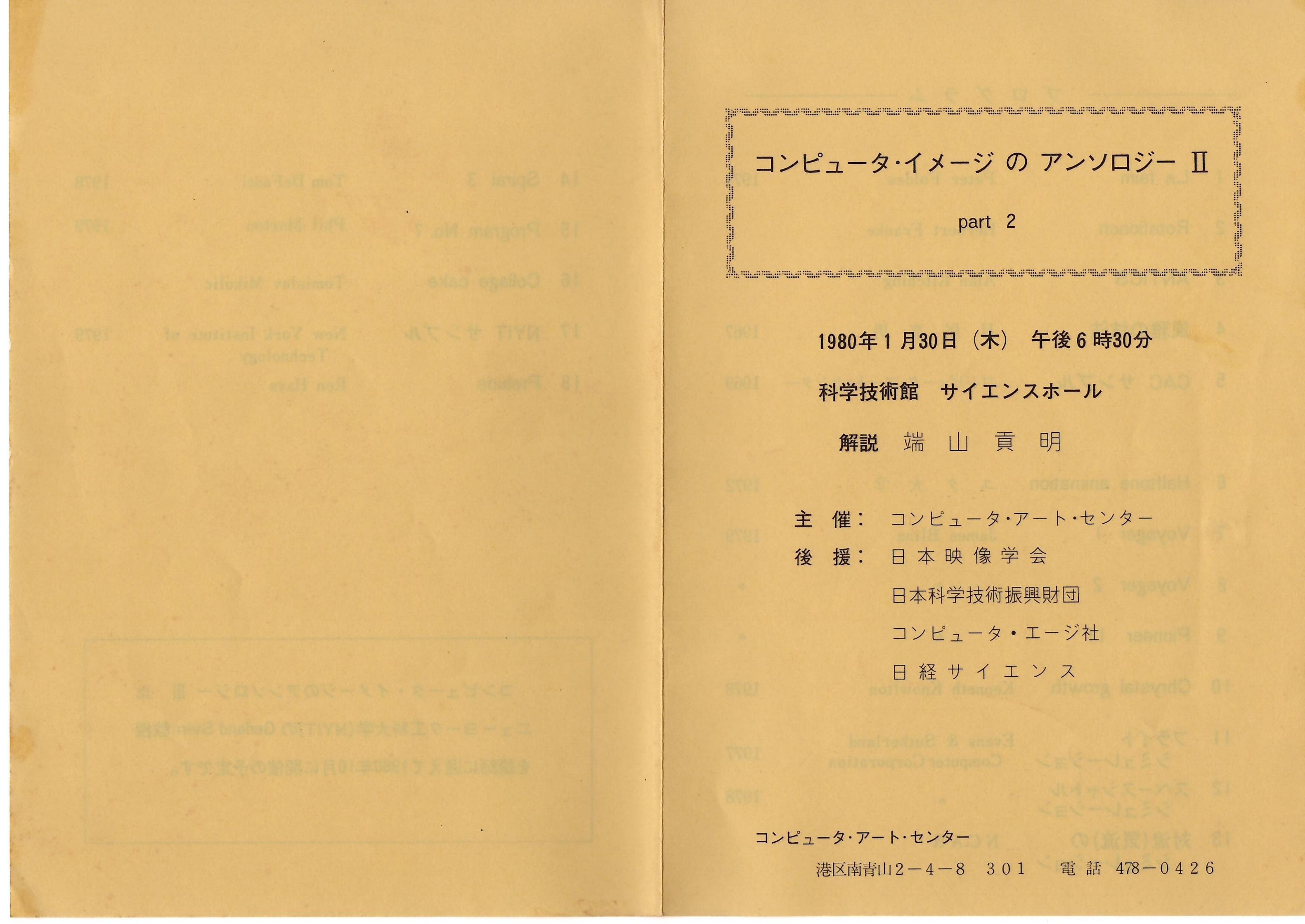
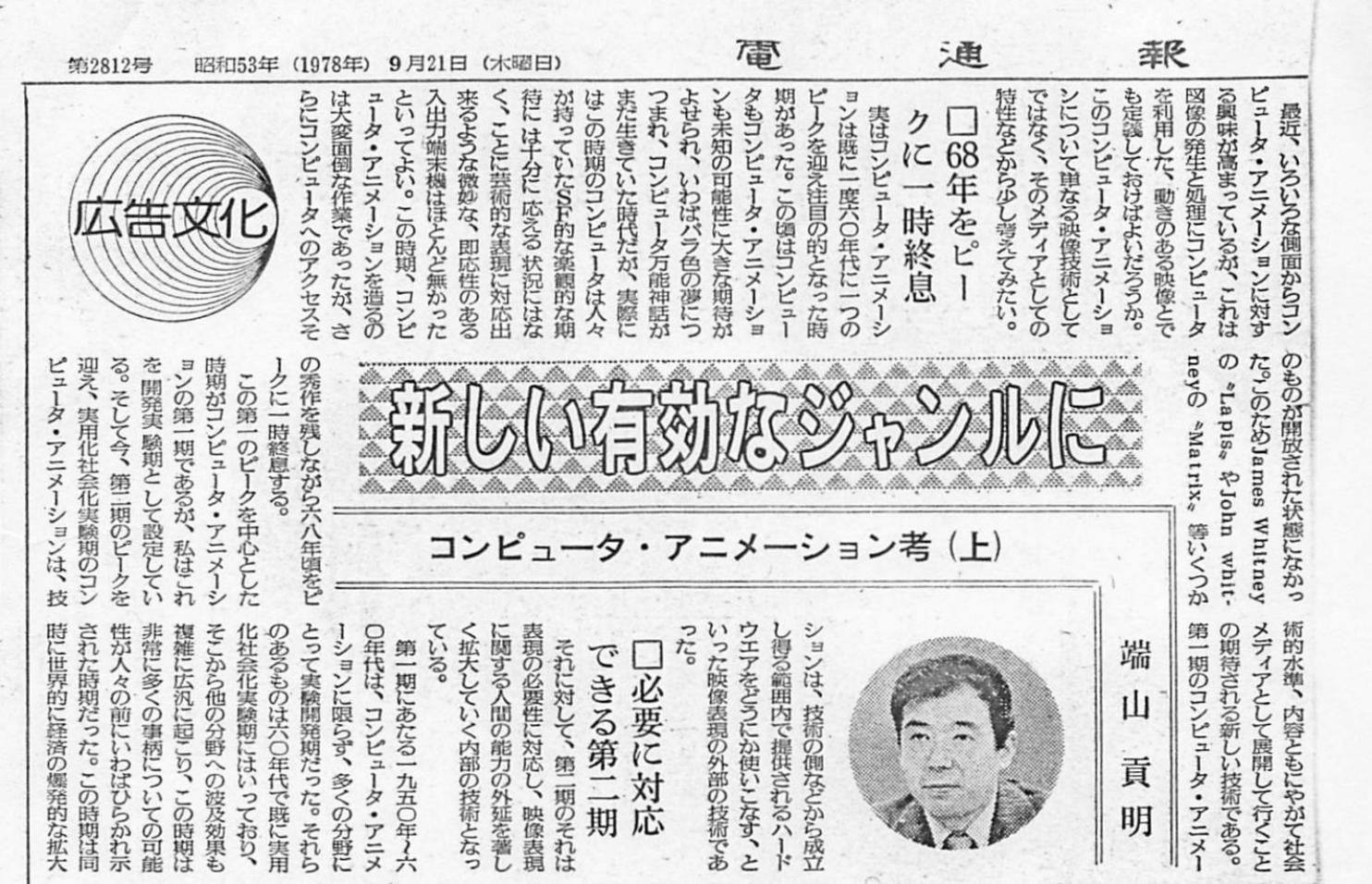
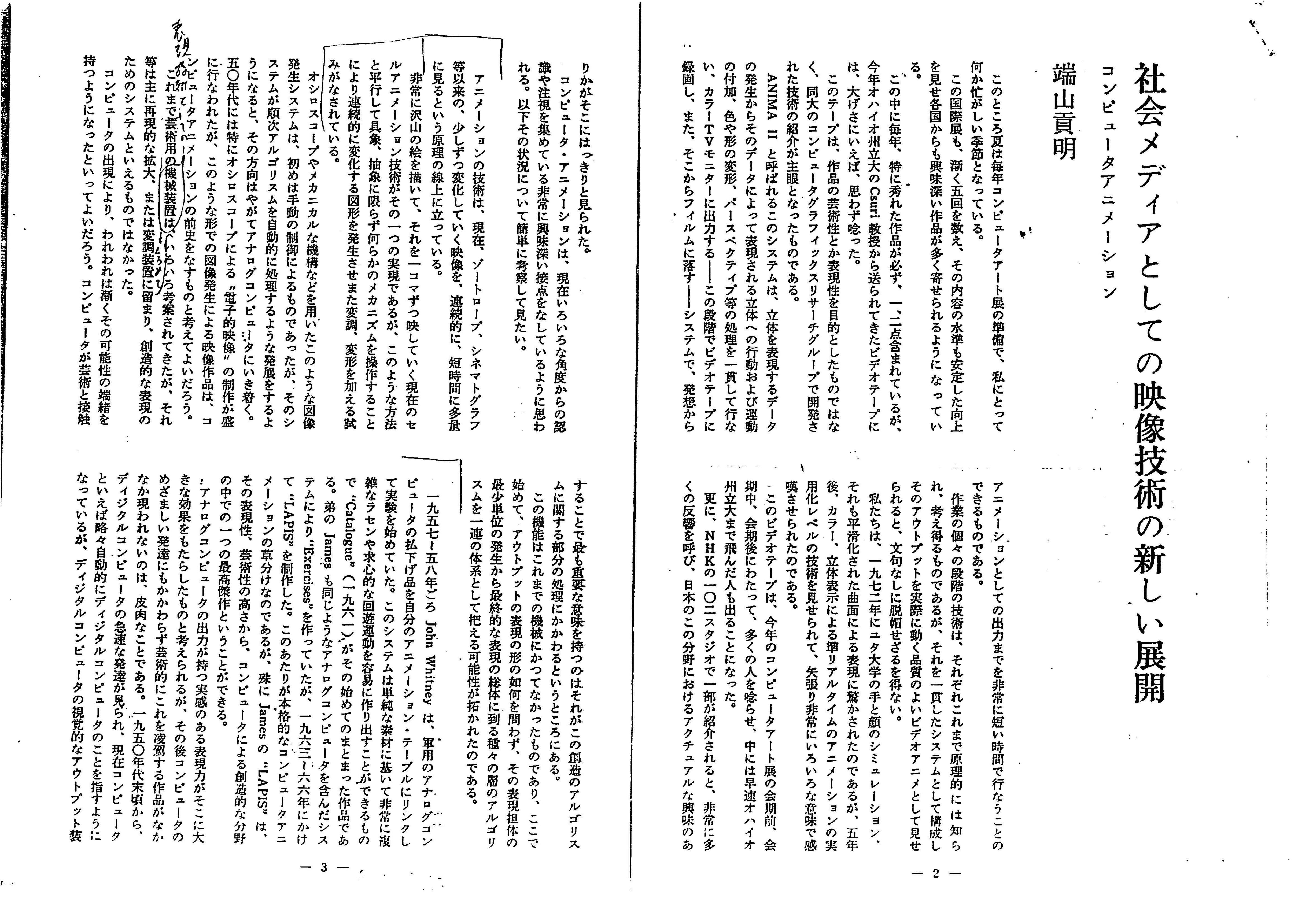
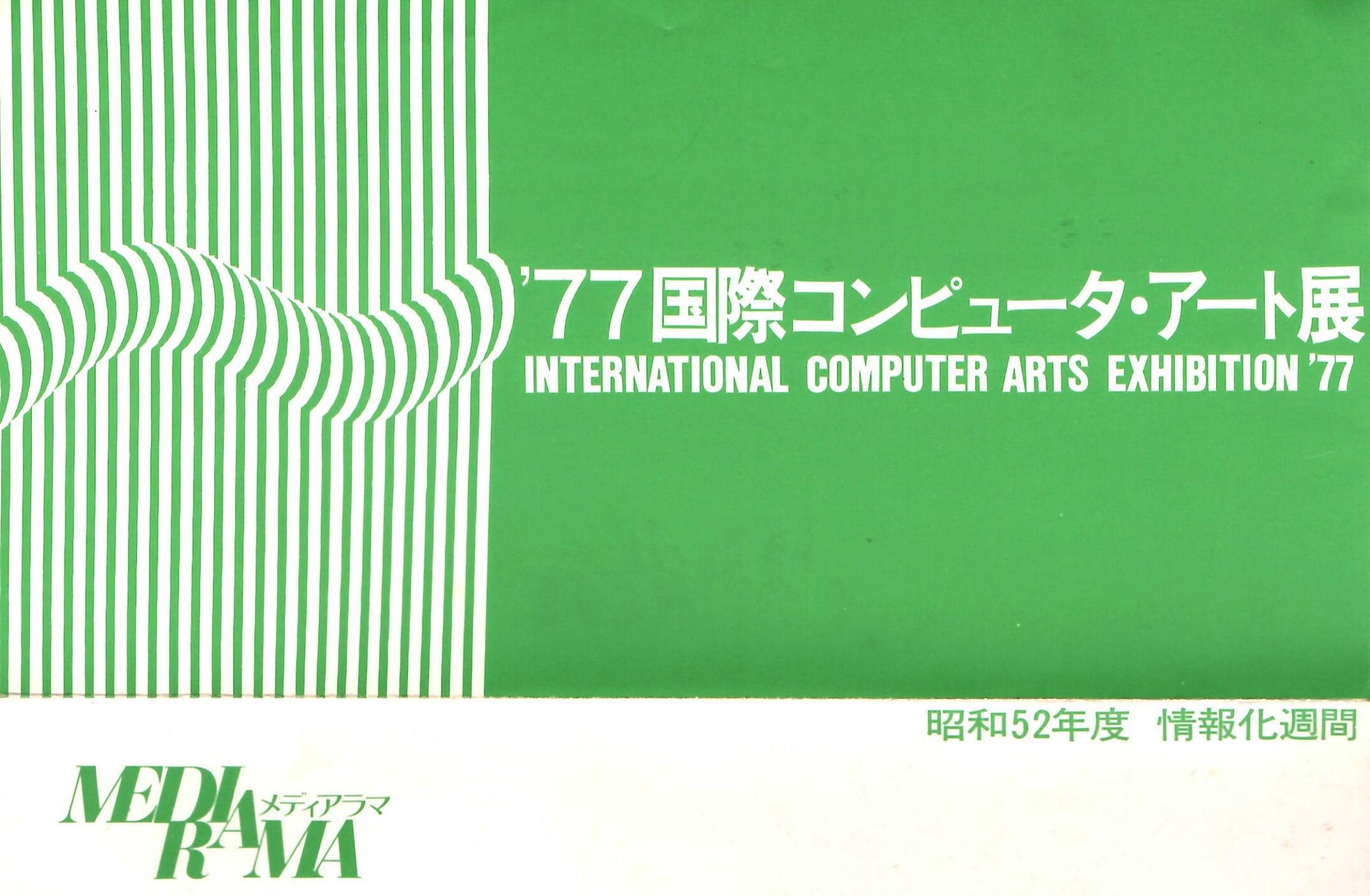
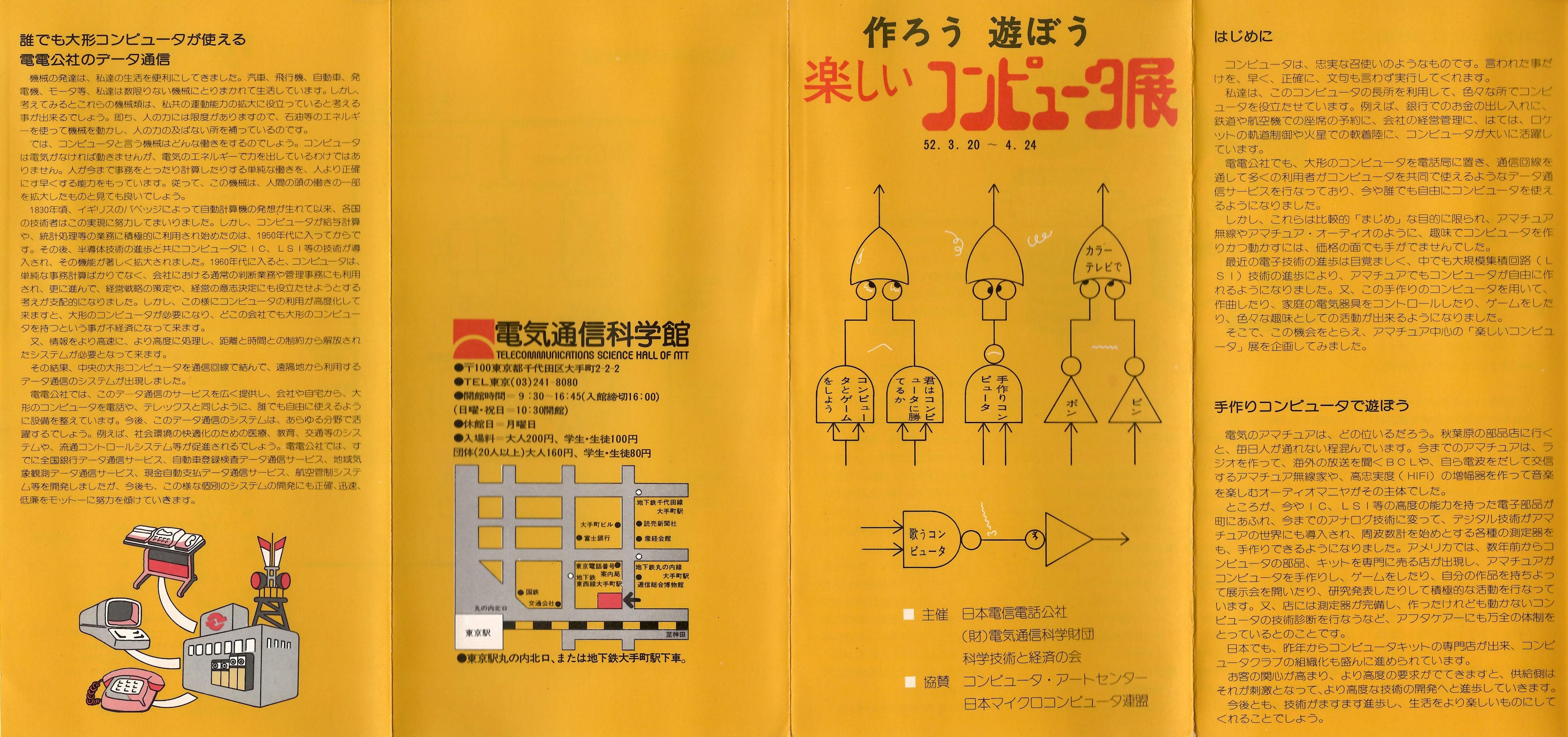
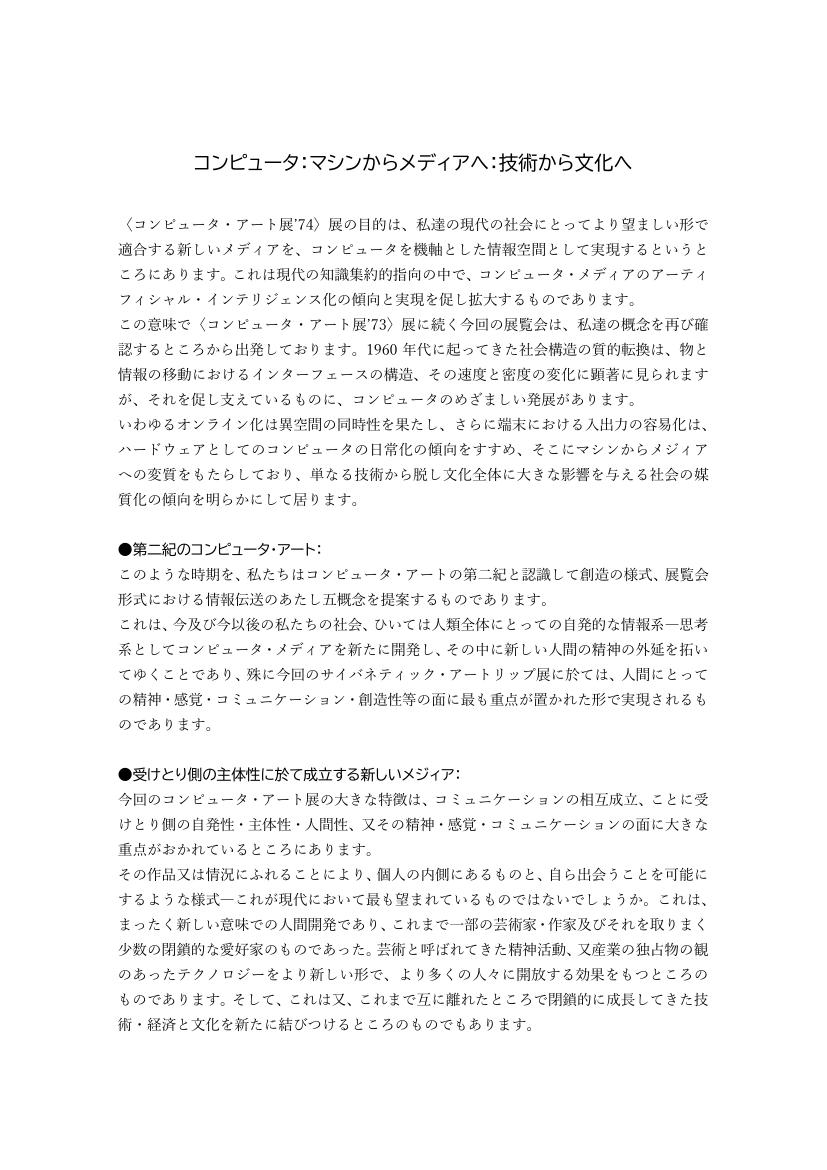
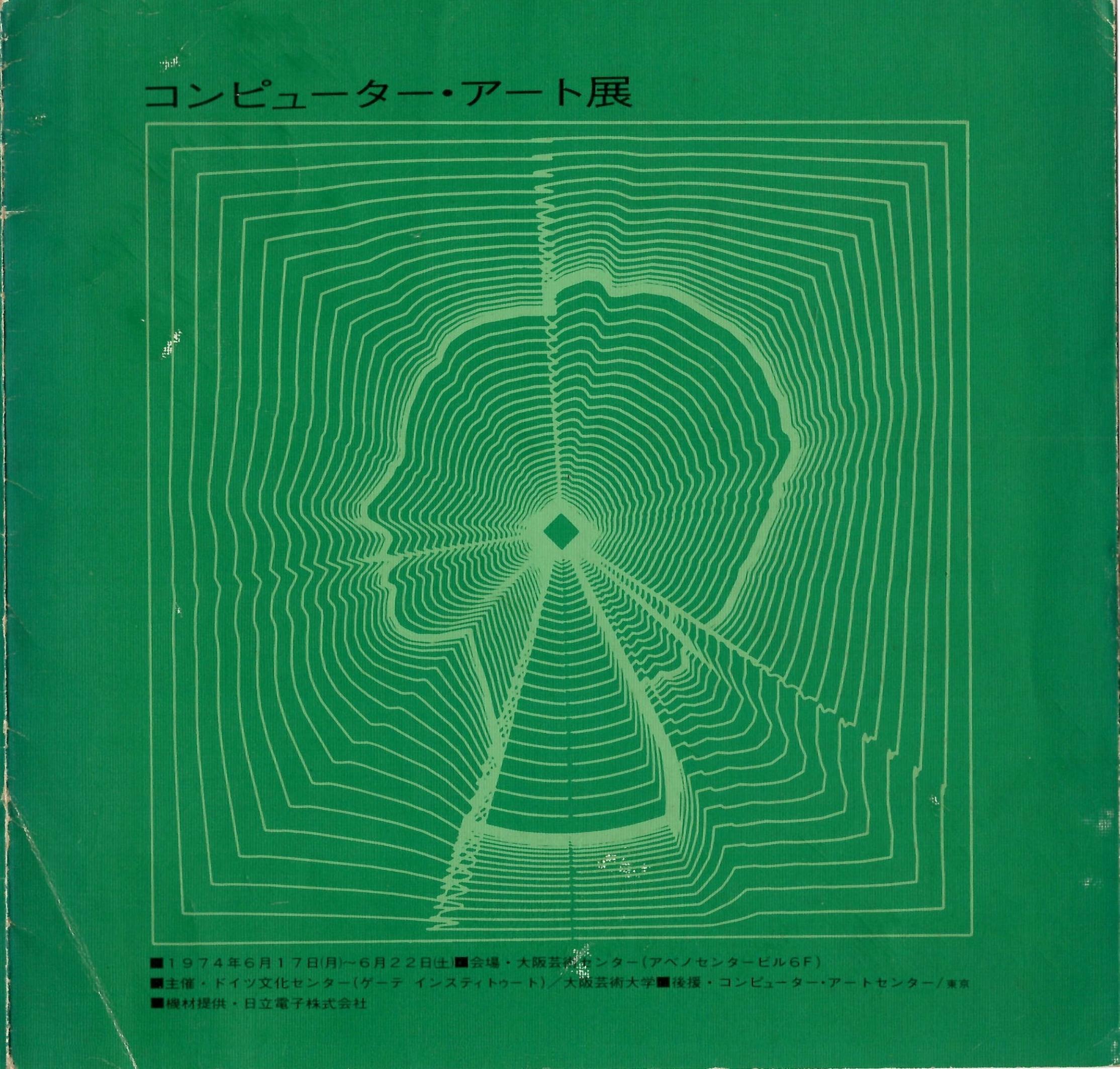
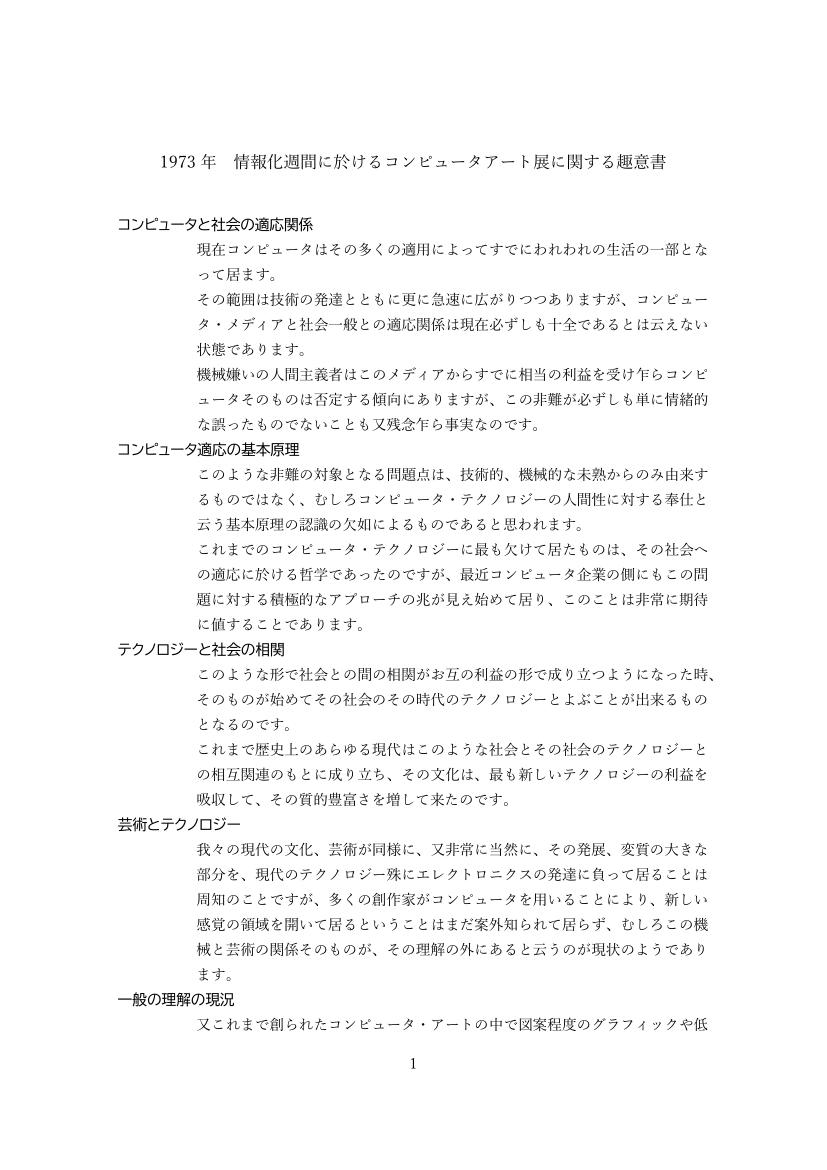
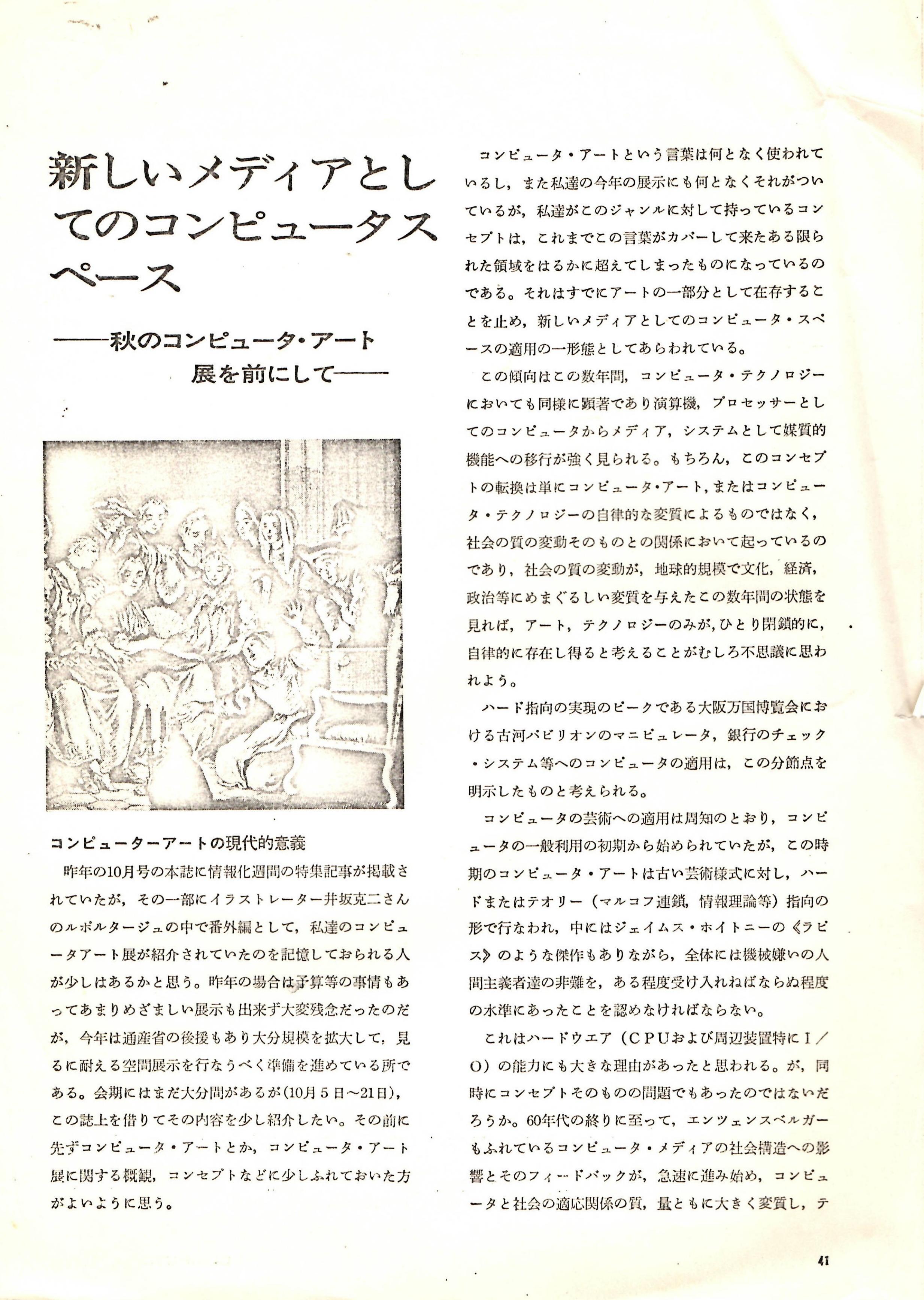
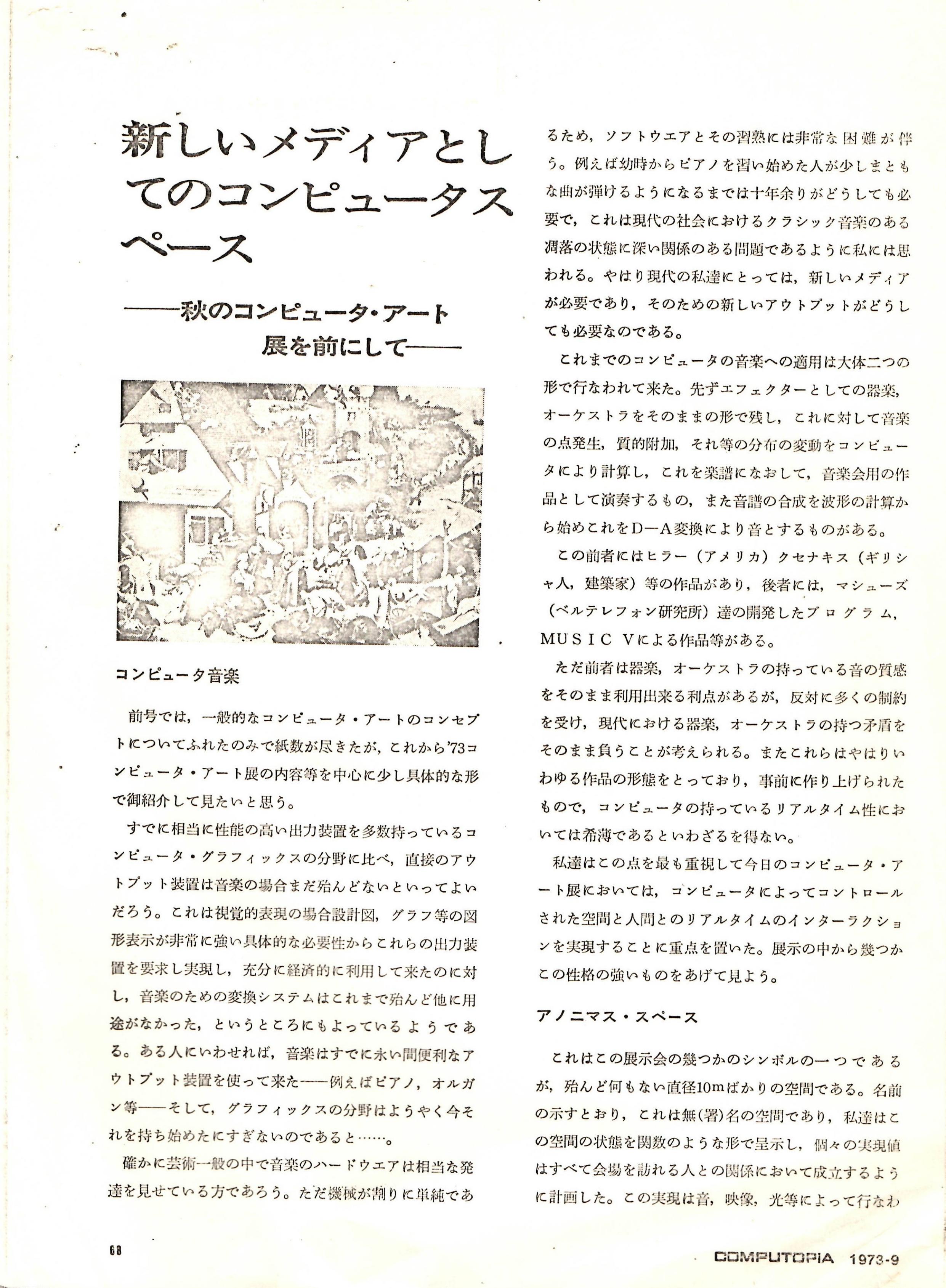
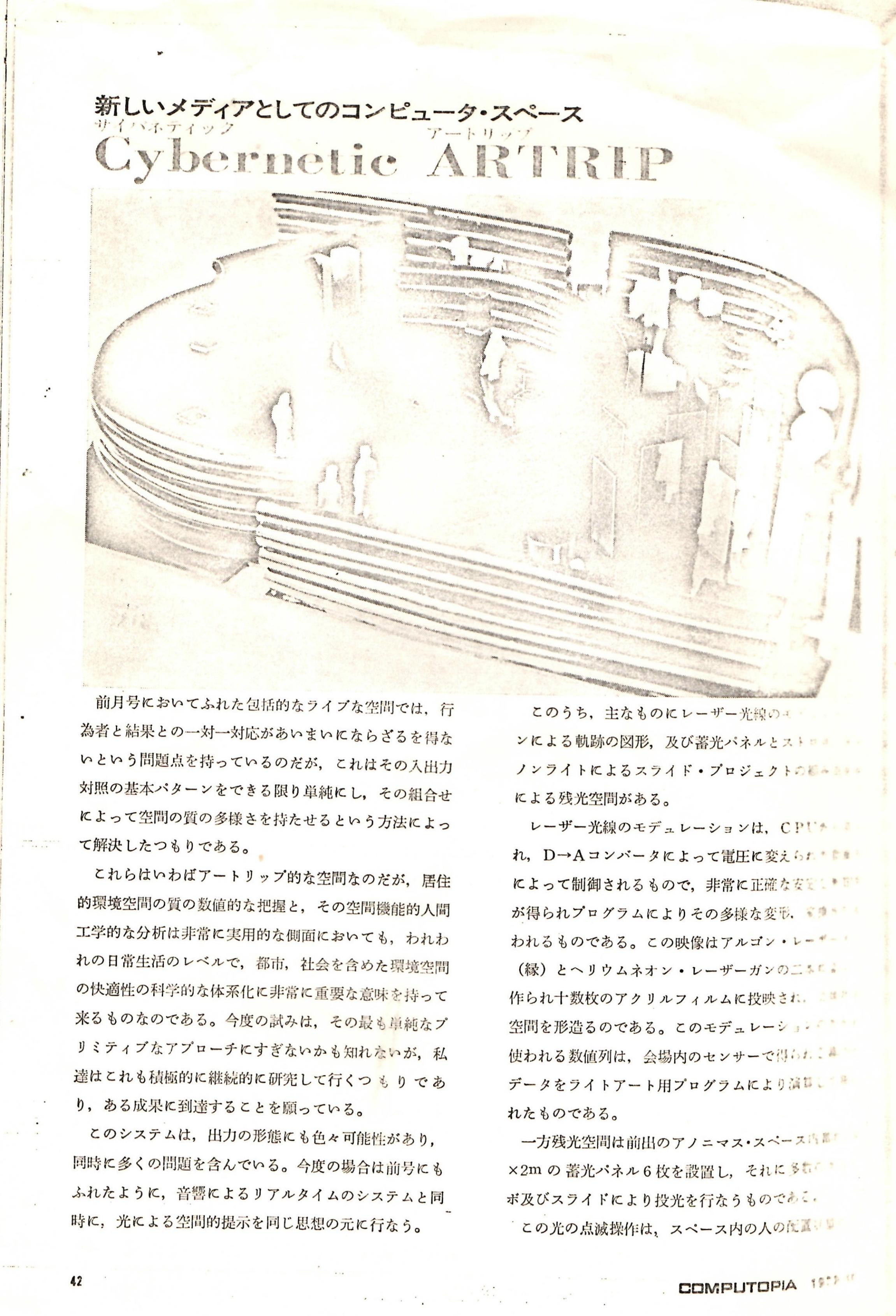
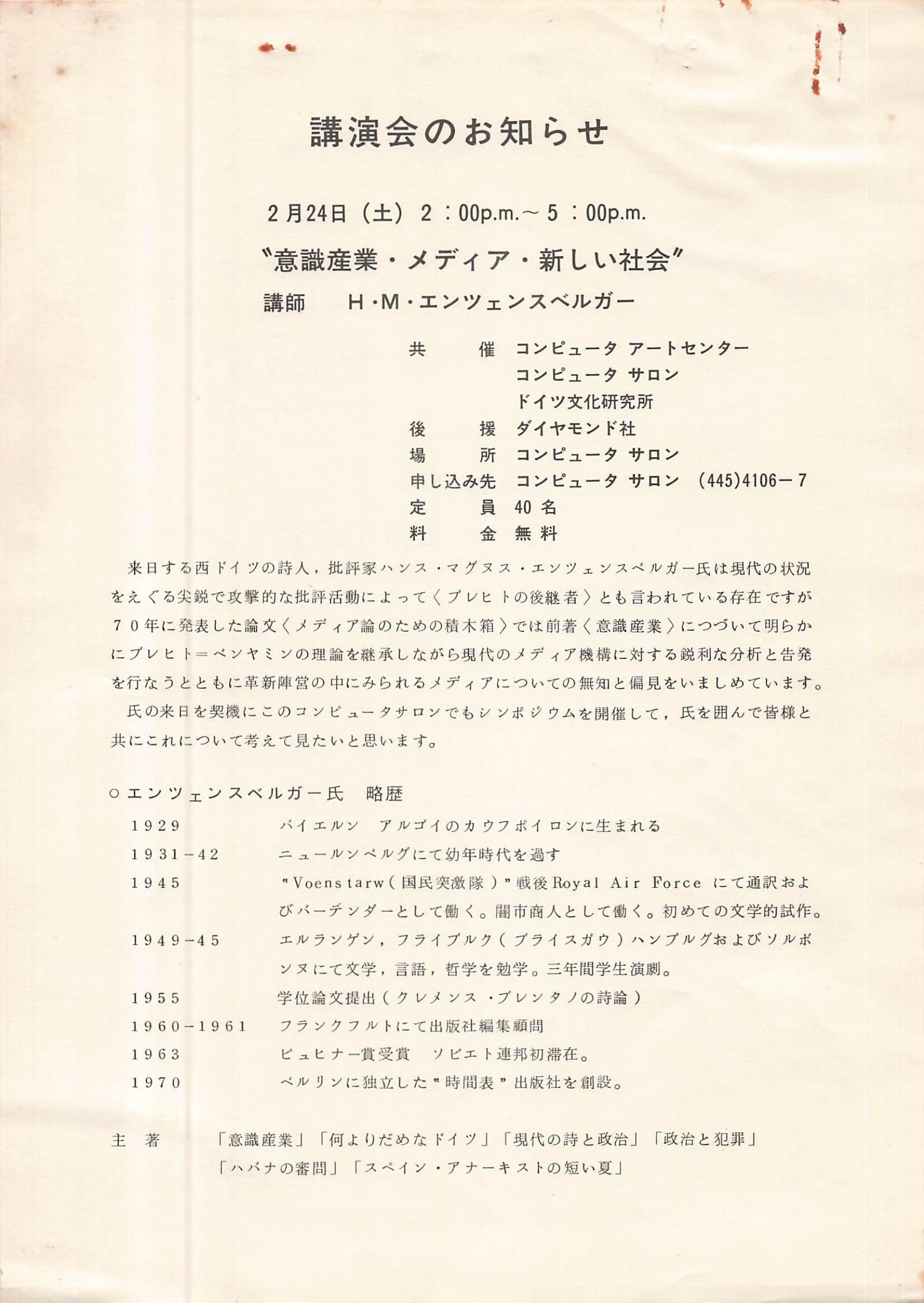
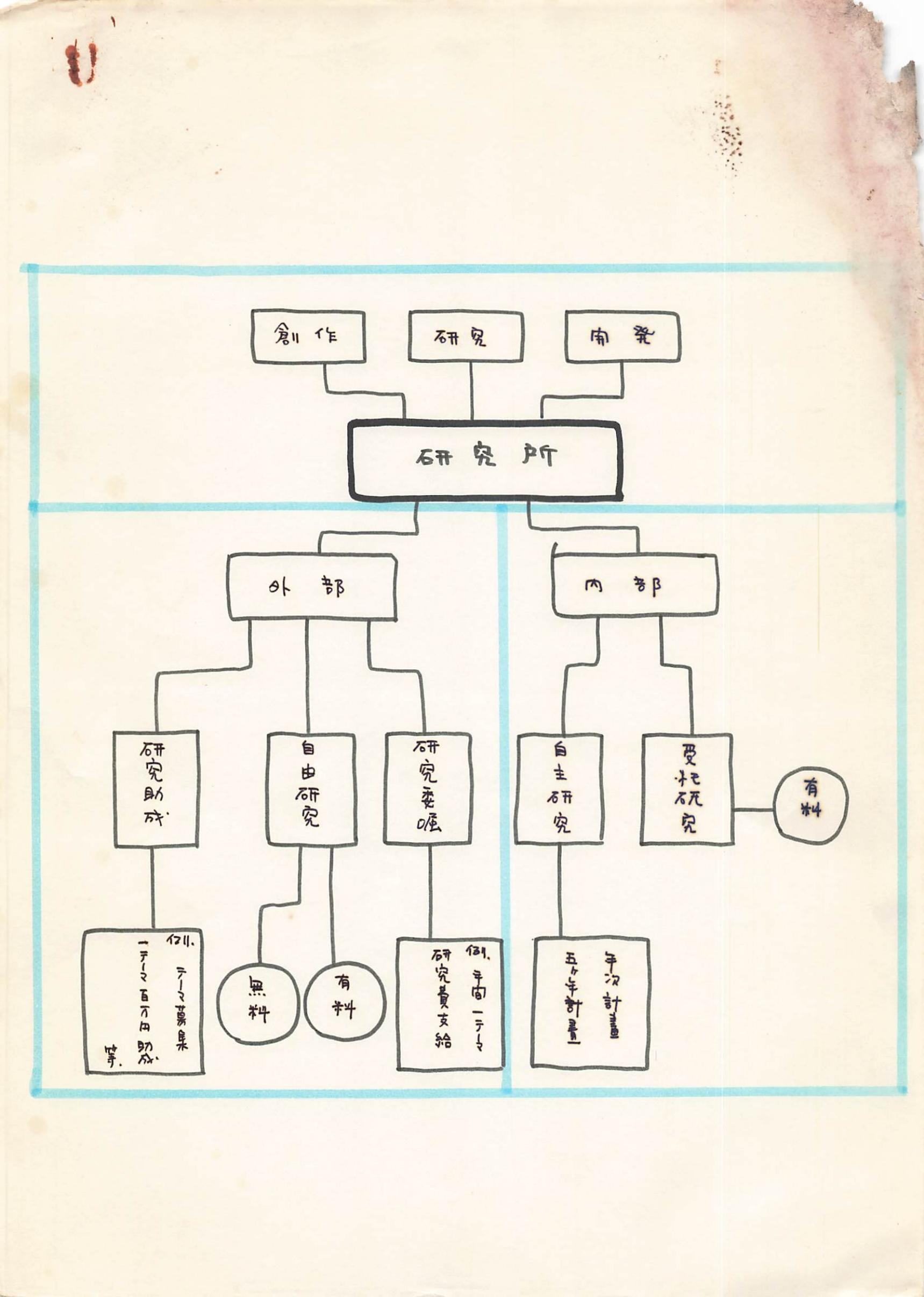
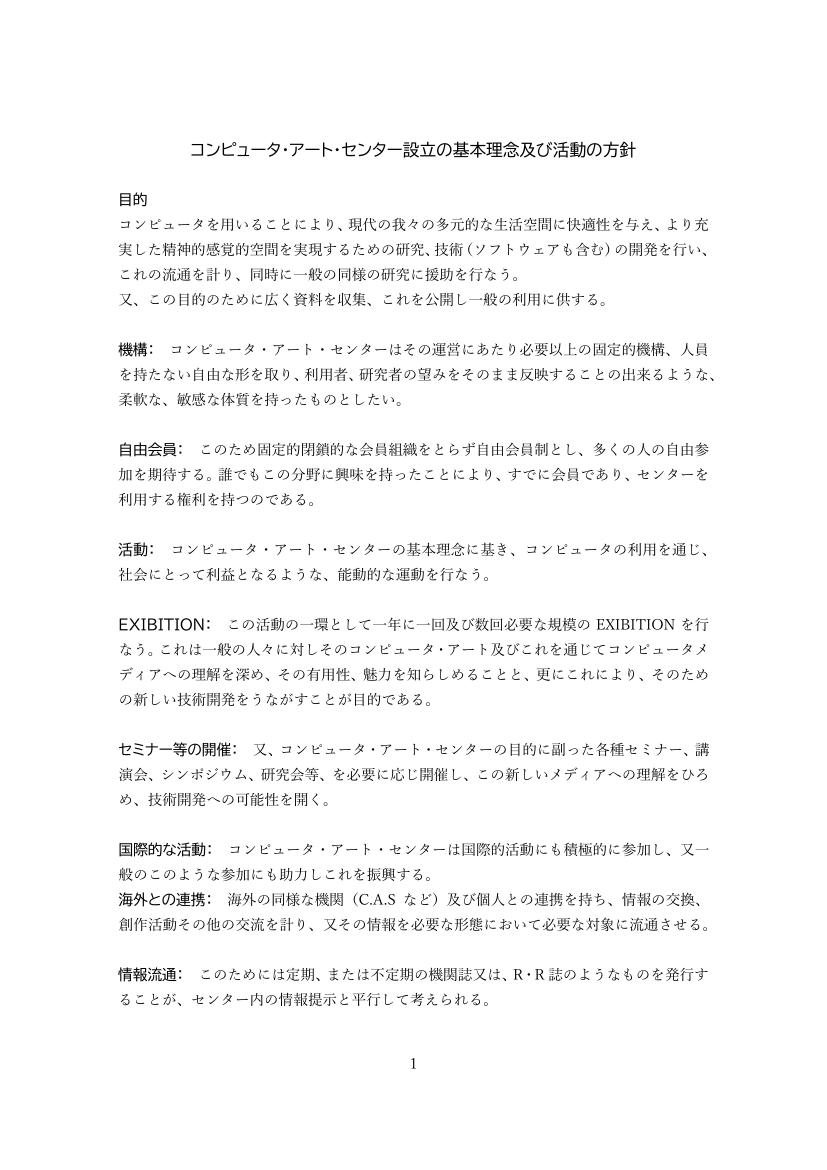
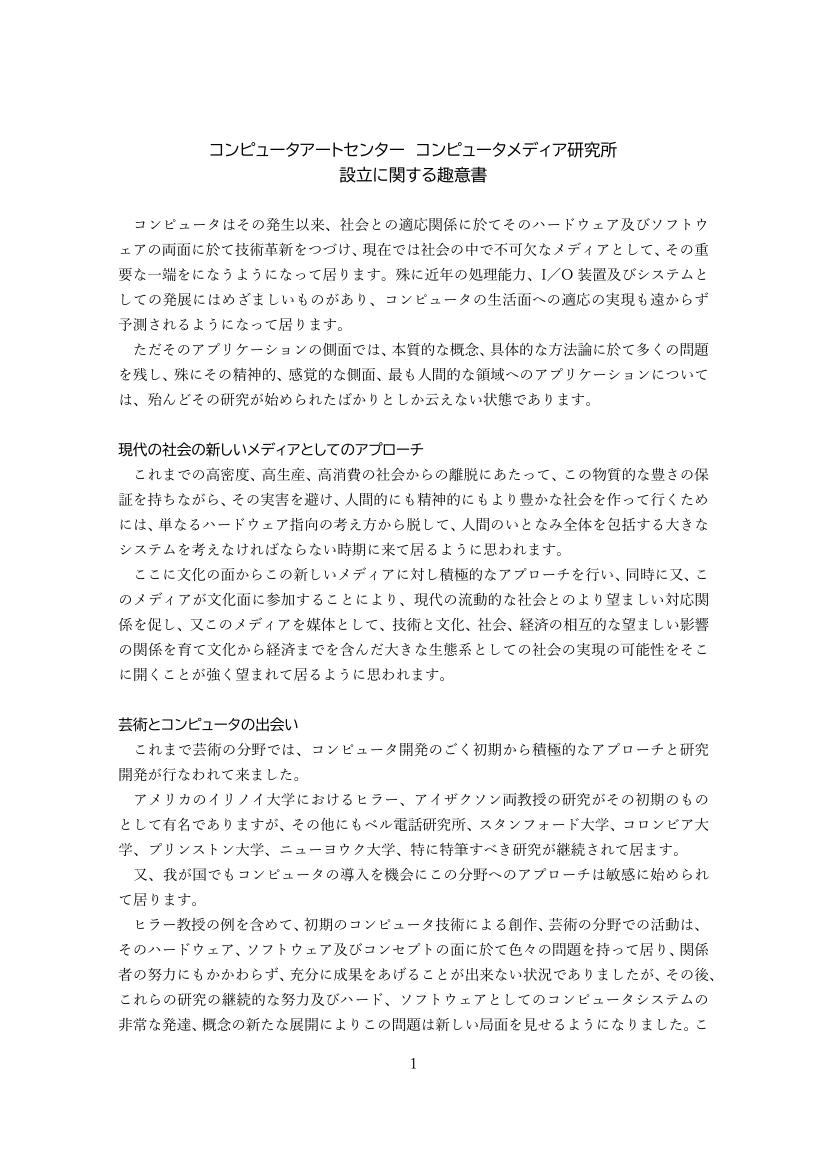
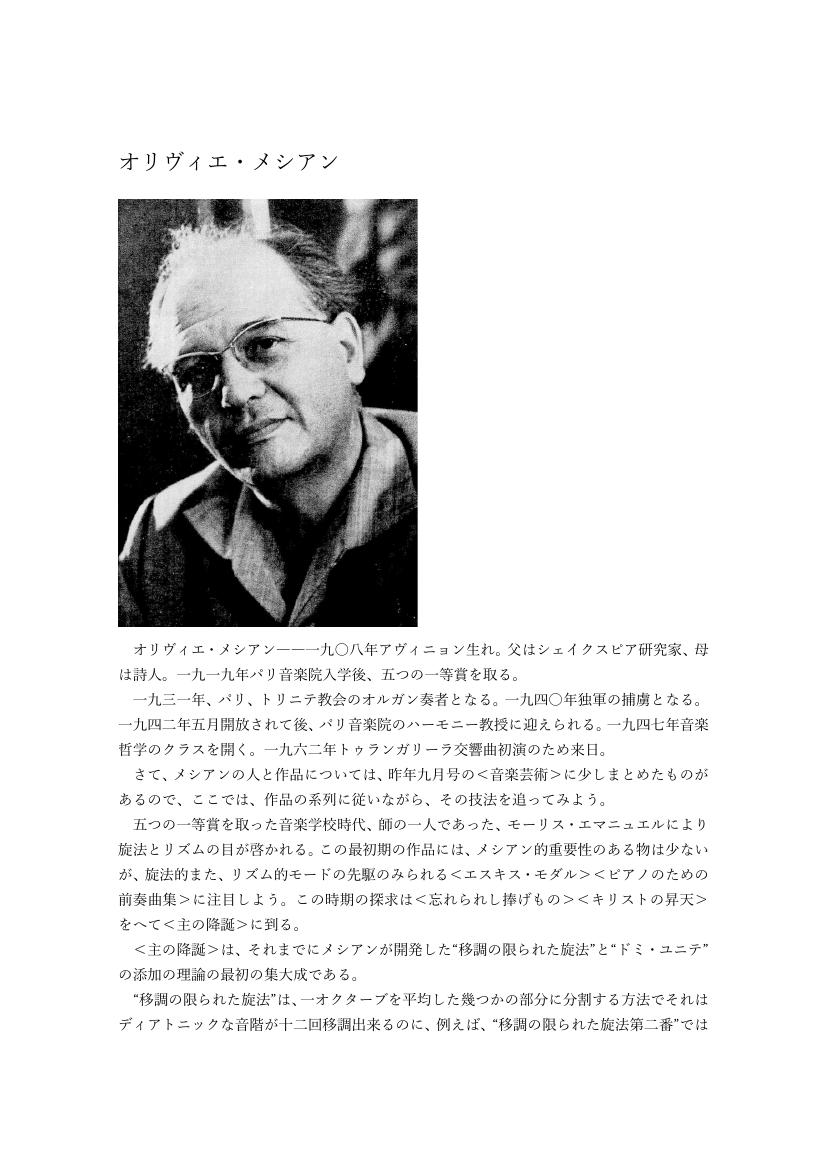
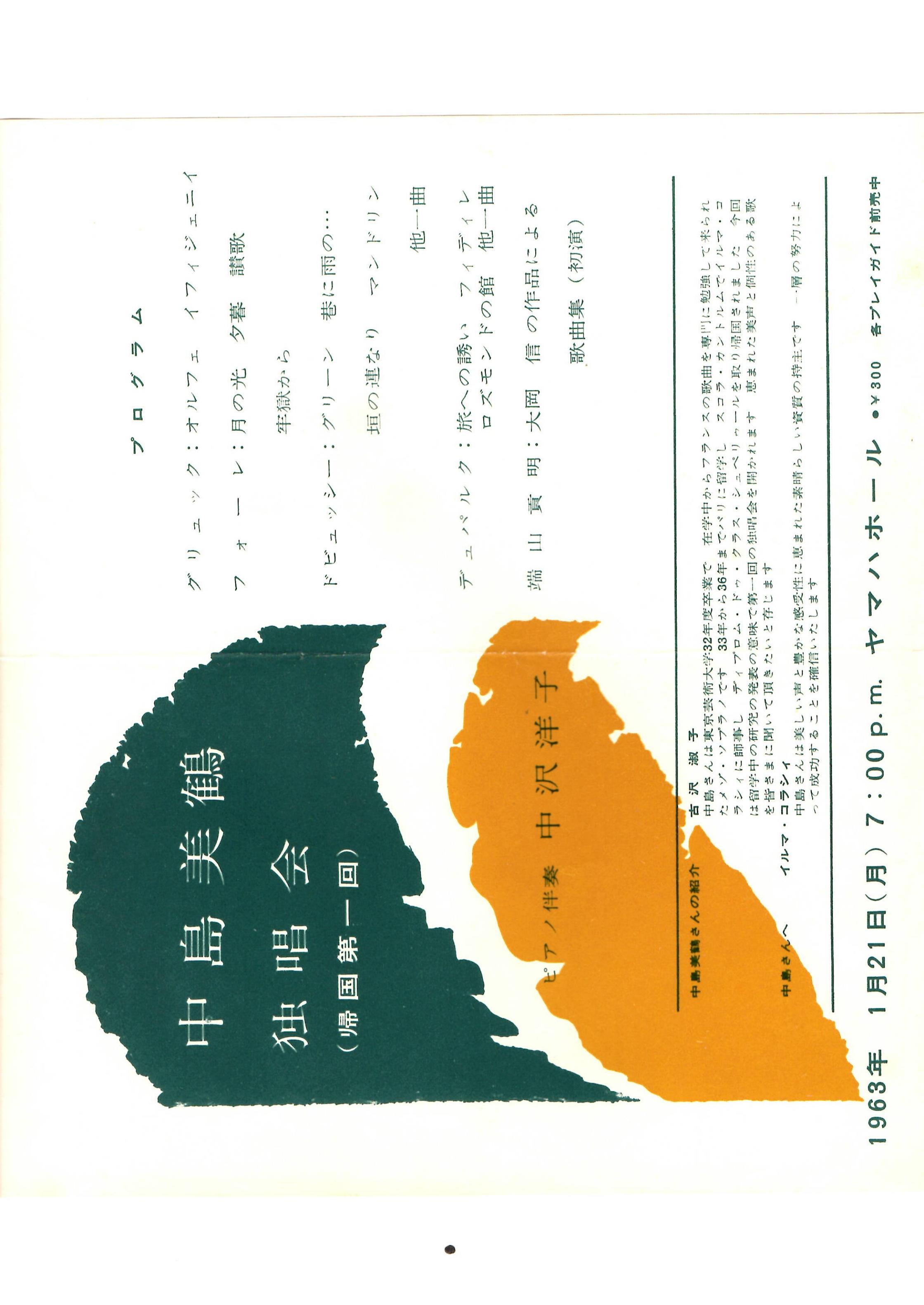
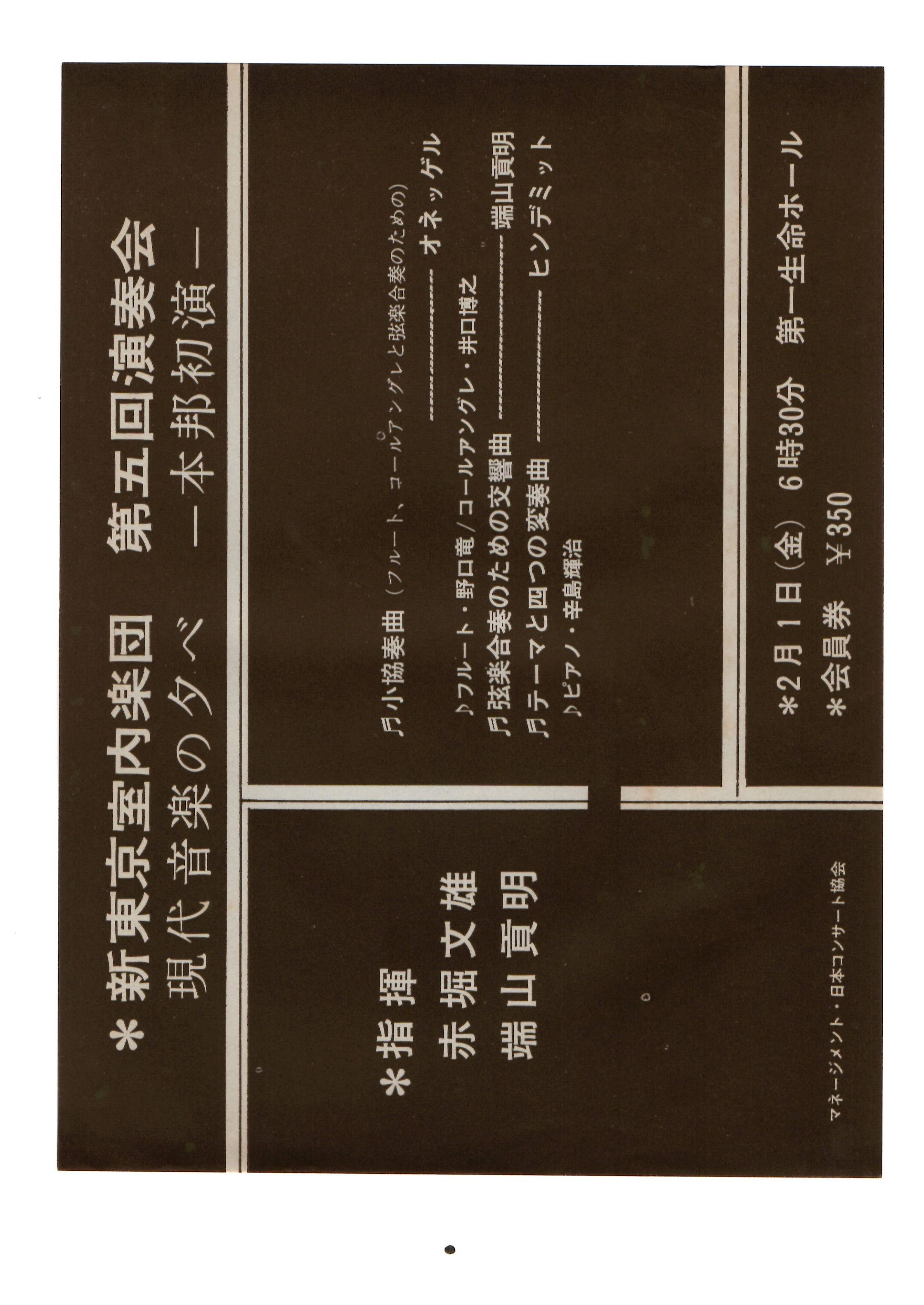
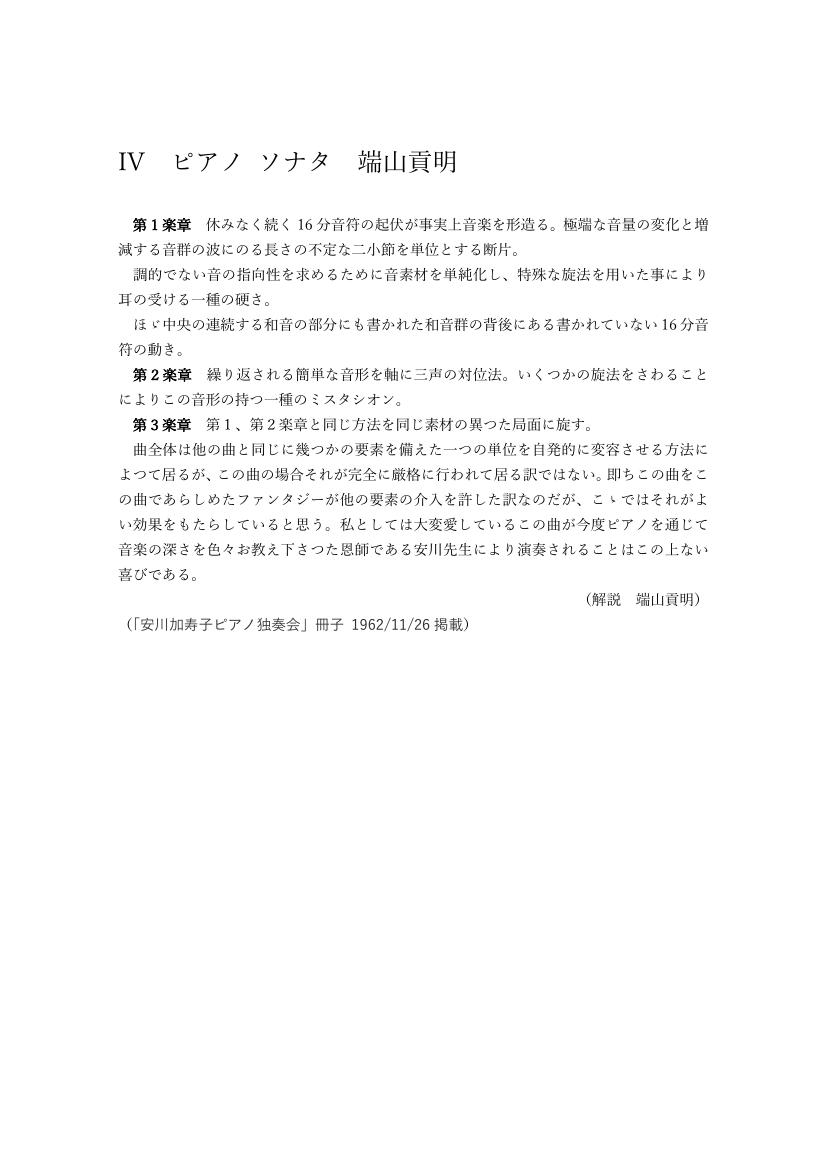
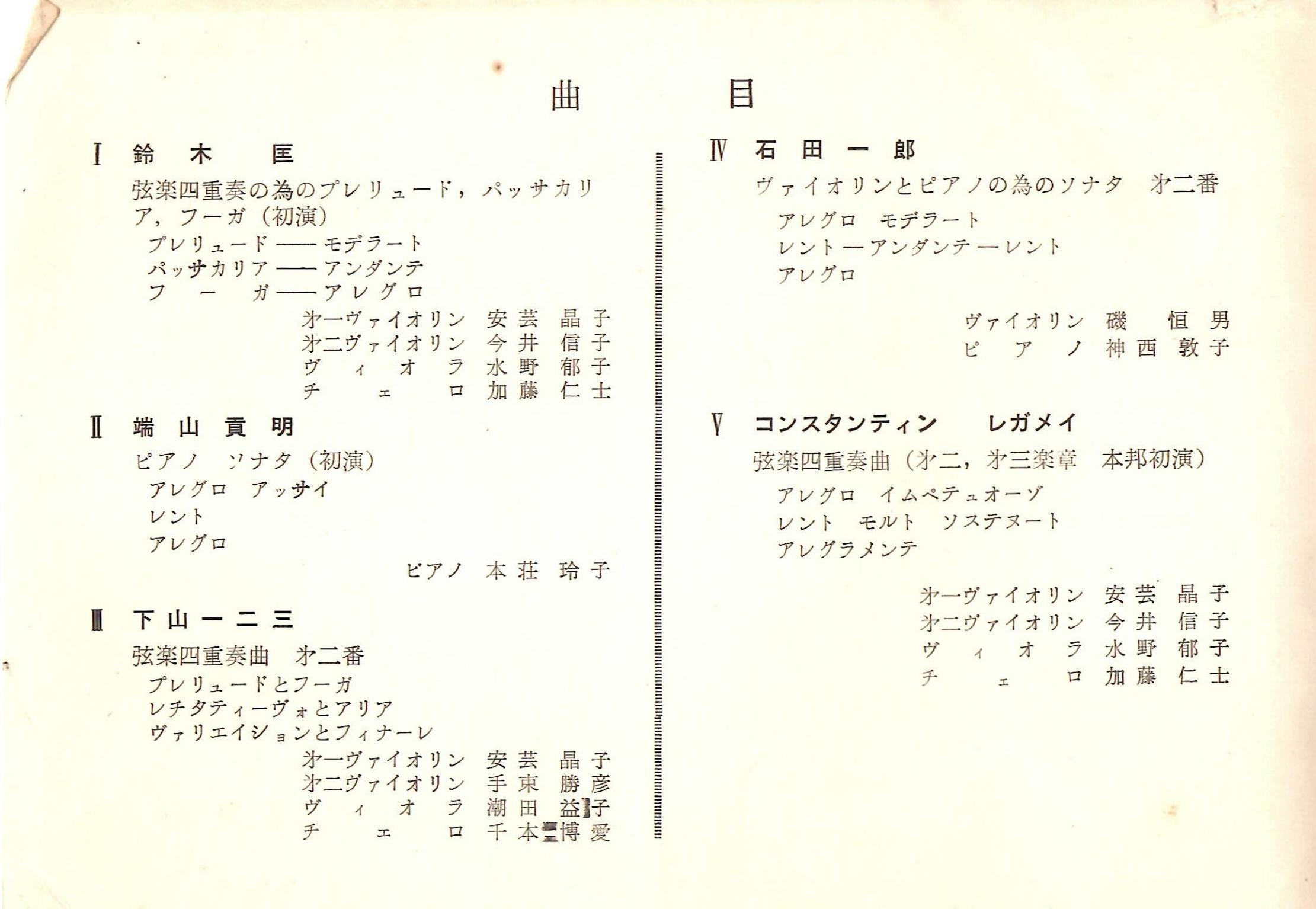
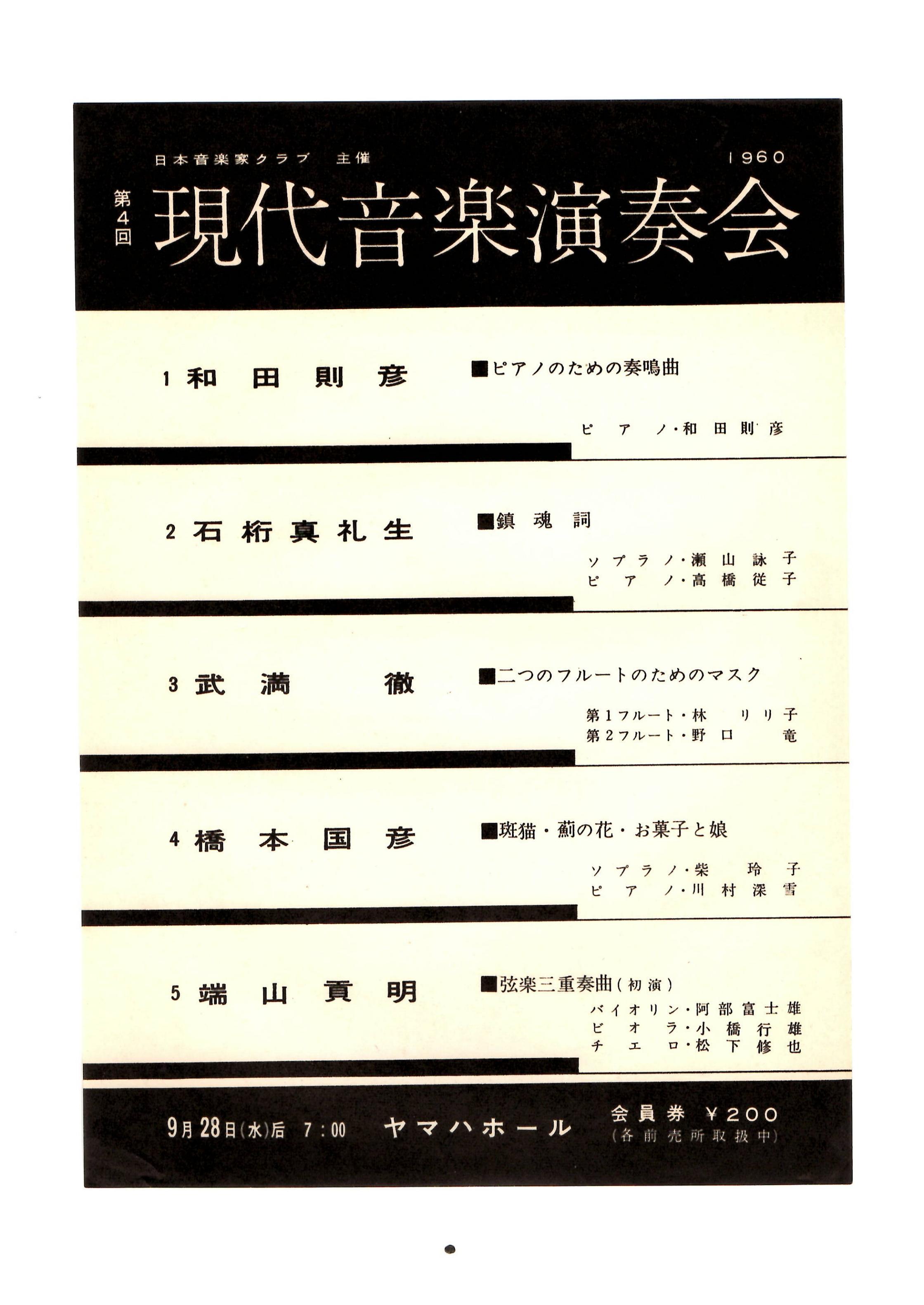
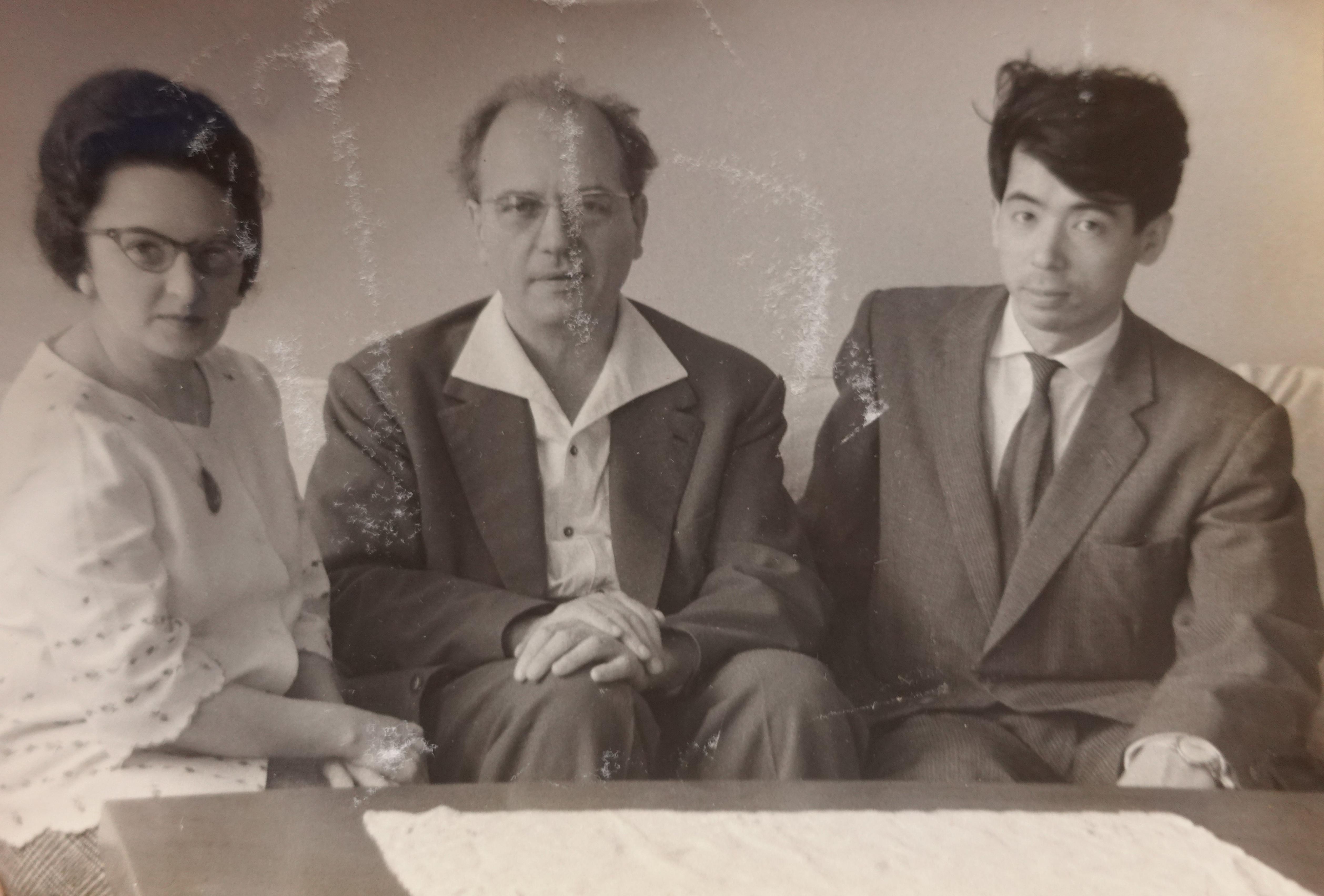
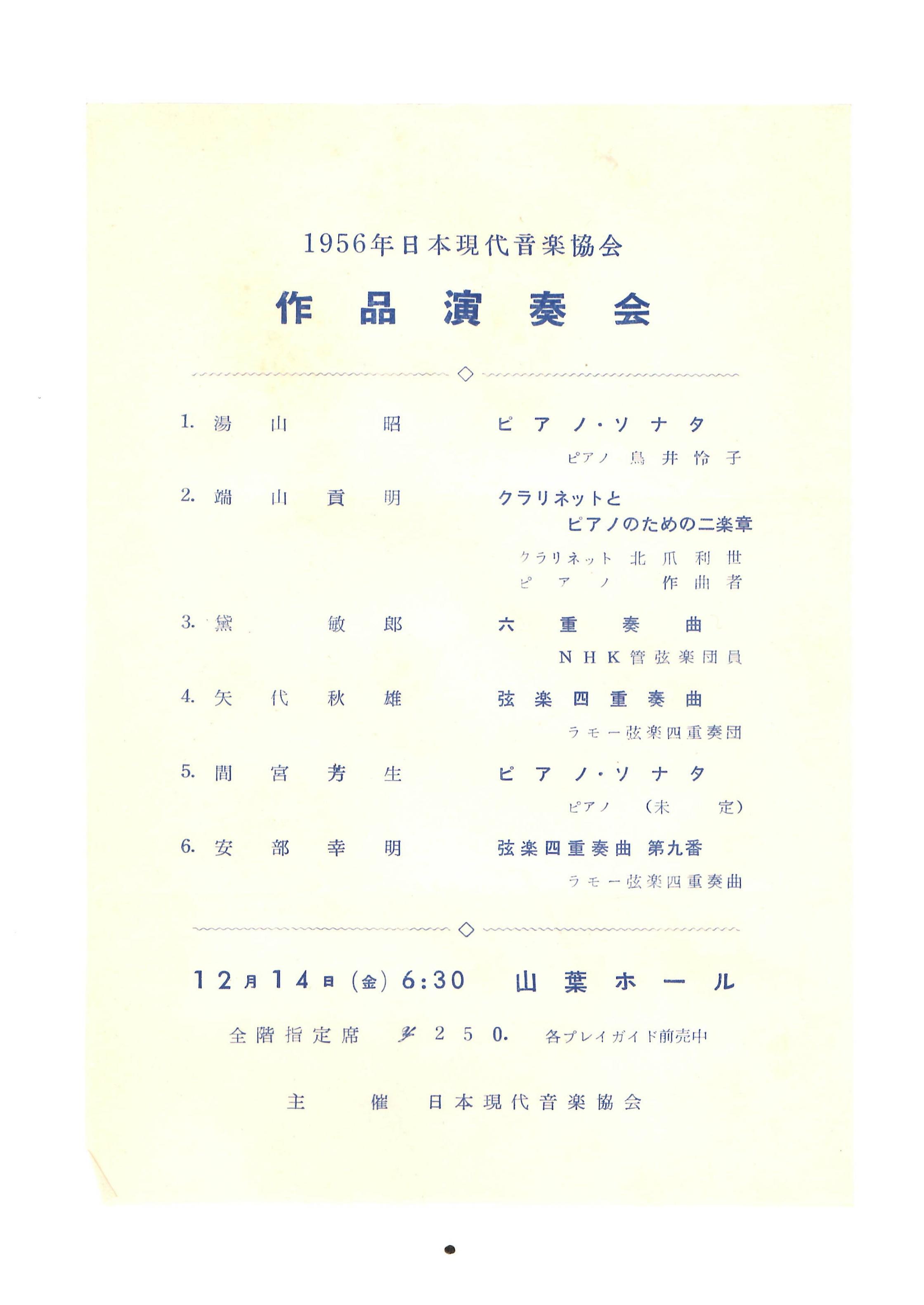
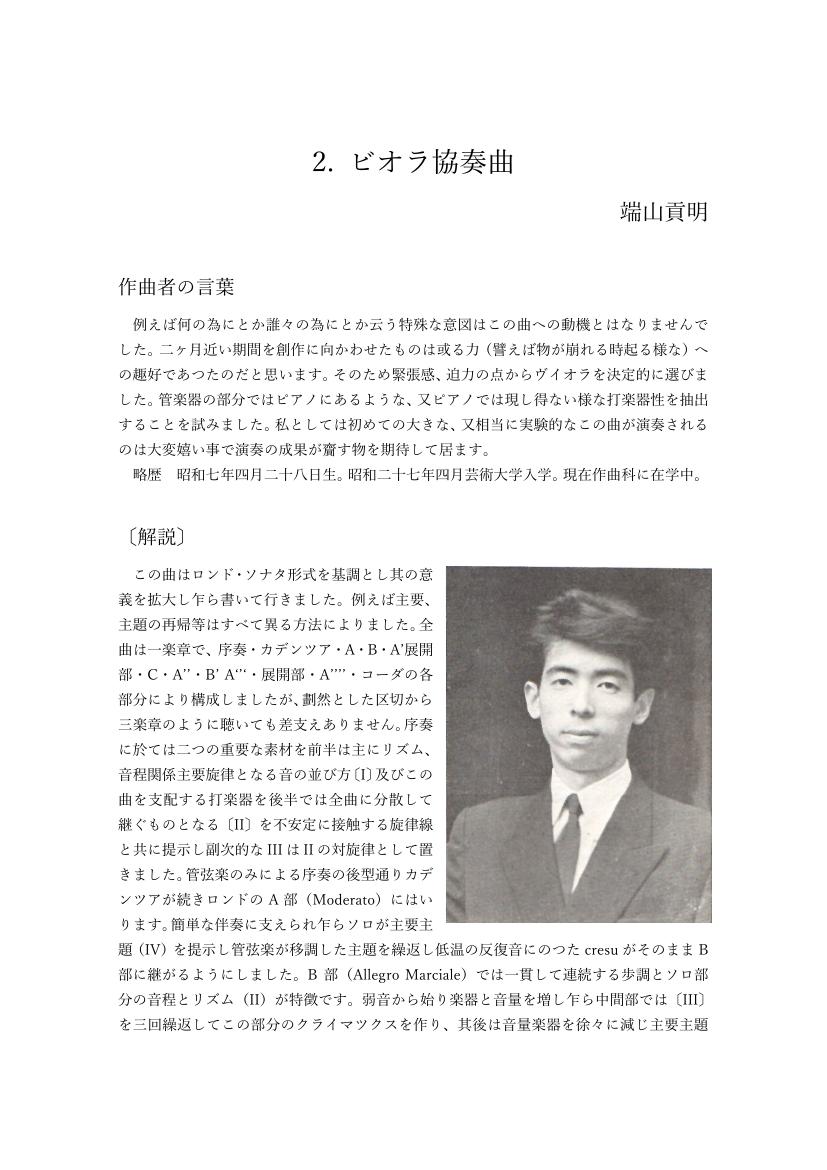
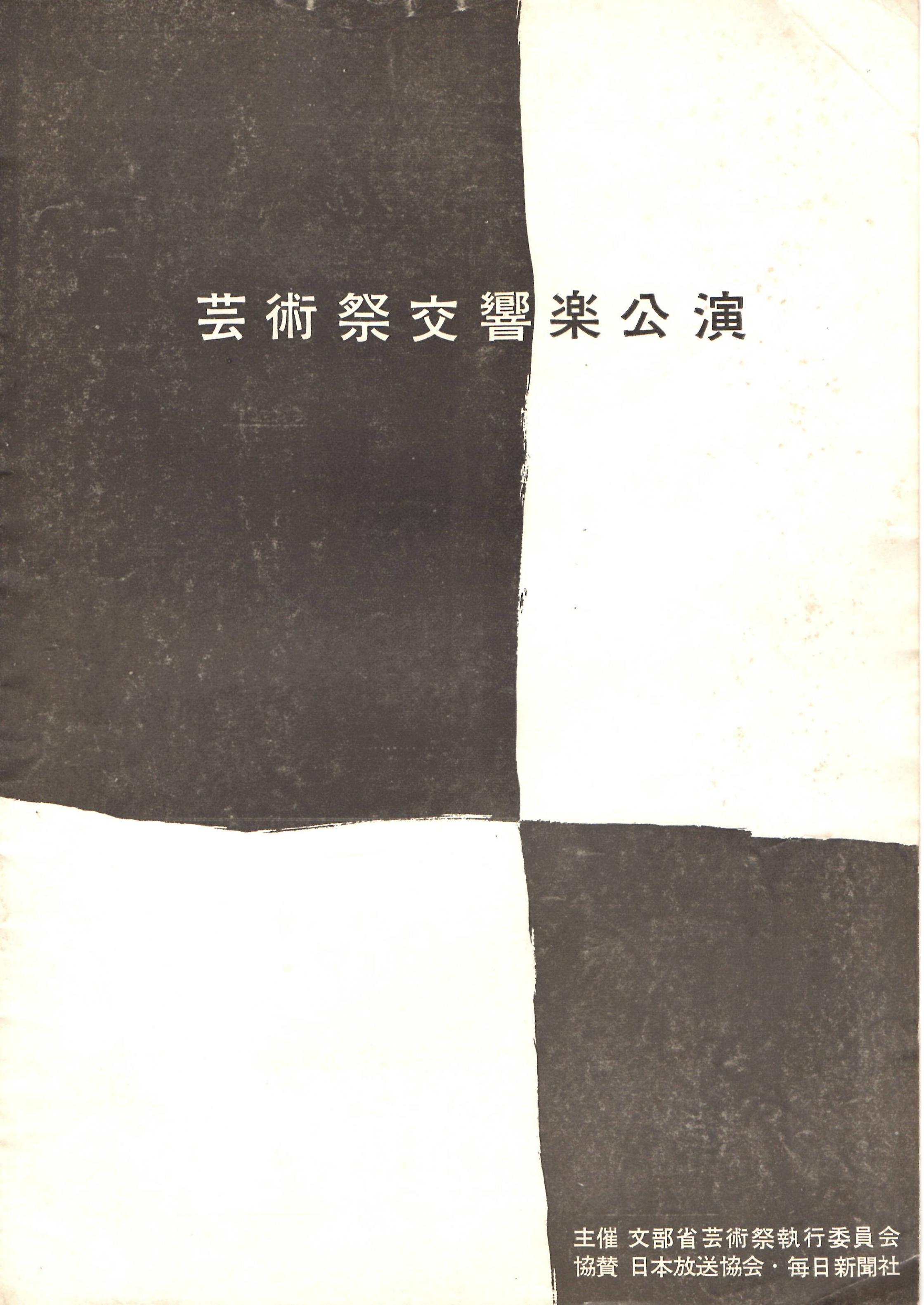
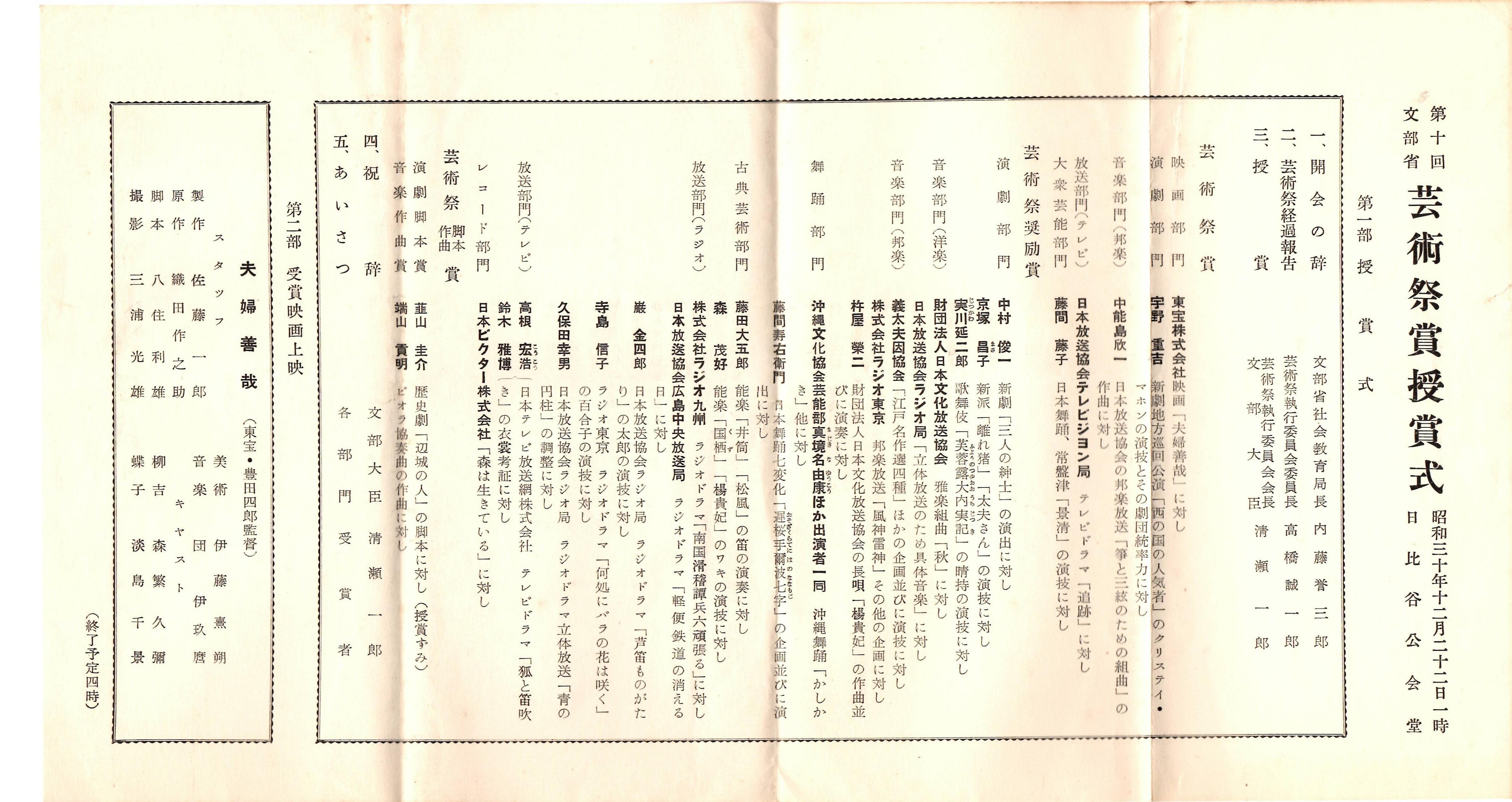
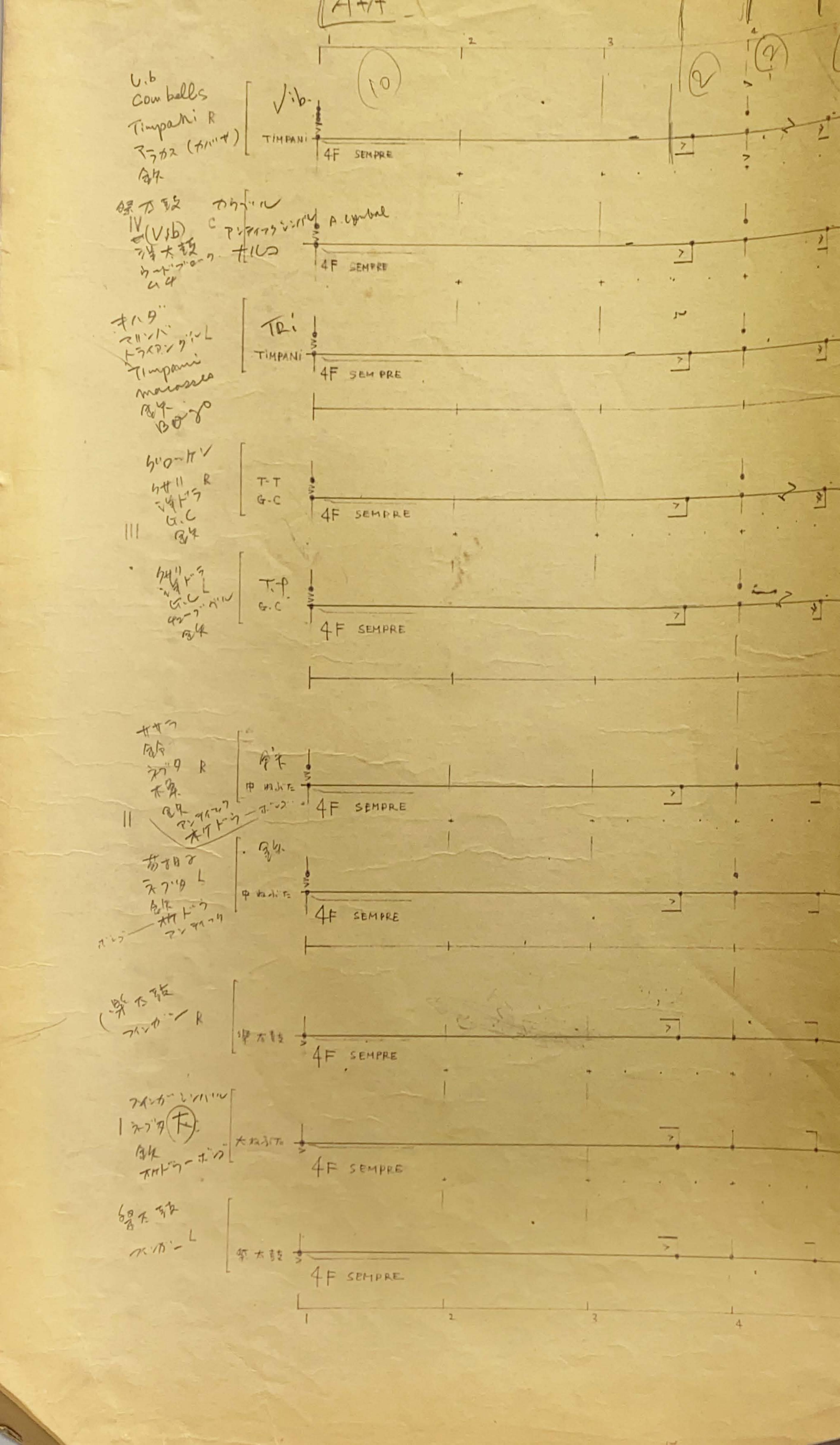
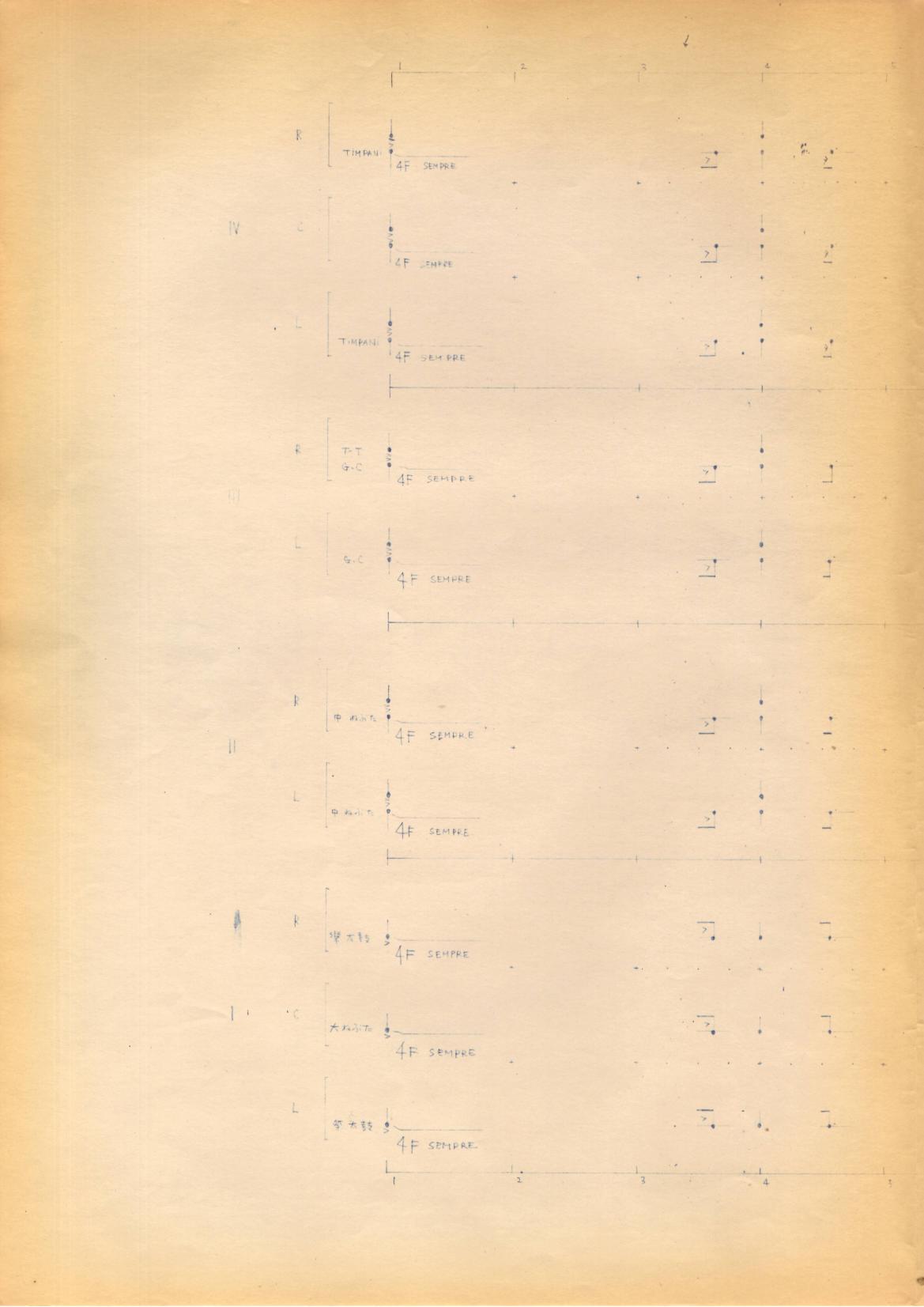
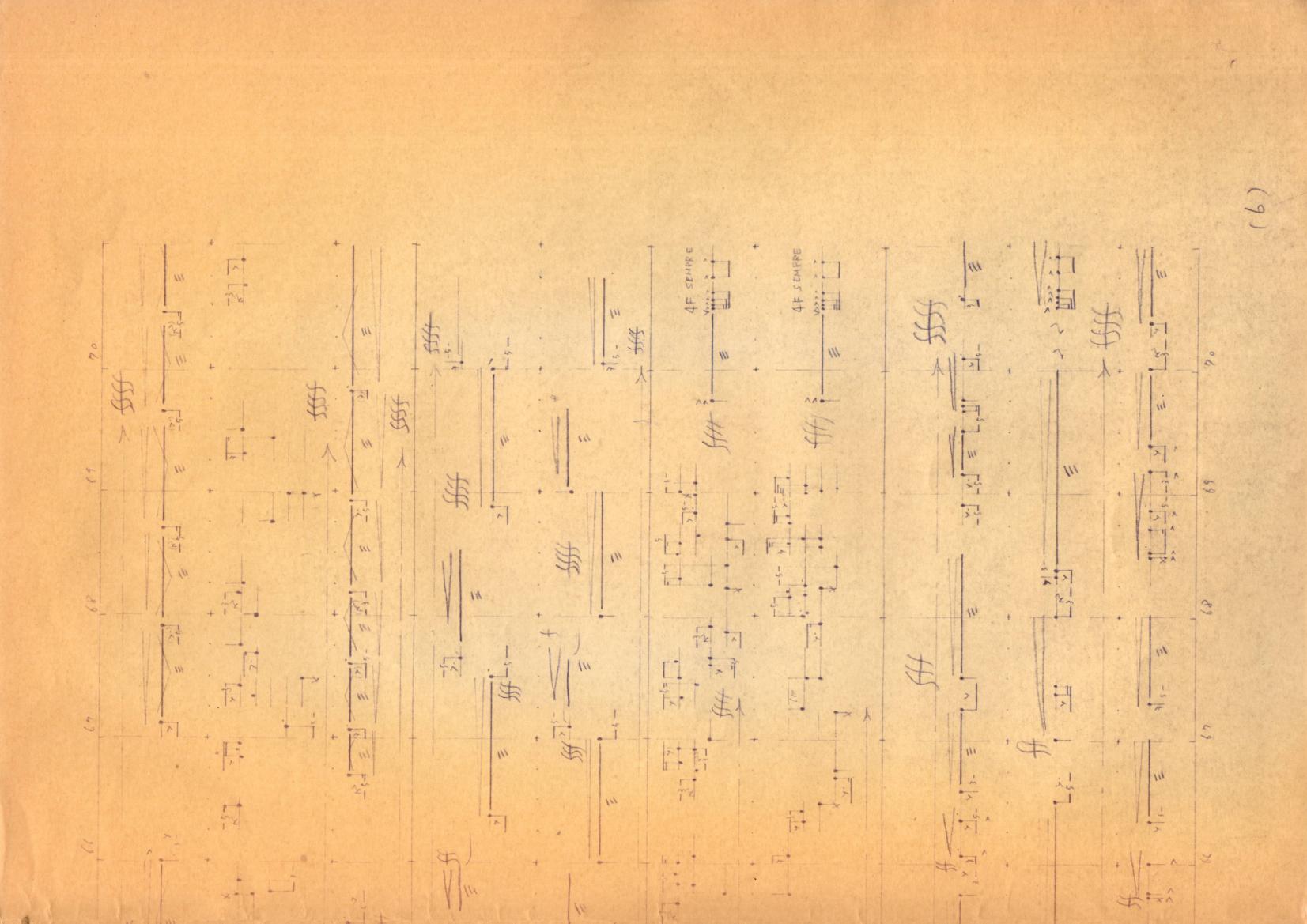
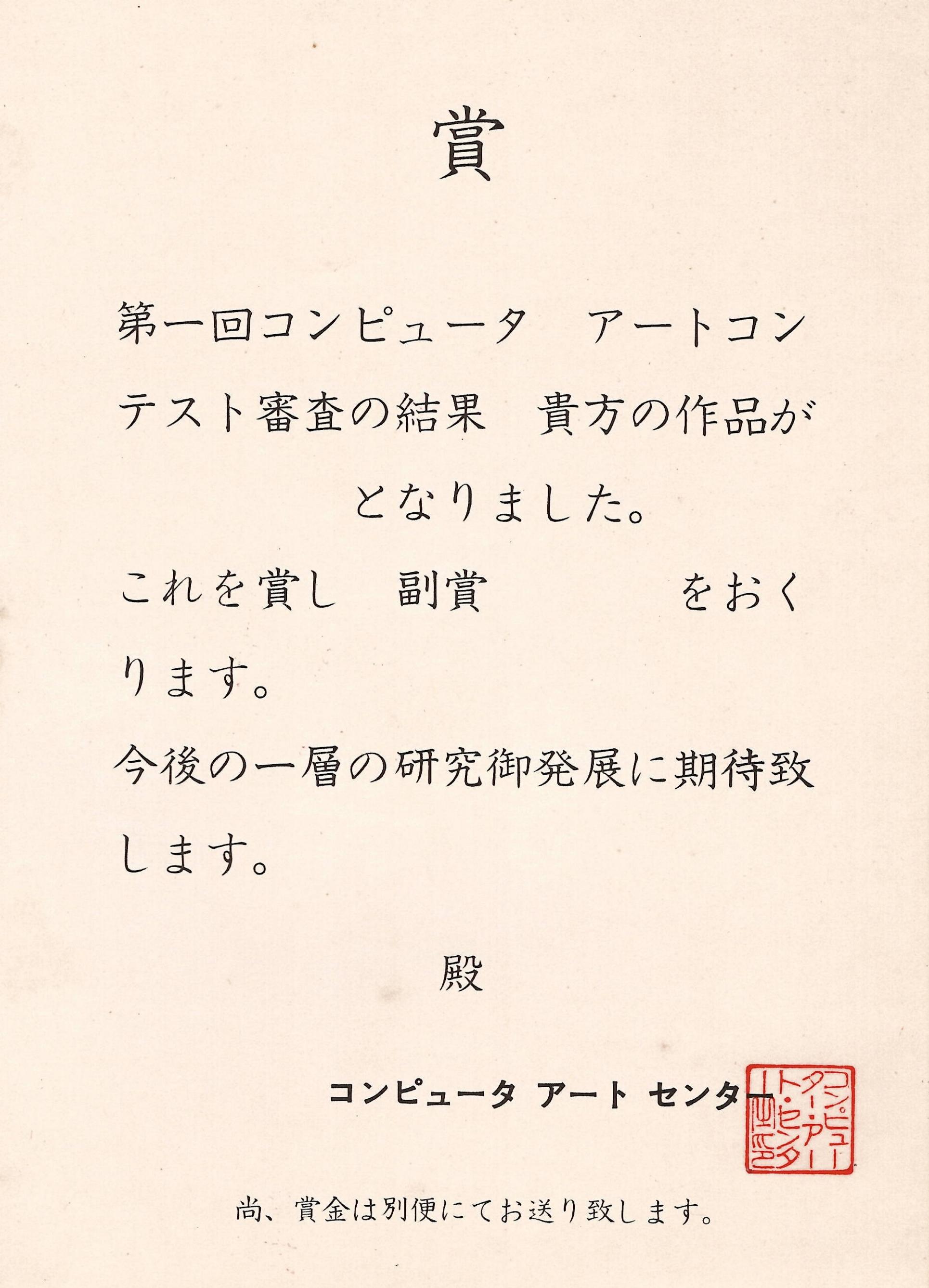
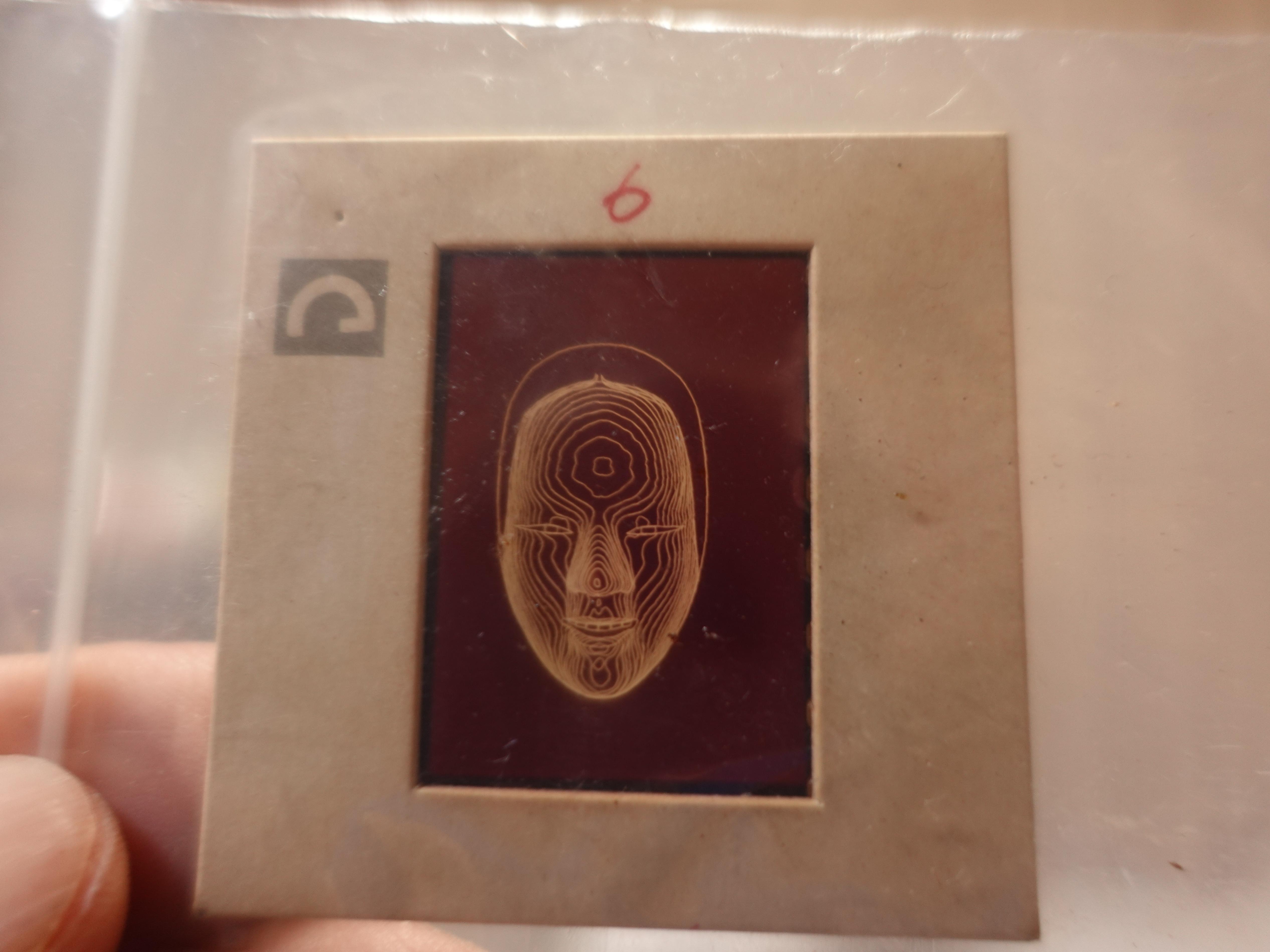
Komei Hayama (端山貢明, 1932–2021) was a Japanese composer who became one of the first theorists and organisers of computer art in Japan. Born in Tokyo, he graduated in composition from the Tokyo University of the Arts in 1955, the year his Viola Concerto took the composition prize at the Ministry of Education's Art Festival, then went to Paris on a French government scholarship to study with Olivier Messiaen, graduating from the Paris Conservatoire in 1959. He continued to compose through the 1960s — a Piano Sonata, a Sonata for Unaccompanied Violin, broadcast music for NHK and film scores — and won a second Minister of Education award in 1969 for Symphonic Metamorphosis for Piano and Orchestra. Judging that contemporary music had cut itself off from society, he turned in the early 1970s to what he called the computer as a medium of indeterminacy (非決定性のメディア). He founded the Computer Art Center (コンピュータ・アート・センター) in Tokyo in 1972 and the Social Dynamics Institute in 1974, organised the Computer Art Exhibitions from 1973 and the International Computer Art Exhibition series that ran through 1978, took commissioned research from the Ministry of International Trade and Industry, and set out his account of image-making from Lascaux to computer graphics in Image Synthetics (1983). Kusemai (1978) was his last composition. From 1993 he taught information environment studies at Tohoku University of Art and Design in Yamagata, where he worked on regional network projects including Yamagata Net-Expo, and became emeritus professor in 2000. His late writing gathers around Net Museion (ネット・ムセイオン), a networked successor to the Museion of ancient Greece built on what he called the agency of the access side.
From the artist
Works in the collection
No published works yet.
In the library