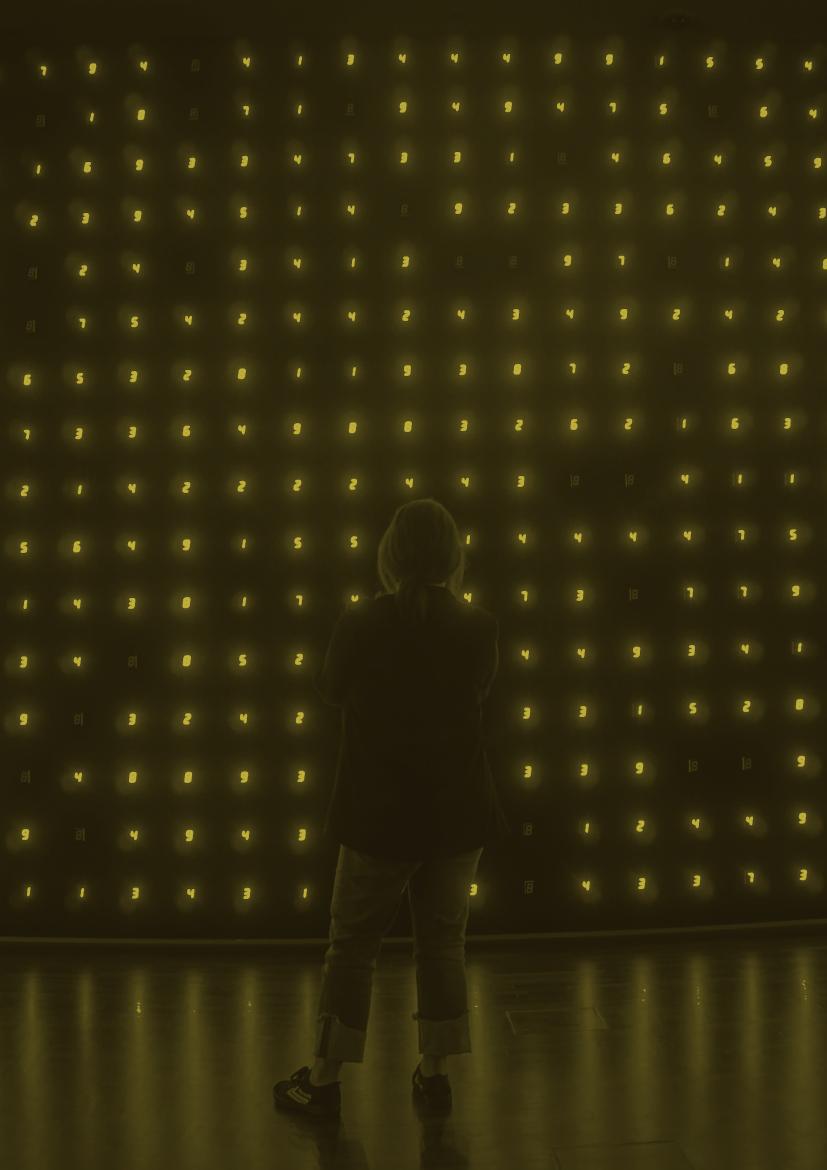
Photo Credit: Bre Pettis
Vera Molnar
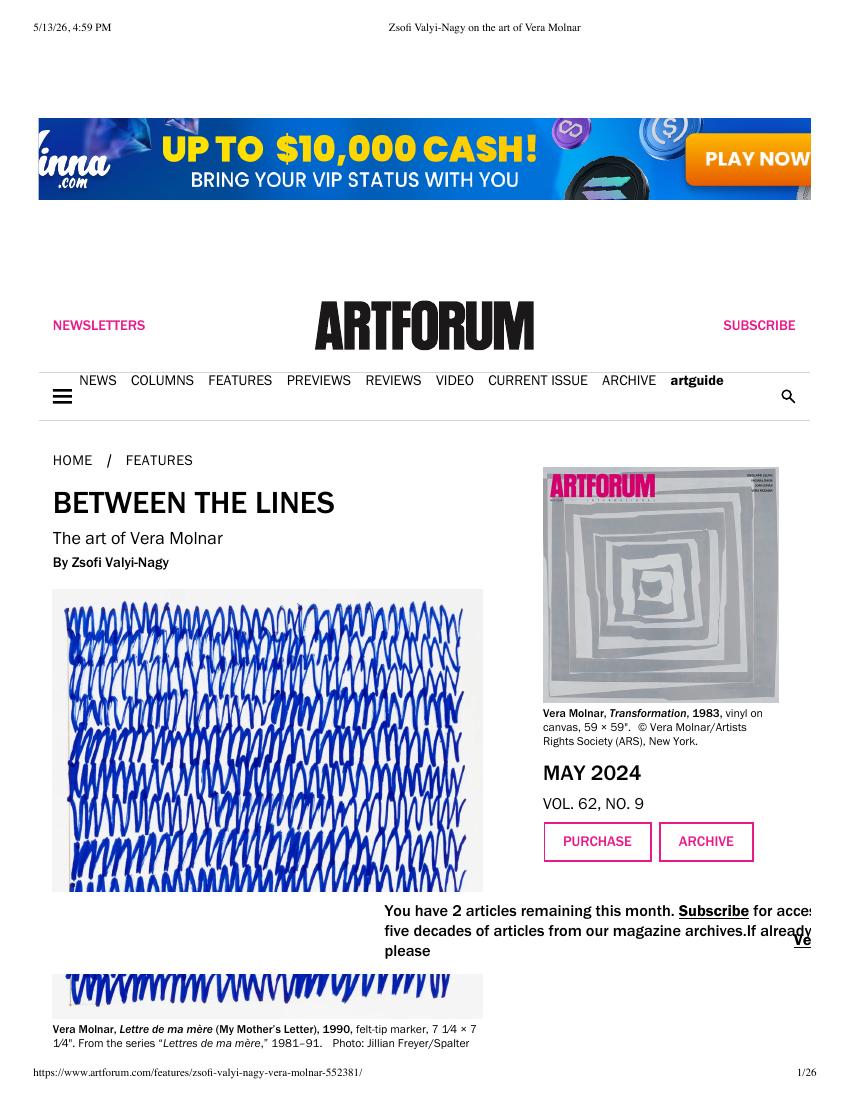
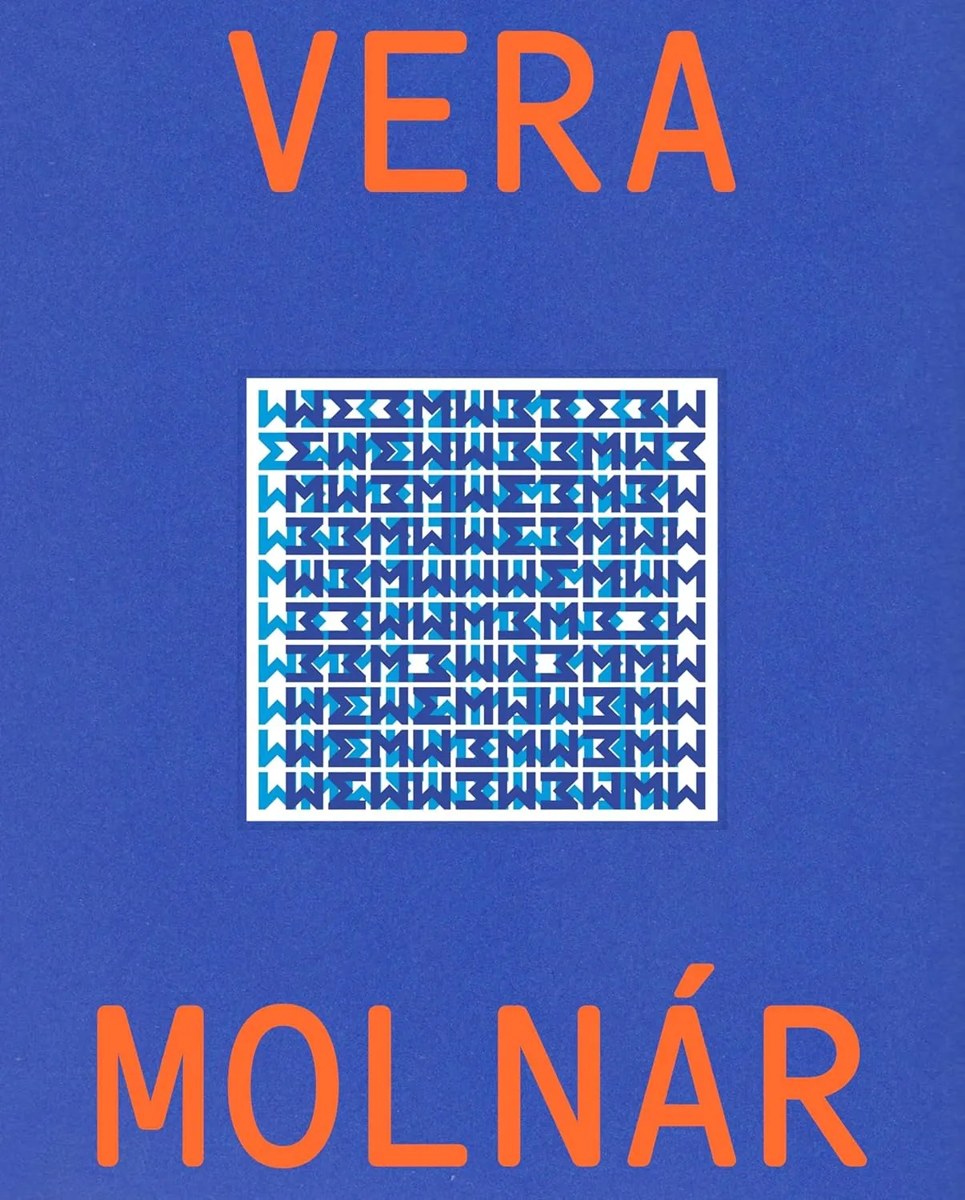
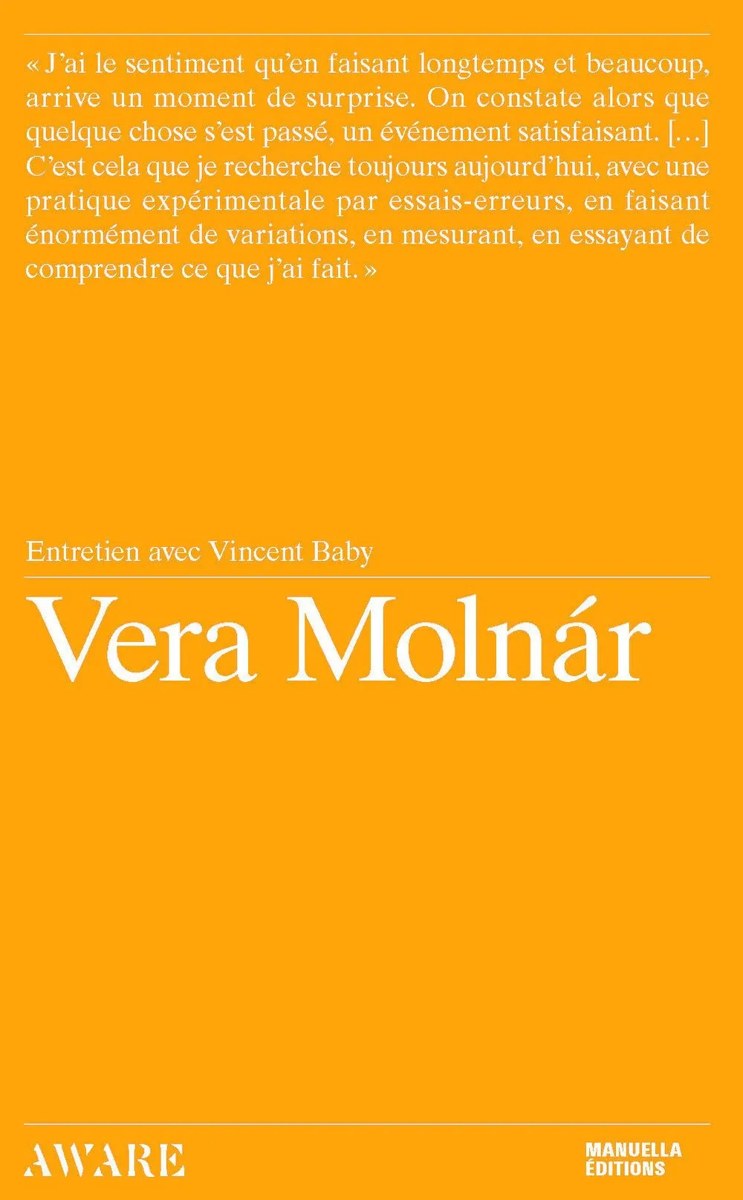
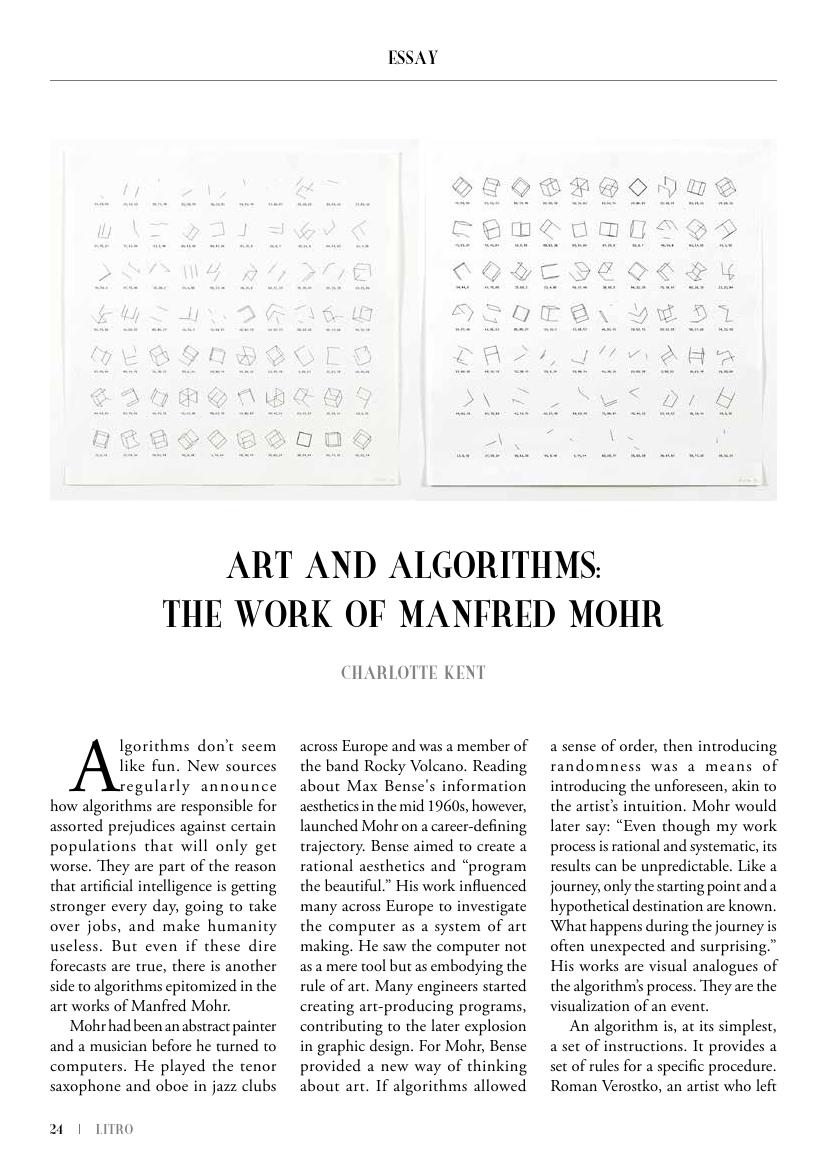
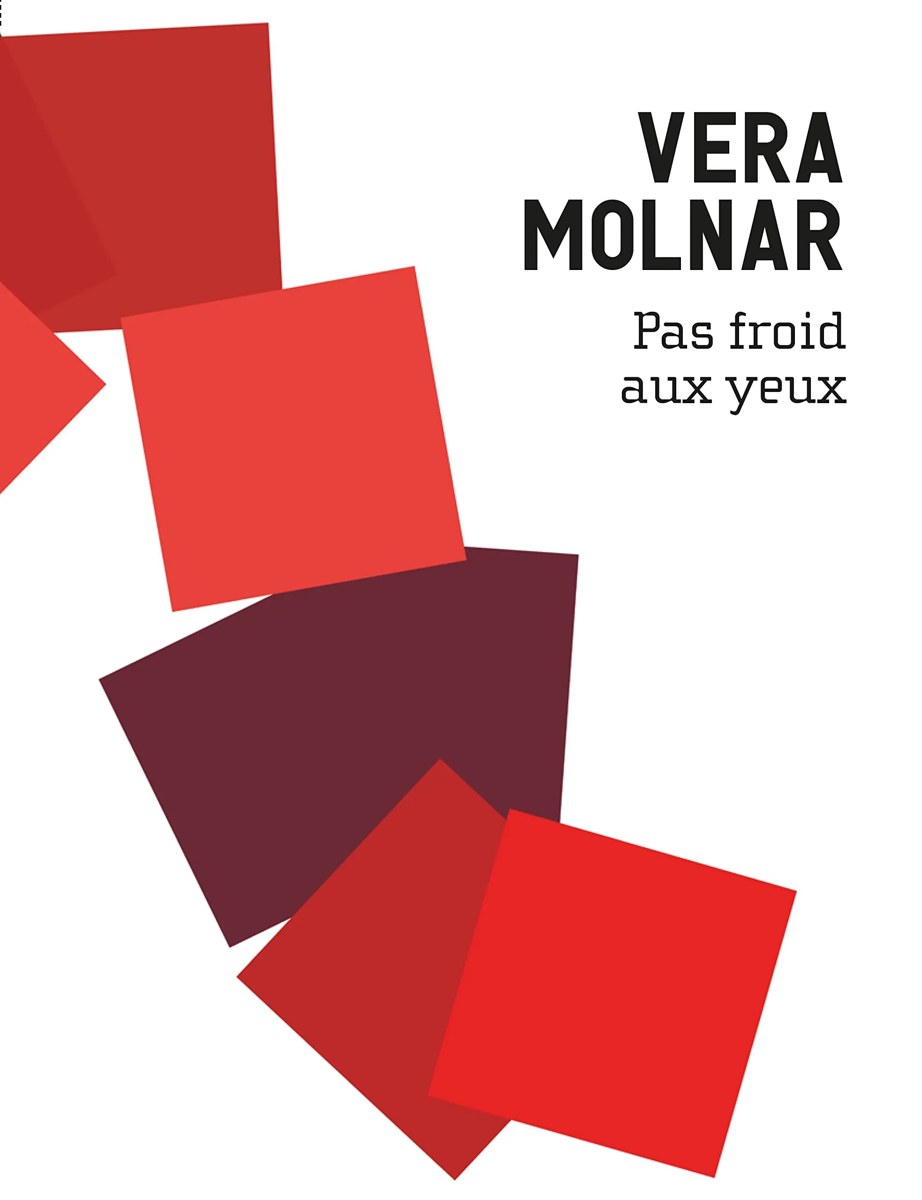
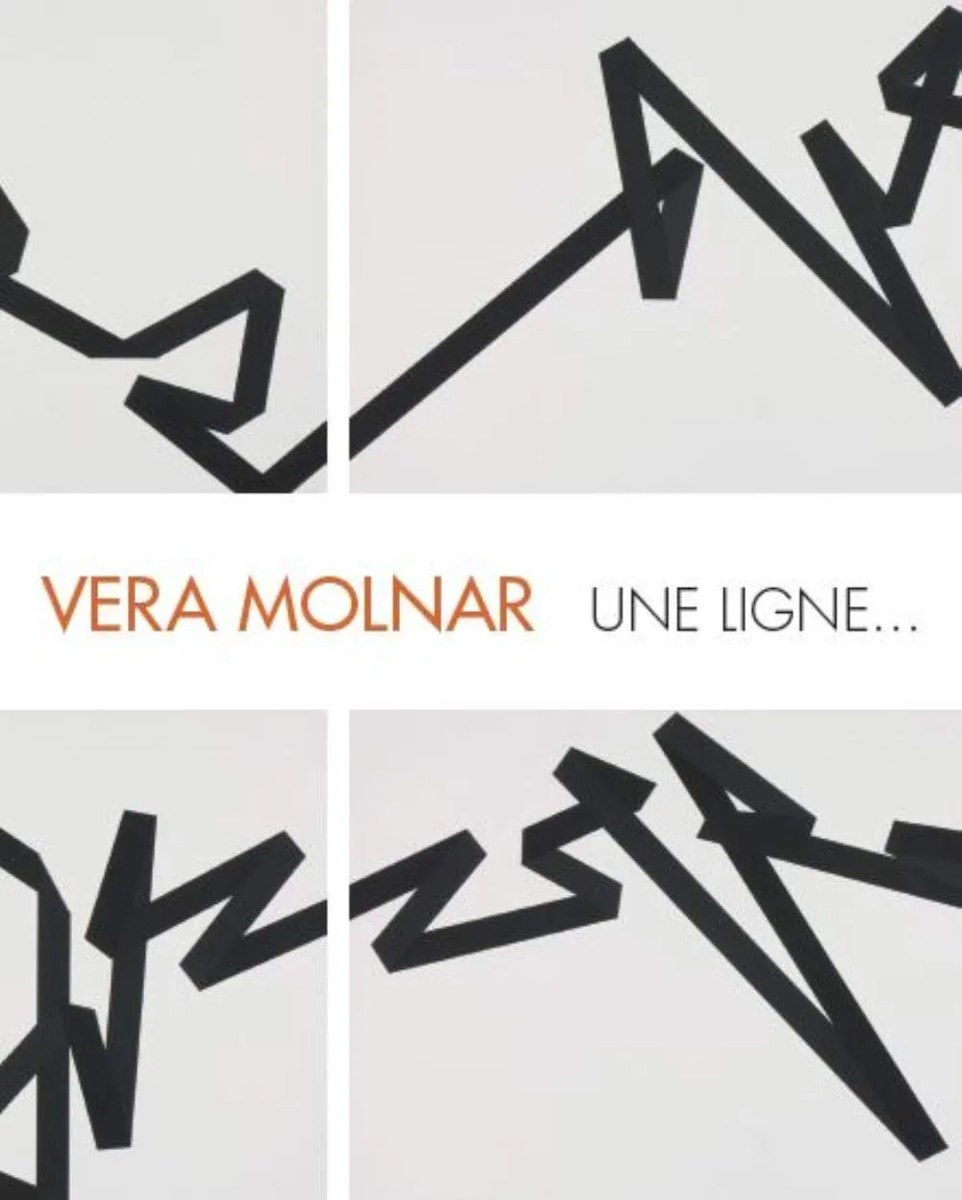
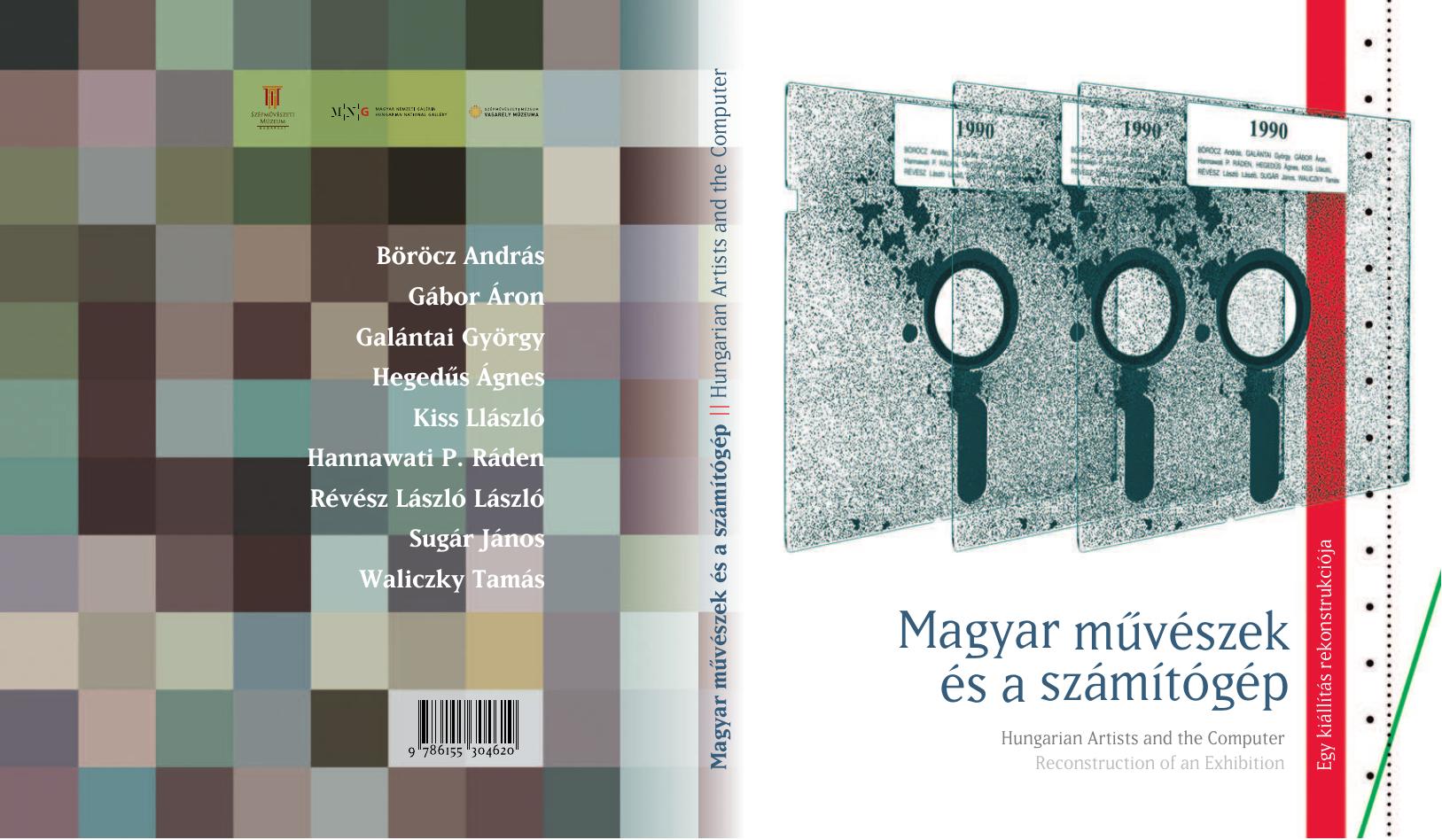
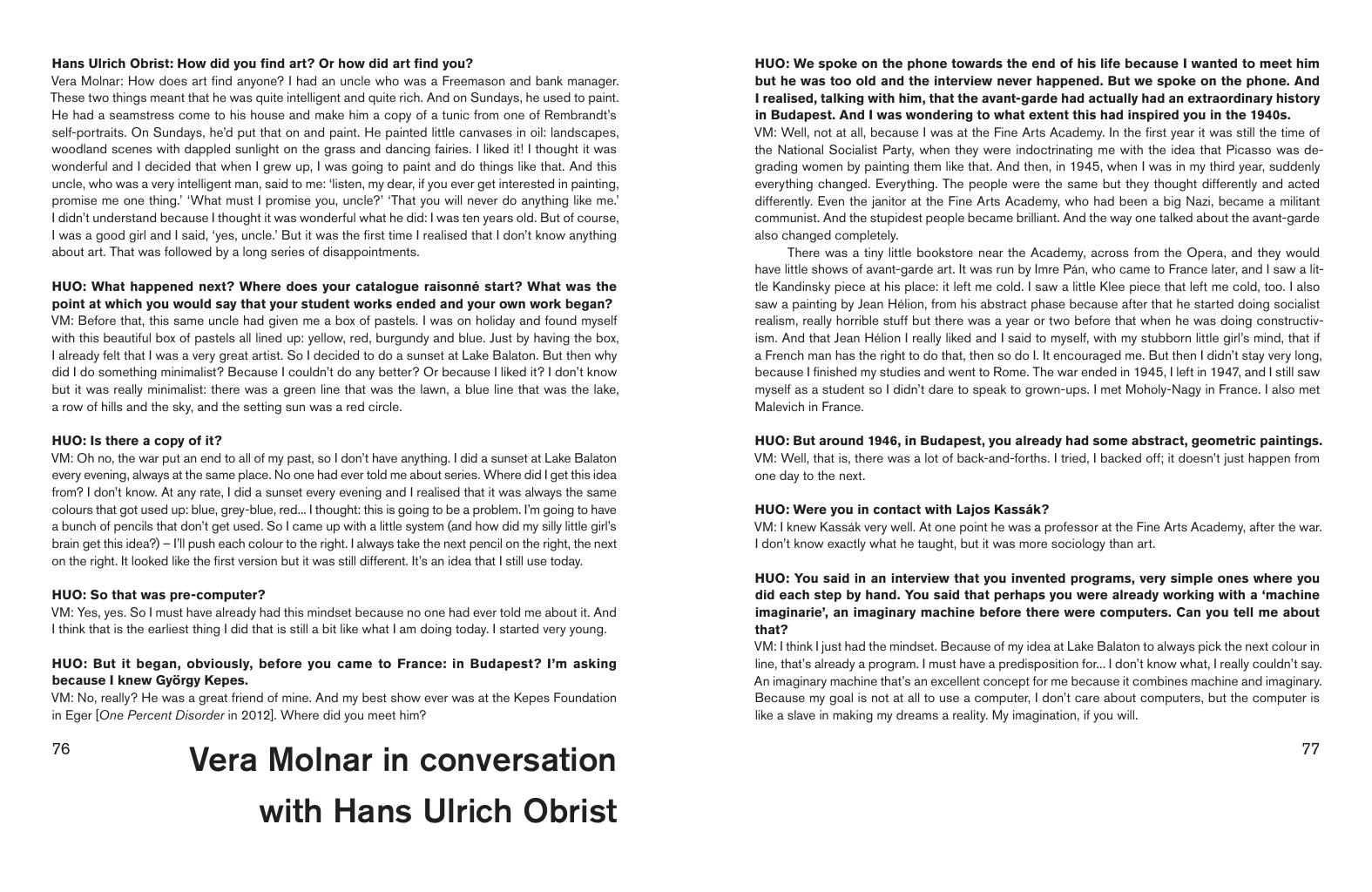
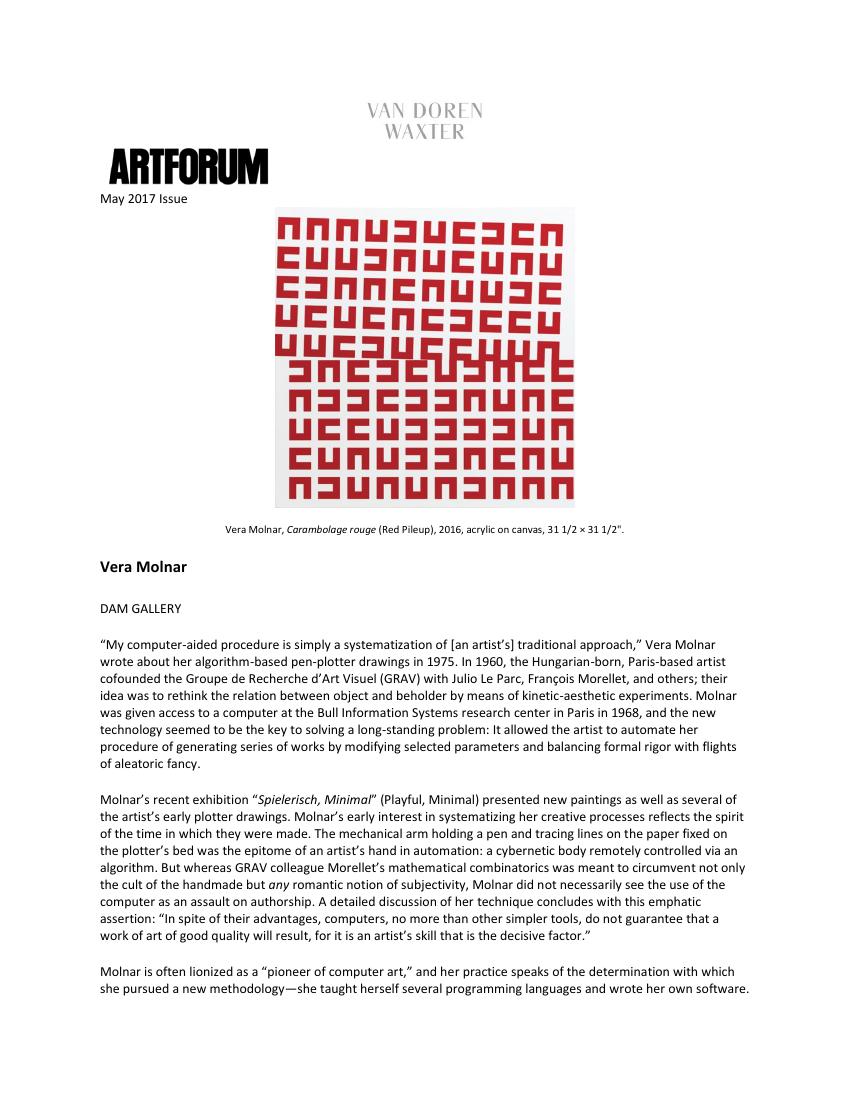
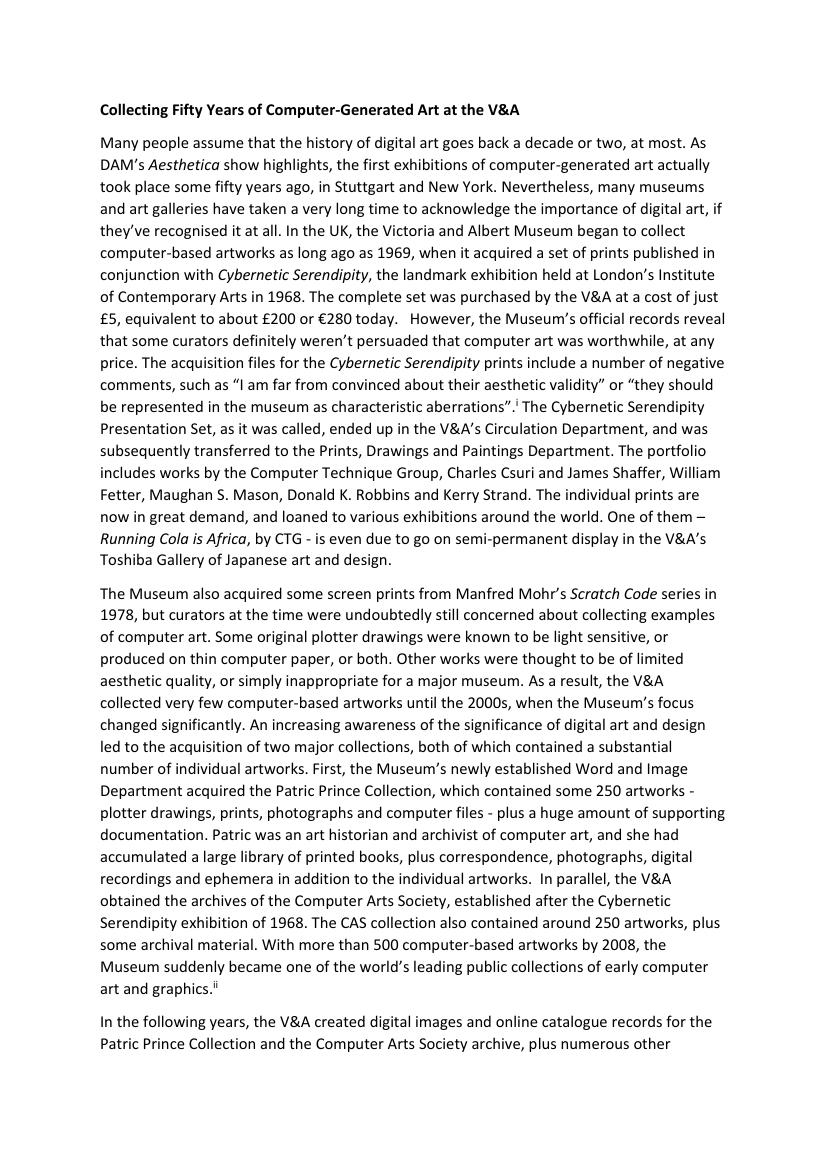
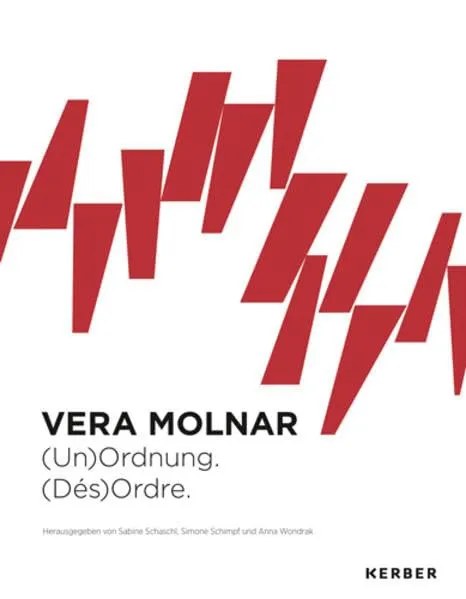
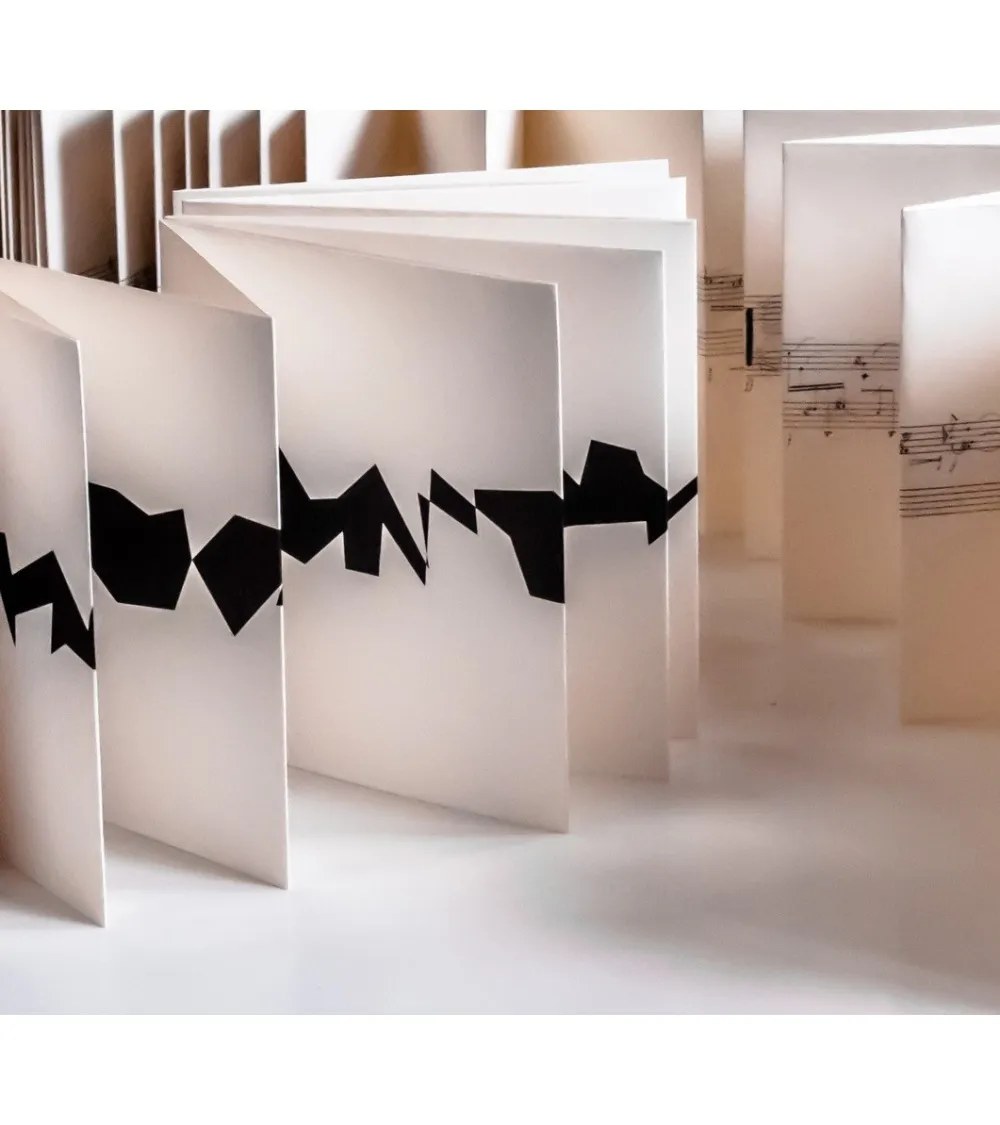
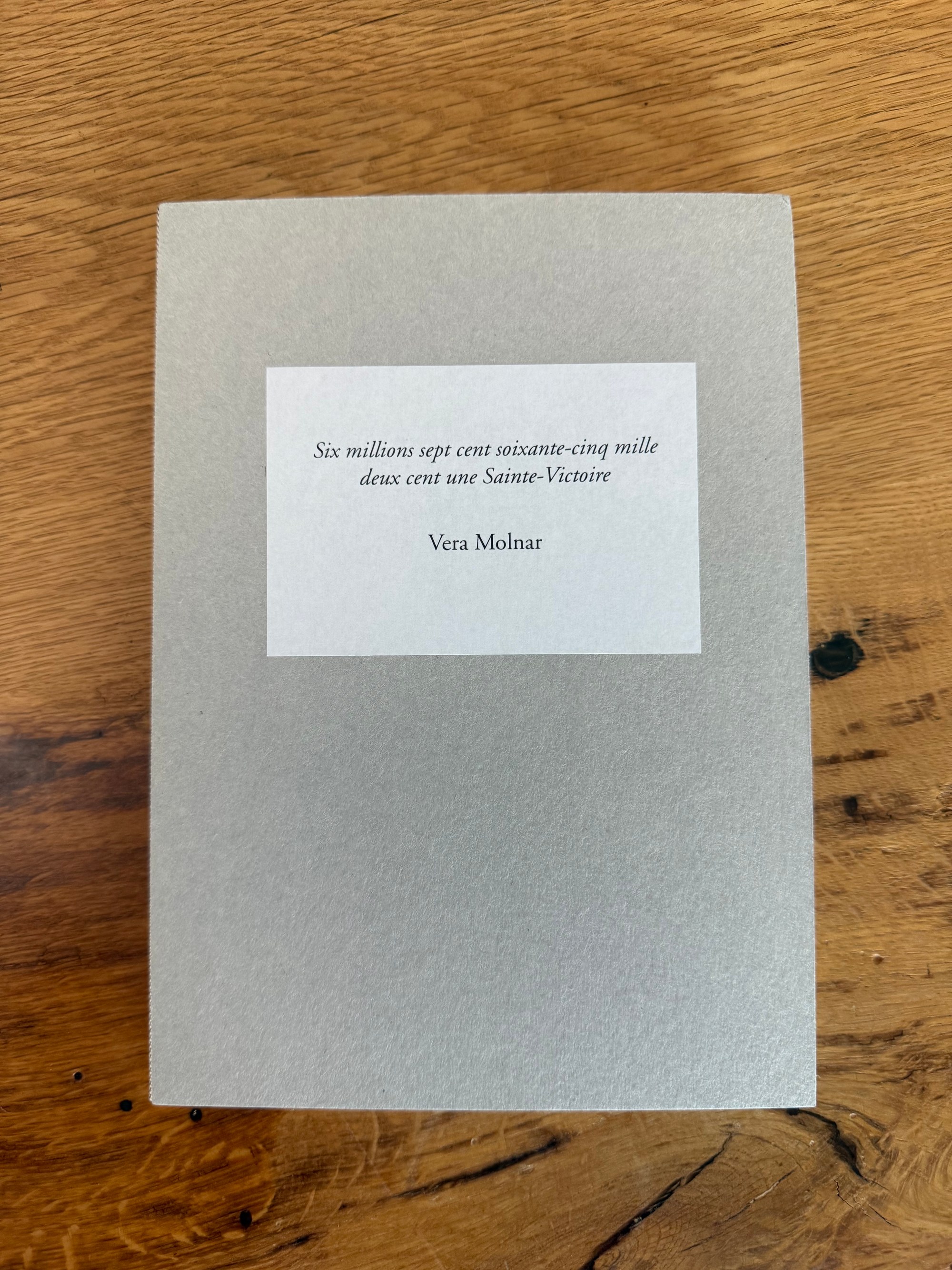
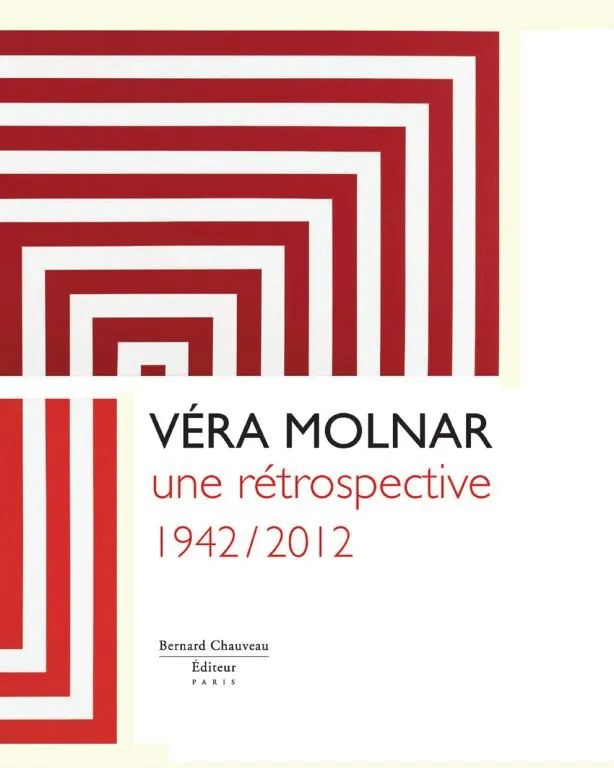
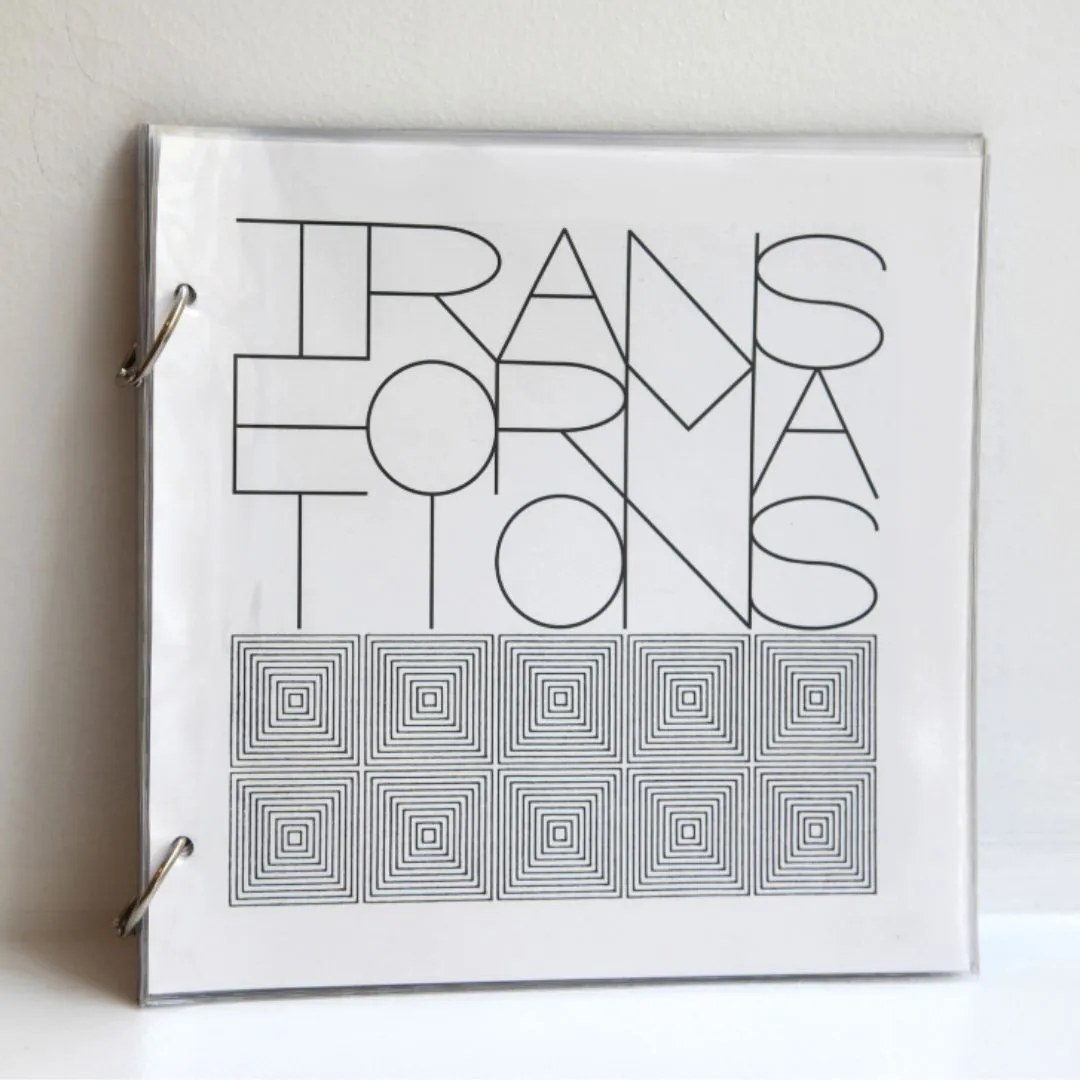
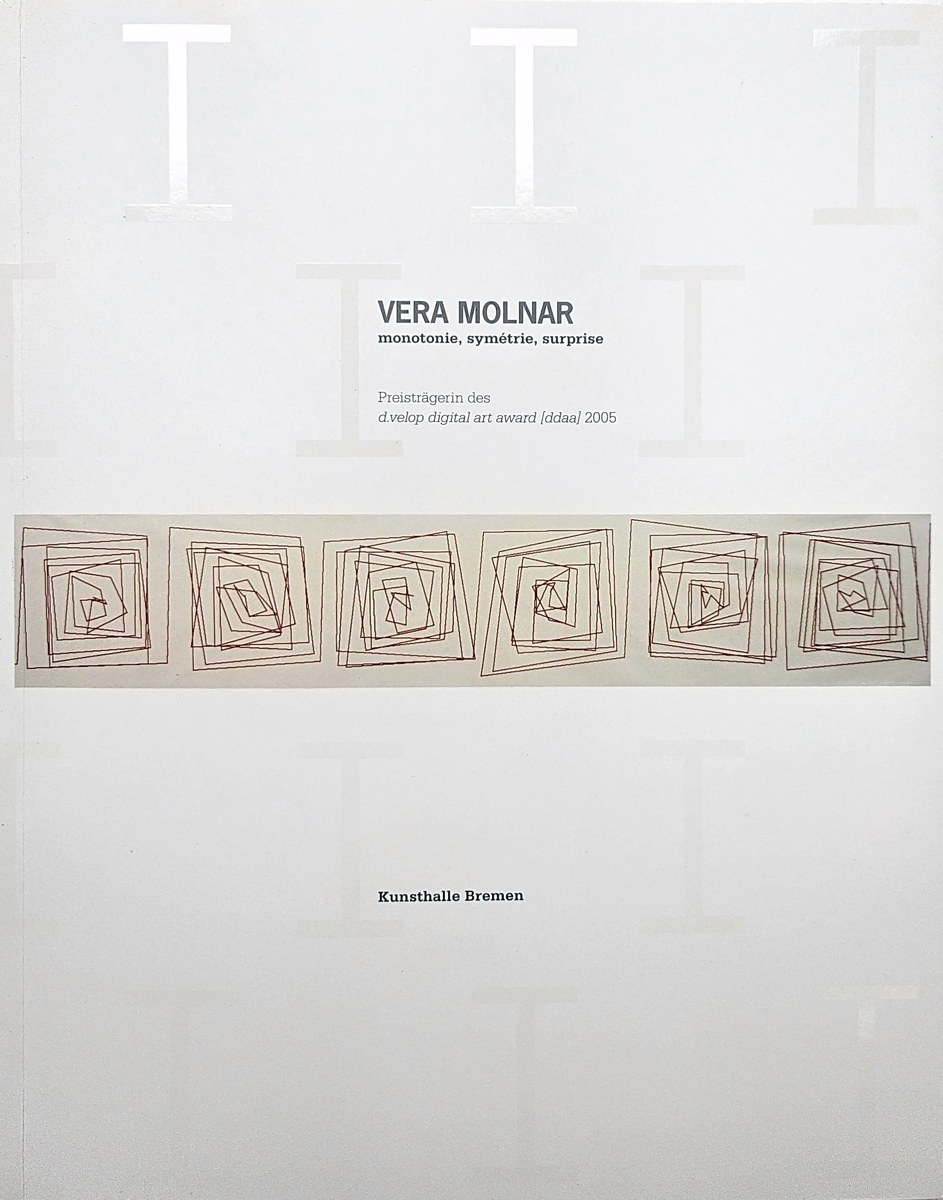
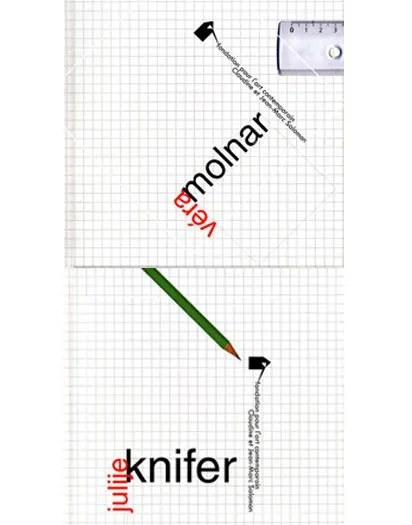
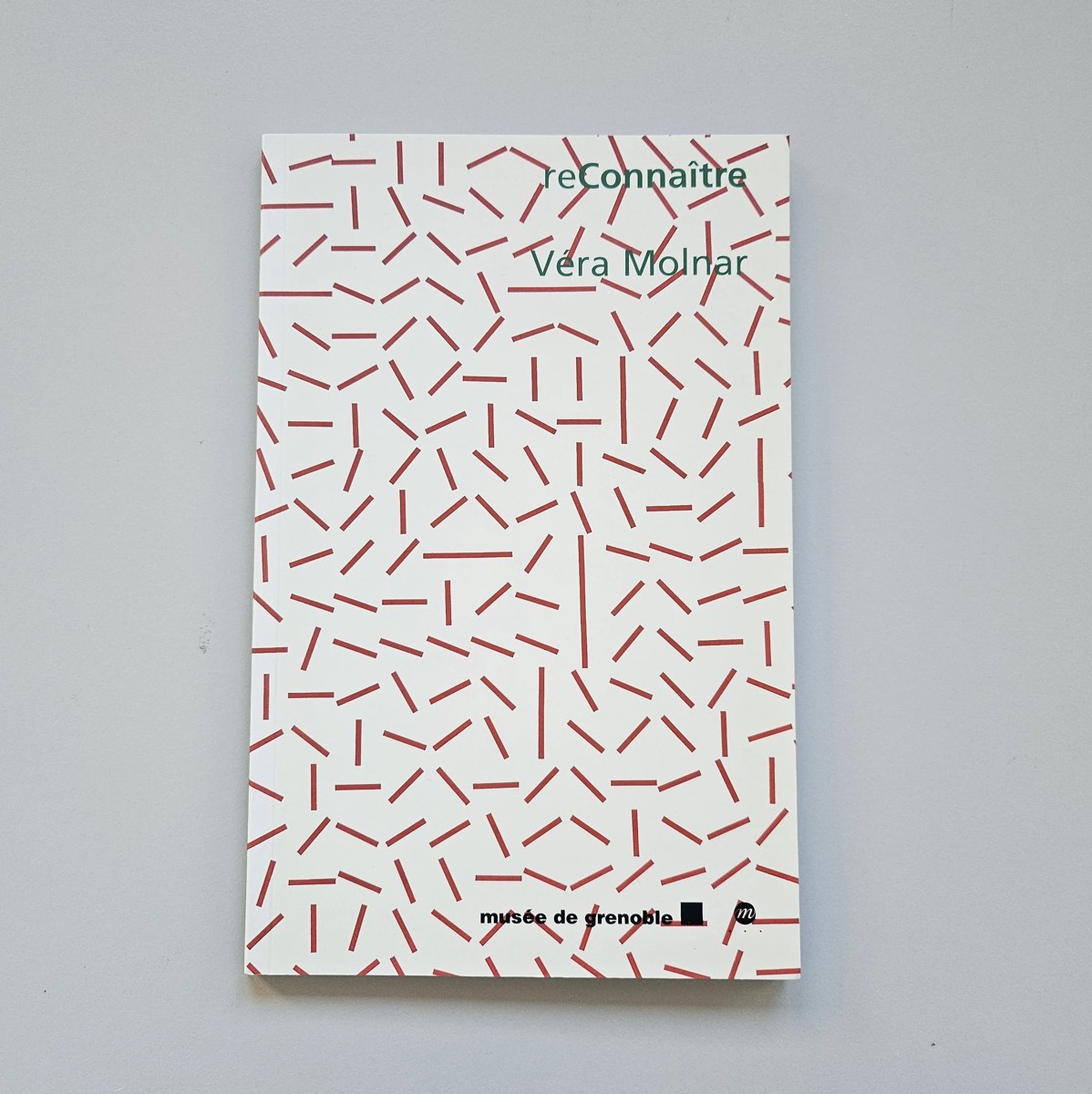
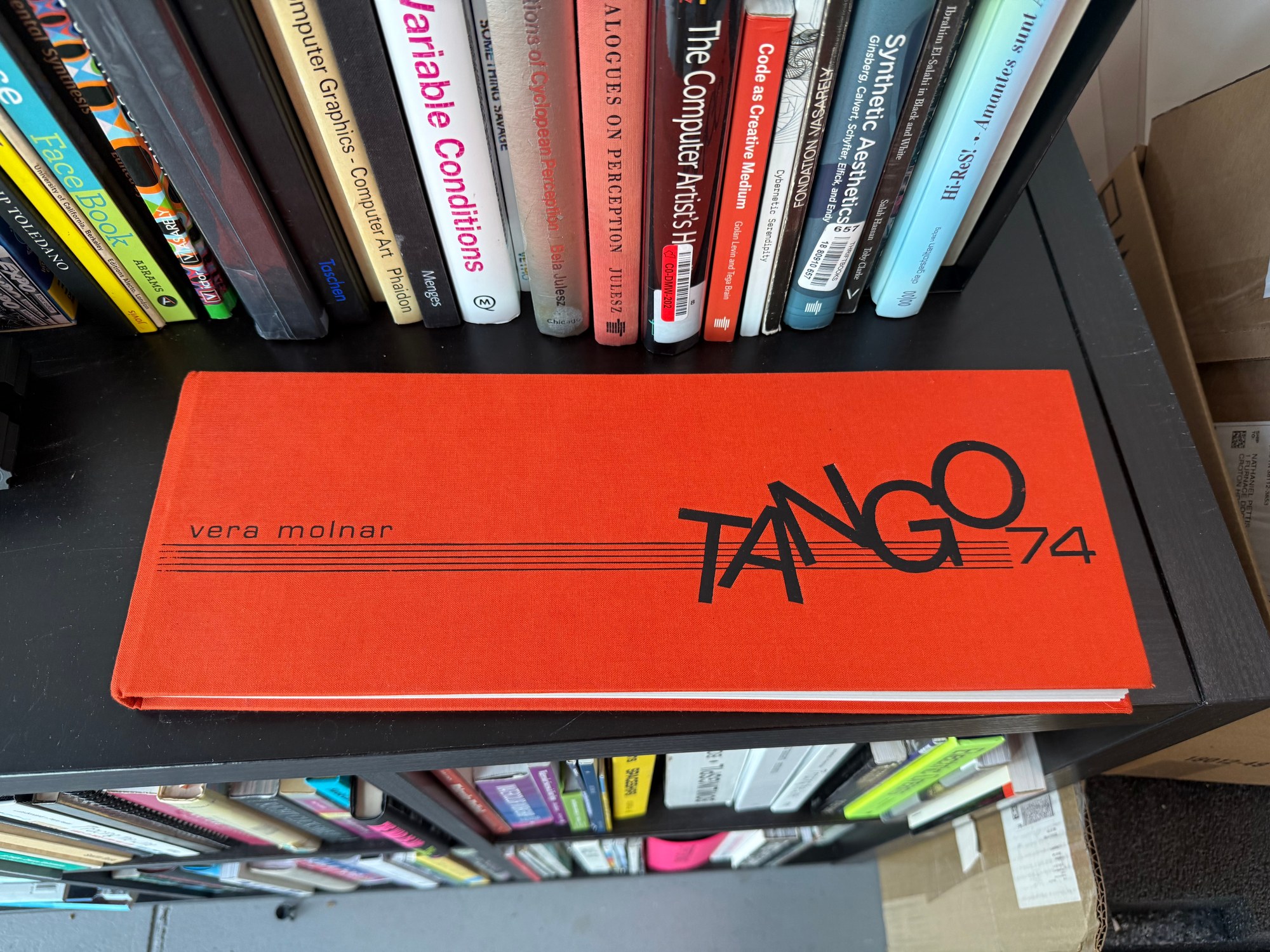
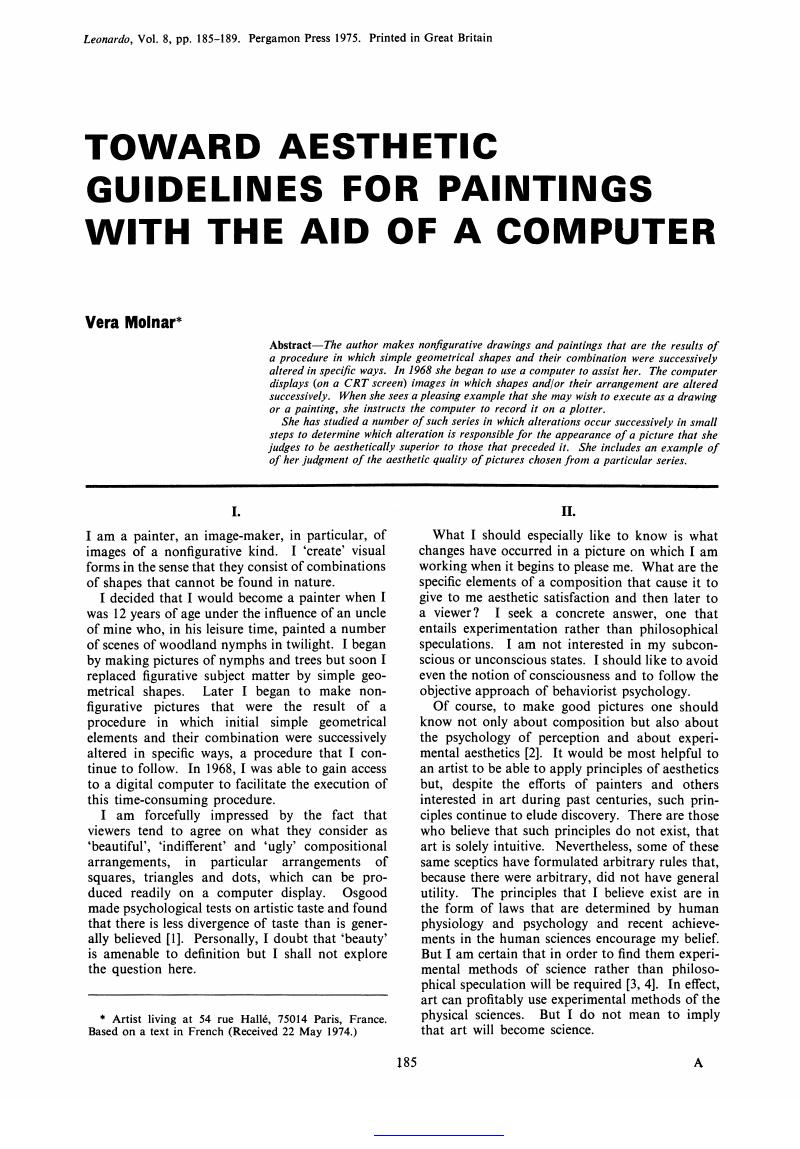
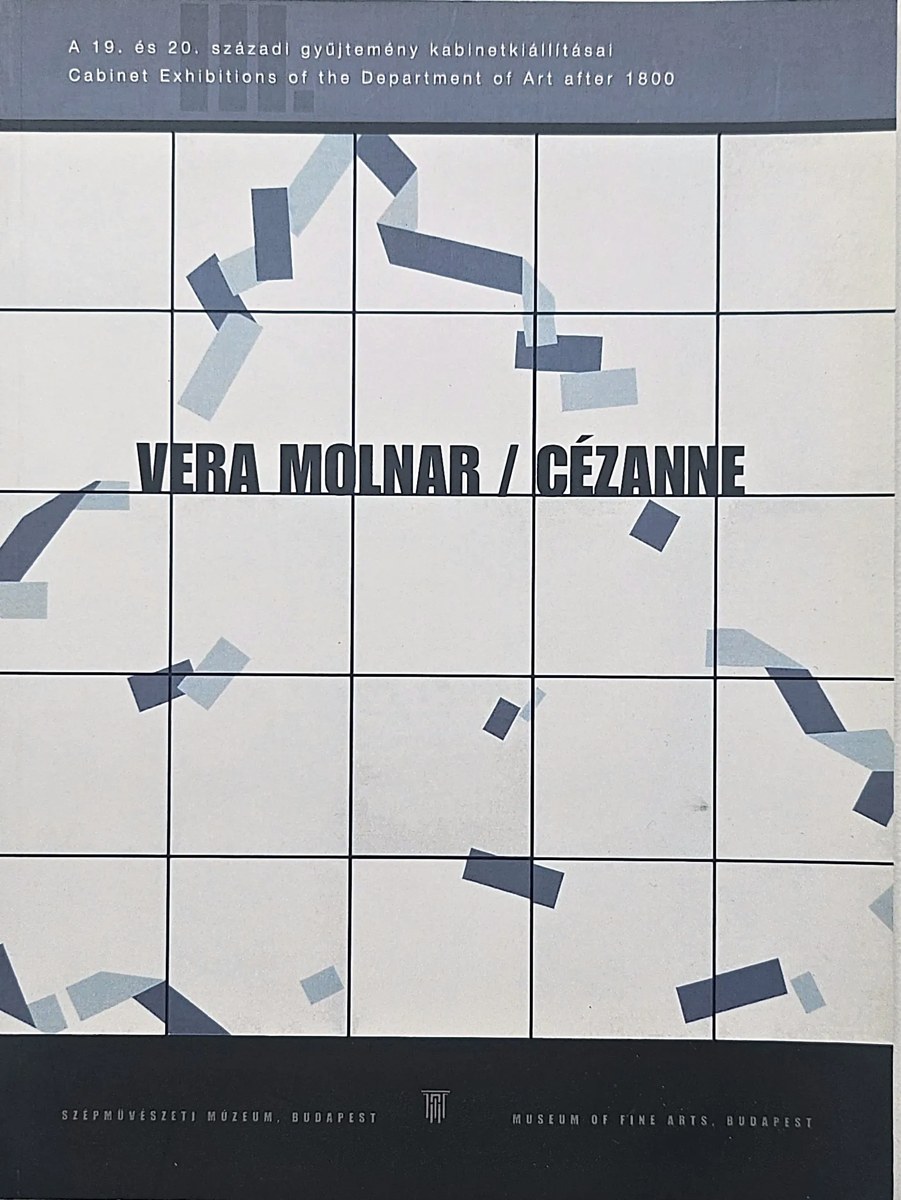
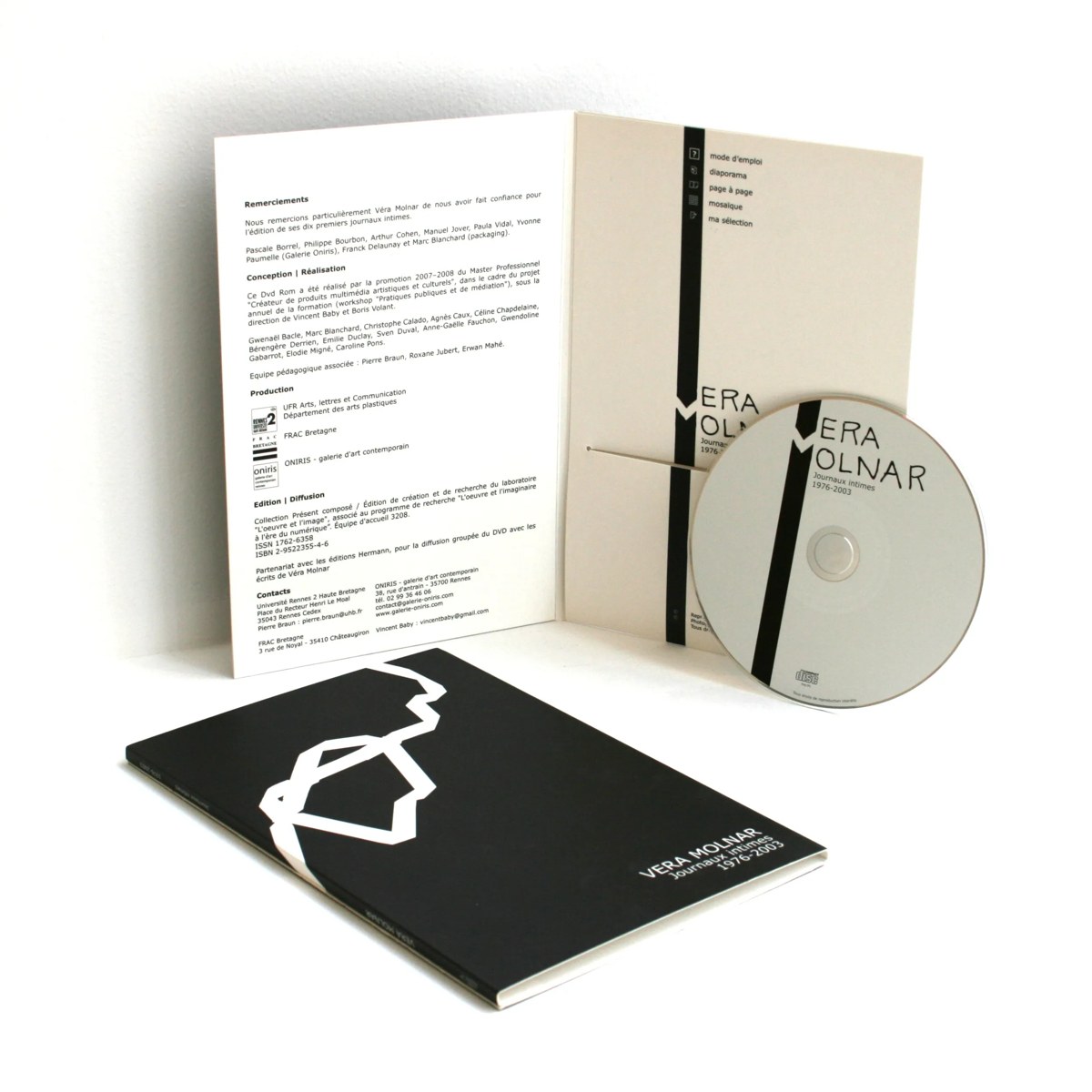
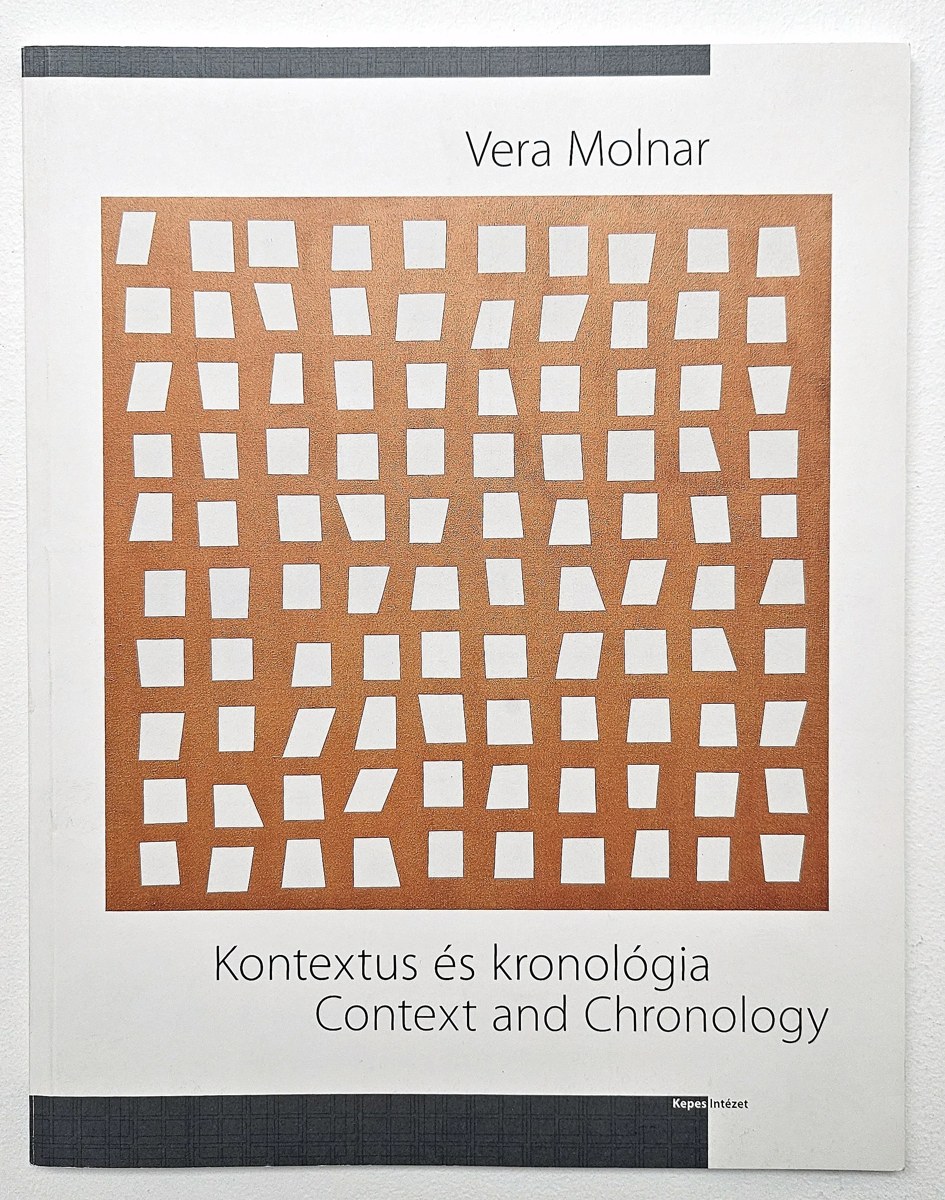
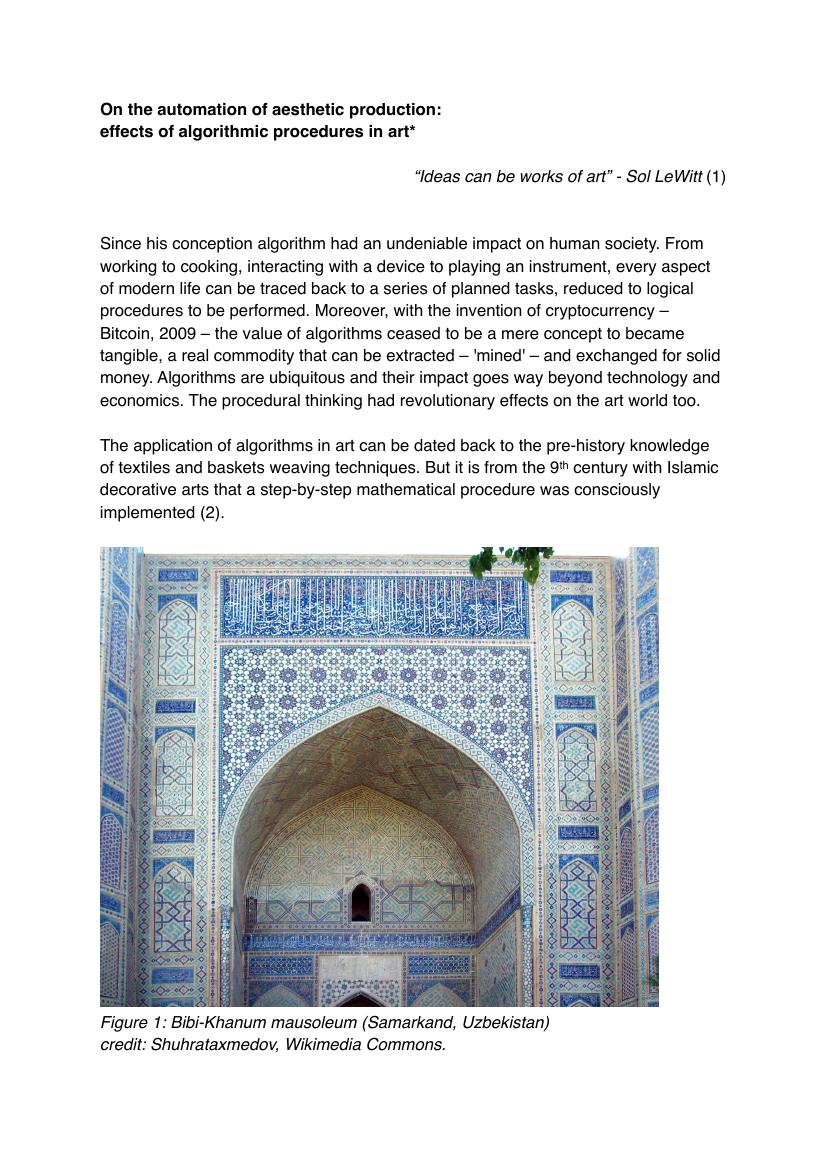
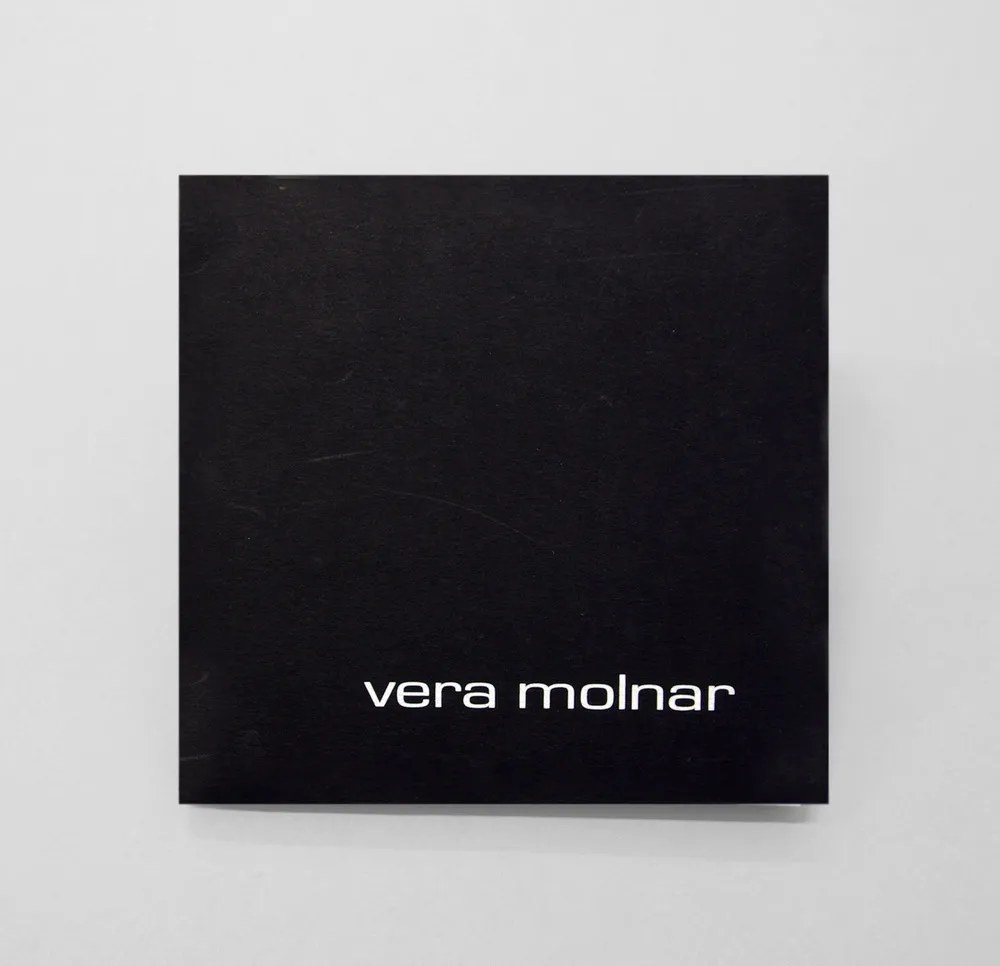
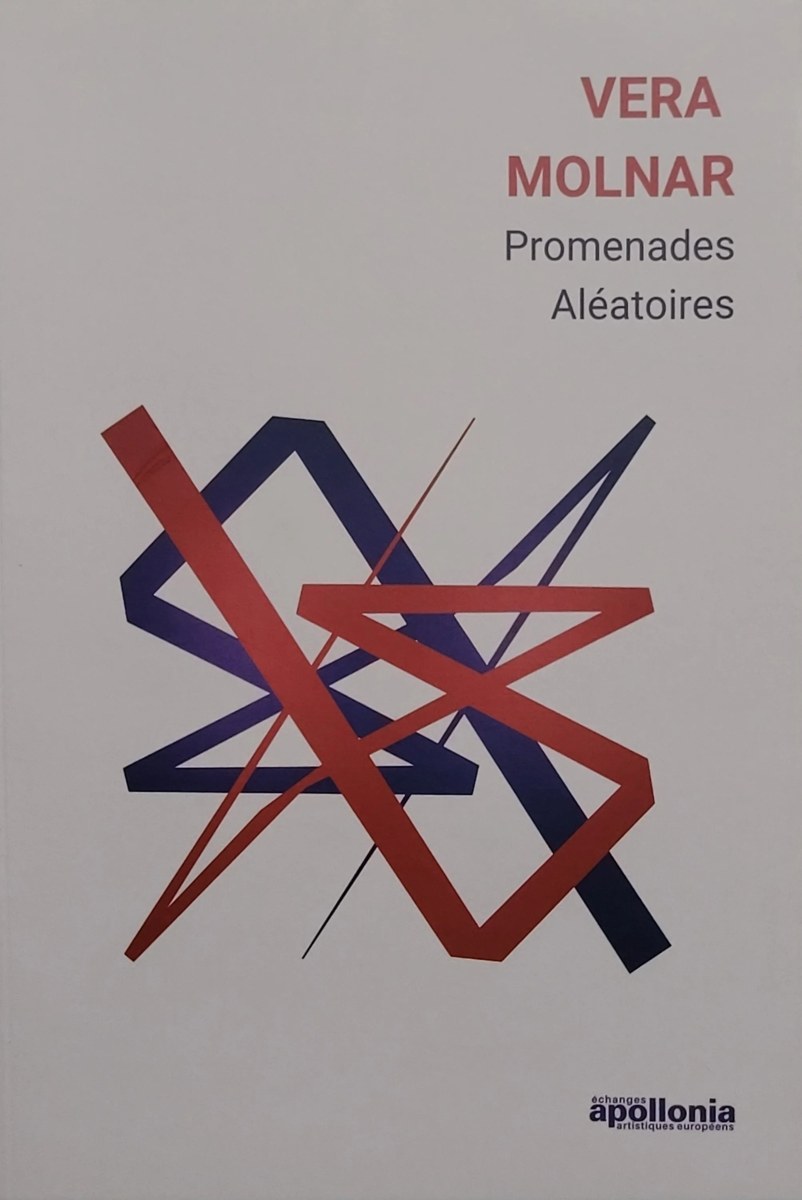
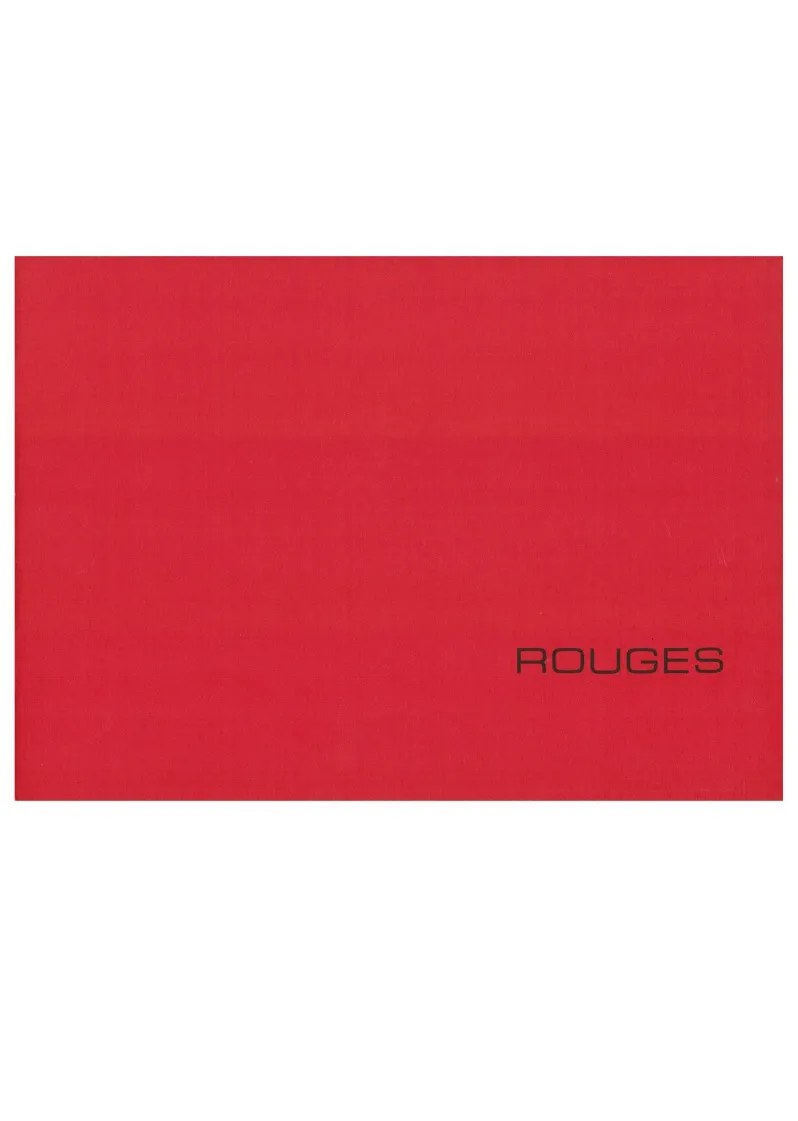
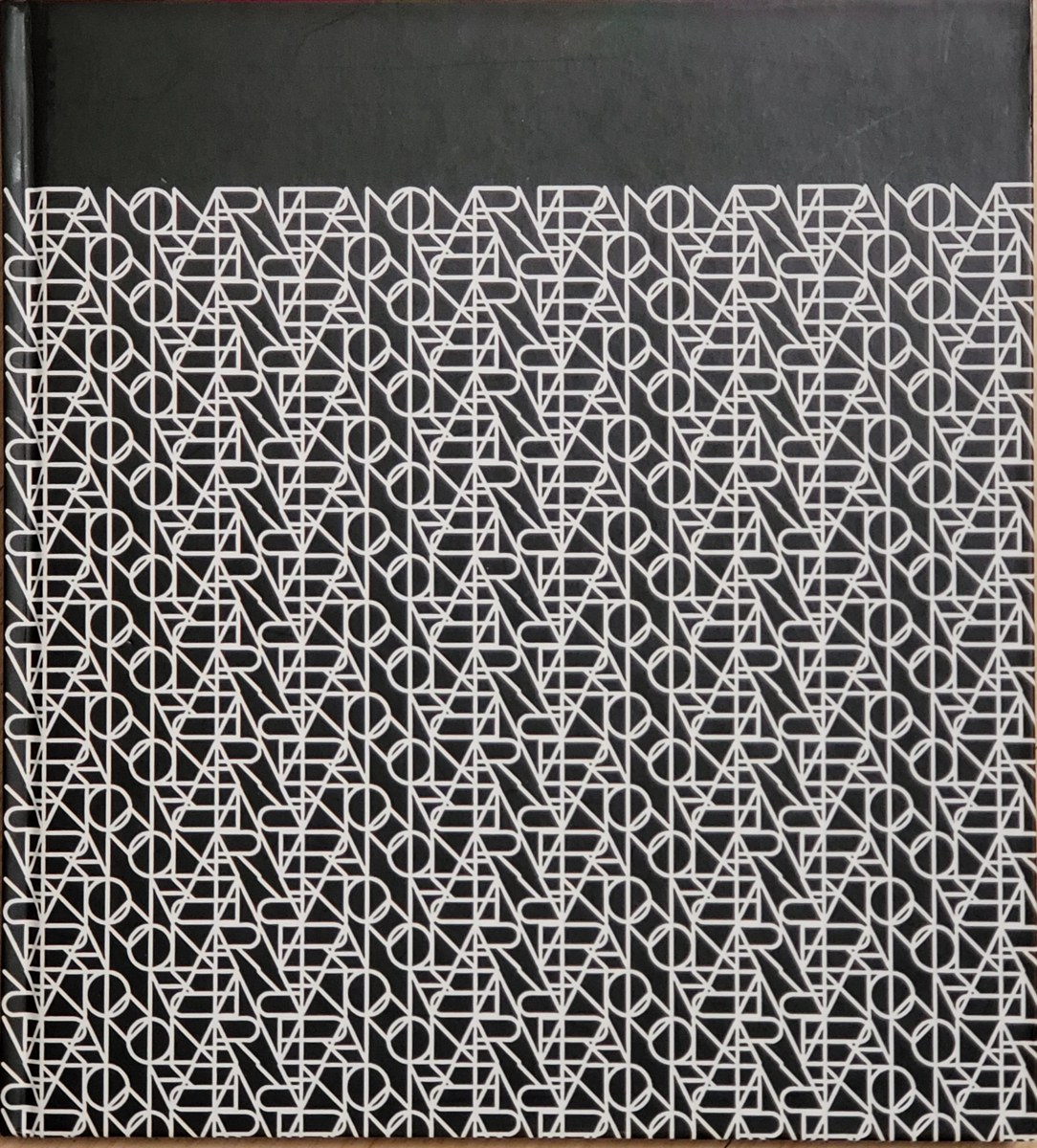
Vera Molnár (née Gács; 1924–2023) was the grande dame of generative art — a Hungarian-French painter who began making combinatorial images by 1959 with what she called the "machine imaginaire," executing algorithms by hand for nearly a decade before she got access to a real computer in 1968 and became one of the first artists, and one of the first women, to draw with one. Trained in painting and aesthetics at the Budapest College of Fine Arts (1942–47), she moved to Paris in 1947 and never left. In 1960 she co-founded CRAV, the predecessor of the Groupe de Recherche d'Art Visuel, but soon kept her distance from the group; in 1967 she co-founded Art et Informatique at the Institut d'Esthétique et des Sciences de l'Art. Her first solo exhibition — Transformations, at the Polytechnic of Central London — came in 1976, when she was fifty-two. Squares, quadrilaterals, and her mother's handwriting were permuted across five decades of plotter drawings, silkscreens, paintings, and artist's books; she showed at the Venice Biennale in 2022 and died in Paris in December 2023, four weeks short of her hundredth birthday. The collection holds more works by Molnár than by any other pioneer. Most of the Molnárs here came through Wolf Lieser at DAM Gallery in Berlin, who has become a good friend. In 2019 he introduced us and arranged for me and Danielle to visit Vera in Paris — I am grateful for that. Talking with her, it was clear she made her work to delight herself, and that delight was the strategy. It works on me too: her work makes me happy every time I see it on the wall.
Artist's website (veramolnar.com) ↗Read more on Wikipedia ↗
40 physical works
Works in the collection


In the library