Thomas L. Fleisher
Roman Verostko
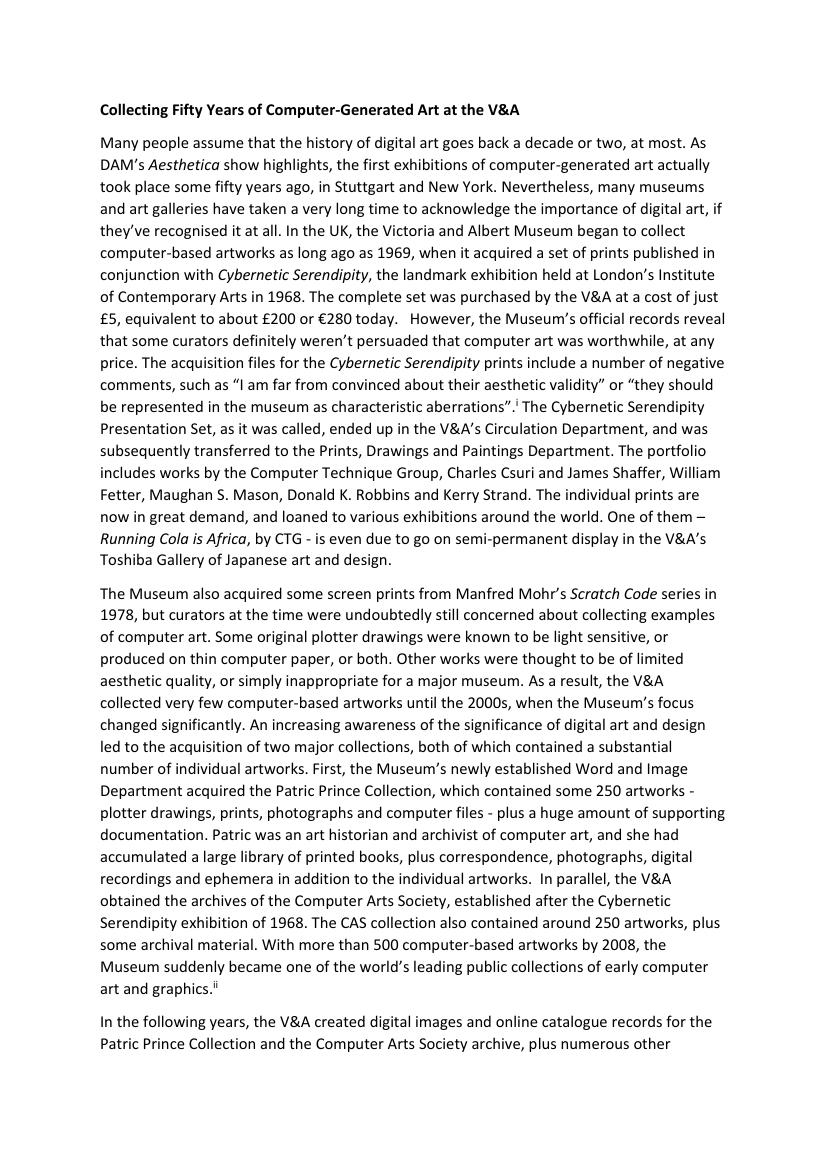
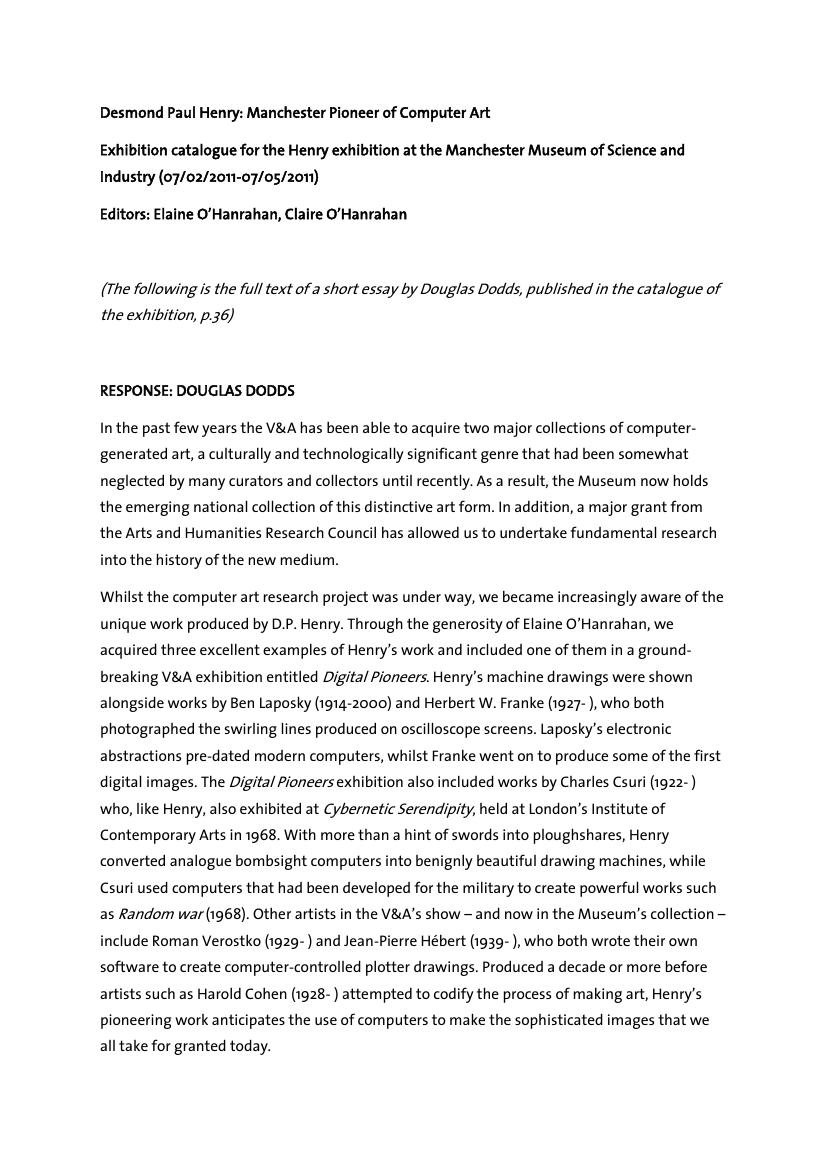
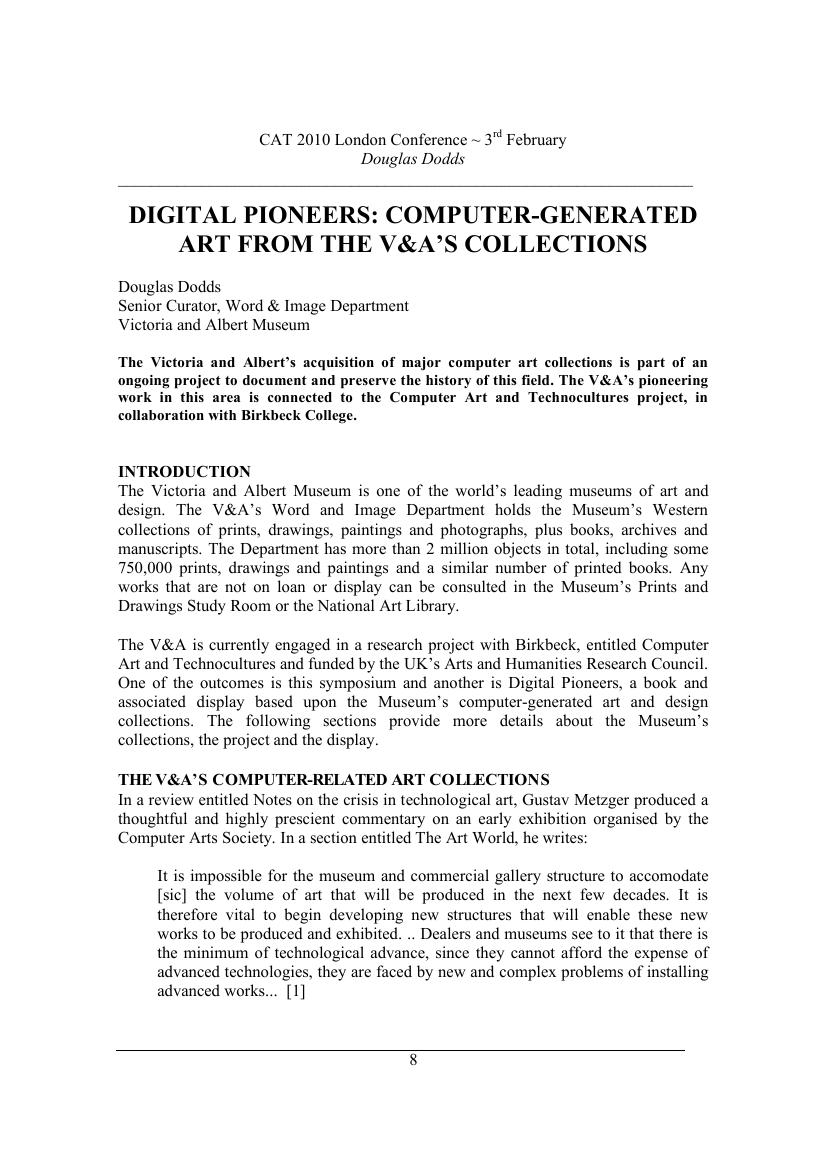
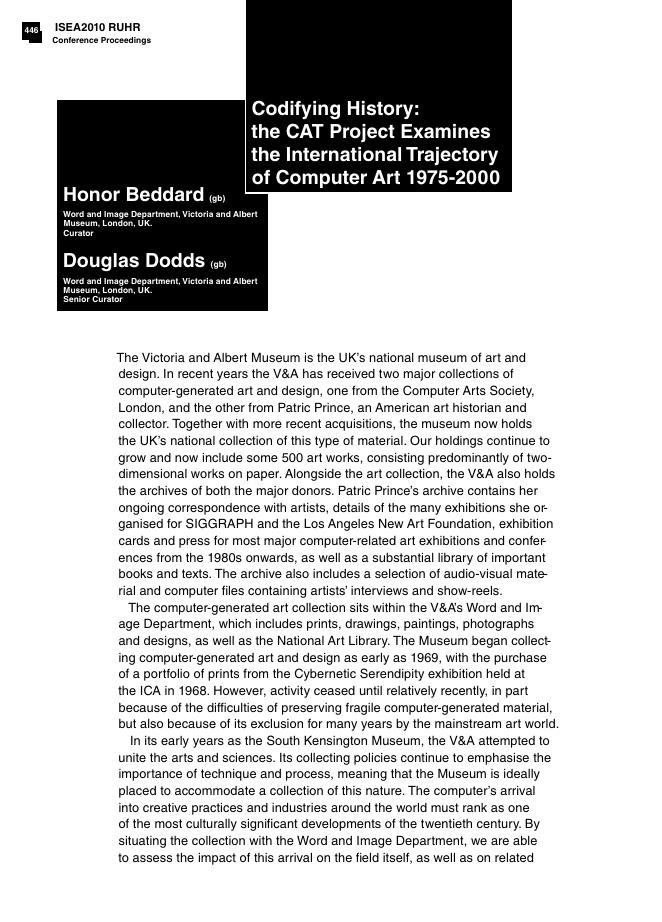
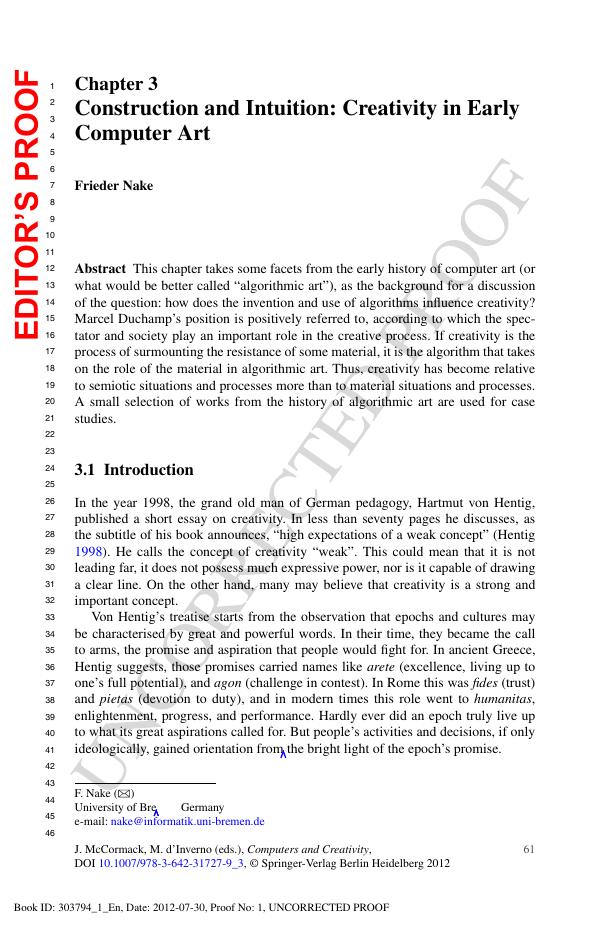
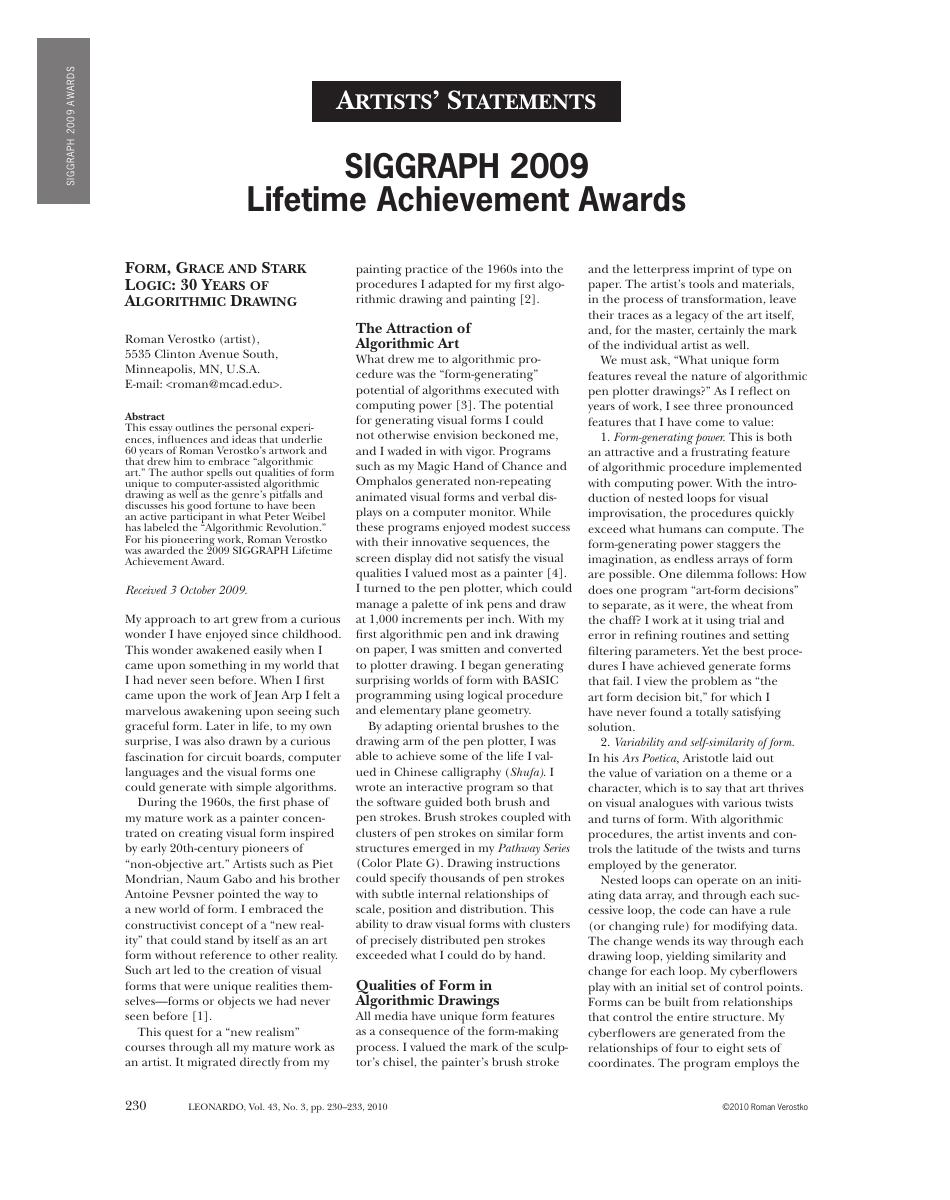
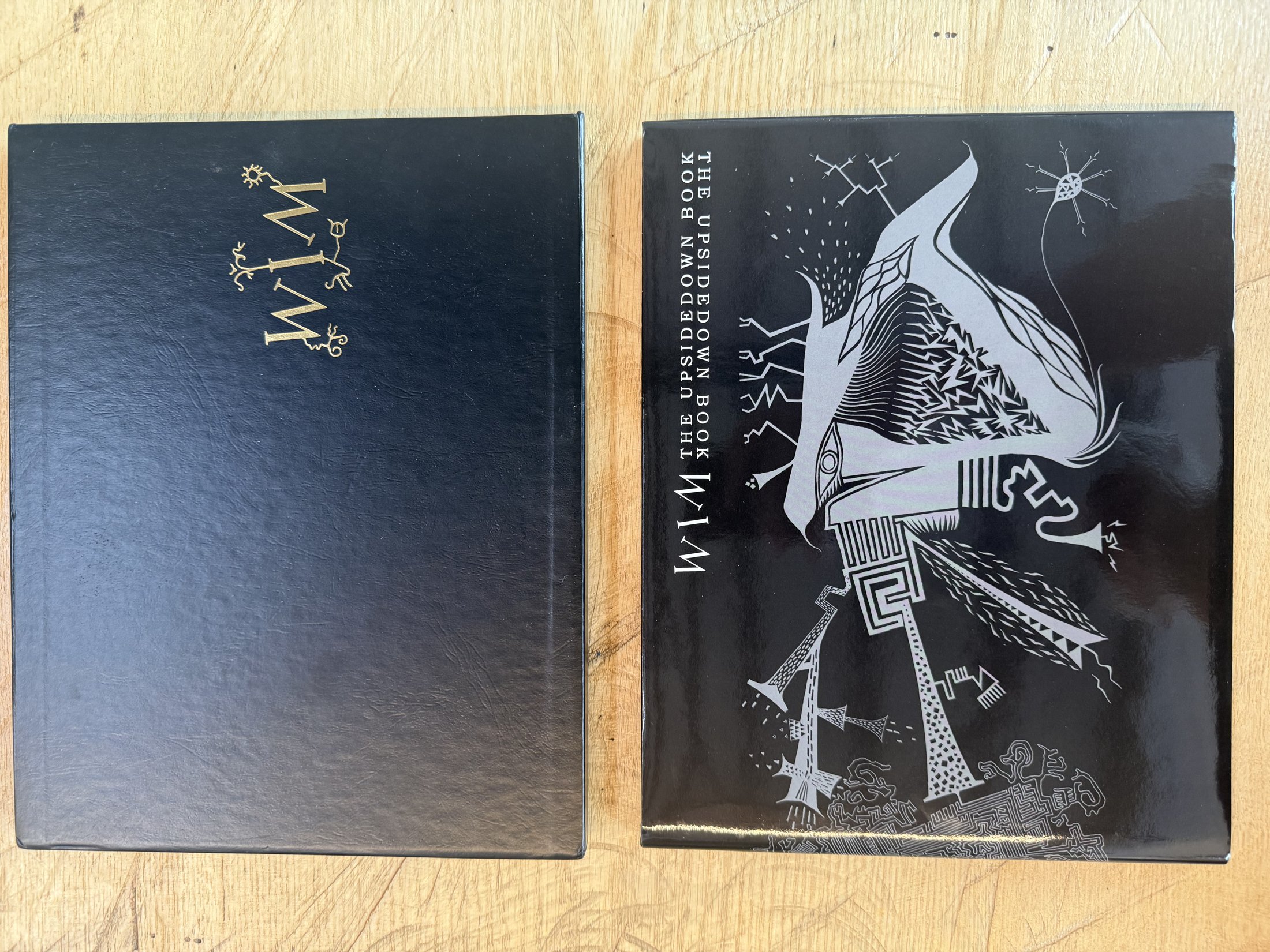
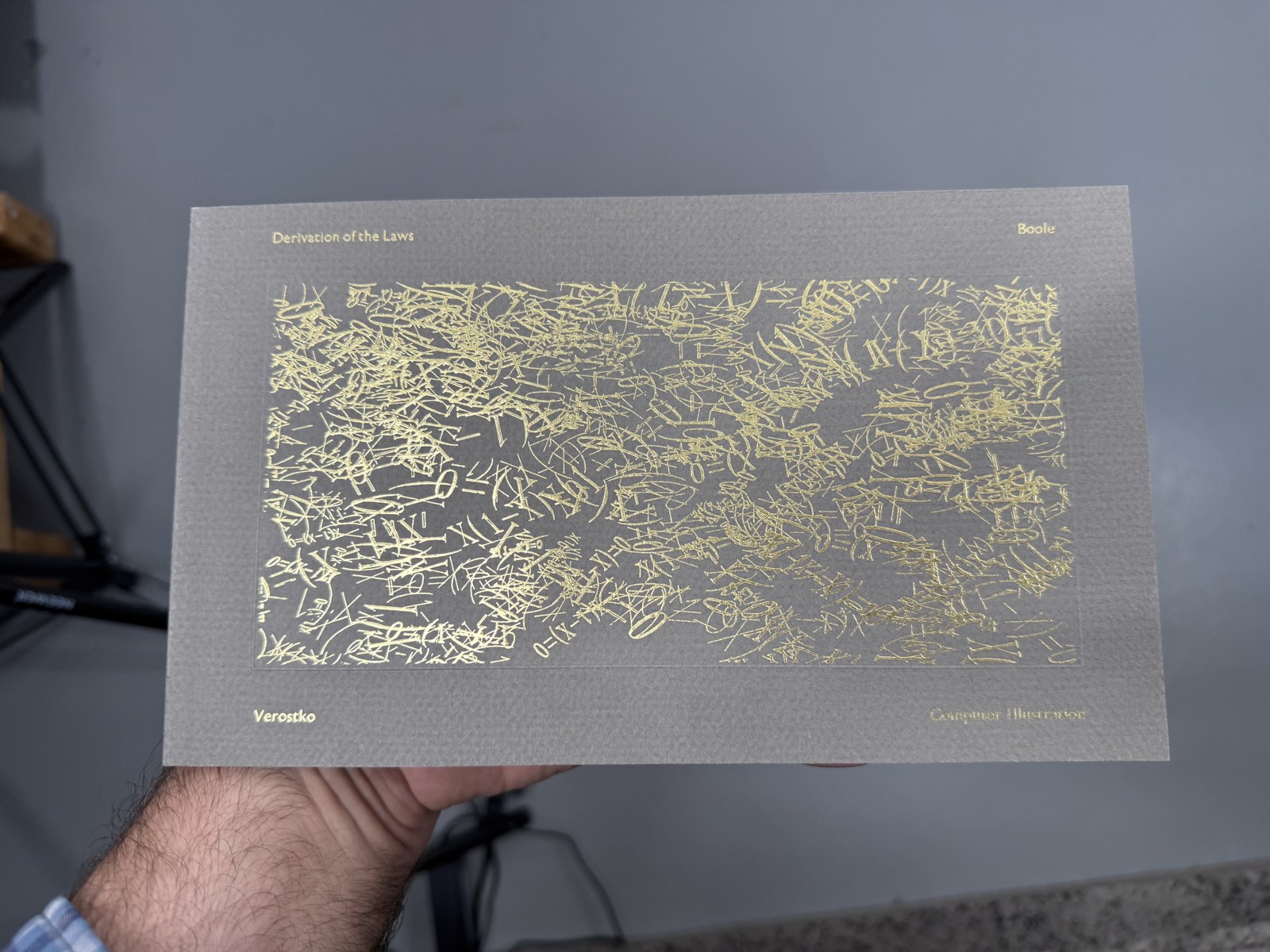
Roman Verostko (1929–2024) spent sixteen years as a Benedictine monk before spending forty as an algorist — and the two lives were one project. Born in Tarrs, Pennsylvania, a coal-mining town east of Pittsburgh, he entered Saint Vincent Archabbey in Latrobe around 1950, took vows in 1954, was ordained a priest in 1959, and taught there while studying in New York and Paris (Atelier 17). He left the order in 1968, married the psychologist Alice Wagstaff that August, and joined the Minneapolis College of Art and Design, where he taught until 1994. He learned punch-card programming at the Control Data Institute in the late 1960s, got personal computers in the late 1970s, built his exhibition piece The Magic Hand of Chance in 1982, and that same year began Hodos — Greek for "pathway" — the software he would refine for the rest of his life. He treated the plotter's drawing arm as a prosthesis for his own, and in 1987 became the first artist to fit it with a Chinese calligraphy brush, writing interactive routines for real brushstrokes. In 1995, after a SIGGRAPH panel on art and algorithms, he and Jean-Pierre Hébert co-founded the Algorists. The illuminated manuscript was his touchstone — gold leaf by hand, code as scripture — most explicitly in The Manchester Illuminated Universal Turing Machine (1998). He died in Minneapolis on June 1, 2024; the Verostko Center for the Arts at his old abbey's college carries his archive. I wish I had met Roman Verostko. He was a man with a holy background and his work has a spiritual quality to it. I find the brush works especially inspiring — he is surfing the intersection of chaos and intentional structure.
Artist's website (verostkocenter.org) ↗Read more on Wikipedia ↗
11 physical works
Works in the collection


In the library