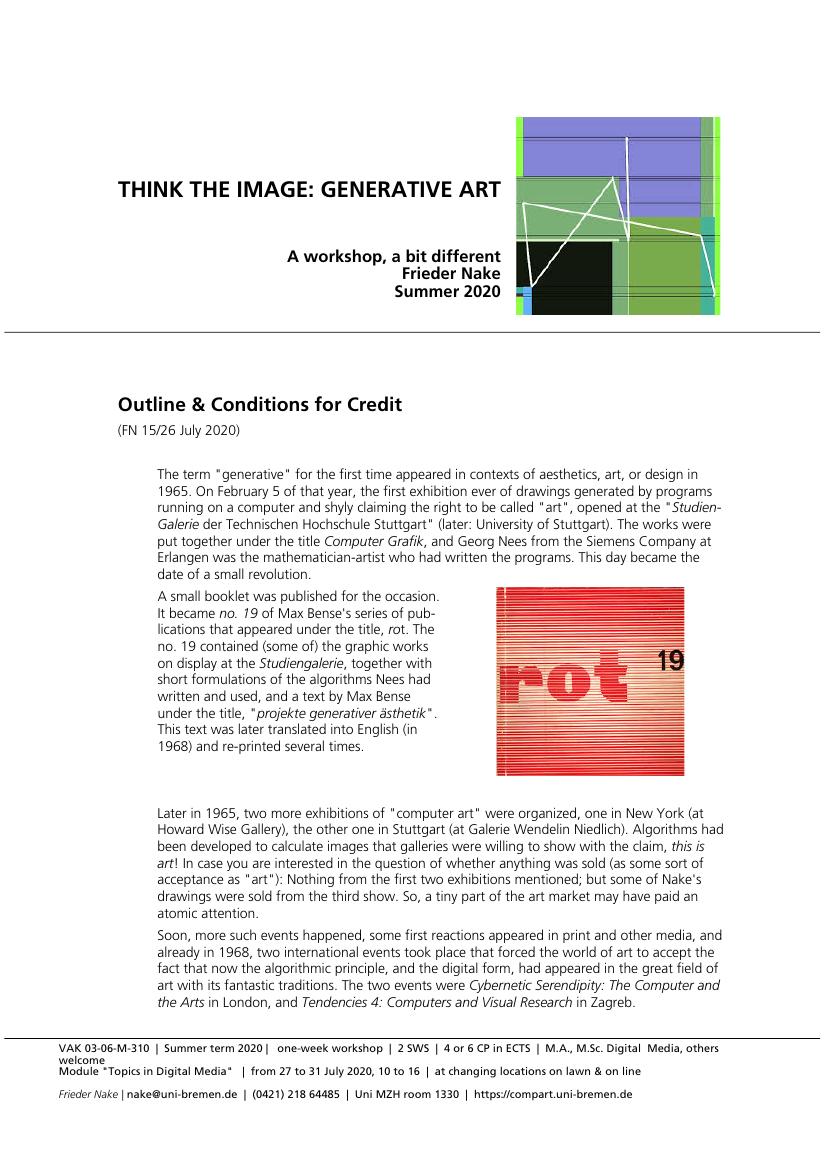
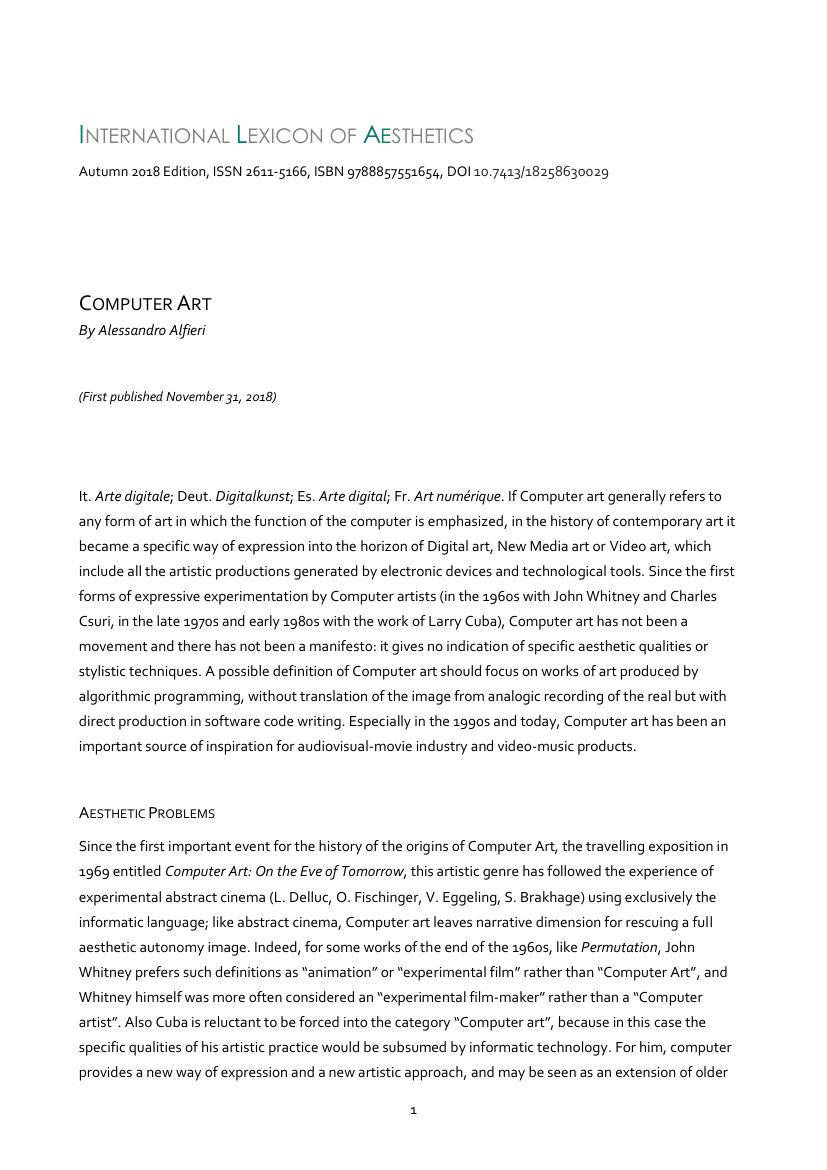
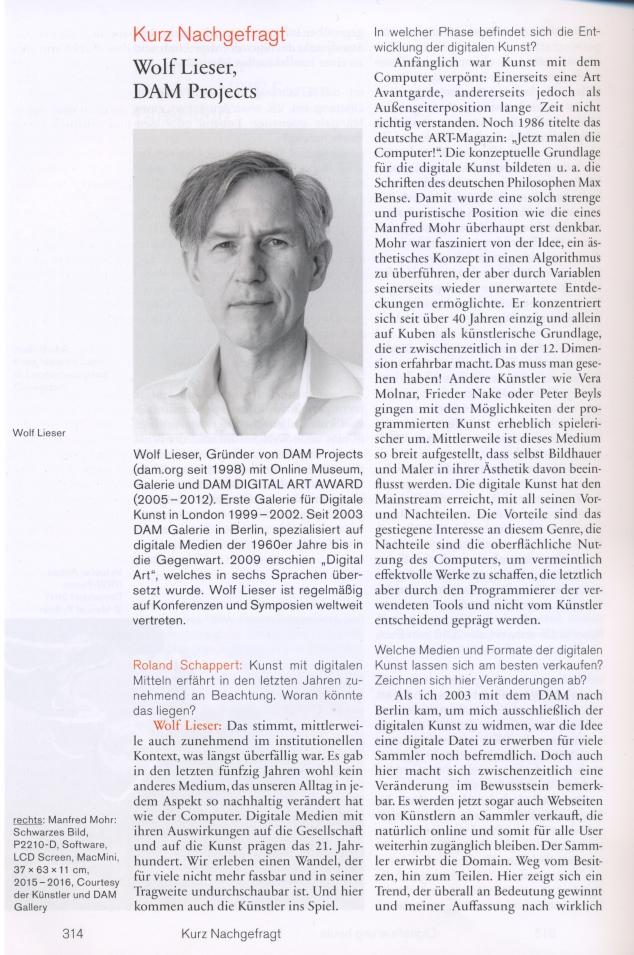
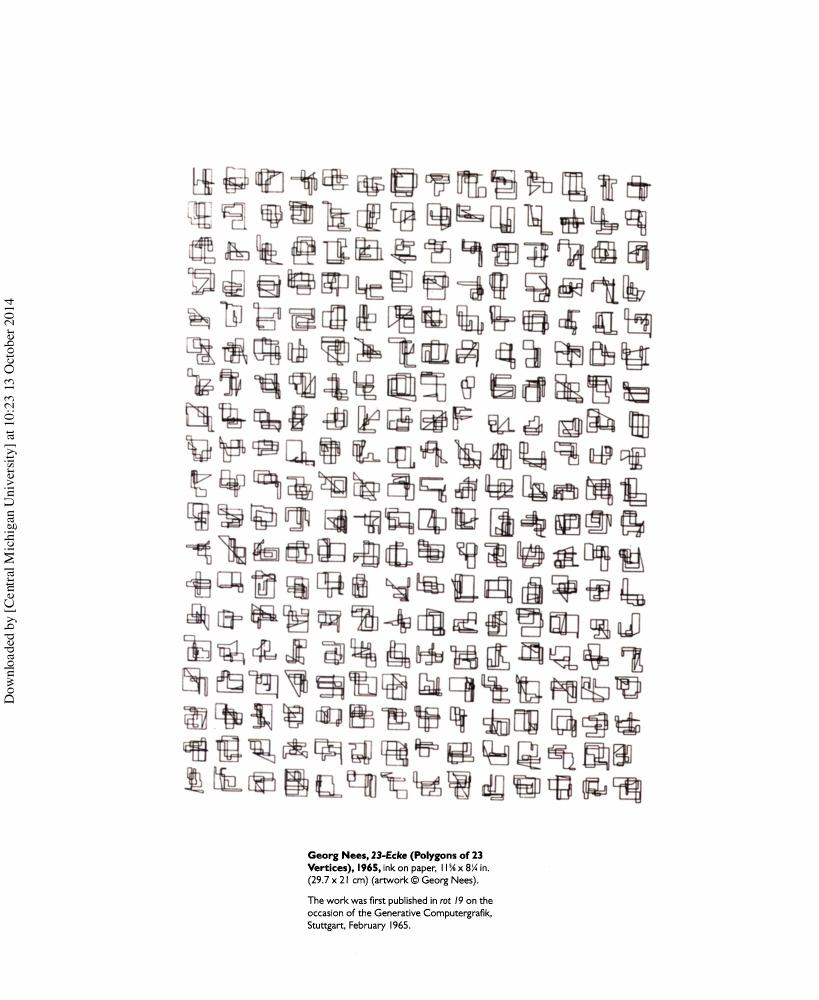
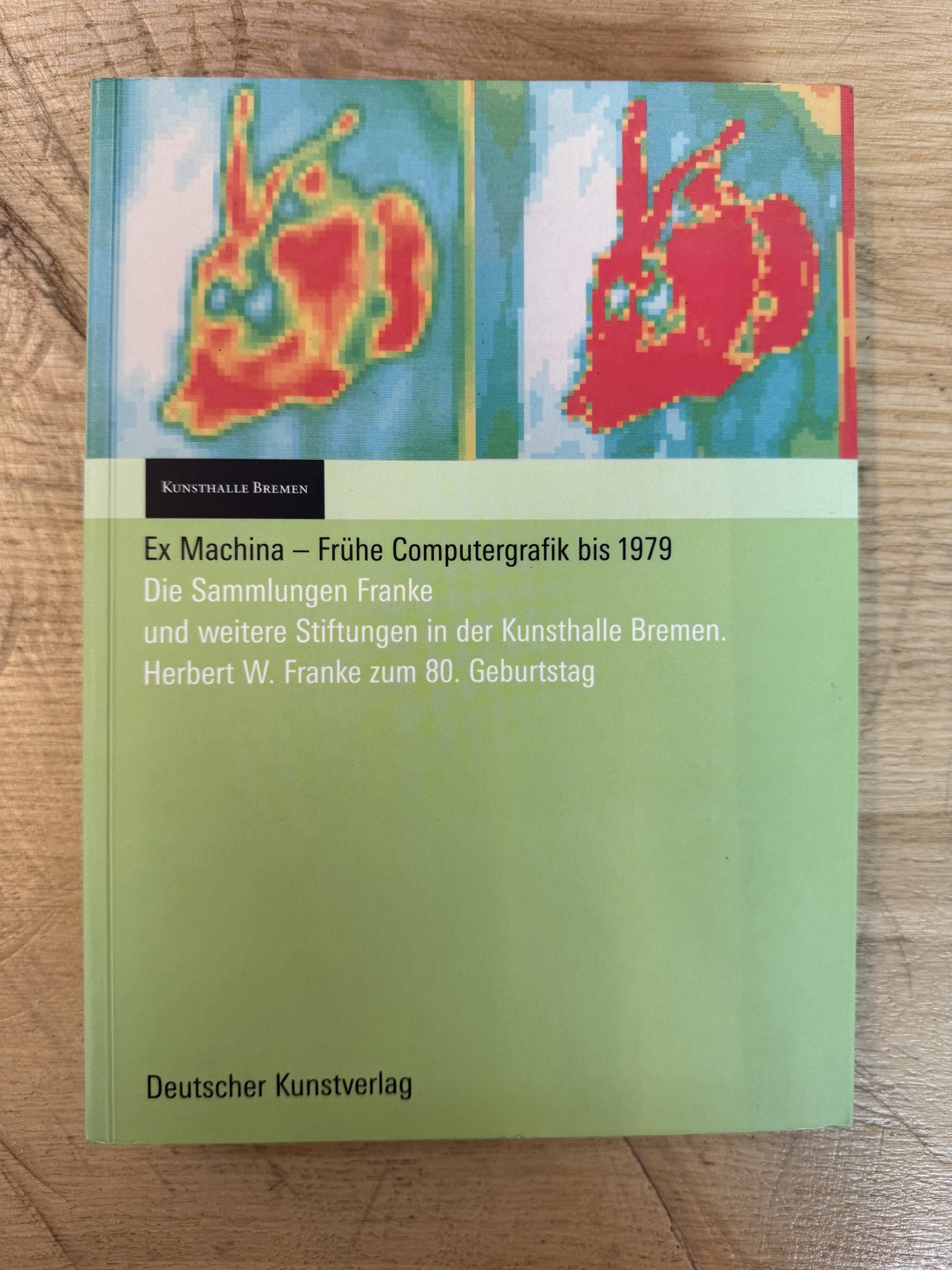
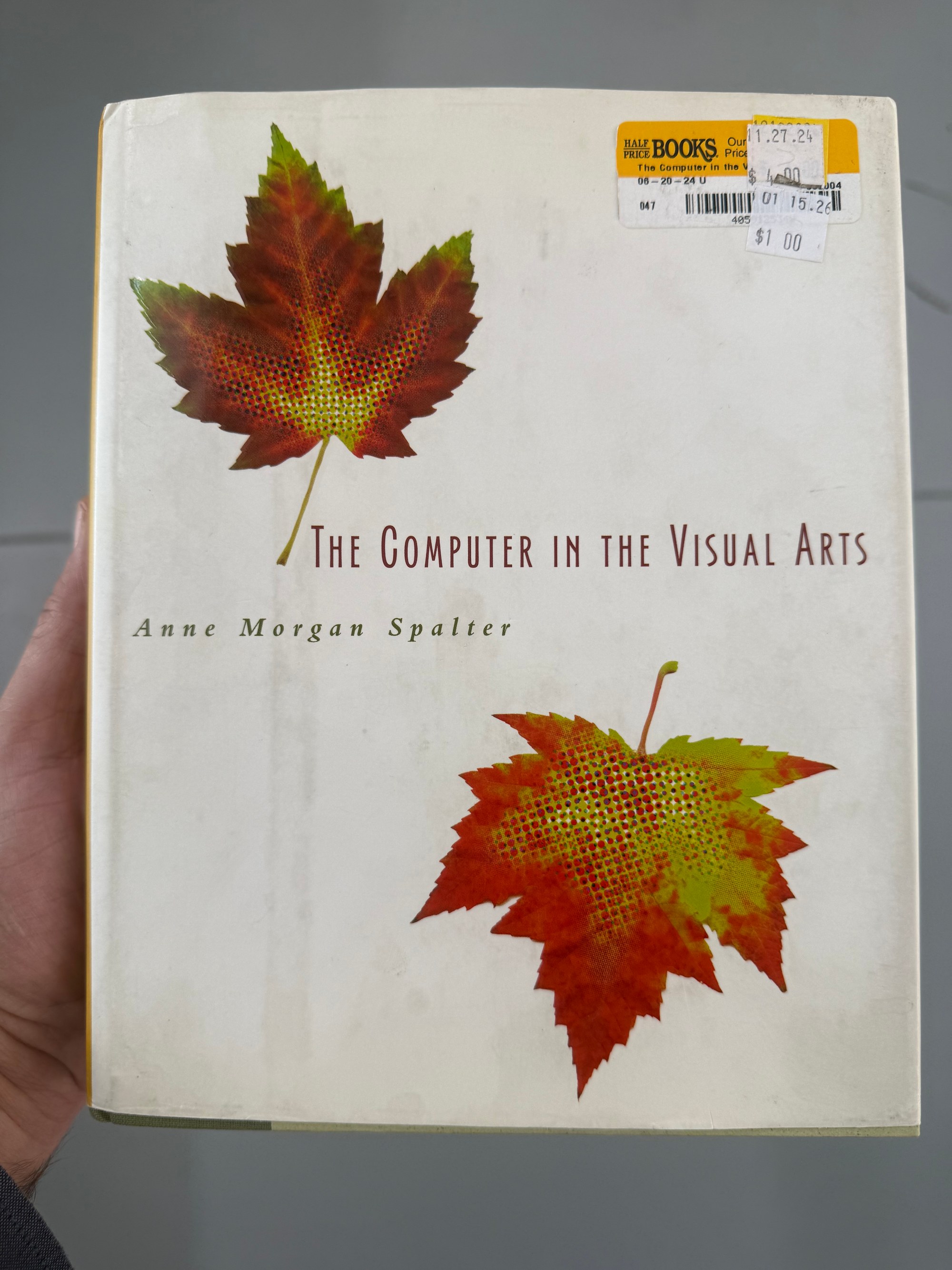
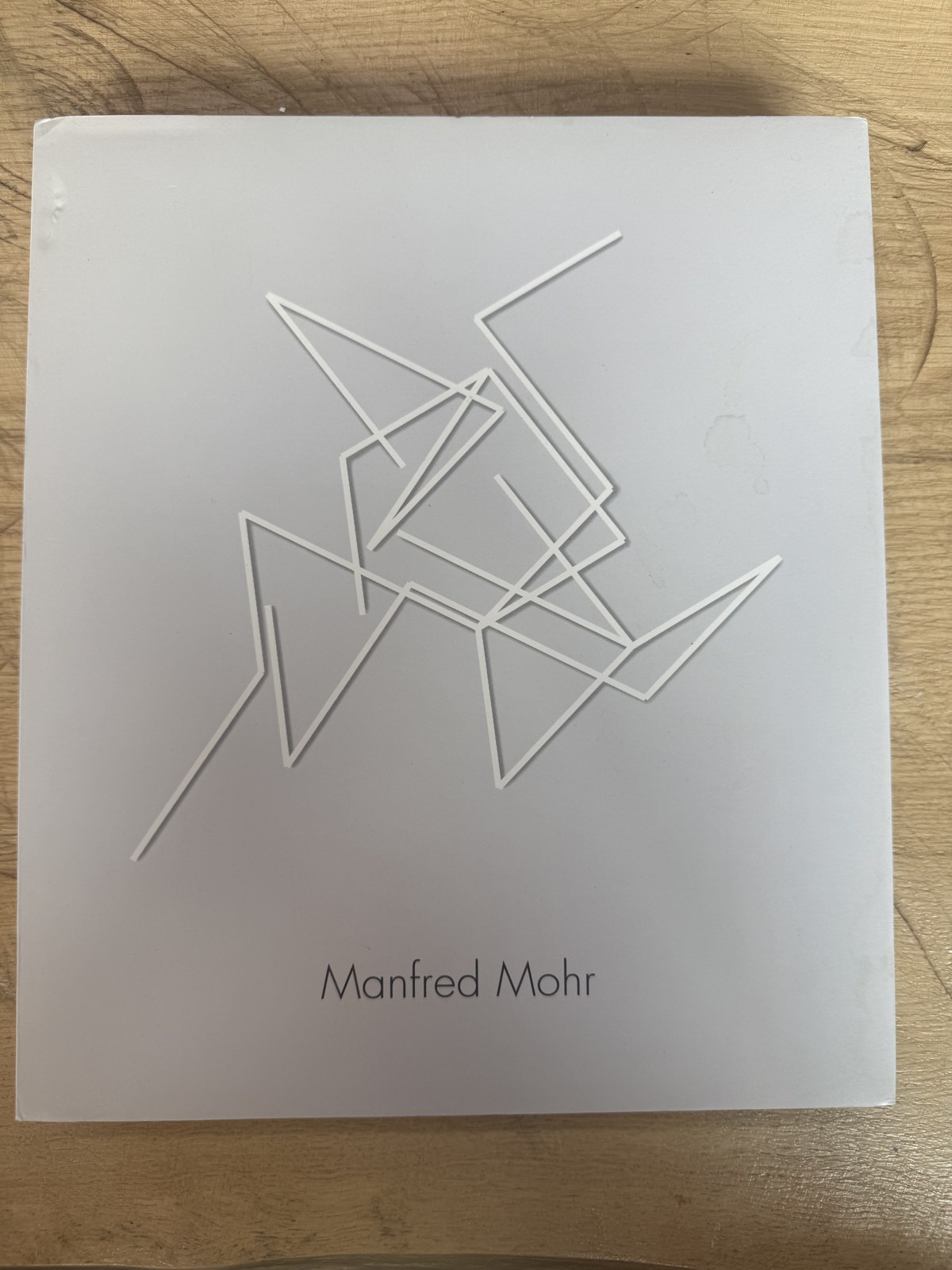
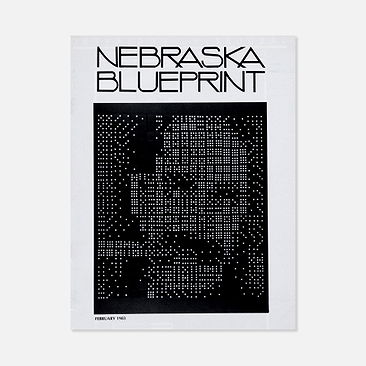
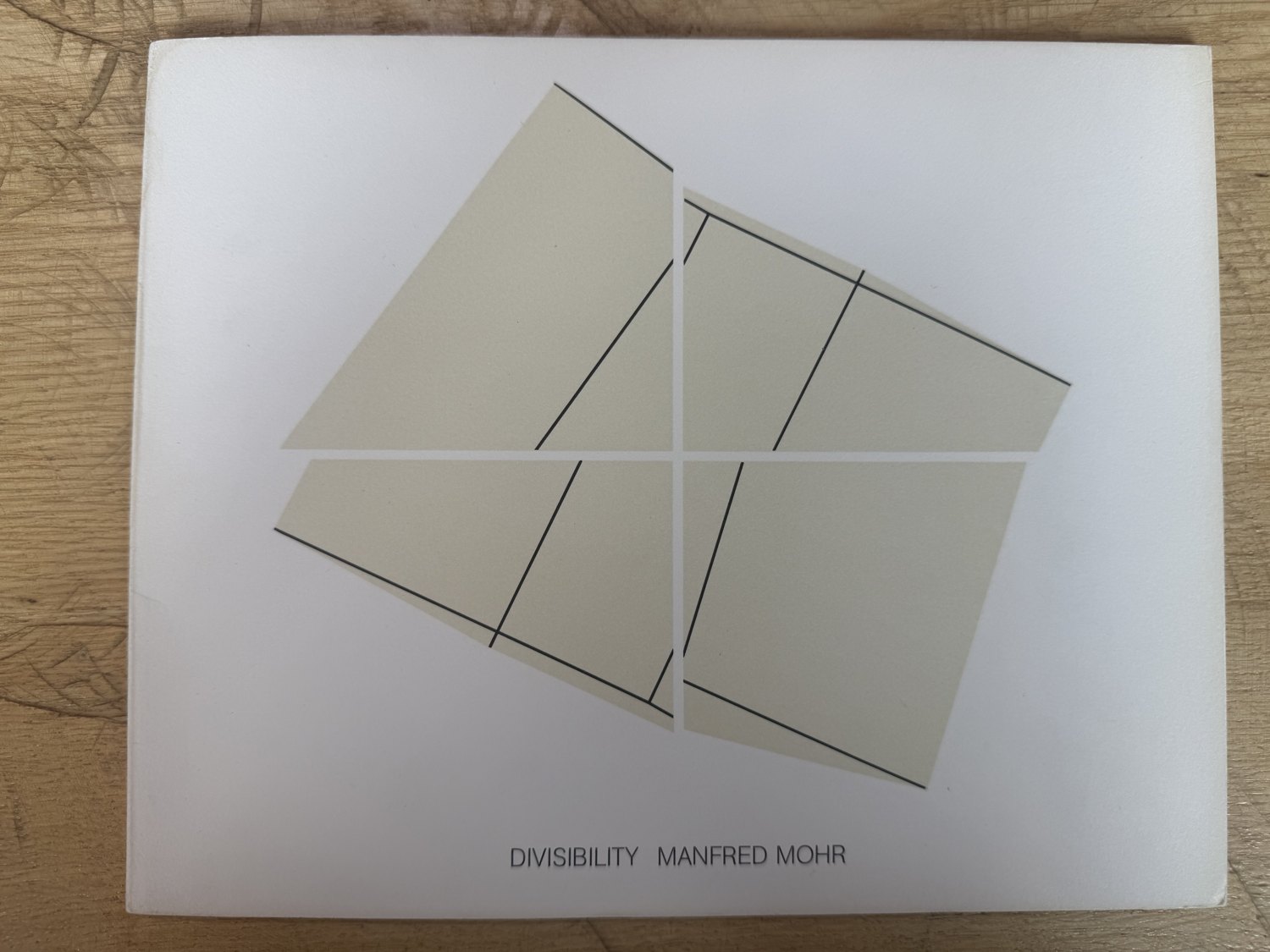
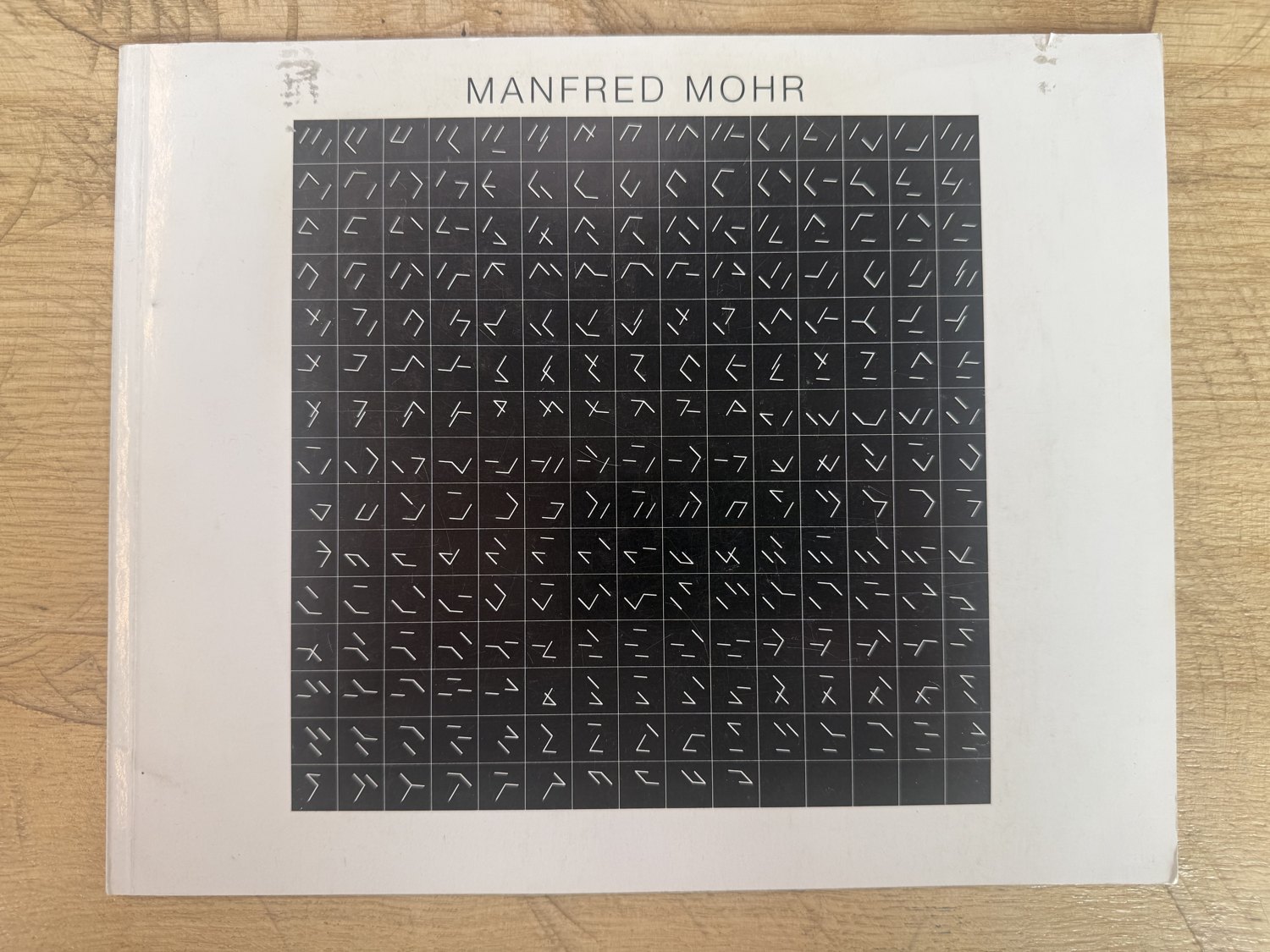
Pictured L to R: Estarose Wolfson, Bre Pettis, and Manfred Mohr. Photo Credit: Bre Pettis
Manfred Mohr
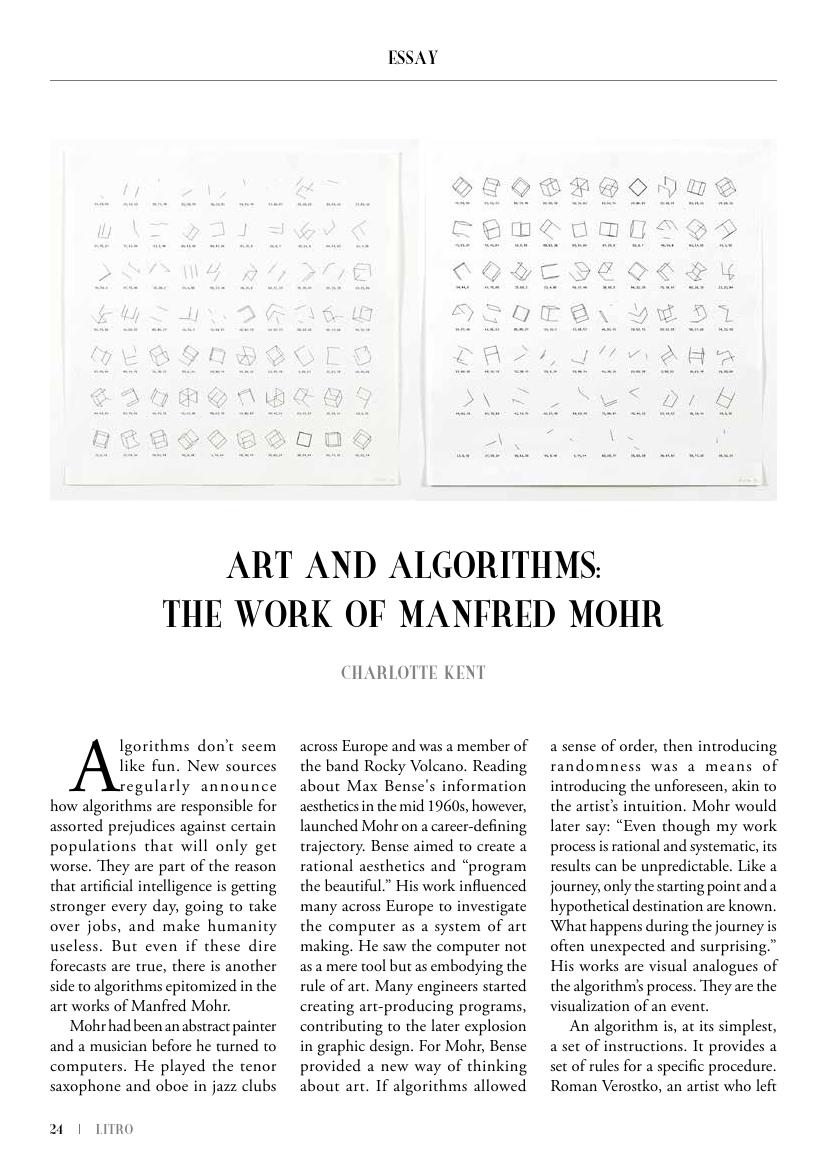
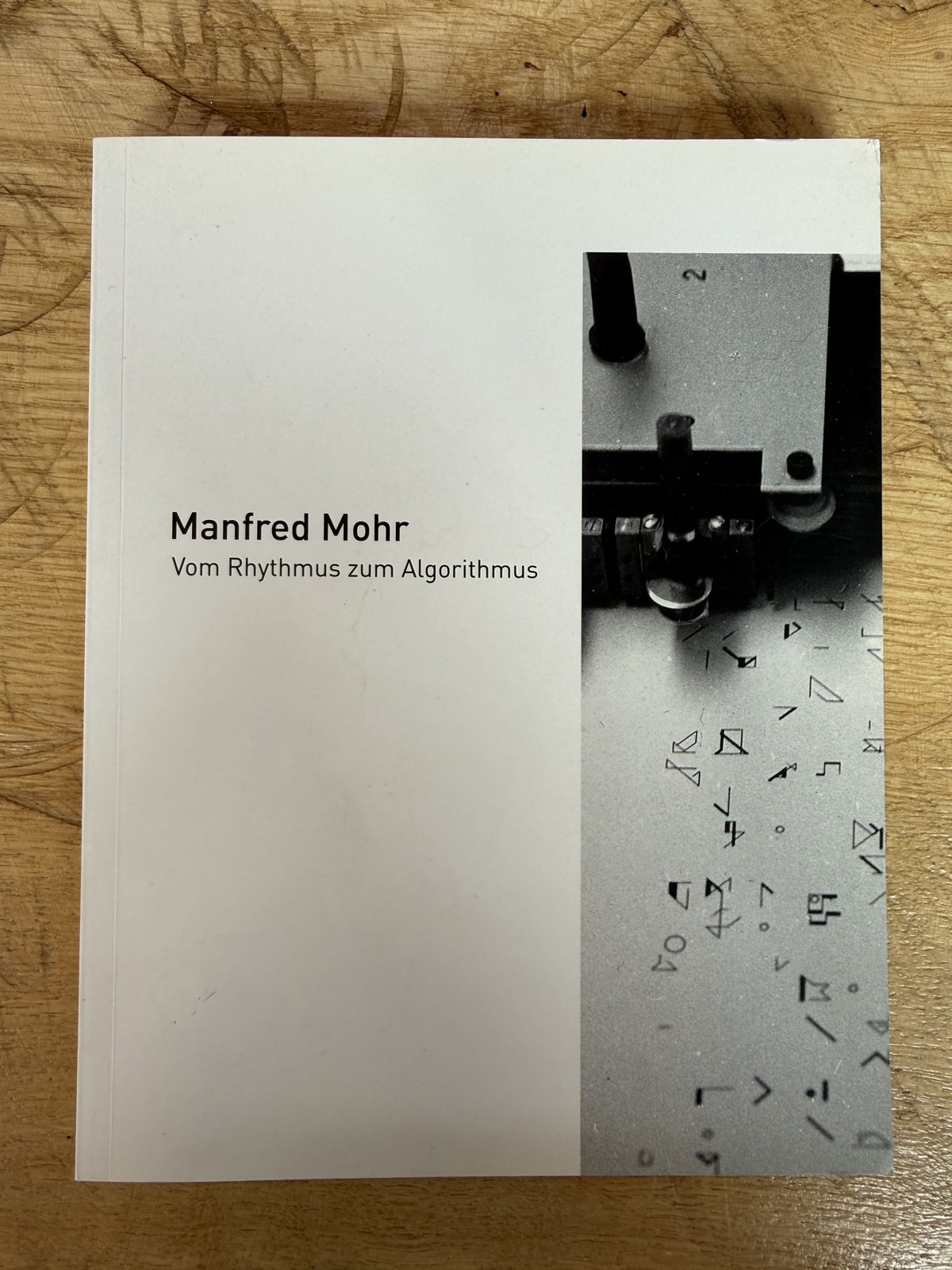
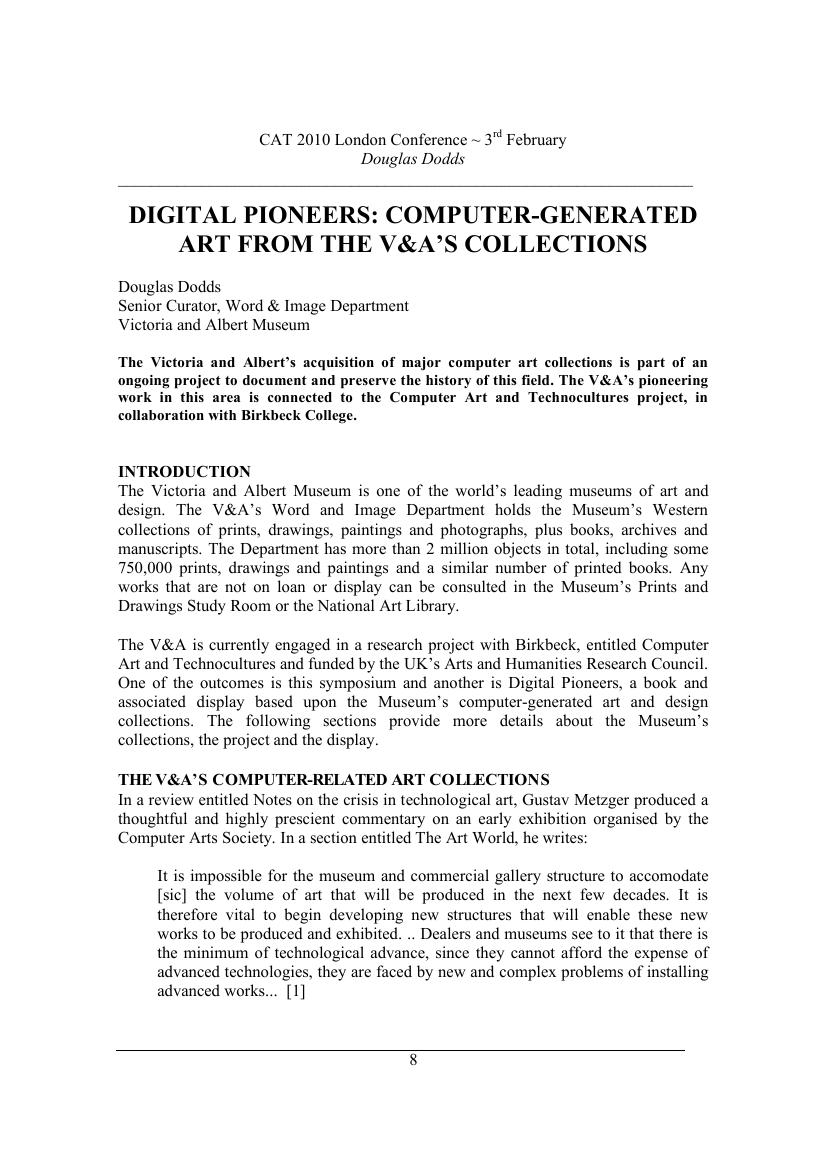
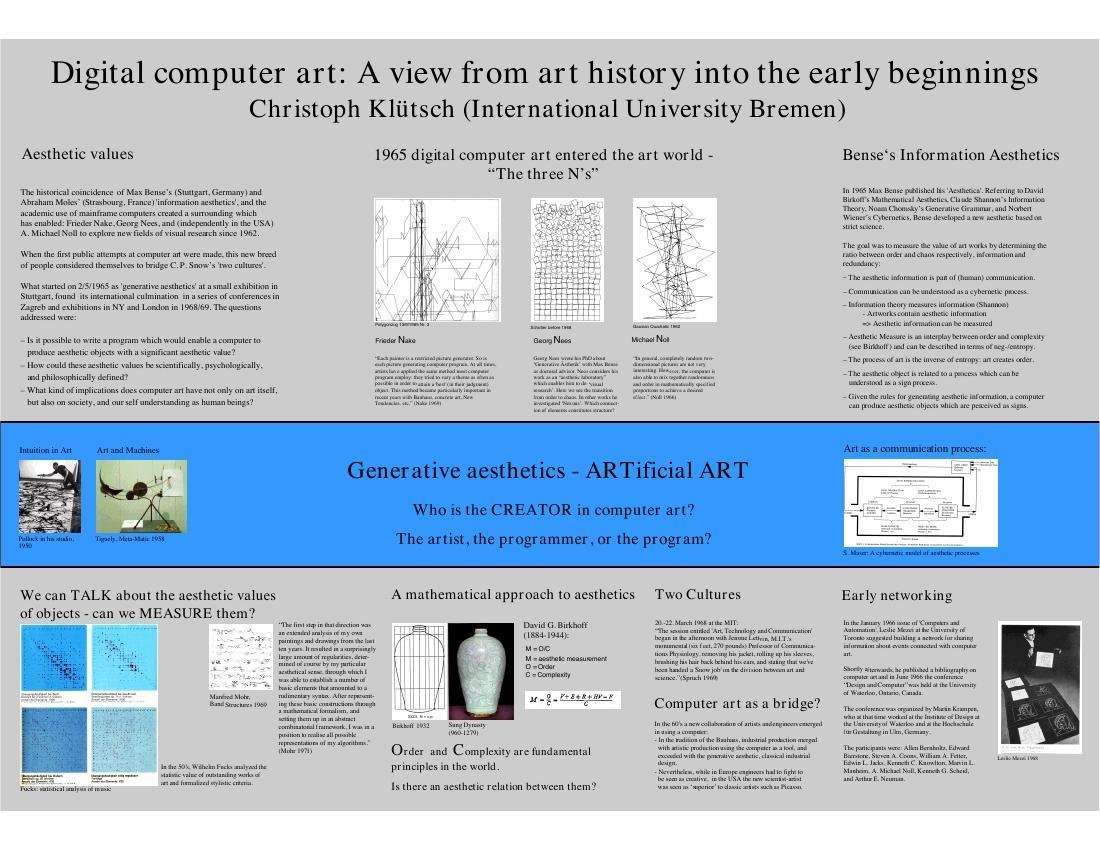
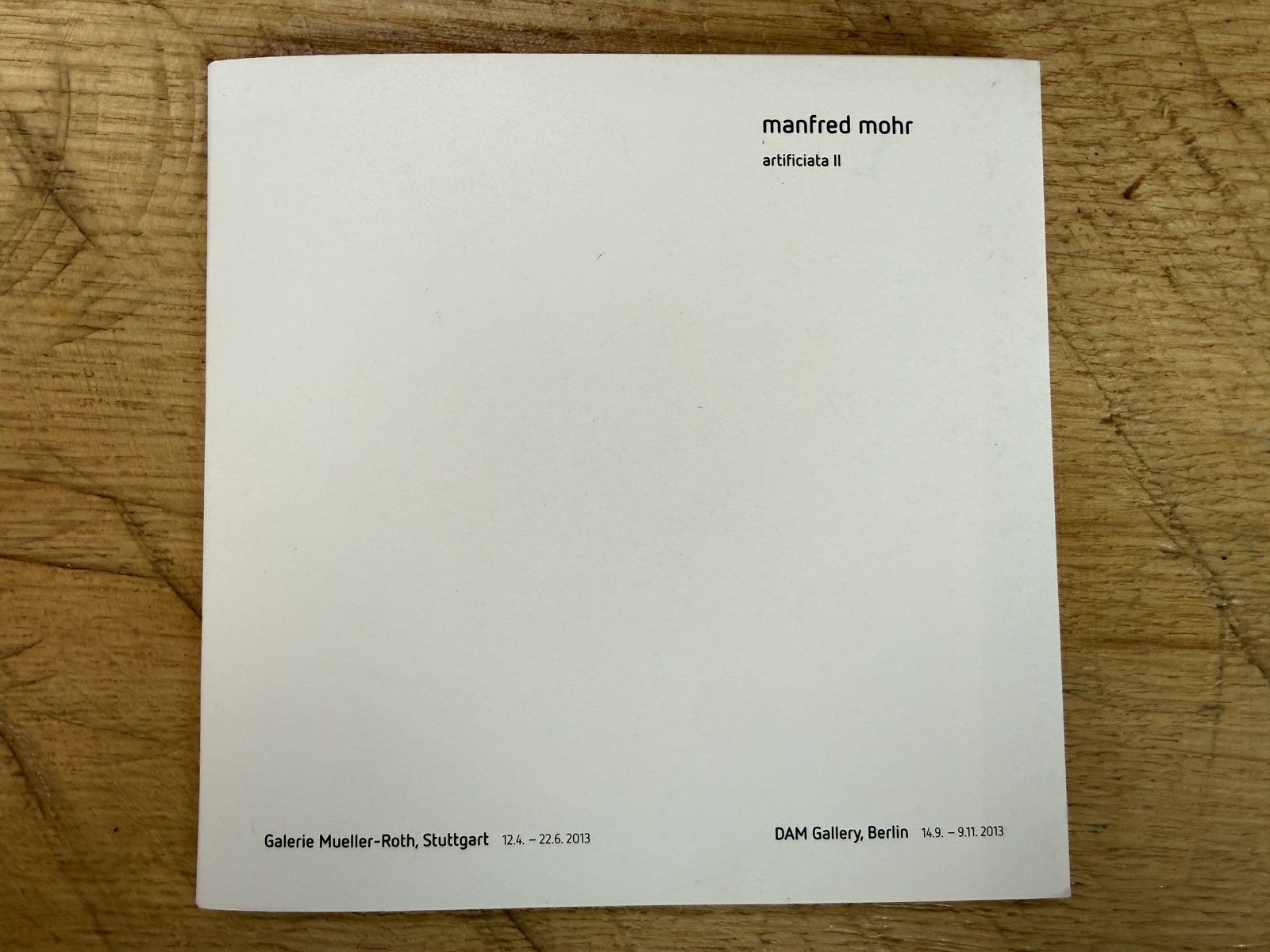
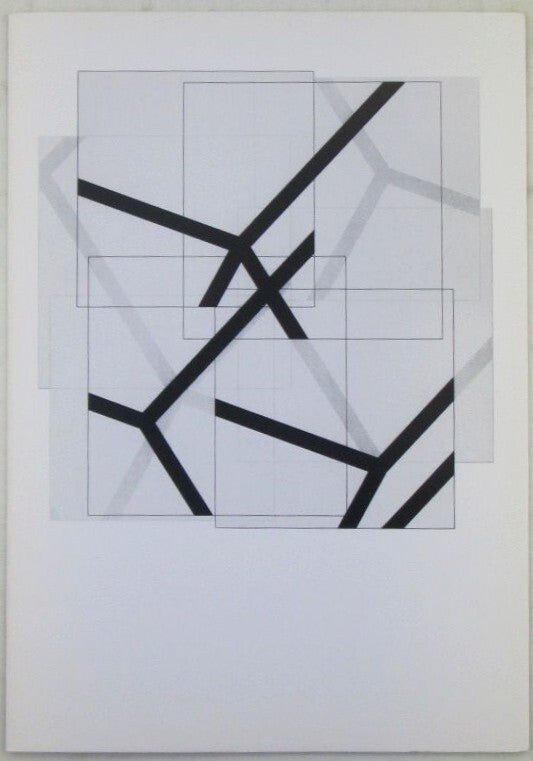
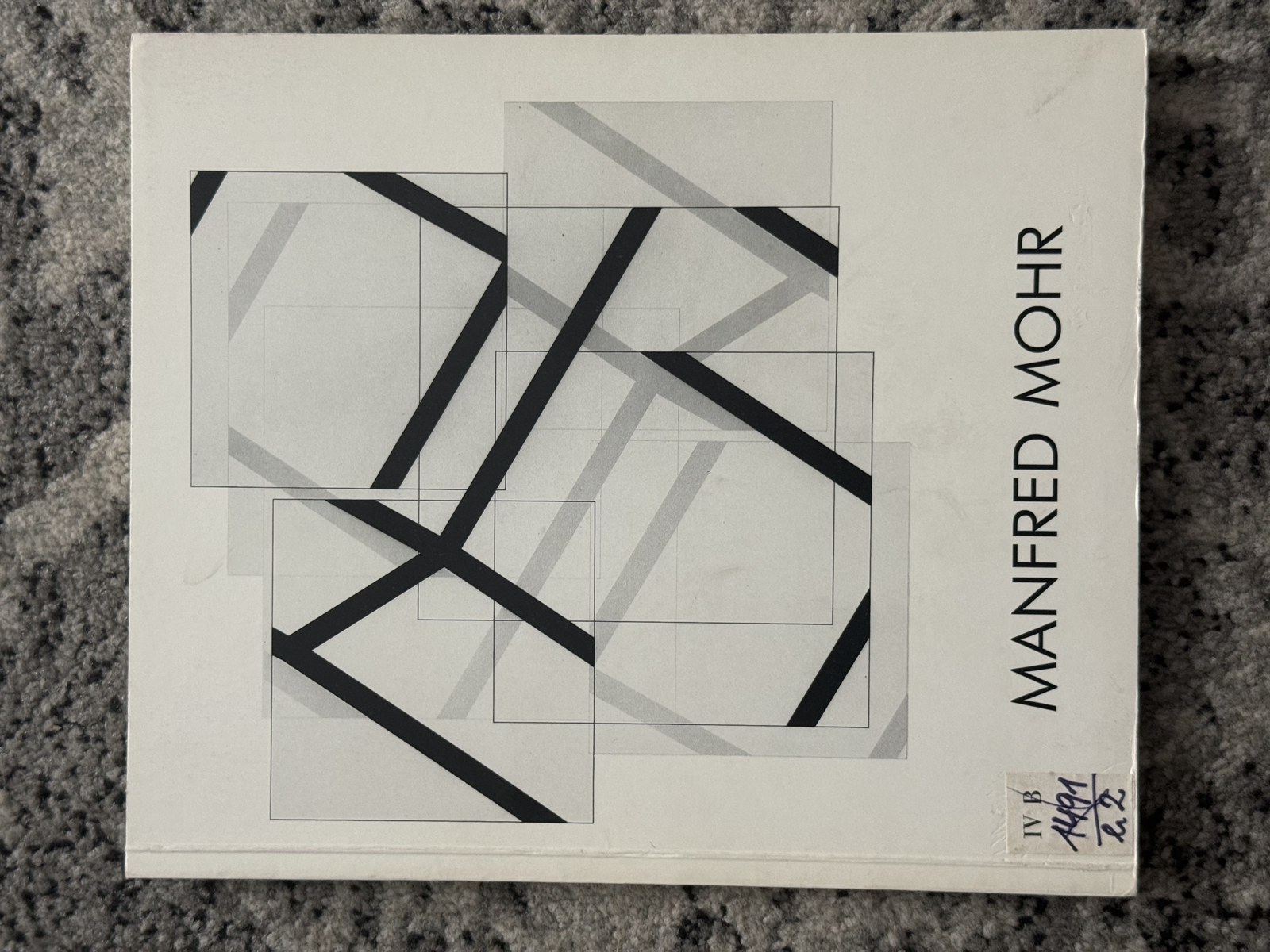
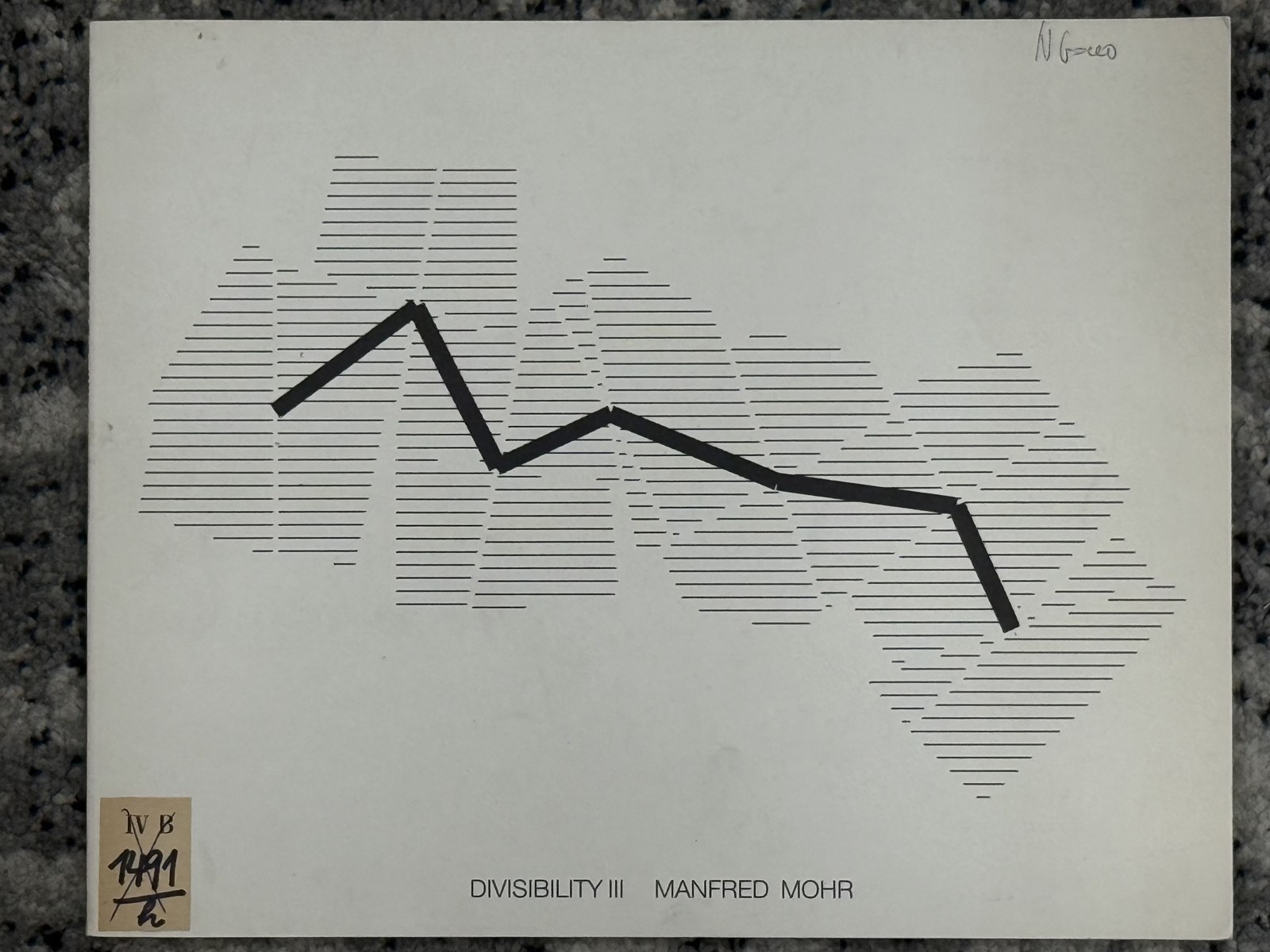
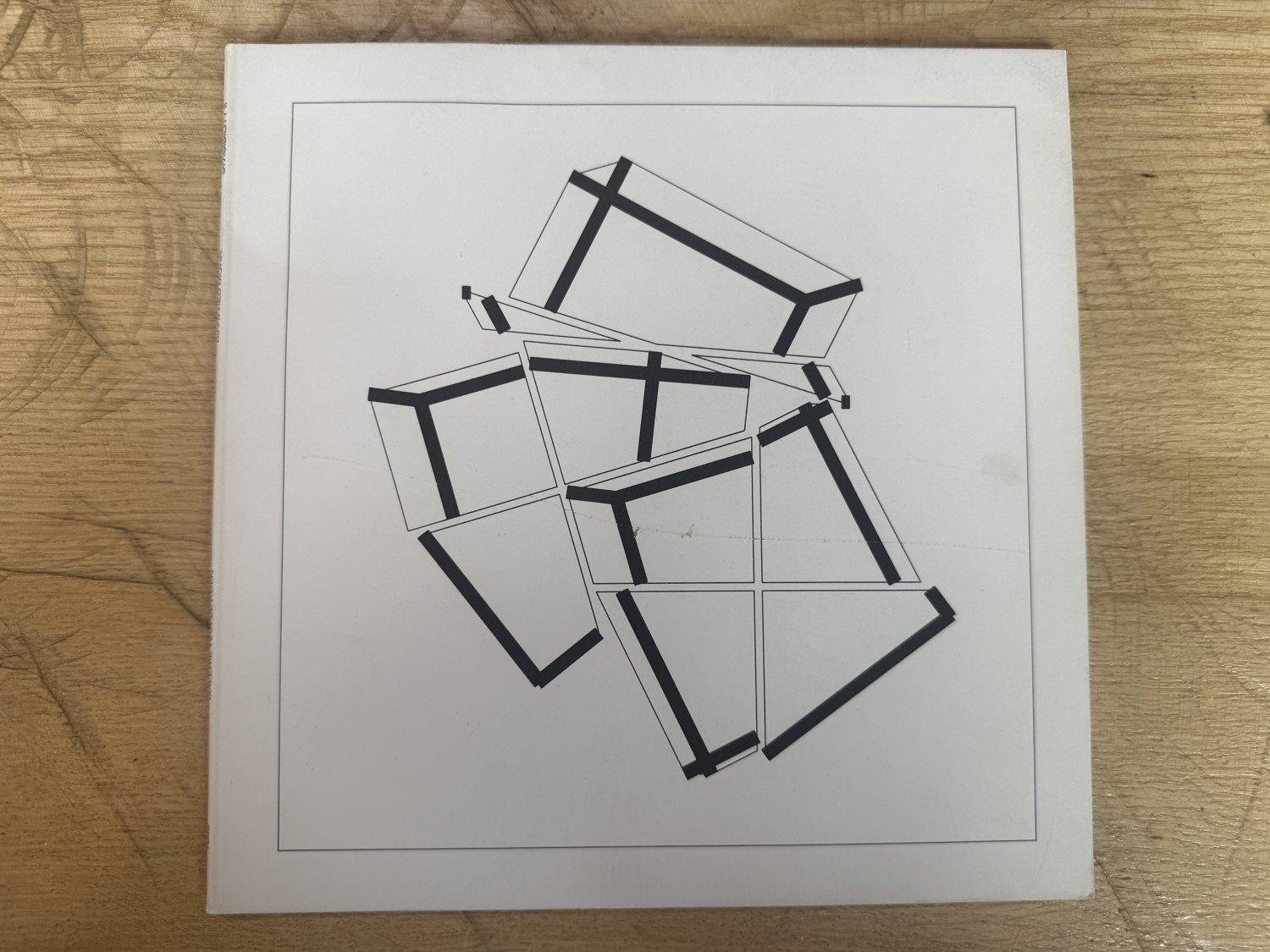
Manfred Mohr (b. 1938, Pforzheim) came to the algorithm through jazz: a tenor saxophonist and oboist trained in goldsmithing and painting at Pforzheim's Kunst+Werkschule, he was an action painter and jazz musician before logic took over. Working in Paris from 1963, he met the composer Pierre Barbaud in 1967, learned FORTRAN IV, and in 1969 made his first computer drawings — plotted on the Benson flatbed at the Météorologie Nationale's computing center. His 1971 solo show "Une esthétique programmée" at ARC, Musée d'Art Moderne de la Ville de Paris, was the first one-person museum exhibition of digital computer-generated art. From 1972–73 the cube became his alphabet, from 1977 the four-dimensional hypercube, and later five and six dimensions — half a century of one idea unfolding with absolute consistency, phase by phase (Cubic Limit, Divisibility, Dimensions, and onward), all documented on his own meticulously kept site. He has lived and worked in New York since 1980; the Golden Nica of Ars Electronica (1990) and representation by bitforms gallery mark the recognition that eventually caught up. I met Manfred and his wife, Estarose Wolfson, on a studio visit, and we've kept it up over coffee at their local café since. Their apartment, where that photo was taken, is beautiful — and my favorite thing in it is a pile of papers he found on the street, still bound in string: he saw them as art, and the stack sits on his windowsill.
Artist's website (emohr.com) ↗Read more on Wikipedia ↗
17 physical works
Works in the collection


In the library